How Can Buyers Use High Pressure Die Casting Aluminum for Thin-Wall Housings?
How Can Buyers Use High Pressure Die Casting Aluminum for Thin-Wall Housings?
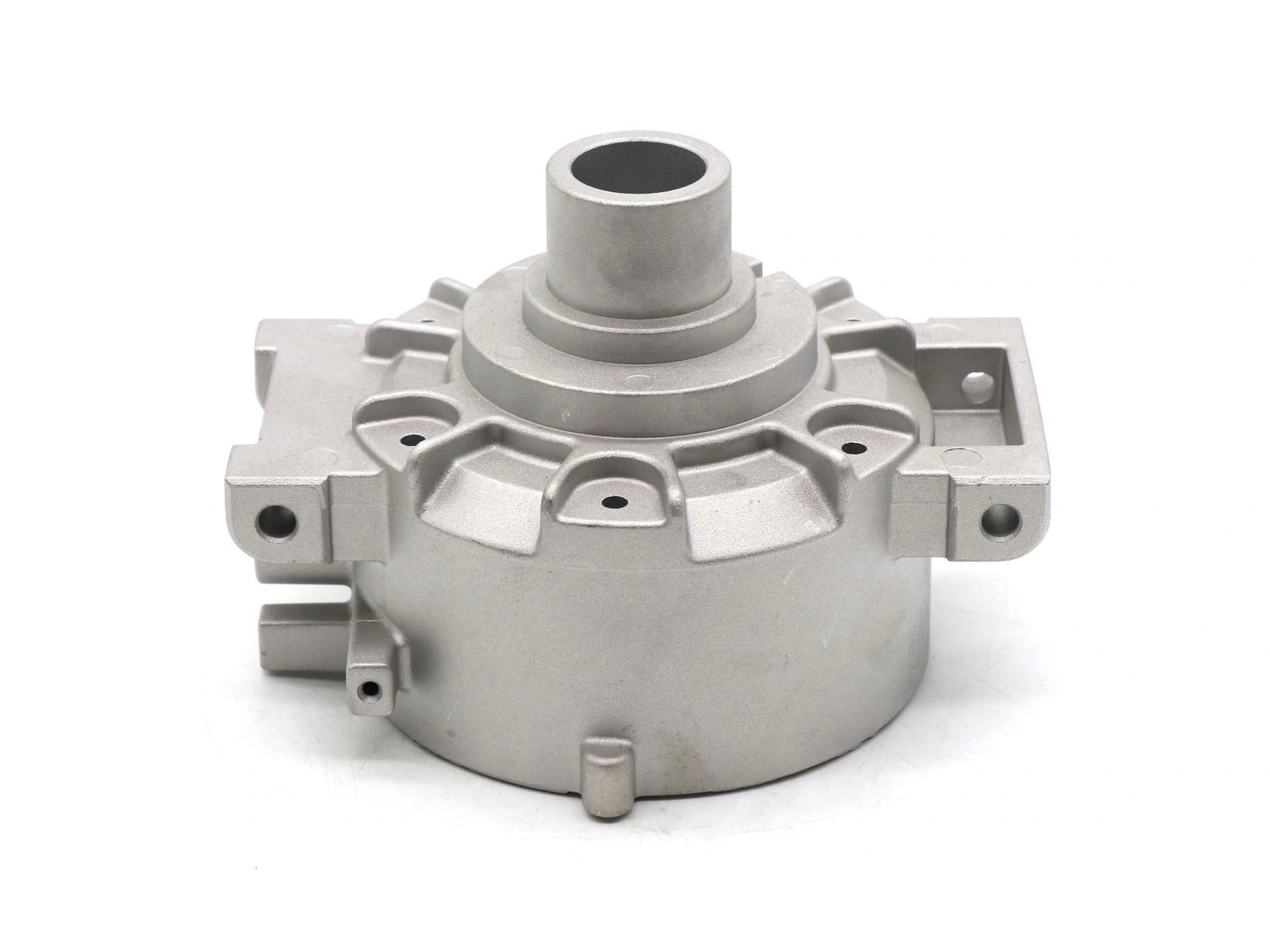
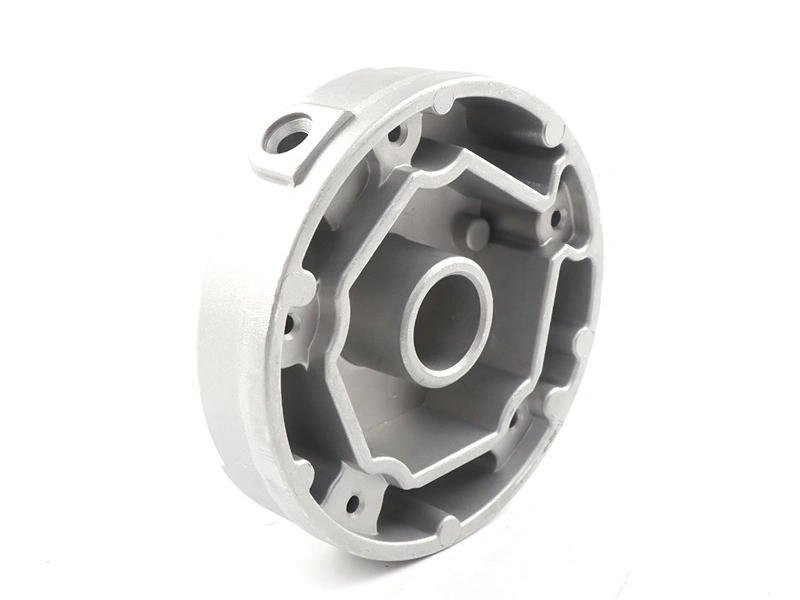
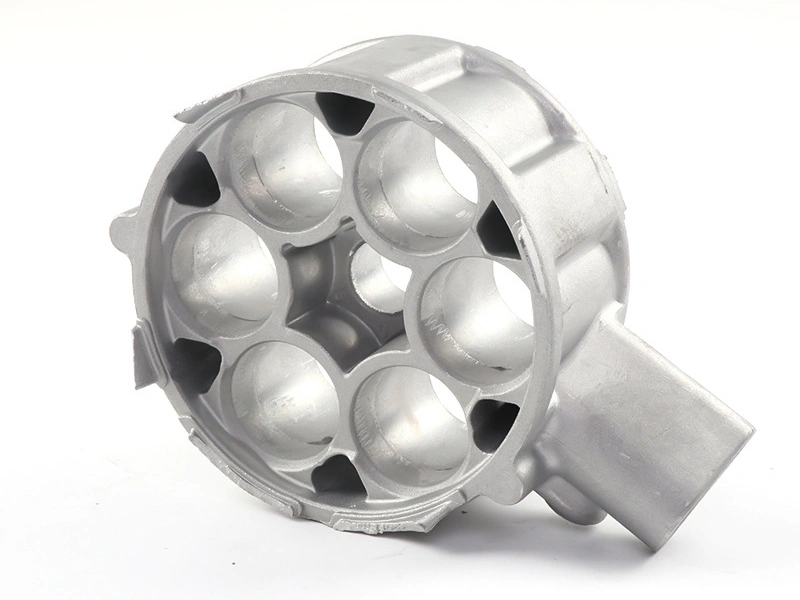
Buyers can use high pressure die casting aluminum for thin-wall housings when the part design has stable wall thickness, balanced ribs, reasonable bosses, clear mounting features and enough production volume to support tooling. Thin-wall parts must be reviewed before tooling because filling stability and warpage risk are higher than simple thick-wall parts.
This FAQ is useful for buyers developing aluminum housings, lighting housings, electronic enclosures, motor covers, heat sink housings and industrial covers. These parts often need lightweight structure, stiffness, heat dissipation, integrated ribs and bosses, local CNC machining and painting or powder coating.
1. Check Thin-Wall Structure Before Tooling
Design Area | What Buyers Should Check | Risk if Ignored |
|---|---|---|
Wall thickness | Whether thin-wall areas are consistent and easy to fill | Incomplete filling, cold shut and dimensional instability |
Ribs | Whether ribs are too thick, too dense or difficult for metal flow | Flow defects, weak ribs and local shrinkage |
Bosses | Whether bosses create local thick sections or shrinkage risk | Porosity, sink marks and weak fastening areas |
Large flat areas | Whether flat surfaces need support ribs or flatness control | Warpage, assembly gaps and coating defects |
2. Review Tooling, Flow and Cooling Risk
Thin-wall high pressure die casting aluminum parts need early review of flow path, gate position, venting, cooling and ejection. The supplier should connect tool and die making with part design before mold construction.
Tooling Review Item | Why It Matters | Buyer Benefit |
|---|---|---|
Filling path | Thin walls need stable flow before aluminum solidifies | Reduces cold shut and short filling |
Venting | Air must escape quickly during high-speed filling | Reduces porosity and surface defects |
Cooling balance | Thin and thick areas cool differently | Reduces warpage and shrinkage |
Ejector planning | Thin-wall parts can deform during release | Protects shape and cosmetic surfaces |
3. Coordinate Machining, Surface Finishing and Inspection
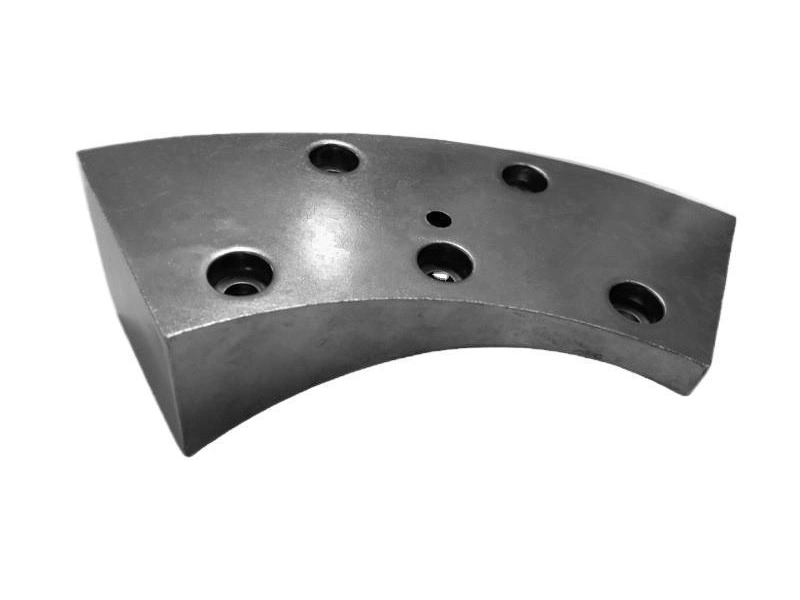
Many thin-wall aluminum housings need CNC machining after aluminum die casting for mounting holes, threaded holes, sealing faces or datum surfaces. Surface finishing and inspection should also be confirmed before tooling.
Process Area | What Buyers Should Confirm | Risk Reduced |
|---|---|---|
Mounting holes | Whether holes need CNC machining, position tolerance and inspection | Assembly mismatch |
Visible surfaces | Whether parting lines, ejector pins and gates avoid cosmetic areas | Appearance rejection |
Surface finishing | Painting, powder coating, polishing, masking and acceptable defects | Coating defects and rework |
Inspection | Flatness, machined features, cosmetic surfaces and batch consistency | Unstable approval standards |
4. Compare Related Material Routes When Needed
A broader custom metal casting service review can help buyers compare thin-wall aluminum parts with zinc die casting precision parts or copper die casting functional parts when the product has different weight, detail, conductive or functional requirements.
5. Summary
Thin-Wall Housing Review Area | Main Purpose |
|---|---|
Wall thickness, ribs and bosses | Reduce filling, shrinkage and strength risks |
Flow path, venting and cooling | Improve mold filling and batch stability |
CNC machining areas | Protect mounting, sealing and assembly features |
Visible surfaces and coating | Reduce cosmetic defects and finishing rework |
In summary, buyers can use high pressure die casting aluminum for thin-wall housings when the design, tooling, flow, machining and surface finishing are reviewed together before mold making. Early thin-wall DFM review helps reduce trial failure, warpage and batch rework risk.