How Can Buyers Validate Custom Aluminum Cast Parts Before Repeat Production?
How Can Buyers Validate Custom Aluminum Cast Parts Before Repeat Production?
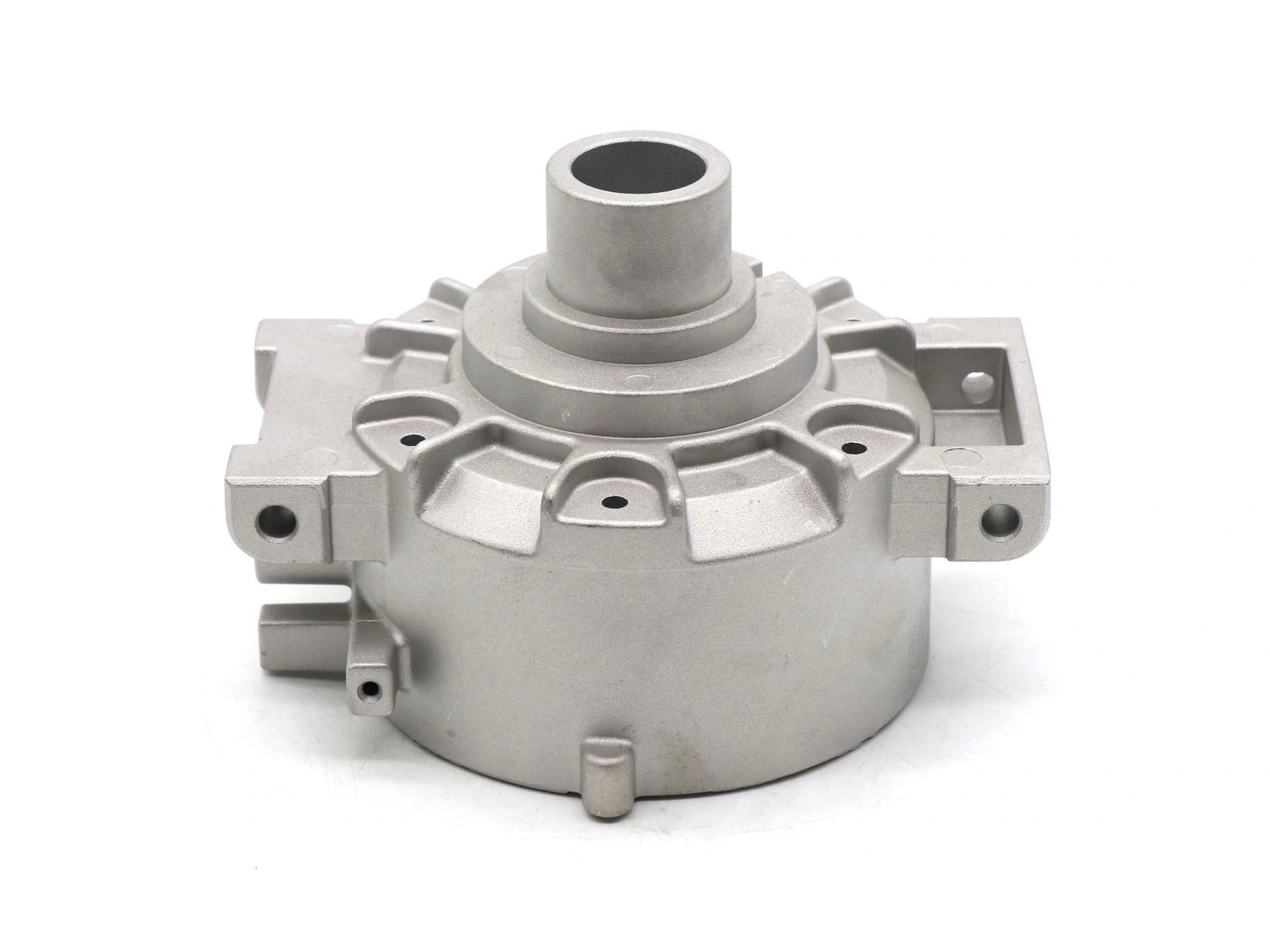
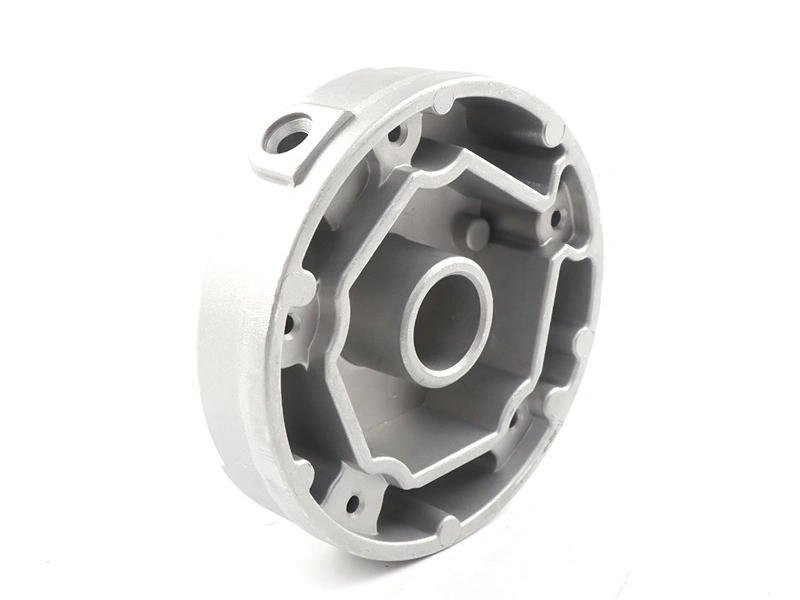
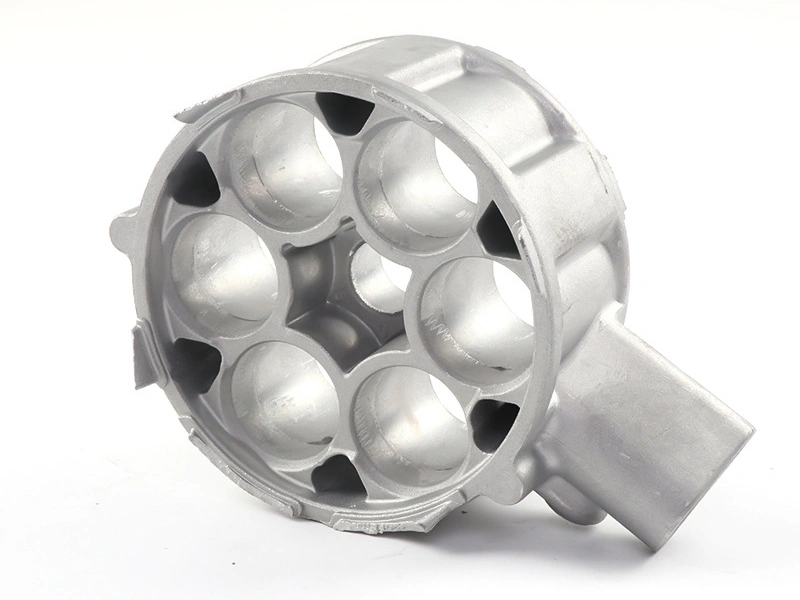
Buyers can validate custom aluminum cast parts before repeat production by checking more than one sample. The validation should confirm material, tooling condition, casting quality, machined features, surface finish, assembly fit, inspection method, packaging protection and production records. One acceptable sample does not prove that the process can repeat across batches.
The validation stage should include first article inspection, functional checks and a pilot batch when the part has assembly or finish risk. If the part includes sealing faces, threaded holes, visible coating or tight datum relationships, the buyer should require evidence for those features before releasing repeat orders.
For repeat-order planning, moving custom aluminum die cast parts from samples to repeat production gives buyers a useful release checklist.
Validation should cover more than one ideal part. A 5-30 part pilot can reveal machining cleanup, coating variation and assembly issues, although larger data is needed for capability claims. The controlled production file should preserve alloy, tool revision, machined datum, finish master, test method and packaging standard.
A useful release plan separates one first article from a consecutive pilot lot. The first article can verify the full drawing, while 20-50 sequential pieces may be used to check critical dimensions, machining cleanup and finish consistency before repeat orders. ASTM B85, ASTM B26/B26M or ASTM B108/B108M should match the selected casting route; ASME Y14.5 or ISO 1101 should control machined datum relationships. Any capability target must name the characteristic, sample size and required index.
Validation Items for Custom Aluminum Casting
Validation Item | What to Check | Output Record |
|---|---|---|
Material | Alloy grade, equivalent approval and batch traceability | Material record or certificate |
Tooling | Parting line, gate trim, ejector marks and correction status | Tooling trial record |
Casting quality | Fill, porosity, shrinkage, flash, warpage and surface condition | Sample inspection report |
Machined features | Threads, bores, datums, flatness and critical dimensions | CMM report, gauge record or machining report |
Surface finish | Color, texture, coating thickness, masking and visible defects | Approved finish sample |
Assembly fit | Fit with mating components, fasteners, seals and installation points | Assembly test record |
Why Pilot Batches Matter
A pilot batch helps reveal problems that may not appear in one sample. Tool temperature, trimming consistency, machining fixture stability, coating batch behavior and packaging protection can change across multiple parts. A pilot batch gives the buyer and supplier a chance to confirm repeatability before larger orders.
Buyers should review whether the pilot batch uses the same alloy, tooling, machining fixture, finish method and inspection checklist planned for production. If the pilot sample uses a special hand-polished finish or extra manual rework that will not be used in production, it does not prove repeatability.
Inspection Records to Lock Before Repeat Orders
The buyer should lock the drawing revision, alloy note, machining program, fixture record, finish master, inspection checklist and packaging method. These records keep repeat orders aligned with the approved sample. Without them, the next batch may drift even if the supplier uses the same general process.
For aluminum casting parts, validating aluminum casting parts before repeat orders is especially useful when the part has visible finish, tight machining or functional assembly requirements.
Release Conditions Before Production
Production release should happen only after the buyer and supplier agree on the approved sample condition. The release package should include the final drawing, material requirement, tooling status, machining scope, finish master, inspection frequency and packing method. If any of these items remain open, repeat production can become unstable even though the first sample was accepted.
Buyers should also define what requires reapproval. A tooling correction, alloy change, machining fixture change, finish supplier change or drawing revision can affect the part. The project file should state whether those changes need new samples, dimensional reports or finish approval before shipment.
Repeat Order Risk Signals
Risk signals include missing material records, no retained finish master, unclear drawing revision, hand-polished samples, unverified machining fixtures, no gauge plan for threads, packaging that allows coating damage and inspection reports that do not show critical dimensions. These issues should be corrected before larger batches are released.
Another risk signal is approval based only on photos. Photos can show general appearance, but they do not prove alloy, flatness, thread quality, coating thickness, sealing performance or assembly fit. Buyers should request dimensional and functional evidence for the features that matter. If the part is used in an assembly, sample validation should include the mating components or an agreed checking fixture.
Repeat production also needs a response plan for nonconforming parts. The buyer and supplier should agree how defects are reported, how suspect batches are separated, which issues require root-cause analysis and when replacement parts are needed. This protects delivery schedule without hiding recurring manufacturing problems.
What to Send for Validation Review
For validation review, buyers should send the latest drawing, 3D model, assembly notes, mating component information, finish requirement, critical feature list and expected production volume. If the project has a previous sample or failure history, that information should be included. The supplier can then focus inspection on the real risk areas instead of checking every feature with the same priority.
This preparation shortens approval time and reduces repeated sampling.
It also gives the supplier a clear basis for quoting inspection work instead of guessing which features deserve extra checks.
Neway Repeat Production Support
Neway can support custom aluminum cast parts through sample review, tooling correction, CNC machining validation, finish approval, inspection records and repeat production release. The goal is to make later orders follow the same approved standard, not restart the approval discussion every time the buyer places a new batch.