How Can Manufacturers Control Surface Defects in Production Parts
How Can Manufacturers Control Surface Defects in Production Parts?
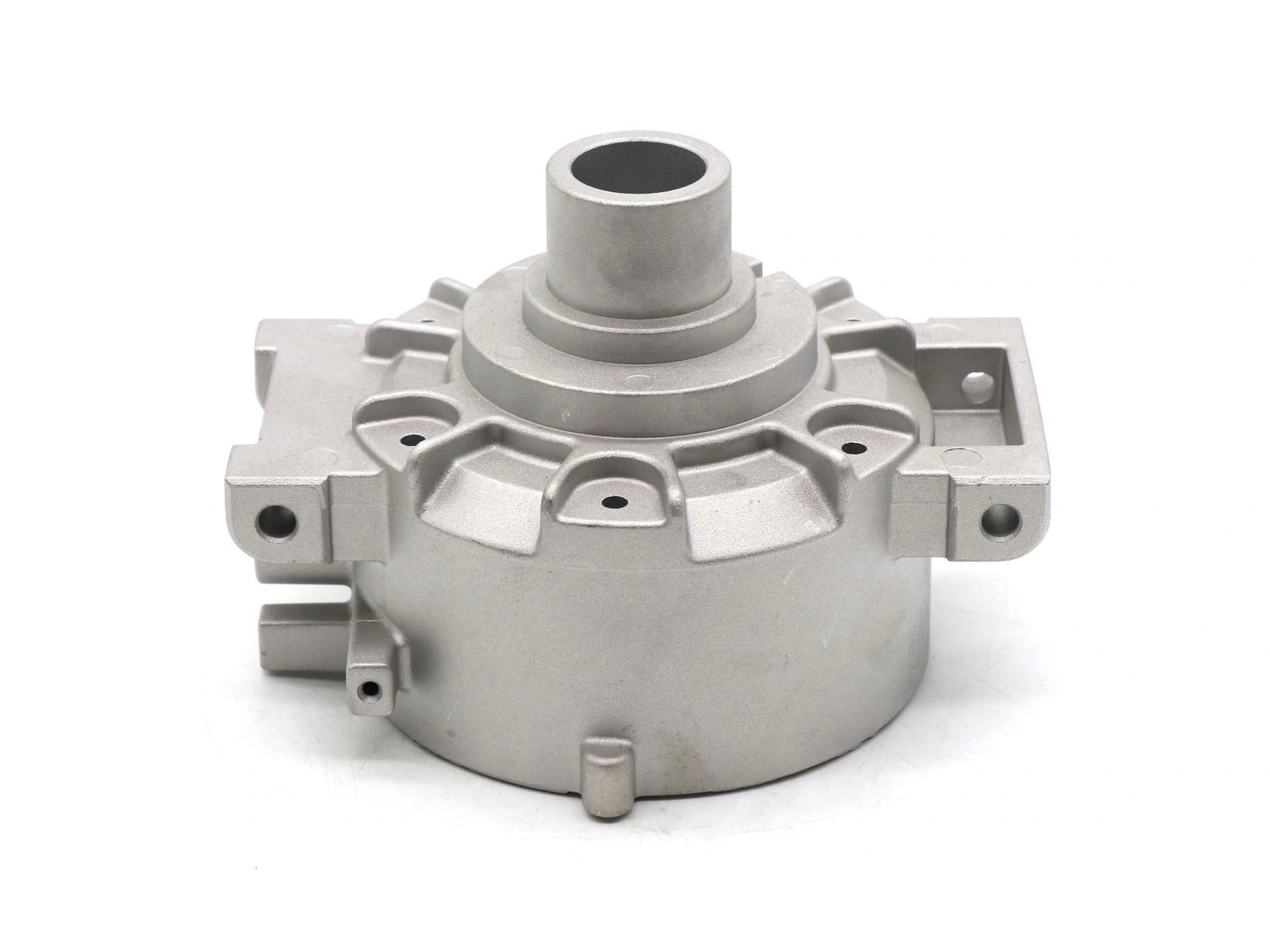
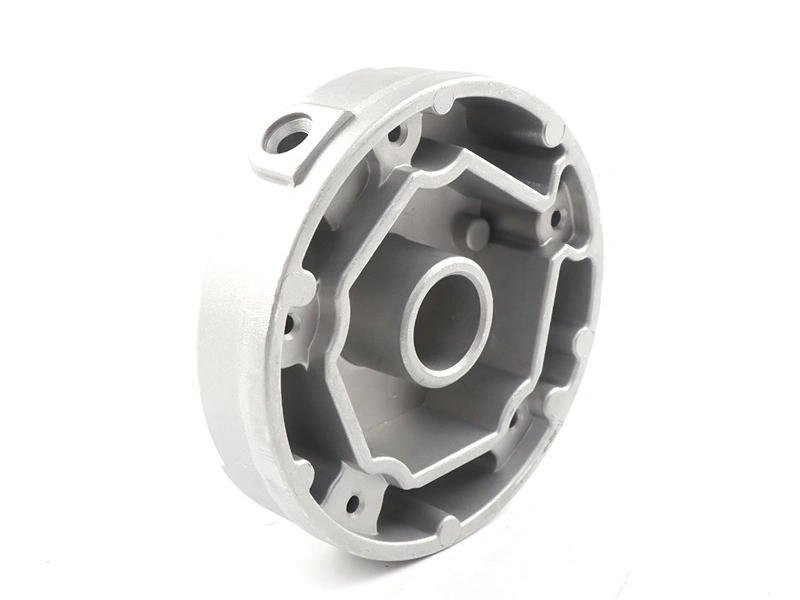
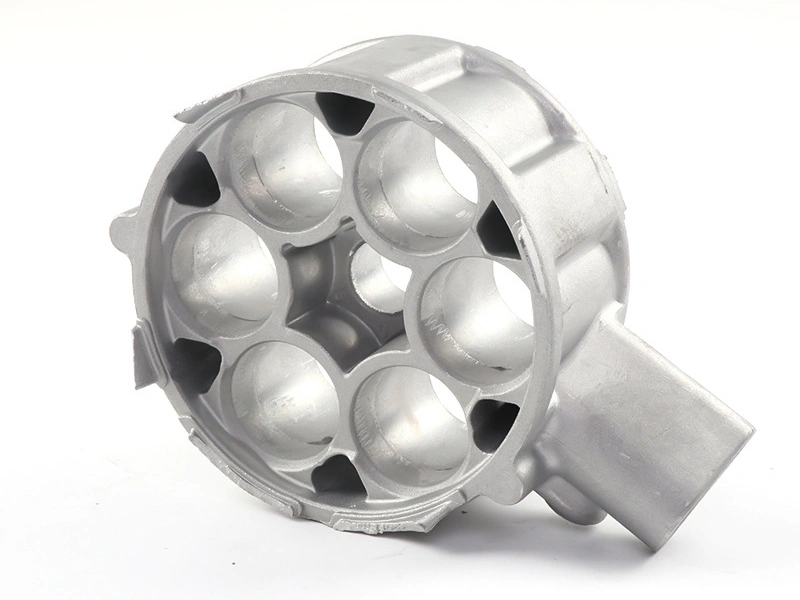
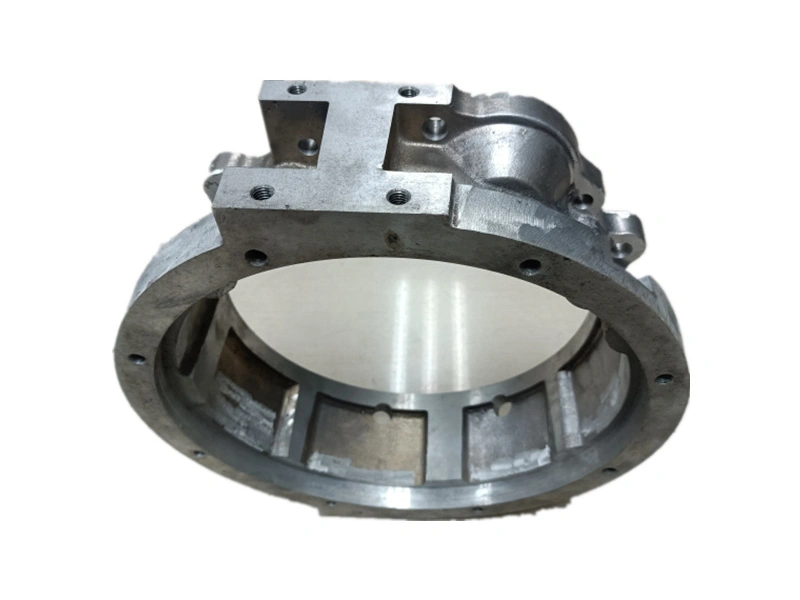
Manufacturers can control aluminum die casting surface defects by reviewing wall thickness, improving tooling design, planning gate and venting, stabilizing the casting process, defining deburring standards, controlling polishing methods, preparing surfaces before coating, inspecting cosmetic surfaces and protecting parts during packaging.
Surface defects in aluminum die cast parts cannot be solved only by polishing or coating after casting. A reliable custom metal casting quality process controls appearance risk from design review, tooling, casting, finishing and inspection.
1. Identify Common Surface Defects
Surface Defect | Possible Cause | Buyer Risk |
|---|---|---|
Porosity exposure | Trapped gas, poor venting or pores exposed after machining or polishing | Cosmetic rejection or sealing failure |
Shrinkage marks | Local thick areas, poor cooling or unbalanced wall thickness | Visible defects and weak areas |
Flow marks | Improper gate, runner or filling pattern | Appearance dispute after finishing |
Flash and burrs | Parting line issues, tooling wear or trimming problems | Assembly interference and extra deburring |
Coating defects | Poor surface preparation, pores, oil residue or inconsistent polishing | Peeling, uneven appearance and batch rejection |
2. Control Defects Through Tooling and Casting Stability
Die casting tooling design affects surface quality before any polishing or coating begins. Gate location, venting, cooling, ejector pins and parting lines should be reviewed before production tooling is finalized.
Control Area | How It Helps | Defect Reduced |
|---|---|---|
Wall thickness review | Reduces local hot spots and uneven shrinkage | Shrinkage marks and distortion |
Gate and venting planning | Improves filling and allows trapped air to escape | Porosity and flow marks |
Casting process stability | Controls repeatability across production batches | Batch variation and surface inconsistency |
Tooling maintenance | Controls mold wear, flash and parting line condition | Flash, burrs and visible parting line marks |
3. Control Defects Through Finishing and Inspection
Finishing can improve appearance, but it should not be used as the only solution for poor casting quality. Manufacturers should define deburring standards, polishing methods, coating preparation and cosmetic surface inspection before production.
Finishing Control | Why It Matters | Buyer Benefit |
|---|---|---|
Deburring standard | Controls sharp edges, flash and loose burrs | Improves assembly and handling safety |
Polishing method | Improves appearance without over-polishing and exposing pores | Reduces cosmetic rejection |
Coating preparation | Controls cleaning, surface condition and coating adhesion | Reduces coating defects |
Cosmetic surface inspection | Checks visible defects, marks, color, coating and surface consistency | Improves final acceptance |
Packaging protection | Prevents scratches and surface damage after finishing | Reduces delivery complaints |
4. Compare Surface Quality Across Materials
Surface quality requirements vary by material route. Zinc die casting surface quality often focuses on cosmetic details, plating and burr control. Copper die casting quality control often focuses on machined functional faces and contact surfaces. Aluminum projects often focus on porosity, machining exposure and coating stability.
5. Summary
Surface Defect Control Method | Main Purpose |
|---|---|
Wall thickness and tooling review | Reduce shrinkage marks, porosity and deformation |
Gate and venting planning | Improve filling and reduce trapped air defects |
Casting process stability | Reduce batch-to-batch surface variation |
Deburring, polishing and coating preparation | Improve finished appearance and reduce rework |
Cosmetic inspection and packaging protection | Protect final quality before delivery |
In summary, manufacturers control aluminum die casting surface defects through full-process control, not only final polishing or coating. Buyers should check whether the manufacturer can manage tooling, casting stability, deburring, polishing, coating preparation, cosmetic inspection and packaging protection.