How Can Suppliers Help Buyers Balance Alloy Performance and Production Stability?
How Can Suppliers Help Buyers Balance Alloy Performance and Production Stability?
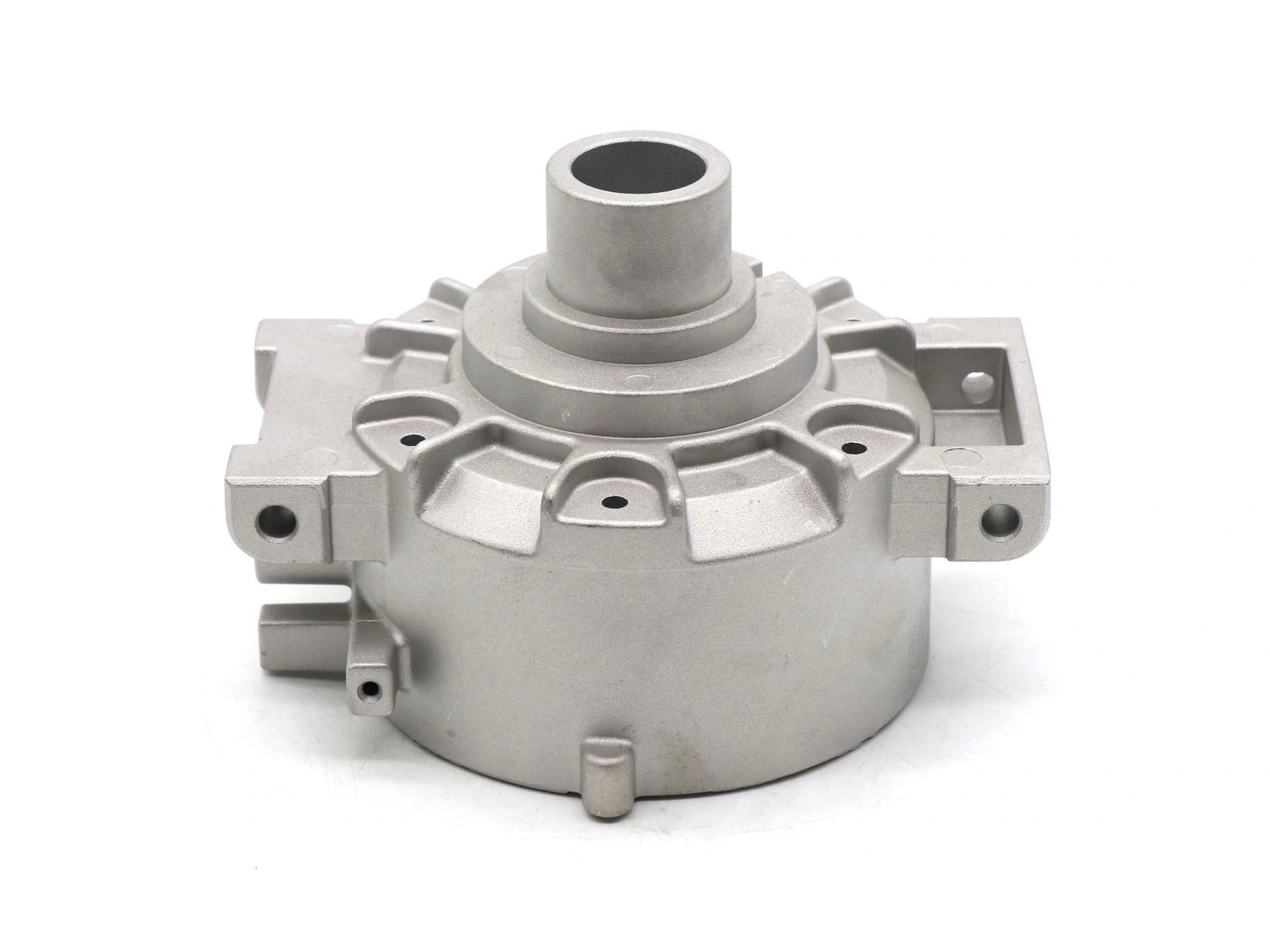
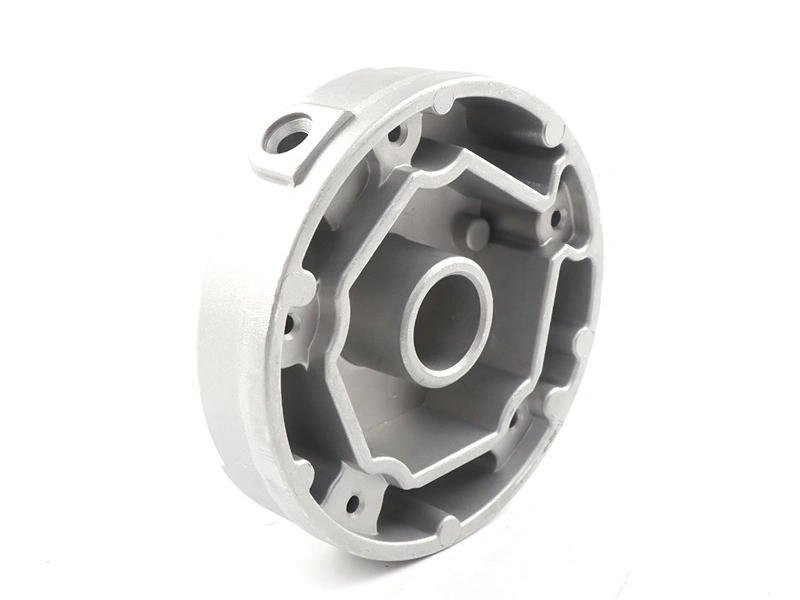
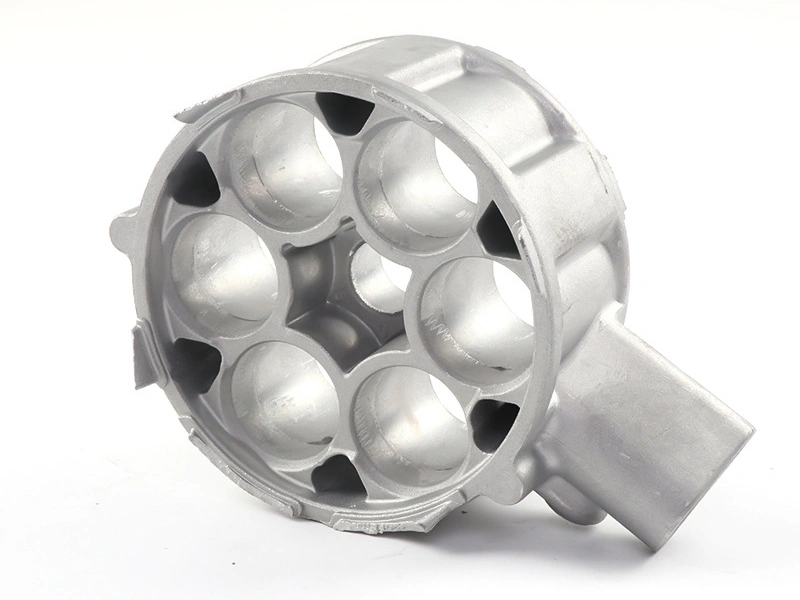
Suppliers can help buyers balance alloy performance and production stability by reviewing material requirements, part geometry, tooling strategy, machining needs, surface finishing, inspection standards and batch production plans before the project enters full production.
This FAQ is useful for buyers who want long-term stable procurement of aluminum alloy die cast parts. Many buyers focus only on material performance, but real production also depends on forming stability, tooling life, machining difficulty, surface finishing consistency, inspection workload, batch repeatability and delivery stability.
1. Review Material Performance and Manufacturing Risk Together
Supplier Support | What It Should Review | Buyer Value |
|---|---|---|
Aluminum alloy selection advice | Strength, weight, heat dissipation, surface finish and cost target | Reduces wrong material selection |
DFM review | Wall thickness, ribs, bosses, draft, parting line and filling risk | Reduces tooling modification and sample failure |
Tooling strategy | Gate, runner, venting, cooling, ejector and tool life planning | Improves production repeatability |
Trial sample validation | Dimensions, appearance, machining, finishing and assembly fit | Confirms readiness before batch production |
2. Connect Tooling, CNC Machining and Surface Finishing
A reliable aluminum alloy die casting supplier should treat the project as a complete production workflow. Material, tooling, die casting, CNC machining, surface finishing and inspection should be planned before full production.
Process Area | Supplier Should Confirm | Risk Reduced |
|---|---|---|
Mold layout, filling, cooling, ejection, cosmetic surfaces and machining allowance | Tooling changes and unstable samples | |
Holes, threads, sealing faces, datums, fixtures and inspection methods | Machining rework and assembly failure | |
Surface finishing | Polishing, coating, painting, masking, appearance standard and packaging | Cosmetic rejection and delivery damage |
Inspection | Dimensional inspection, cosmetic inspection and small batch verification | Batch quality variation |
3. Avoid Common Risks From Price-Only Selection
If a supplier only produces from drawings without material and process suggestions, buyers may get a low initial quote but face higher total cost later.
Risk | Why It Happens | Long-Term Impact |
|---|---|---|
Material performs well but is hard to produce | Material was selected without tooling and casting stability review | Higher scrap rate and unstable production |
Tooling modification increases | DFM review was incomplete before mold making | Higher cost and longer lead time |
Machining cost exceeds expectation | Machined features, datums and allowance were not planned early | Quotation changes and delivery delays |
Surface finish is unstable | Casting quality, polishing, coating and cosmetic standards were not connected | Appearance rejection and rework |
4. Compare Production Stability Across Material Routes
A supplier with custom metal casting service capability can also help buyers compare aluminum with zinc alloy die casting for small precision parts or copper alloy die casting for functional parts. This makes future material and process decisions easier to manage.
5. Summary
Supplier Support Area | Main Purpose |
|---|---|
Alloy selection advice and DFM review | Balance material performance with manufacturability |
Tooling strategy and trial sample validation | Reduce mold changes and production instability |
CNC machining planning and inspection | Control assembly, sealing and functional features |
Surface finish validation and cosmetic inspection | Reduce finishing disputes and appearance variation |
Small batch verification and production feedback | Improve long-term batch repeatability |
In summary, suppliers can help buyers balance alloy performance and production stability by planning material, tooling, die casting, CNC machining, surface finishing and inspection as one complete project. Buyers should not only compare unit price; they should choose suppliers that can support stable long-term aluminum die casting production.