How Can Suppliers Improve Batch Stability in Aluminum Pressure Die Casting?
How Can Suppliers Improve Batch Stability in Aluminum Pressure Die Casting?
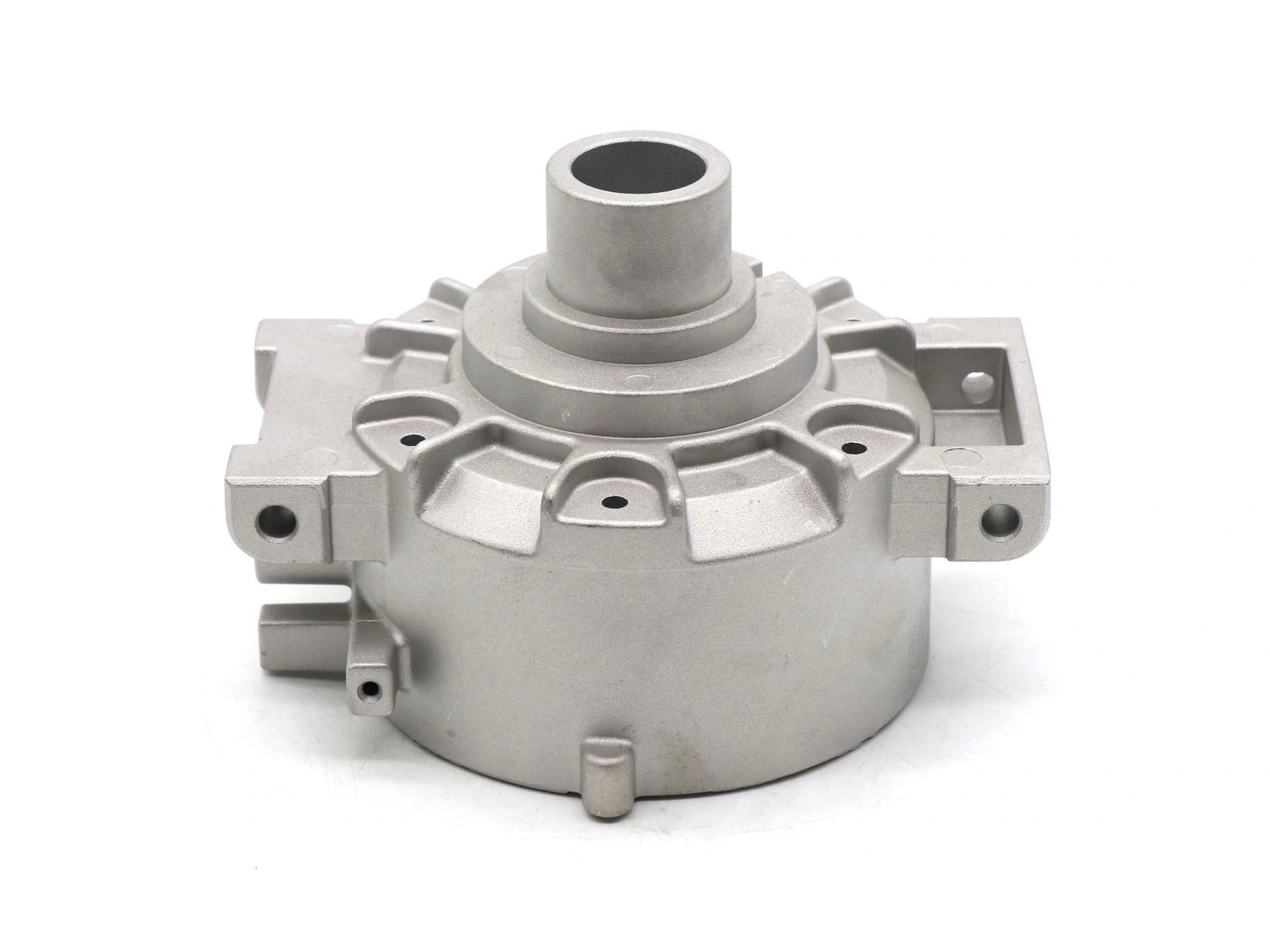
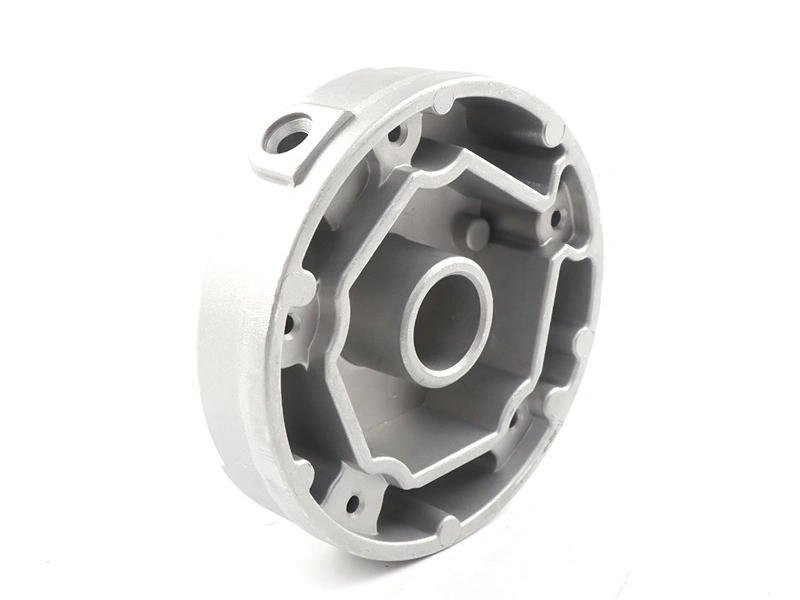
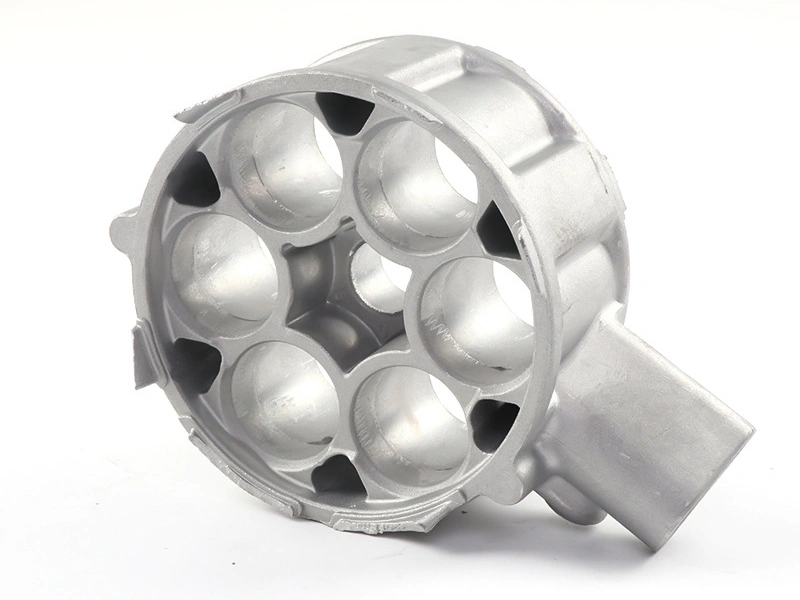
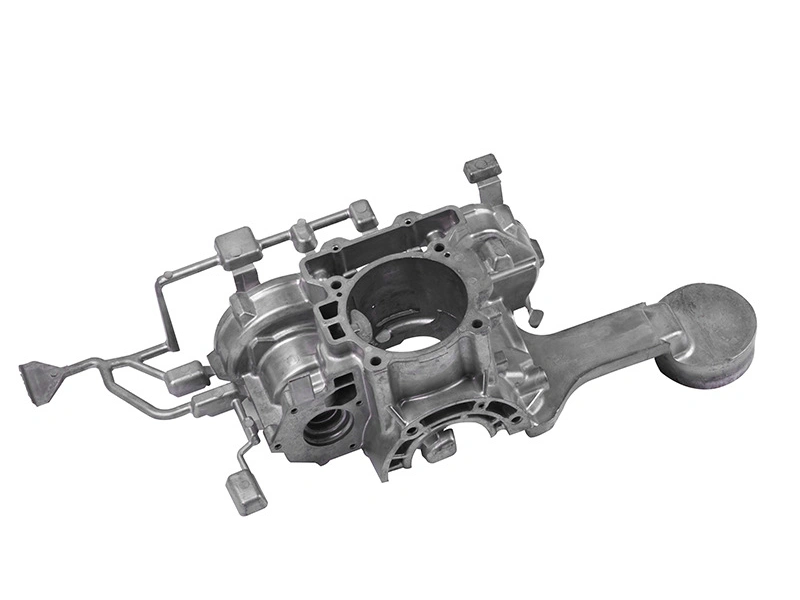
Suppliers can improve batch stability in aluminum pressure die casting by controlling tooling maintenance, casting parameters, mold temperature, CNC machining consistency, surface finishing standards, inspection methods, packaging and production feedback across repeat orders.
This FAQ is useful for buyers who need long-term purchasing of aluminum pressure die casting parts. For repeat orders, one approved sample is not enough. The supplier must keep dimensions, machined features, surface finish, burr level and packaging quality stable across batches.
1. Control Tooling and Casting Process Stability
Batch Stability Control | Supplier Should Manage | Buyer Risk Reduced |
|---|---|---|
Tooling maintenance record | Mold wear, flash growth, venting condition, cooling condition and repair history | Dimensional drift and unstable flash level |
Casting parameter stability | Filling, pressure, cycle condition and process consistency | Porosity, short filling and variable part quality |
Mold temperature control | Thermal balance, shrinkage control and dimensional repeatability | Warpage and batch dimensional variation |
Trimming and deburring standard | Gate removal, burr control, flash control and edge consistency | Assembly interference and cosmetic complaints |
2. Control CNC Machining and Surface Finish Repeatability
Long-term aluminum pressure die casting projects often require CNC machining after aluminum die casting and stable finishing. The supplier should standardize fixture setup, machining inspection, surface finish standards and cosmetic inspection.
Repeatability Area | What Supplier Should Control | Buyer Benefit |
|---|---|---|
CNC machining inspection | Holes, threads, sealing faces, datums, flatness and critical dimensions | Improves assembly and functional stability |
Surface finish consistency | Painting, powder coating, polishing, color, gloss, adhesion and texture | Reduces appearance variation |
Cosmetic inspection standard | Visible surfaces, allowed defects, inspection distance and lighting condition | Reduces subjective rejection |
Packaging protection | Scratch prevention, separation, anti-rubbing and shipping protection | Protects finished parts after inspection |
3. Use Batch Inspection and Production Feedback
Batch stability depends on continuous feedback. A long-term aluminum pressure die casting supplier should track defects, inspection results, tooling wear, machining changes and customer feedback across repeat orders.
Quality Control Item | What It Should Include | Long-Term Value |
|---|---|---|
Batch inspection report | Critical dimensions, machining results, surface finish and defect records | Improves quality traceability |
Defect tracking | Repeated defects, root causes, corrective actions and prevention plans | Reduces repeated quality issues |
Production change control | Tooling changes, machining fixture changes, finishing process changes and inspection updates | Prevents uncontrolled batch variation |
4. Compare Batch Stability Across Material Routes
A supplier with custom metal casting production capability can also compare aluminum batch stability with zinc die casting batch consistency or copper die casting production when future parts require different material performance.
5. Summary
Batch Stability Area | Main Purpose |
|---|---|
Tooling maintenance and casting parameters | Control dimensional stability and defect consistency |
Mold temperature, trimming and deburring | Reduce warpage, flash variation and burr issues |
CNC machining inspection | Maintain holes, threads, sealing faces and assembly dimensions |
Surface finish and cosmetic inspection | Keep appearance stable across repeat orders |
Batch reports and production feedback | Support long-term quality improvement and supply stability |
In summary, suppliers improve batch stability in aluminum pressure die casting by standardizing tooling, casting, CNC machining, finishing, inspection, packaging and feedback. Buyers with long-term orders should evaluate batch stability control, not only one approved sample.