How Do Aluminium Grades Affect Die Casting Strength and Weight?
How Do Aluminium Grades Affect Die Casting Strength and Weight?
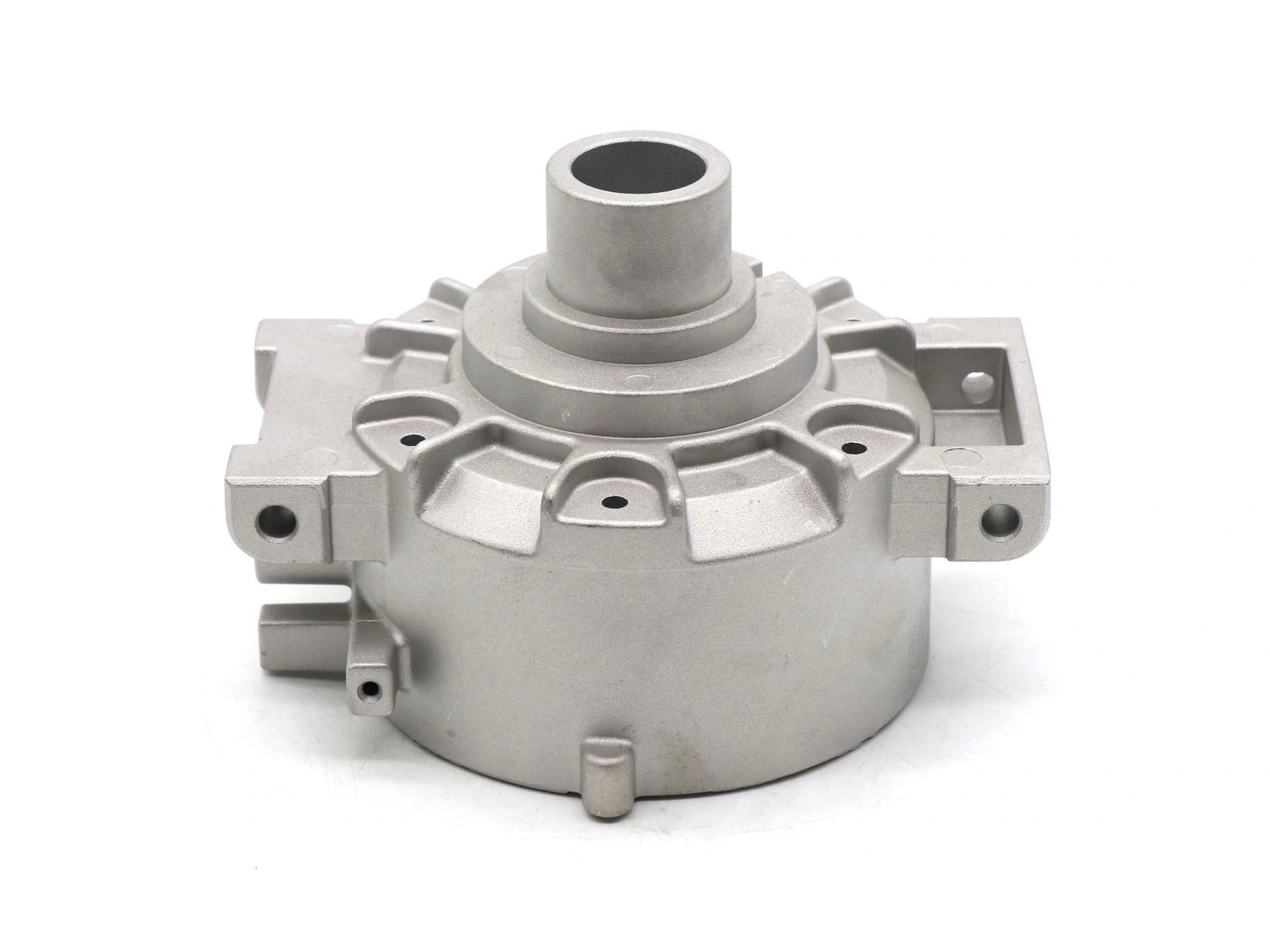
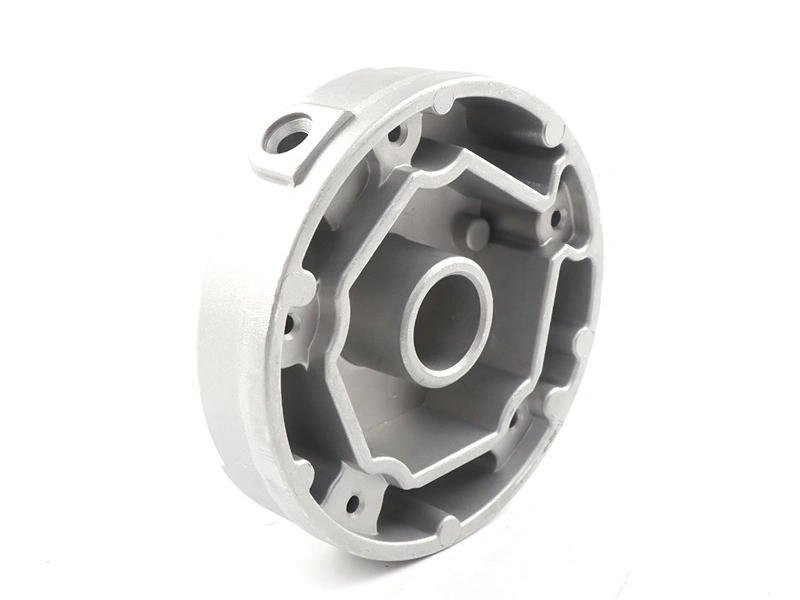
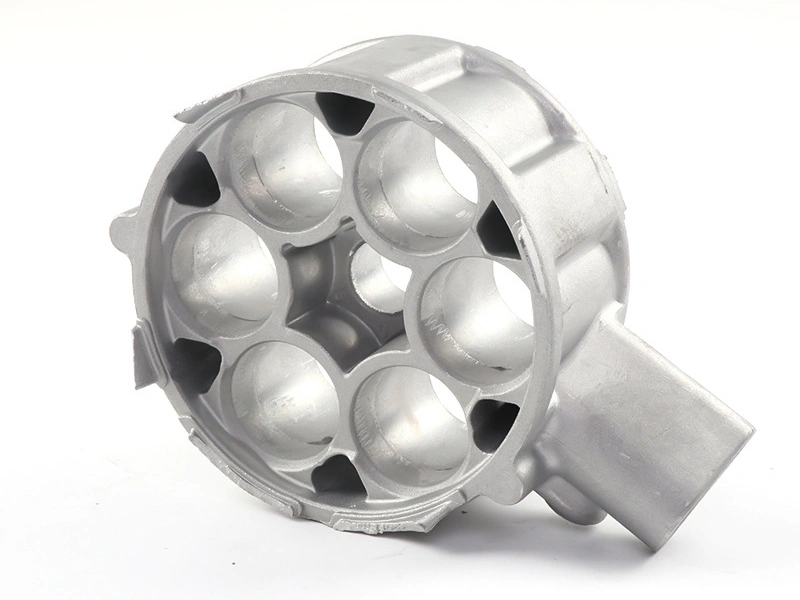
Aluminium grades for casting affect die casting strength, hardness, weight, wall thickness design, machining behavior, surface finish, and production stability. Different aluminum grades do not provide the same mechanical performance. Some grades are better for lightweight housings, some are better for strength and hardness, and some are better for flowability, thin-wall structures, heat dissipation, or cost-sensitive production.
For buyers, aluminum die casting material should be selected before quotation and tooling review. If the part is used for load-bearing, assembly, heat dissipation, vibration, or long-term service, material performance should be confirmed early instead of changing the grade after sample failure. A material change after tooling may affect shrinkage, flow, cooling, CNC machining, surface treatment, and final cost.
1. Why Aluminium Grades Affect Strength and Weight
Different aluminium grades have different strength, hardness, ductility, casting behavior, and thermal performance. The final part performance is not decided by material alone. It is also affected by wall thickness, ribs, bosses, part geometry, tooling design, cooling, CNC machining, and inspection control.
Material Factor | How It Affects the Part | Buyer Decision Point |
|---|---|---|
Strength | Affects load-bearing ability, assembly reliability, and long-term durability | Confirm load, vibration, impact, and fastening requirements |
Hardness | Affects wear resistance, contact surfaces, and local durability | Review contact areas, moving features, and assembly force |
Weight | Aluminum die casting supports lightweight structures, but wall thickness still matters | Balance target weight with strength and manufacturability |
Casting stability | Material flow and shrinkage affect filling, porosity, deformation, and yield | Review grade selection together with die casting tooling |
CNC machining behavior | Material hardness and stability affect machining cost and dimensional consistency | Confirm machined holes, threads, sealing faces, and datums early |
2. How Strength and Hardness Vary by Aluminium Grade
Some aluminium grades are selected for balanced castability and cost, while others are chosen for better strength, hardness, or durability. A stronger grade may help mechanical parts, but it may also increase cost, tooling difficulty, machining requirements, or process control needs.
Performance Need | Why Grade Selection Matters | Typical Buyer Concern |
|---|---|---|
Load-bearing strength | The grade must support working load and assembly force | Brackets, structural parts, housings, frames, and mounting features |
Higher hardness | Hardness can improve local wear resistance and surface durability | Contact areas, sliding areas, fastening points, and mechanical interfaces |
Ductility and toughness | Parts under vibration or impact may need better resistance to cracking | Automotive parts, industrial equipment, and mechanical components |
Stable production quality | The grade must be suitable for repeatable filling, cooling, and dimensional control | Mass production parts with consistent inspection requirements |
3. Why High Strength Does Not Always Mean Lowest Cost
High-strength aluminium grades can be valuable for structural parts, but they are not always the most economical choice. If the part does not carry high load, does not face strong impact, or only works as a cover or enclosure, a high-strength grade may increase cost without improving product value.
Material Choice | Possible Benefit | Possible Cost Risk |
|---|---|---|
Higher-strength grade | Improves mechanical performance for load-bearing parts | May increase material cost, machining difficulty, tooling complexity, or inspection needs |
General casting grade | May offer balanced cost, castability, and production stability | May not meet high-load or high-wear requirements |
Flow-focused grade | Can help thin-wall and complex geometry fill more reliably | May not be the best choice for all high-strength applications |
Cost-focused grade | Can reduce material cost for suitable parts | May increase risk if strength, surface finish, or machining needs are ignored |
4. How Lightweight Design Depends on Wall Thickness and Structure
Aluminum die casting is suitable for lightweight structures, but lightweight design is not only a material decision. Wall thickness, rib design, boss structure, hollow areas, and local reinforcement all affect final weight and strength.
If buyers reduce wall thickness too much, the part may become weak or difficult to fill. If walls are too thick, the part may become heavier and face shrinkage, porosity, or longer cooling time. The best design balances aluminium grade, wall thickness, tooling, and structural strength.
Design Factor | Impact on Strength and Weight | Better Practice |
|---|---|---|
Wall thickness | Controls weight, filling, strength, cooling, and shrinkage risk | Keep walls balanced and avoid sudden thick-to-thin transitions |
Ribs | Increase stiffness without making the whole part thicker | Use ribs to reinforce key areas while controlling weight |
Bosses | Support screws, inserts, and assembly loads | Design bosses with proper thickness, radius, and reinforcement |
Local reinforcement | Adds strength only where needed | Reinforce mounting areas instead of increasing full-part thickness |
5. Automotive, Industrial and Mechanical Parts Focus on Strength and Stability
Automotive, industrial equipment, and mechanical parts usually require strength, dimensional stability, vibration resistance, and reliable assembly performance. These parts should not use aluminium grades based only on price. The supplier should evaluate material, structure, wall thickness, tooling, CNC machining, and inspection together.
Application Type | Main Requirement | Material Selection Focus |
|---|---|---|
Automotive parts | Lightweight structure, vibration resistance, strength, and batch consistency | Balance strength, weight, tooling stability, and production repeatability |
Industrial equipment parts | Durability, mounting strength, corrosion resistance, and dimensional control | Review grade, wall thickness, surface treatment, and CNC machining needs |
Mechanical brackets | Load-bearing ability, stiffness, and assembly accuracy | Confirm load, fastening method, ribs, bosses, and machined holes |
Pump or motor housings | Sealing, mounting, thermal behavior, and functional reliability | Confirm material stability, sealing faces, datums, and machining allowance |
6. Electronic and Lighting Parts Focus on Weight, Heat and Appearance
Electronic housings and lighting parts often focus more on weight, heat dissipation, surface appearance, and coating quality. Aluminium grades for these applications should be evaluated together with thermal design, wall thickness, fins, surface area, polishing, painting, coating, and visible surface quality.
Application Type | Main Requirement | Material Selection Focus |
|---|---|---|
Electronic housings | Lightweight enclosure, protection, assembly fit, and heat control | Review weight, thermal needs, surface finish, and CNC machining areas |
LED lighting housings | Heat dissipation, appearance, coating, and stable mounting | Balance thermal structure, fins, coating, and casting stability |
Consumer-facing covers | Appearance, touch feel, color, and surface consistency | Confirm cosmetic surfaces, finish type, acceptable defects, and inspection method |
Thermal structures | Heat transfer, fin geometry, and lightweight performance | Review alloy, wall thickness, surface area, and finishing route together |
7. Why Material Performance Should Be Confirmed Before Quotation
If a part is used for load-bearing, assembly, heat dissipation, or long-term service, buyers should confirm material performance before quotation. Waiting until samples fail can lead to material changes, mold modification, new trials, higher CNC machining cost, surface treatment changes, and project delays.
Material performance should be reviewed before die casting tooling starts because the selected grade can affect flow, shrinkage, cooling, cavity compensation, machining allowance, and surface treatment results.
Late Material Change Risk | Possible Impact | Better Buyer Action |
|---|---|---|
Different shrinkage behavior | Final dimensions may shift after mold design | Confirm aluminium grade before tooling design |
Different material flow | Thin walls, ribs, or deep features may fill differently | Review material and part geometry during DFM |
Different machining behavior | Tool life, cutting time, and dimensional consistency may change | Confirm CNC machining areas and tolerance needs early |
Different surface treatment result | Polishing, painting, coating, or anodizing direction may not meet expectations | Confirm surface finish requirements before sample production |
8. What Buyers Should Provide for Strength and Weight Evaluation
To evaluate how aluminium grades affect strength and weight, buyers should provide 2D drawings, 3D models, product application, load requirements, target weight, wall thickness limits, heat dissipation needs, surface finish requirements, CNC machining areas, annual demand, and cost target.
Buyer Information | Why It Matters | How It Helps Material Selection |
|---|---|---|
Product application | Shows whether the part is structural, thermal, cosmetic, automotive, industrial, or electronic | Helps choose the right grade based on real use |
Load requirement | Defines strength, hardness, and durability needs | Helps avoid under-specifying or over-specifying material |
Target weight | Controls lightweight design direction | Helps balance wall thickness, ribs, and material performance |
Heat requirement | Thermal parts need material and geometry reviewed together | Helps select grade with heat dissipation and manufacturability in mind |
CNC machining areas | Machining behavior affects cost and dimensional consistency | Helps plan machining allowance, fixtures, tools, and inspection |
Annual demand and cost target | Production volume affects tooling, material cost, yield, and long-term unit cost | Helps balance grade performance with total project cost |
9. Summary
Question | Answer |
|---|---|
How do aluminium grades affect die casting strength? | Different grades have different strength, hardness, ductility, and stability, which affect load-bearing ability, assembly reliability, and long-term durability. |
How do aluminium grades affect weight? | Aluminum supports lightweight structures, but final weight also depends on wall thickness, ribs, bosses, and local reinforcement. |
Is high strength always the lowest-cost option? | No. High-strength grades may increase material, tooling, machining, or inspection cost when the part does not truly need them. |
What do automotive and industrial parts usually require? | They usually require strength, dimensional stability, assembly reliability, and stable production quality. |
What do electronic and lighting parts usually require? | They usually focus on lightweight design, heat dissipation, surface appearance, coating quality, and stable assembly. |
In summary, aluminium grades for casting directly affect die casting strength, hardness, weight, wall thickness, heat performance, CNC machining behavior, and production stability. High strength does not always mean the lowest cost, and lightweight design must still consider wall thickness and structural strength. For automotive, industrial equipment, mechanical parts, electronic housings, lighting parts, and long-term use applications, buyers should confirm material performance before quotation instead of changing the grade after sample failure.