How Do Aluminum Die Cast Prototypes Reduce Production Risk?
How Do Aluminum Die Cast Prototypes Reduce Production Risk?
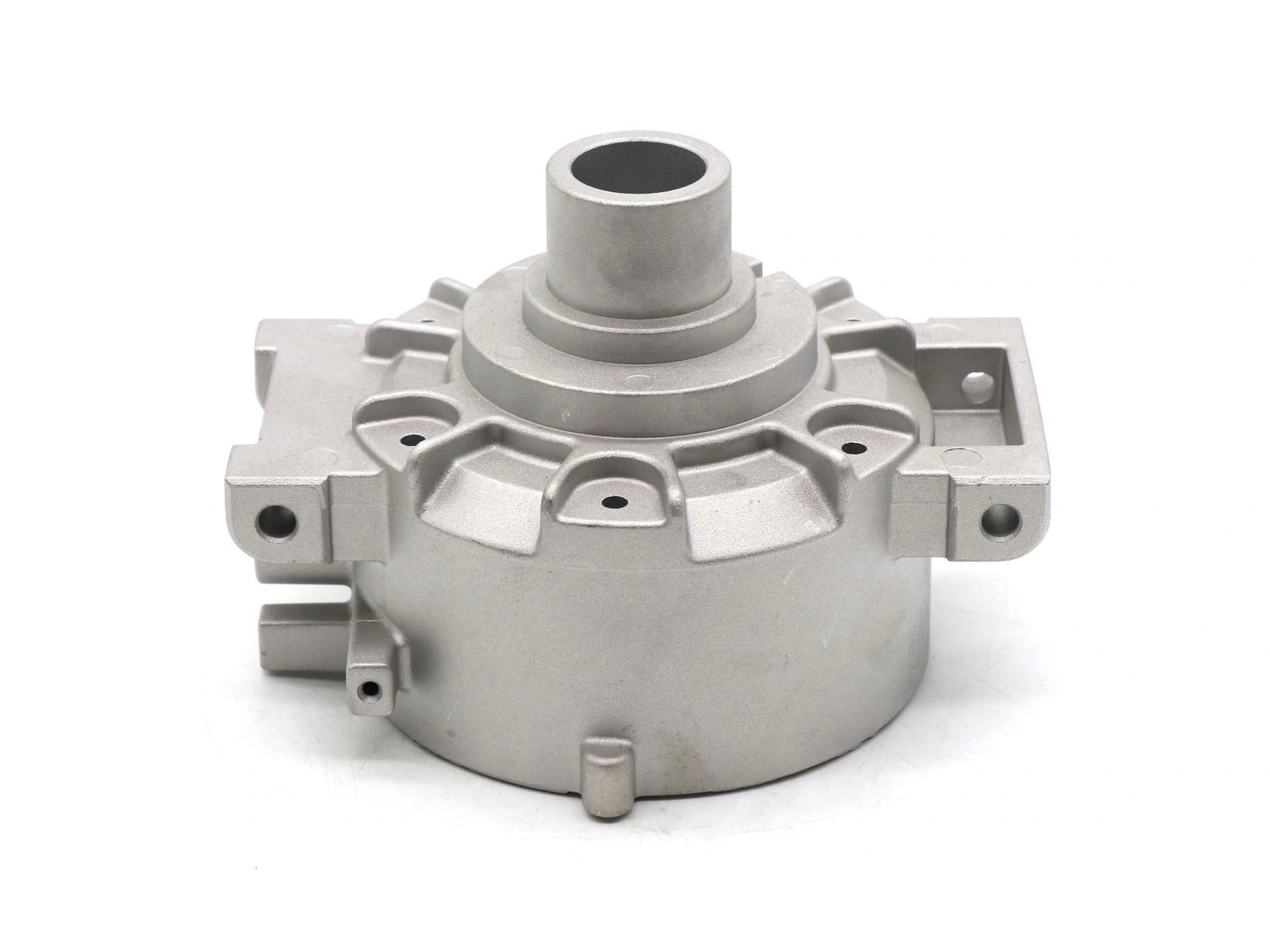
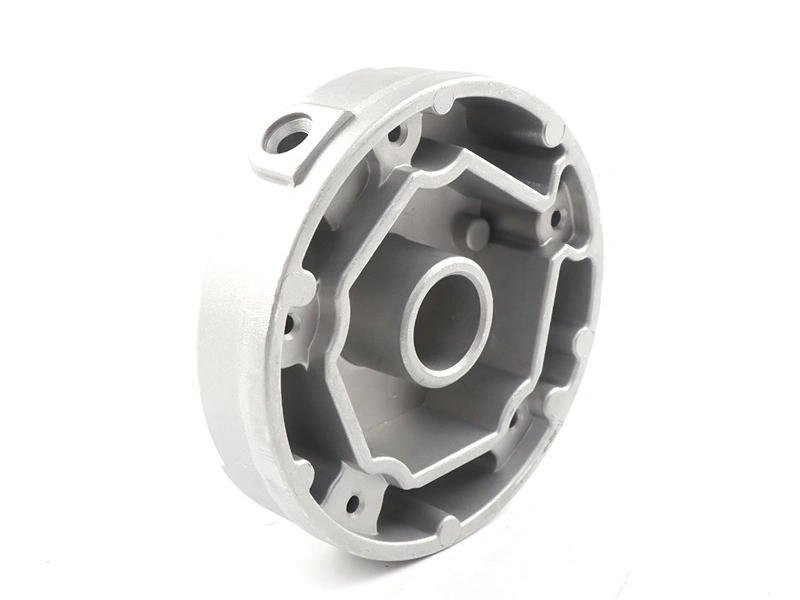
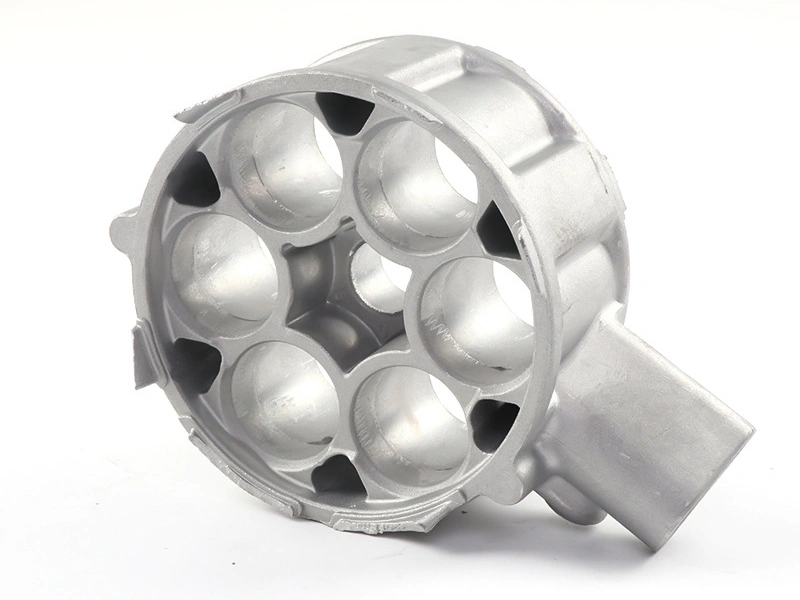
Aluminum die cast prototypes reduce production risk by helping buyers find structural problems, assembly interference, dimensional issues, material concerns, surface treatment risks, and CNC machining requirements before mass production. Instead of discovering problems after tooling or trial production, prototypes give buyers an earlier chance to validate the part and correct issues while changes are still easier to manage.
For automotive parts, electronic housings, lighting components, industrial equipment parts, and high-assembly-requirement products, prototype validation is an important step before large-scale aluminum die casting production. It helps reduce mold modification, sample failure, production delays, batch rework, and uncontrolled project cost.
1. Quick Overview: How Prototypes Reduce Risk
Risk Area | What Prototypes Help Check | Production Risk Reduced |
|---|---|---|
Part structure | Wall thickness, ribs, bosses, mounting areas, and overall geometry | Reduces design problems before tooling or production |
Assembly fit | Clearance, hole alignment, mating surfaces, screw positions, and interference | Reduces assembly failure and late design changes |
Key dimensions | Critical holes, threads, datums, sealing faces, and inspection points | Improves sample approval and batch consistency |
Material and surface finish | Strength, weight, machinability, polishing, coating, painting, and appearance quality | Reduces material mismatch and surface treatment disputes |
CNC machining areas | Post-machined holes, threads, sealing faces, mounting faces, and datums | Reduces machining rework and insufficient allowance risk |
Acceptance standards | Approved sample, cosmetic limits, inspection method, and functional requirements | Reduces quality disputes during mass production |
2. How Prototypes Find Structural Problems Early
Aluminum die cast prototypes help buyers review whether the part structure is practical before production. A 3D model may look acceptable, but a physical prototype can reveal problems with wall thickness, ribs, bosses, mounting points, sharp corners, deep pockets, and thin sections.
Finding these issues early helps reduce the risk of mold correction after die casting tooling has already started. This is especially important because structural changes after tooling can increase cost and delay the full project schedule.
Structural Issue | What Prototype Testing Shows | Risk Reduced |
|---|---|---|
Uneven wall thickness | Shows areas that may cause shrinkage, deformation, or weak sections | Reduces casting defects and tooling modification |
Weak ribs or bosses | Checks whether support features can handle assembly and product load | Reduces cracking, fastening failure, and redesign risk |
Complex geometry | Reveals difficult undercuts, deep areas, thin walls, or hard-to-manufacture details | Reduces tooling complexity and sample failure |
Mounting structure problems | Checks whether mounting features are strong and correctly positioned | Reduces assembly and functional failure |
3. How Prototypes Reveal Assembly Interference
Assembly interference is one of the most common risks in custom aluminum die cast parts. Aluminum die cast prototypes allow buyers to test the part with screws, covers, brackets, connectors, inserts, seals, and mating components before mass production.
If interference, misalignment, or clearance problems are found during prototype validation, the design can still be adjusted before final tooling or production release.
Assembly Area | Prototype Validation Purpose | Buyer Benefit |
|---|---|---|
Hole alignment | Checks whether screws, pins, and fasteners match mating parts | Reduces assembly delay and rework |
Mating surfaces | Checks contact, clearance, and fit between parts | Improves product assembly reliability |
Sealing areas | Checks whether gasket or contact areas require machining or surface control | Reduces leakage and functional failure risk |
Fastening features | Tests thread locations, boss strength, inserts, and tightening force | Improves assembly strength and durability |
4. How Prototypes Help Check Key Dimensions
Aluminum die cast prototypes help buyers check critical dimensions before batch production. These may include mounting holes, threaded holes, sealing faces, flange faces, datums, wall thickness, and assembly interfaces. If these dimensions are not validated early, the project may face sample rejection, production rework, or inspection disputes.
Key Dimension | Why It Matters | Risk Reduced |
|---|---|---|
Mounting holes | Control assembly position and fastening accuracy | Reduces hole mismatch and rework |
Threaded holes | Affect screw strength, depth, and final assembly reliability | Reduces fastening failure |
Sealing faces | Need flatness and surface control for sealing performance | Reduces leakage and functional failure |
Datums | Define machining, inspection, and assembly reference points | Improves dimensional consistency |
5. How Prototypes Validate Material and Surface Treatment
Material and surface treatment choices can affect strength, weight, machinability, corrosion resistance, appearance, coating adhesion, polishing result, and inspection acceptance. Aluminum die cast prototypes help buyers check whether the selected material and surface finish route are suitable before larger production investment.
For appearance-critical parts, prototypes can test polishing, coating, painting, roughness, color, visible defects, and cosmetic acceptance standards before production batches are released.
Validation Area | What Buyers Can Check | Risk Reduced |
|---|---|---|
Material choice | Strength, weight, machining behavior, and product suitability | Reduces late material change risk |
Polishing | Surface smoothness, burr removal, parting line impact, and cosmetic quality | Reduces appearance rework |
Coating or painting | Color, gloss, texture, adhesion, coating thickness, and visible defects | Reduces coating failure and finish disputes |
Corrosion or durability need | Whether surface treatment matches the product environment | Reduces field performance risk |
6. How Prototypes Help Define CNC Machining Areas
Most aluminum die cast parts do not need CNC machining on every surface. Prototypes help buyers identify which areas need post-machining and which areas can remain as-cast or only receive surface treatment. This reduces unnecessary machining cost while protecting important functional features.
CNC Machining Area | Why It May Need Machining | Prototype Benefit |
|---|---|---|
Mounting holes | Need accurate size and position for assembly | Confirms whether post-machining is required |
Threads | Need controlled depth, strength, and fastening performance | Helps define tapping or thread machining requirements |
Sealing faces | Need controlled flatness and roughness | Confirms machining allowance and inspection needs |
Assembly datums | Need stable references for machining, inspection, and final fit | Improves fixture planning and dimensional control |
7. How Prototypes Reduce Mold Modification and Trial Production Failure
Prototype validation helps reduce the number of mold changes by confirming design, material, surface treatment, machining areas, and assembly requirements before tooling decisions become expensive. If issues are found after the production mold is already made, corrections may require tooling repair, extra trials, longer lead time, and higher project cost.
Production Risk | How Prototype Validation Helps | Buyer Benefit |
|---|---|---|
Mold modification | Finds design and assembly issues before tooling is finalized | Reduces tooling repair cost and delay |
Trial production failure | Confirms key features and sample standards before production release | Reduces failed samples and repeated trials |
Surface finish rejection | Tests polishing, coating, painting, and appearance standards early | Reduces cosmetic disputes and finish rework |
Batch rework | Clarifies dimensions, assembly, and inspection rules before scaling | Improves mass production stability |
8. How Prototypes Help Confirm Acceptance Standards
Aluminum die cast prototypes help buyers and suppliers define what an acceptable production part should look like and how it should perform. This includes dimensions, surface appearance, machining areas, coating quality, assembly fit, acceptable defects, and inspection methods.
Once an approved prototype or sample standard is confirmed, it becomes easier to control mass production quality and reduce disputes during delivery inspection.
Acceptance Standard | What Should Be Confirmed | Why It Reduces Risk |
|---|---|---|
Dimensional standard | Critical dimensions, datums, tolerances, and inspection points | Reduces measurement disputes |
Appearance standard | Cosmetic surfaces, scratches, pores, parting lines, coating marks, and color limits | Reduces visual rejection risk |
Assembly standard | Fit, fastening, sealing, clearance, and functional checks | Reduces assembly failure |
Surface treatment standard | Polishing level, coating thickness, painting color, gloss, texture, and adhesion | Improves finish consistency across batches |
9. Summary
How Aluminum Die Cast Prototypes Reduce Risk | Main Benefit |
|---|---|
Find structural problems early | Reduces design errors before tooling and production |
Reveal assembly interference | Reduces misalignment, clearance issues, and late redesign |
Check key dimensions | Improves sample approval, inspection control, and batch consistency |
Validate material and surface treatment | Reduces material mismatch, appearance disputes, and finishing rework |
Define CNC machining areas | Reduces unnecessary machining and protects critical functional surfaces |
Lower mold modification frequency | Reduces tooling repair cost and project delay |
Reduce trial production failure | Improves production readiness before scaling |
Confirm acceptance standards | Reduces disputes during inspection and mass production delivery |
In summary, aluminum die cast prototypes reduce production risk by helping buyers find structural issues, assembly interference, dimensional problems, material concerns, surface treatment risks, CNC machining needs, and acceptance standard gaps before mass production. For automotive parts, electronic housings, lighting components, industrial equipment parts, and high-assembly-requirement products, prototype validation can improve manufacturability, reduce mold modification, prevent trial production failure, and control project cost before aluminum die casting production scales.