How Do Casting Aluminum Alloys Affect CNC Machining and Surface Finishing?
How Do Casting Aluminum Alloys Affect CNC Machining and Surface Finishing?
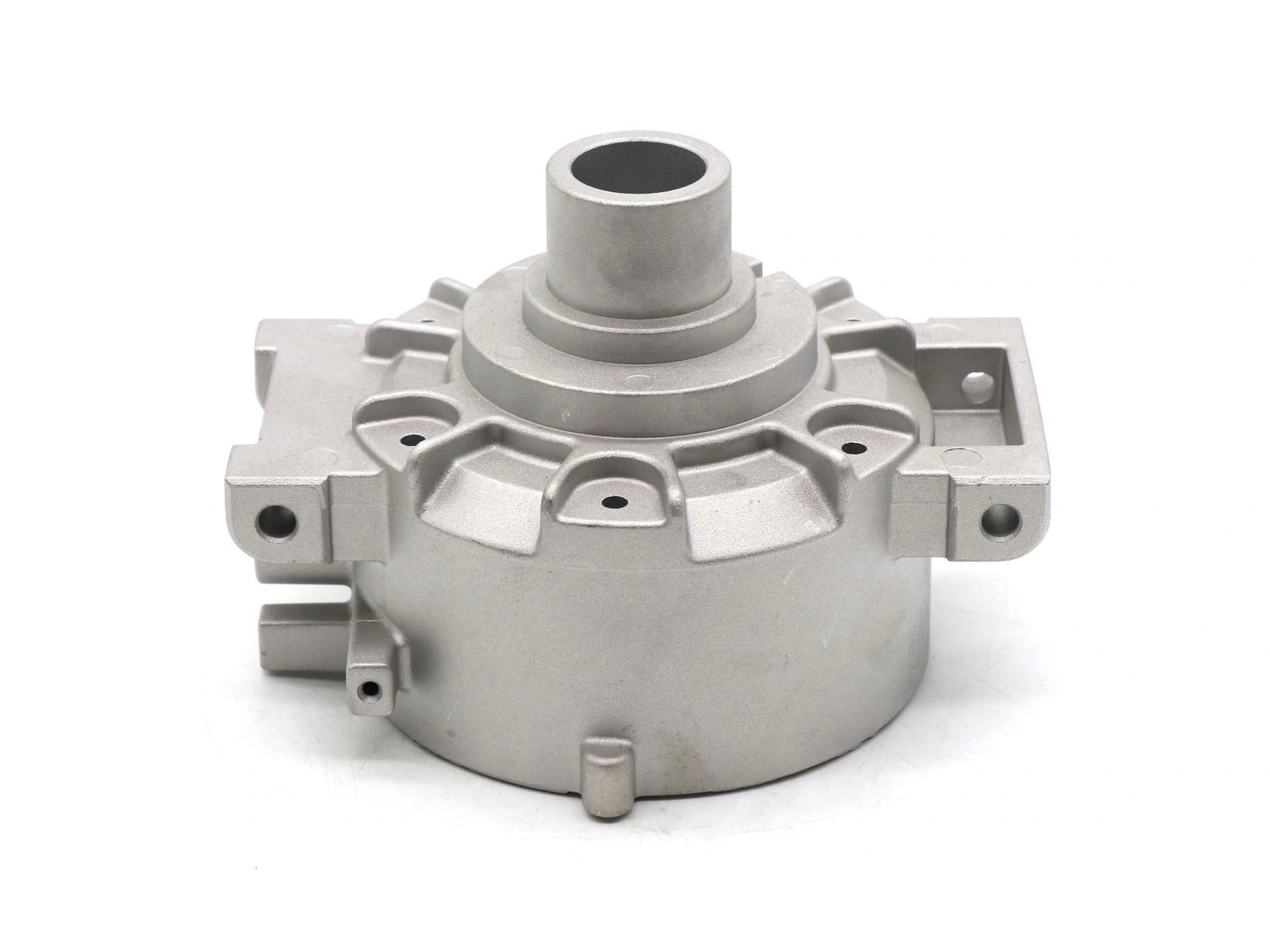
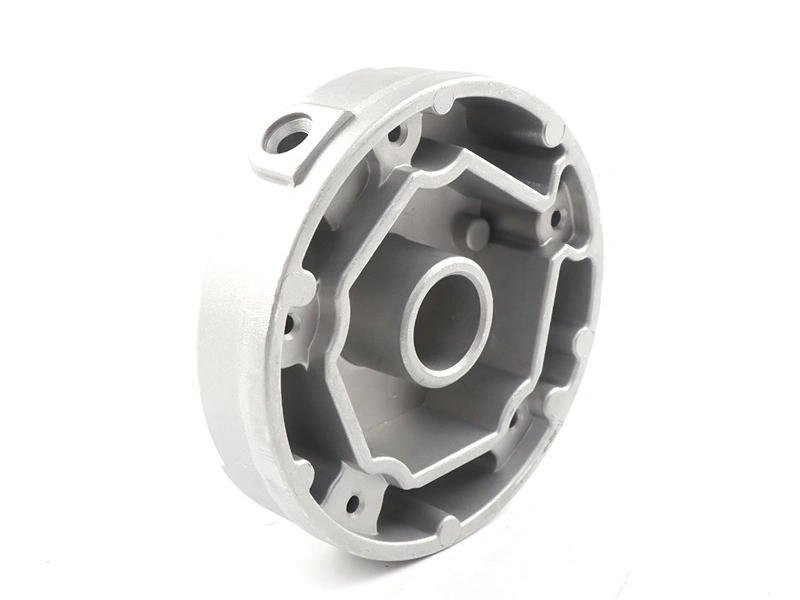
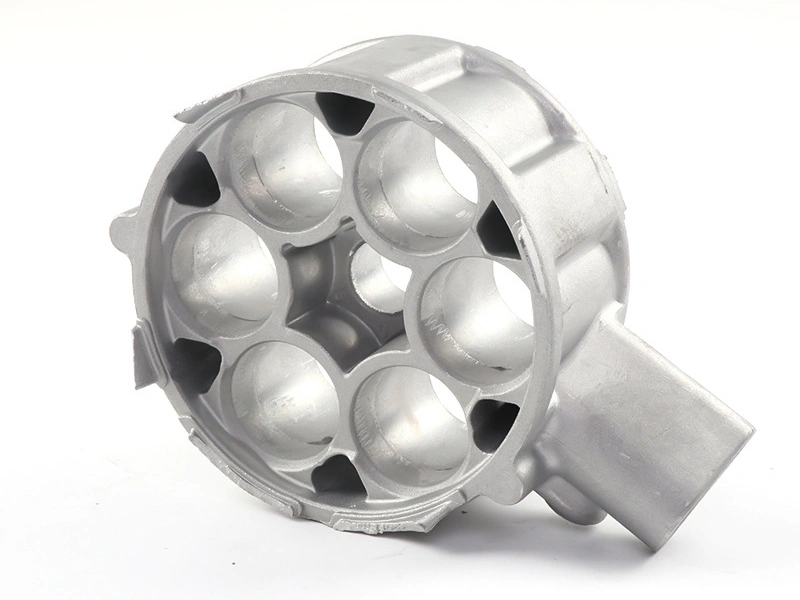
Casting aluminum alloys affect CNC machining and surface finishing because alloy chemistry, casting quality, porosity, hardness direction, silicon content, surface texture and heat history can change how the part machines, coats, polishes or visually appears. Buyers should review machining and finishing before tooling, not after the first casting batch is complete.
Many aluminum die cast parts need CNC machining for threaded holes, mounting pads, bearing bores, sealing faces, datum surfaces and tight tolerance features. Many also need powder coating, painting, chromate conversion, polishing, clear coating or another finish. If the alloy and casting route are not compatible with these secondary steps, the project can fail after the raw casting looks acceptable.
For machining review, aluminium grades and CNC machining after casting helps buyers understand why material choice affects post-machining results.
Selected faces may need 0.5-2.0 mm machining stock, and powder coating may add 60-120 micrometers. Silicon-rich die casting alloys can also show darker or uneven anodized appearance. Buyers should machine and finish representative cast samples before locking cosmetic or sealing acceptance.
CNC Machining Impact
Different aluminum casting alloys can behave differently under machining. Tool wear, burr formation, surface finish, chip behavior and dimensional stability can change. Porosity can become visible when sealing faces or flat mounting pads are machined. If machining allowance is too small, the final surface may not clean up. If allowance is too large, cycle time and cost increase.
Buyers should define machined surfaces before tooling. The supplier needs to know which holes are tapped, which bores are reamed, which faces are sealed, which datums are used and which tolerances are critical. This allows the die to include practical stock and lets the supplier design fixtures around the real inspection requirement.
Surface Finishing Impact
Surface finishing depends on both alloy and casting quality. Powder coating and painting can improve appearance and corrosion protection, but they do not remove major casting defects. Polishing may improve visible surfaces, but it can expose pores or round edges if not controlled. Chromate conversion or clear coating may require clean surfaces and controlled preparation. Anodizing compatibility should be reviewed carefully because die cast alloys do not always behave like wrought aluminum.
For finish compatibility, aluminium grades and surface treatments helps buyers connect material direction with surface finishing results.
Secondary Process | Alloy-Related Concern | Buyer Check |
|---|---|---|
CNC machining | Tool wear, burrs, porosity exposure and cleanup stock | Define machined areas and allowance |
Thread tapping | Boss strength, hole position and coating buildup | Use thread gauges after finishing if needed |
Powder coating | Thickness, adhesion and masking | Approve coating sample and masked surfaces |
Painting | Surface defects and color consistency | Define visible surfaces and defect standard |
Polishing | Pores, parting lines and access limits | Validate on real castings |
Machining and Finishing Sequence
The sequence matters. Some surfaces should be machined before finishing and then masked. Some faces may be machined after coating if the finish must not cover them. Some parts require deburring before coating so loose edges do not cause finish defects. The quote should show the process order instead of listing secondary operations without sequence.
Buyers should ask whether inspection occurs before or after finishing. Threads, bores and mating faces may pass before coating but fail after coating buildup. A finish sample may look acceptable but fail if machined surfaces are damaged during handling. These issues can be prevented with a clear process route.
Approval Before Repeat Production
Before repeat production, buyers should approve machined dimensions, finish samples, coating thickness if required, masking areas, visual defect standards and packaging protection. A finished part should be judged as a finished part, not as a raw casting plus separate assumptions.
Common Mistakes Buyers Should Avoid
One common mistake is approving a raw casting and assuming machining and finishing will work later. Another is approving a machined sample without checking coating or masking. A third is approving a coating coupon instead of a real die cast part. Each shortcut can hide a different risk: porosity exposure, coating buildup, poor adhesion, cosmetic defects or damaged machined faces.
Buyers should ask for samples that represent the real process route. If the production part will be cast, machined, coated, inspected and packaged, the sample approval should include those steps. This is the best way to see how the chosen casting aluminum alloy behaves as a finished part.
What to Lock After Approval
After approval, the buyer should lock the alloy, drawing revision, machining features, finish sample, masking areas, inspection checklist and packaging method. This prevents repeat orders from changing the process quietly. If the alloy or finish route changes later, the affected machining and surface checks should be reviewed again.
This record is especially useful when the part has both cosmetic and functional requirements. It helps the supplier know which surfaces must look good and which features must pass gauges or assembly checks.
Neway can coordinate casting aluminum alloy choice with CNC machining, surface finishing and inspection. This helps buyers avoid the common problem where material, machining and finish decisions are made separately and then conflict during production.