How Do Heat Dissipation Needs Change Die Cast Aluminum Part Design?
How Do Heat Dissipation Needs Change Die Cast Aluminum Part Design?
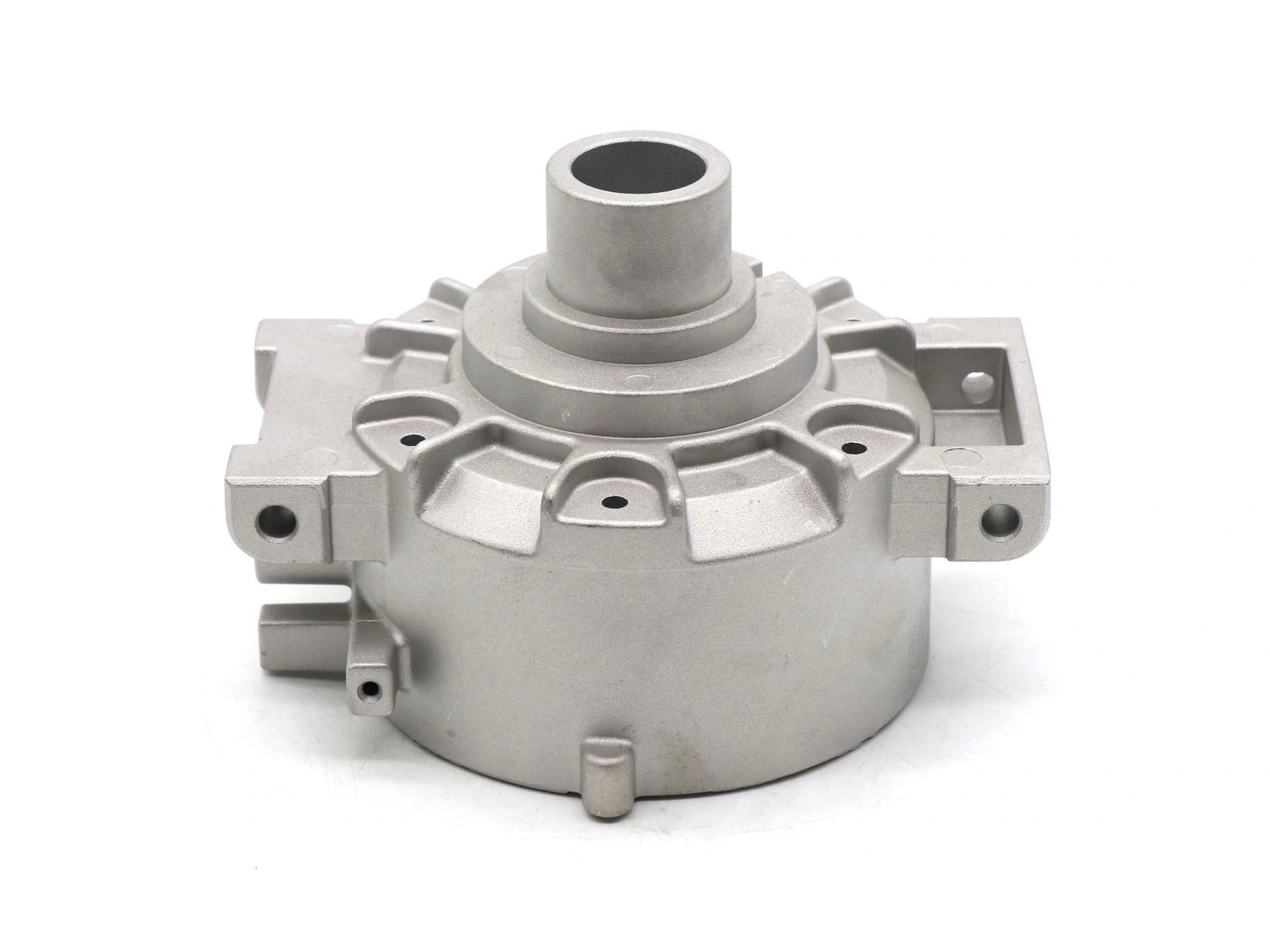
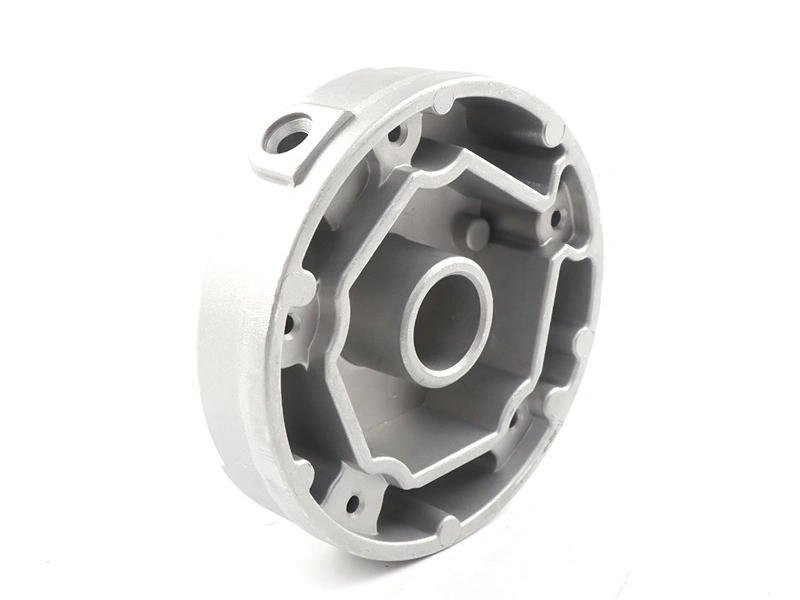
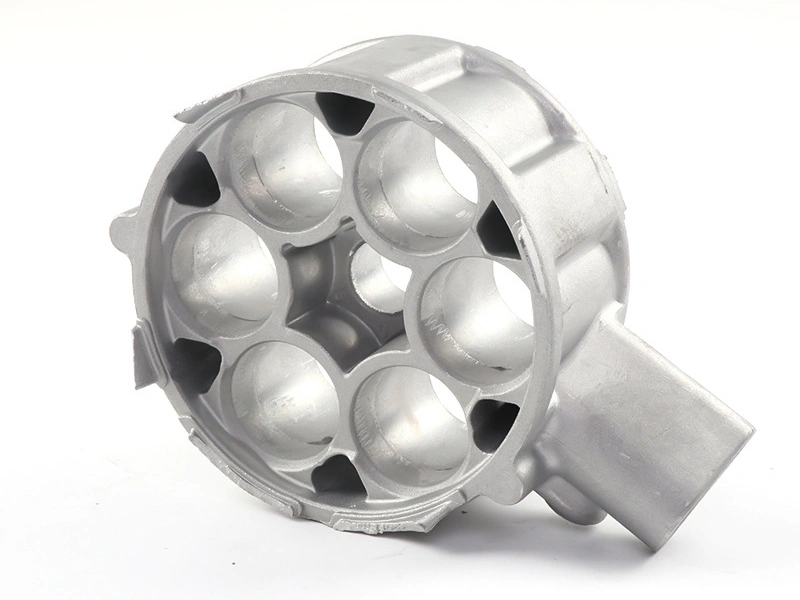
Heat dissipation needs can change the wall thickness, rib structure, mounting contact surfaces, tooling strategy, CNC machining areas and surface finishing requirements of die cast aluminum parts for heat dissipation. For lighting housings, electronic enclosures, motor covers and aluminum heat sink housings, buyers should evaluate thermal performance, strength, casting stability and post-machining together.
Adding more ribs is not always the best solution. The design must balance heat transfer area, filling stability, strength, tooling feasibility, CNC machining for heat transfer surfaces and final surface treatment requirements.
1. Heat Dissipation Affects Wall Thickness and Rib Design
Design Area | How Heat Dissipation Affects It | Buyer Risk if Ignored |
|---|---|---|
Wall thickness | Must support thermal transfer while remaining suitable for aluminum die casting | Shrinkage, porosity, weak structure or poor filling |
Cooling ribs | Increase heat dissipation area but must not be too thin, too thick or difficult to fill | Broken ribs, incomplete filling or unstable batch quality |
Thermal contact areas | May require stable flatness and controlled roughness | Poor heat transfer and assembly contact problems |
Structural strength | Thermal design must still support mounting, fastening and product load | Cracking, deformation or assembly failure |
2. Tooling Must Support Complex Thermal Structures
For heat sink housings and thermal parts, tooling for aluminum die cast parts must consider ribs, thin sections, metal flow, venting, cooling and ejection. Poor tooling planning can cause porosity, short filling, flow marks and dimensional instability.
Tooling Factor | Why It Matters | Quality Risk Reduced |
|---|---|---|
Gate and runner design | Helps molten aluminum fill thin ribs and complex housing areas | Incomplete filling and visible flow marks |
Venting planning | Allows trapped air to escape during high-speed filling | Porosity and weak thermal contact areas |
Cooling balance | Controls shrinkage and deformation around thick and thin sections | Warpage, sink marks and unstable dimensions |
Ejection planning | Protects ribs, visible surfaces and mounting areas during part release | Rib damage, ejector marks and surface defects |
3. CNC Machining May Be Needed for Heat Transfer Surfaces
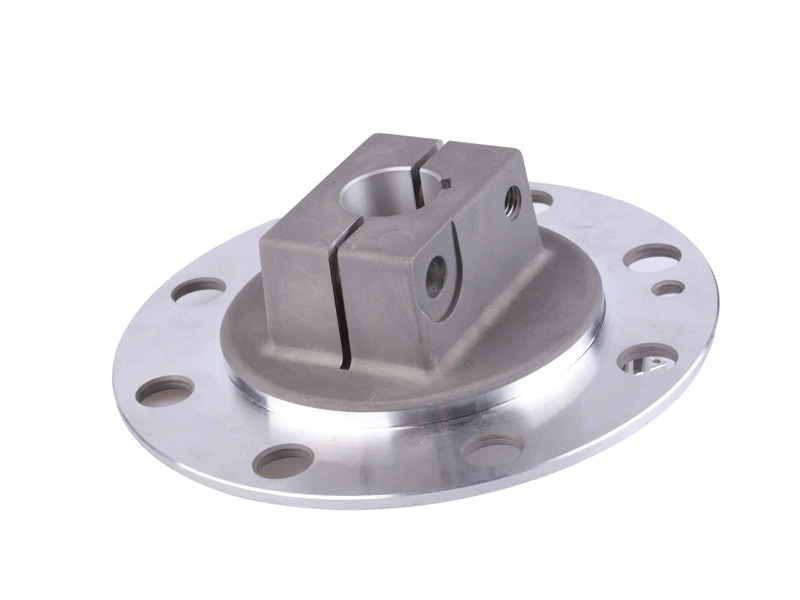
Die casting can form the main housing and rib structure, but thermal contact faces, mounting faces, screw holes and datum surfaces may need CNC machining. Machining helps improve contact flatness, assembly fit and heat transfer reliability.
Machined Area | Why It May Be Needed | Buyer Should Define |
|---|---|---|
Thermal contact surface | Controls flatness and contact quality | Flatness, roughness and inspection method |
Mounting holes | Controls assembly position and fastening accuracy | Hole size, position tolerance and thread requirement |
Datum surfaces | Supports stable machining, inspection and assembly | Datum location and tolerance standard |
Sealing or cover faces | May need stable surface quality for enclosure assembly | Flatness, surface finish and sealing requirement |
4. Surface Treatment Should Match Function and Appearance
Surface treatment can affect appearance, corrosion protection and finished part acceptance. Buyers should confirm whether the part needs painting, powder coating, polishing, anodizing suitability review or other finishing before tooling and sample approval.
Surface Requirement | Why It Matters | Buyer Benefit |
|---|---|---|
Appearance finish | Lighting housings and electronic enclosures often have visible surfaces | Improves customer acceptance |
Corrosion protection | Outdoor or industrial parts may need coating protection | Improves service reliability |
Coating thickness | May affect assembly fit and thermal contact areas | Reduces fit problems after finishing |
Surface inspection | Checks scratches, pores, flow marks and coating defects | Reduces production disputes |
5. Compare Material Options for Thermal or Precision Parts
Aluminum is often suitable for lightweight heat dissipation housings, but some projects may need comparison with copper die casting for thermal parts when stronger thermal or electrical performance is required. For smaller precision components, zinc die casting for precision parts may also be reviewed. A custom metal casting review helps buyers choose the right route.
6. Summary
Heat Dissipation Design Factor | Main Impact |
|---|---|
Wall thickness and ribs | Affect thermal area, strength and casting stability |
Tooling design | Controls filling, venting, cooling and rib quality |
CNC machined contact surfaces | Improve flatness, assembly fit and heat transfer contact |
Surface treatment | Controls appearance, protection and final acceptance |
In summary, heat dissipation needs should be considered together with strength, tooling, CNC machining and surface finishing. For aluminum heat sink housings, lighting housings, motor covers and electronic enclosures, buyers should not only add more ribs, but also confirm manufacturability and production stability.