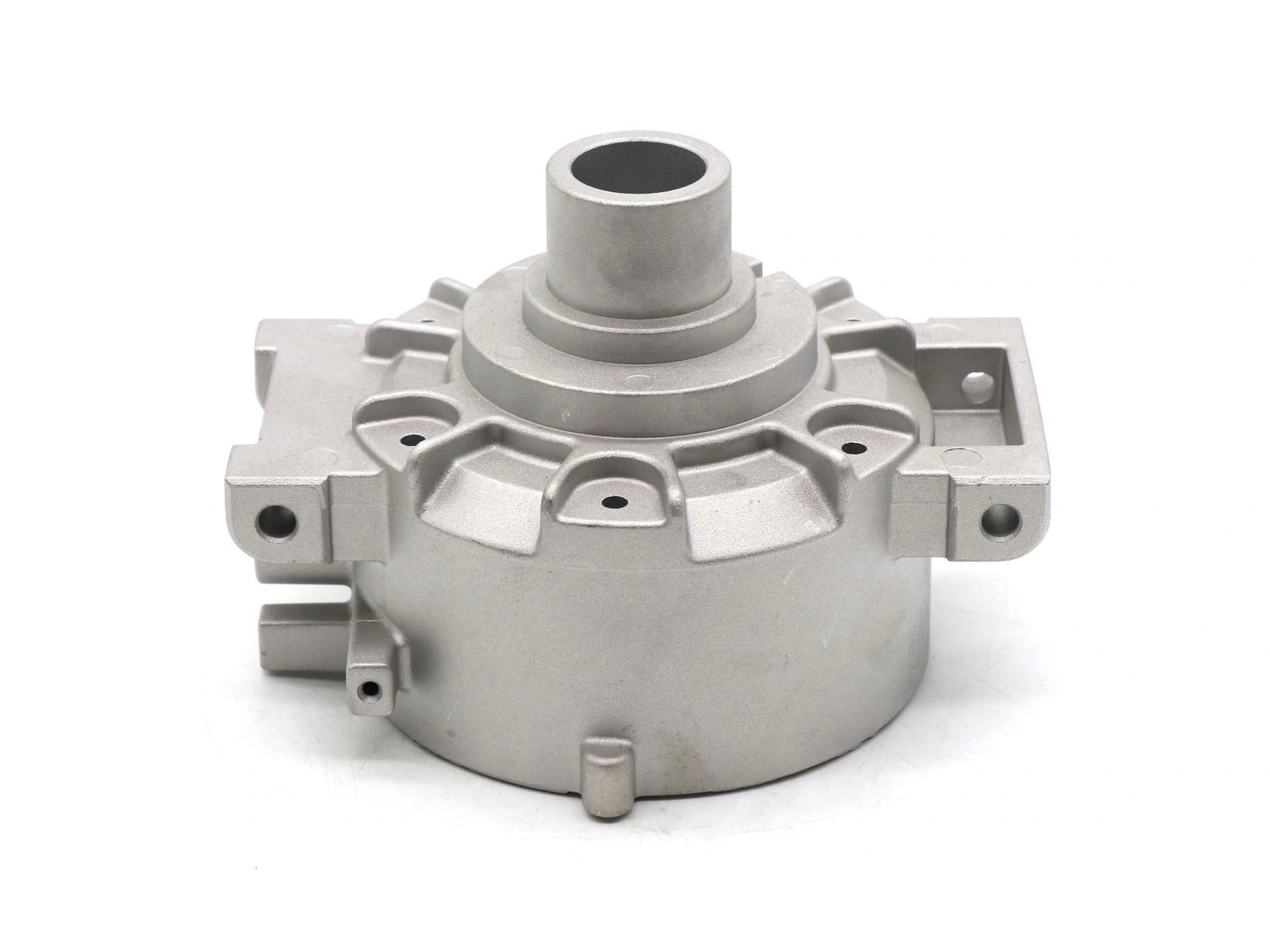
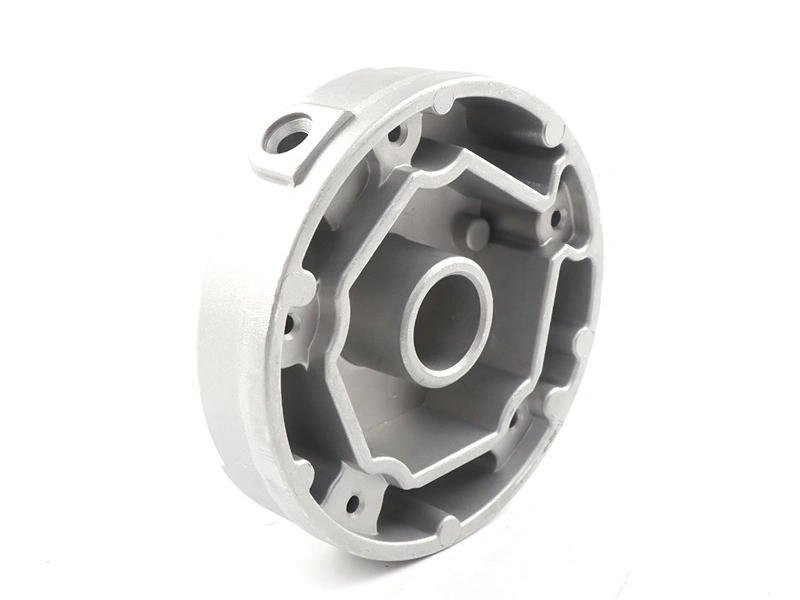
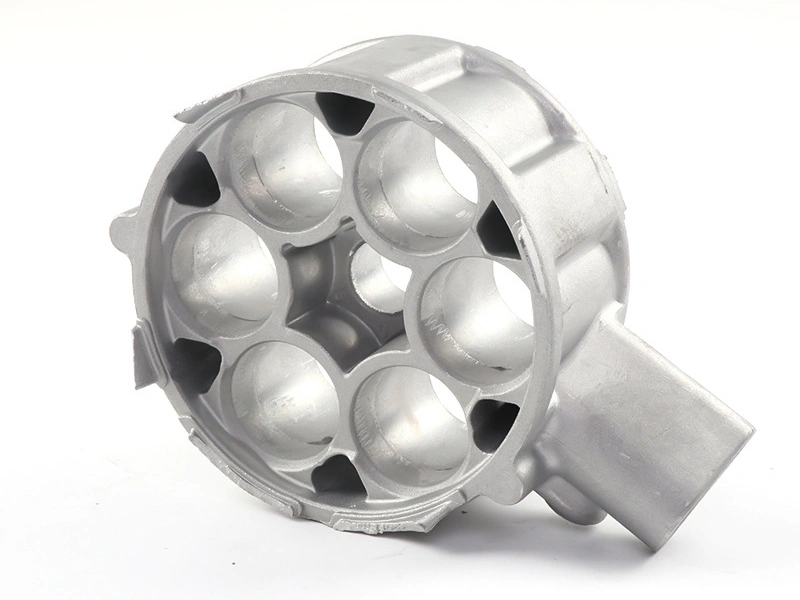
How Do Surface Treatments Affect Aluminum Die Casting Cost?
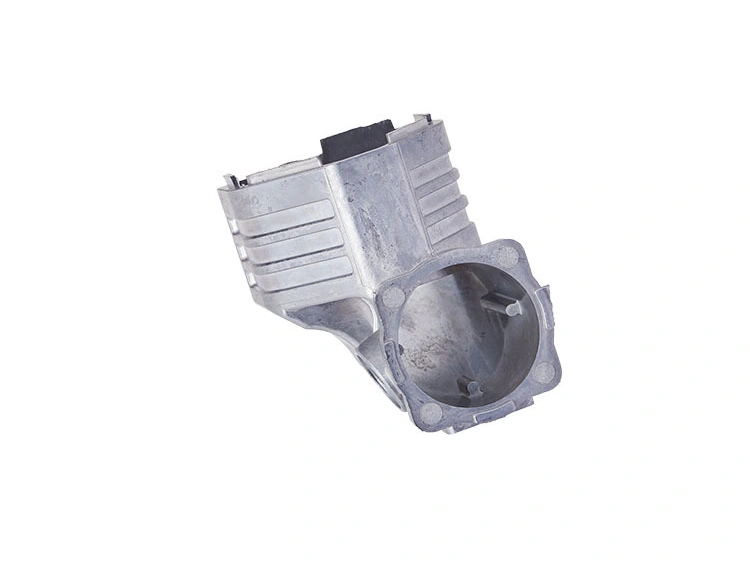
How Do Surface Treatments Affect Aluminum Die Casting Cost?
Aluminum surface treatments can significantly affect aluminum die casting cost because they add process steps after casting, such as polishing, deburring, painting, powder coating, plating, corrosion testing, color matching, masking, inspection, and packaging protection. The final cost depends on the surface treatment type, appearance grade, treatment area, manual labor, coating requirement, defect rate, inspection standard, and whether CNC machining is needed before finishing.
Buyers do not need to define every surface as a high-grade cosmetic surface. A more cost-effective approach is to separate cosmetic surfaces, functional surfaces, and non-visible surfaces in the drawing or RFQ. This helps the supplier quote more accurately, avoid unnecessary finishing work, and control the total cost of custom aluminum die cast parts.
1. Key Cost Factors in Aluminum Surface Treatments
Cost Factor | How It Affects Cost | Buyer Cost Control Method |
|---|---|---|
Surface treatment type | Different finishes have different process, labor, material, and inspection costs | Choose the finish based on use environment and product function |
Appearance grade | Higher cosmetic standards require more polishing, preparation, and inspection | Apply high appearance grade only to visible surfaces |
Treatment area | Larger finished areas increase labor, coating use, and inspection time | Mark cosmetic, functional, and non-visible areas clearly |
Manual polishing | Complex shapes, curved surfaces, grooves, and edges may need hand work | Avoid unnecessary polishing on hidden or non-critical surfaces |
Corrosion testing | Salt spray, adhesion, or coating tests add inspection and validation cost | Define test standards only when the application requires them |
CNC machining before finishing | Machined holes, threads, sealing faces, and datums add machining and inspection cost | Confirm which functional areas need machining before surface treatment |
2. How Surface Treatment Type Affects Cost
The selected surface treatment has a direct impact on aluminum die casting cost. Basic deburring or simple painting usually costs less than high-grade polishing, powder coating with strict corrosion testing, plating, or finish processes that require tight cosmetic inspection.
Surface Treatment | Cost Impact | Best Use Case |
|---|---|---|
Deburring | Usually lower cost because it mainly removes burrs, sharp edges, and flash | Assembly areas, handled edges, holes, and trimming areas |
Polishing | Cost depends on polishing area, appearance level, geometry, and manual labor | Visible surfaces, hand-contact areas, and pre-coating preparation |
Painting | Cost depends on color, surface preparation, gloss, masking, and inspection | Consumer housings, covers, appearance parts, and branded components |
Powder coating | Can cost more when coating thickness, corrosion resistance, and masking are required | Outdoor parts, industrial housings, brackets, and wear-exposed parts |
Plating | Can add higher preparation, process control, inspection, and rejection cost | Special decorative or functional surface requirements |
Anodizing direction | Cost and feasibility depend on alloy, casting quality, porosity, and cosmetic expectation | Selected aluminum die cast parts where alloy and surface quality are suitable |
3. How Appearance Grade and Treatment Area Change Cost
Appearance grade and treatment area are two of the biggest cost drivers. A small visible cover surface is easier to finish than a full housing with curves, ribs, grooves, corners, and multiple visible sides. If every surface is treated as cosmetic, cost and lead time can increase quickly.
Surface Requirement | Cost Result | Better Buyer Practice |
|---|---|---|
Only visible surfaces require high appearance | More controlled cost | Mark cosmetic surfaces clearly on drawings |
All surfaces require cosmetic finishing | Higher polishing, coating, and inspection cost | Use only when every surface is visible or customer-facing |
Hidden surfaces use standard finish | Lower unnecessary processing cost | Mark non-visible areas as non-cosmetic |
Functional surfaces need special control | May require machining, masking, or controlled finishing | Separate functional surfaces from cosmetic surfaces |
4. Why Manual Polishing and Color Matching Increase Cost
Manual polishing increases cost because it requires skilled labor, especially on complex curved surfaces, deep grooves, narrow slots, sharp corners, ribs, bosses, and customer-facing appearance surfaces. Color matching also adds cost because painted or coated parts may need sample approval, batch consistency control, gloss control, and inspection under defined lighting conditions.
Requirement | Why It Adds Cost | Buyer Should Define |
|---|---|---|
Manual polishing | Requires more labor and surface-by-surface quality control | Which surfaces need polishing and what level is acceptable |
Complex curved surfaces | Harder to polish evenly than flat surfaces | Cosmetic zones and acceptable texture variation |
Deep grooves or corners | Tool access is difficult and may require hand finishing | Whether hidden grooves really need cosmetic finishing |
Color matching | Requires color standard, sample confirmation, and batch control | Color code, gloss, texture, and acceptable color difference |
5. How Corrosion Testing and Full Inspection Affect Cost
If aluminum die cast parts are used outdoors, in automotive applications, industrial housings, humid environments, or corrosion-exposed conditions, buyers may require corrosion resistance testing. This can increase cost because the supplier must control surface preparation, coating thickness, adhesion, test samples, inspection records, and sometimes destructive or time-based testing.
Full visual inspection can also increase cost. If every part and every surface must be inspected for cosmetic defects, the supplier needs more inspection time and stricter rejection control.
Inspection or Test Requirement | Cost Impact | Buyer Should Confirm |
|---|---|---|
Salt spray test | Adds validation time, testing cost, and coating control requirements | Test duration, acceptance standard, and sample quantity |
Coating adhesion test | Requires controlled surface preparation and inspection | Adhesion standard and test method |
Coating thickness inspection | Adds measurement time and process control | Thickness range and masked functional areas |
Full cosmetic inspection | Increases inspection labor and rejection risk | Cosmetic surfaces, defect limits, lighting, and viewing distance |
6. How Die Cast Surface Defects Increase Finishing Cost
The original casting surface quality has a major impact on finishing cost. If the aluminum die cast part has porosity, flow marks, heavy parting lines, oil contamination, rough texture, shrinkage marks, or ejection marks on visible areas, surface treatment becomes more difficult and may still fail final inspection.
Good tooling and process control are important because surface treatment cannot always hide casting defects. Poor casting quality may increase polishing time, coating rework, visual rejection, and total aluminum die casting cost.
Casting Surface Issue | Effect on Surface Treatment | Cost Risk |
|---|---|---|
Porosity | May appear after polishing or create coating defects | Higher rejection and rework cost |
Oil contamination | Can reduce paint or coating adhesion | Peeling, blistering, or coating failure |
Rough surface | Requires more preparation before painting or coating | Higher polishing and inspection cost |
Flow marks | May remain visible after finishing | Cosmetic rejection risk |
Heavy parting lines | Require more grinding, polishing, or local correction | Longer processing time and higher labor cost |
7. How CNC Machining Before Surface Treatment Affects Cost
Some aluminum die cast parts need CNC machining after die casting before surface treatment. CNC machining is commonly used for mounting holes, threaded holes, sealing faces, flat datums, bearing seats, and assembly surfaces. These features may then require masking or special protection during painting, powder coating, plating, or other finishing processes.
CNC Machined Feature | Why It Affects Finishing Cost | Buyer Should Confirm |
|---|---|---|
Mounting holes | May need masking to prevent coating buildup | Which holes must remain clean after finishing |
Threads | Coating can interfere with screw assembly | Thread masking or post-coating tapping requirement |
Sealing faces | Coating thickness or surface defects can affect sealing | Whether the sealing face should be masked or machined after coating |
Assembly datums | Finished surfaces may affect dimensional references | Datum control, coating thickness, and inspection method |
8. How Buyers Can Reduce Unnecessary Surface Treatment Cost
Buyers can reduce unnecessary surface treatment cost by clearly defining which surfaces need appearance control, which surfaces need functional control, and which surfaces can remain non-visible or standard finish. This helps the supplier avoid over-processing and quote the project more accurately.
Buyer Action | Why It Reduces Cost | Result |
|---|---|---|
Mark cosmetic surfaces | Focuses polishing, coating, and visual inspection only where appearance matters | Lower labor cost and clearer quality standard |
Mark functional surfaces | Shows where CNC machining, masking, or controlled finishing is needed | Better assembly fit and fewer late cost changes |
Mark non-visible surfaces | Avoids unnecessary high-grade finishing on hidden areas | Lower finishing cost and shorter lead time |
Define finish grade | Prevents suppliers from overestimating or underestimating process requirements | More accurate quotation and fewer sample disputes |
Define inspection level | Controls whether full inspection or sample inspection is required | Better balance between cost and acceptance risk |
9. What Buyers Should Include in the RFQ
To help the supplier quote surface treatment cost accurately, buyers should provide drawings, 3D files, cosmetic surface markings, functional surface markings, finish type, appearance grade, color requirement, corrosion resistance requirement, CNC machining areas, masking areas, inspection standard, and annual demand.
RFQ Information | Why It Matters | How It Helps Quotation |
|---|---|---|
Finish type | Different treatments have different process costs | Helps estimate polishing, painting, coating, plating, or anodizing cost |
Cosmetic surface marking | Shows where appearance quality is required | Helps focus finishing and inspection on visible surfaces |
Functional surface marking | Shows where fit, sealing, or assembly must be protected | Helps plan CNC machining, masking, and coating control |
Color and gloss requirement | Color matching affects sample approval and batch consistency | Helps quote painting or powder coating accurately |
Corrosion resistance requirement | Testing standards affect treatment method and inspection cost | Helps plan salt spray, adhesion, or coating thickness testing |
Annual demand | Volume affects process planning, inspection method, and unit cost | Helps balance cost, quality, and production efficiency |
10. Summary
Question | Answer |
|---|---|
Do surface treatments affect aluminum die casting cost? | Yes. Surface treatments add processing, labor, material, inspection, masking, testing, and sometimes rework cost. |
What factors affect surface treatment cost? | Finish type, appearance grade, treated area, manual polishing, color matching, corrosion testing, full inspection, casting defect rate, and CNC machining needs all affect cost. |
Should all surfaces be high-grade cosmetic surfaces? | No. Buyers should define cosmetic surfaces, functional surfaces, and non-visible surfaces separately to avoid unnecessary finishing cost. |
How does CNC machining affect finishing cost? | Machined holes, threads, sealing faces, and datums may need masking, coating control, or inspection after finishing. |
How can buyers get a more accurate quote? | Buyers should provide finish type, cosmetic surface markings, functional surfaces, color requirements, corrosion standards, CNC machining areas, masking areas, inspection rules, and annual demand. |
In summary, surface treatments affect aluminum die casting cost because they add finishing processes, labor, materials, testing, inspection, and sometimes rework. The cost depends on treatment type, appearance grade, treatment area, manual polishing, color matching, corrosion testing, full inspection, original casting surface quality, and whether CNC machining is required before finishing. Buyers can reduce unnecessary cost by clearly defining cosmetic surfaces, functional surfaces, and non-visible surfaces in the RFQ.