How Does A360 Compare With A380 for Aluminum Die Cast Parts?
How Does A360 Compare With A380 for Aluminum Die Cast Parts?
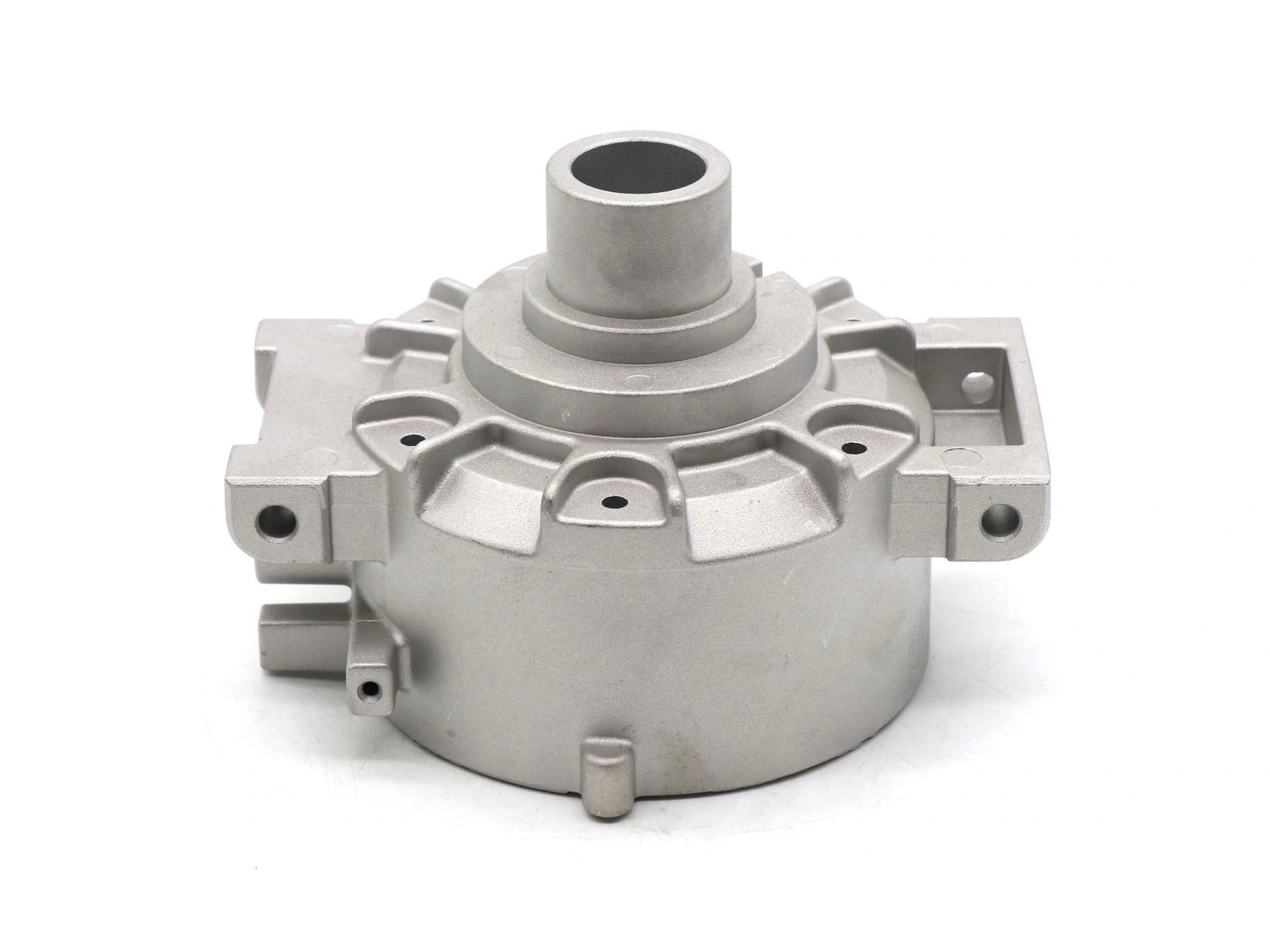
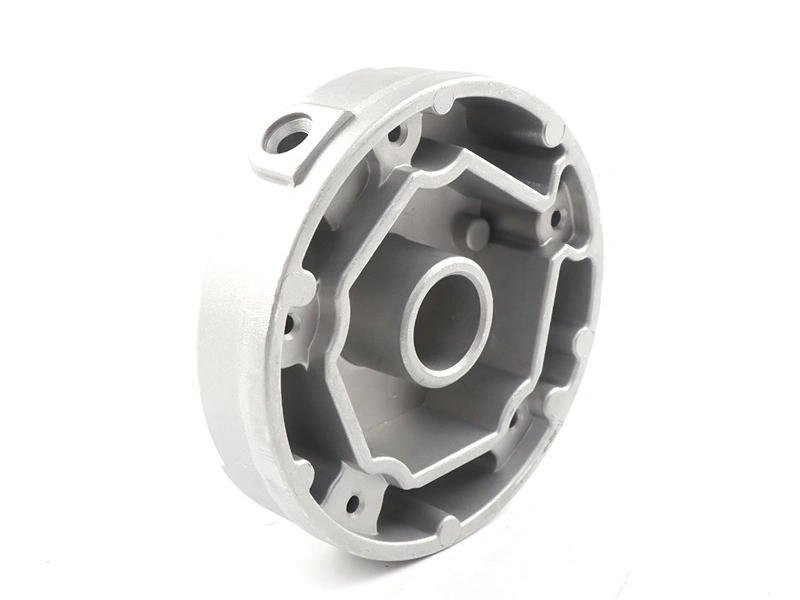
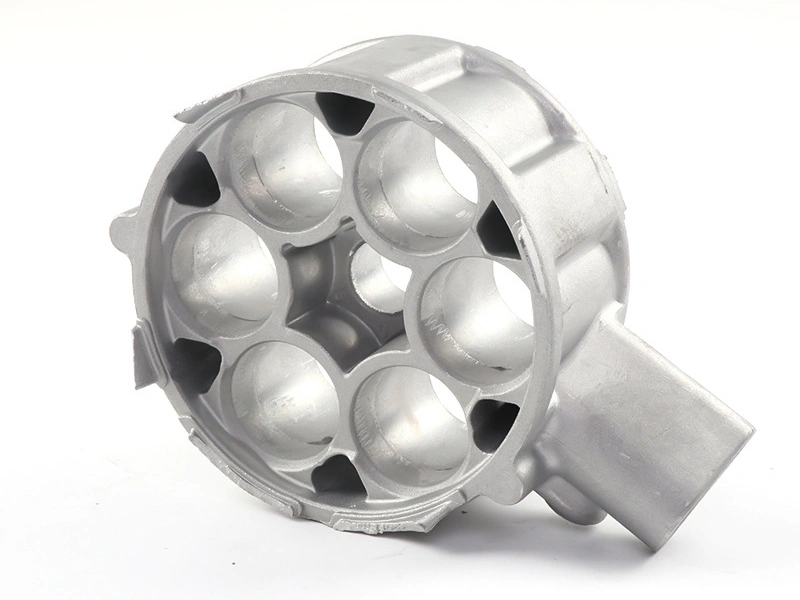
A360 is often compared with A380 when buyers need to decide between a material direction with stronger corrosion or pressure-related confidence and a more common, balanced general-purpose die casting alloy. A380 is widely used for aluminum housings, covers, brackets and industrial parts because it balances castability, strength, cost and availability. A360 may be reviewed when the part has outdoor exposure, moisture, sealing surfaces or pressure-related risk.
The right choice depends on the finished part. A380 may be the better decision for a cost-sensitive indoor housing with standard powder coating and no leak requirement. A360 may be worth the review for an outdoor sealed cover, pump-related component or part where corrosion and pressure-related performance justify added cost or supply review.
Buyers should compare A360 and A380 by material, tooling, machining, finish and inspection requirements. Alloy choice alone does not guarantee a good part.
For direct comparison, buyers can review A360 aluminum die casting and A380 aluminum die casting.
A360 vs A380 Table
Decision Factor | A360 Direction | A380 Direction |
|---|---|---|
Corrosion exposure | Often stronger direction | May need coating or may be enough for protected use |
Pressure-related parts | Often reviewed for sealing confidence | Can work if process and testing support requirements |
General production | May cost more or need availability review | Common balanced choice |
Machining | Still needs stock, datums and pore control | Also needs stock, datums and pore control |
Finish | Review coating and appearance on real castings | Review coating and appearance on real castings |
When A380 Is the Better Choice
A380 may be the better choice when the part is a general-purpose housing, bracket, cover or enclosure used in a protected environment. It is often easier to source, familiar to many suppliers and cost-effective for high pressure die casting. If the part has no special corrosion or pressure requirement, A380 can be a practical material direction.
Buyers should still confirm finishing and machining. A380 can still have porosity or cosmetic issues if the tooling and process are weak.
When A360 Is the Better Choice
A360 may be the better choice when corrosion exposure, moisture, sealing or pressure-related performance is important. Outdoor lighting housings, sealed electronic covers and fluid-adjacent components may justify A360 review. The buyer should ask the supplier to explain what A360 improves and what process controls remain necessary.
Neway can help buyers compare A360 and A380 through aluminum die casting services, sample validation, machining review and inspection planning. The final choice should be based on finished-part evidence, not only a comparison table.
Cost and Supply Chain Comparison
A380 often has an advantage in availability and familiarity. A360 may require a more specific material review and can carry different cost assumptions. Buyers should compare total finished-part cost, not only raw material direction. If A360 reduces corrosion or leak risk, the added cost may be justified. If the part is simple and protected, A380 may be the better commercial choice.
Supply chain approval also matters. If the buyer's drawing names A360, the supplier should confirm the standard and certificate expectation. If the supplier proposes A380 instead, the reason should be documented and approved before samples are made.
Sample Comparison Method
If the decision is uncertain, buyers can compare finished samples. Both A360 and A380 samples should use the same machining, coating and inspection route. Comparing a raw A360 casting with a finished A380 part is not meaningful. The test should match the real reason for the alloy decision.
For outdoor parts, compare finish and corrosion-related details. For sealed parts, compare machined faces and leak checks. For general brackets, compare cost, dimensional stability and assembly fit.
Decision Record
The final decision should state why A360 or A380 was chosen. This record helps purchasing avoid future substitution errors and helps quality teams inspect the features that drove the material choice.
Risk if the Wrong Alloy Is Chosen
If A380 is chosen for a part that really needed A360's corrosion or pressure-related direction, the buyer may face coating failure, leak concerns or a second round of material review. If A360 is chosen for a simple indoor part, the buyer may pay for a material advantage that does not change product performance. Both mistakes waste time, but in different ways.
The safest comparison uses the application. Indoor brackets, covers and general housings often lean toward A380 unless other risks appear. Outdoor housings, sealed covers and pressure-adjacent components deserve A360 review. If the part sits between those cases, finished samples and test evidence should decide.
How to Ask for a Supplier Recommendation
The buyer can ask the supplier to quote A360 and A380 side by side, with the same tooling, machining, finish and inspection scope. The supplier should explain cost difference, lead time difference, material availability and risk difference. This turns the comparison into a purchasing decision instead of a debate over which alloy is generally better.
Both quotes should use the same drawing revision and sample plan.