How Does Alloy Choice Affect Surface Finish for Die Cast Parts?
How Does Alloy Choice Affect Surface Finish for Die Cast Parts?
Alloy choice affects surface finish for die cast parts because material chemistry, casting surface, porosity, tooling marks and post-process response all influence the final appearance. Aluminum alloy die cast parts may be deburred, blasted, painted, powder coated or reviewed for anodizing, but each finish has different risks.
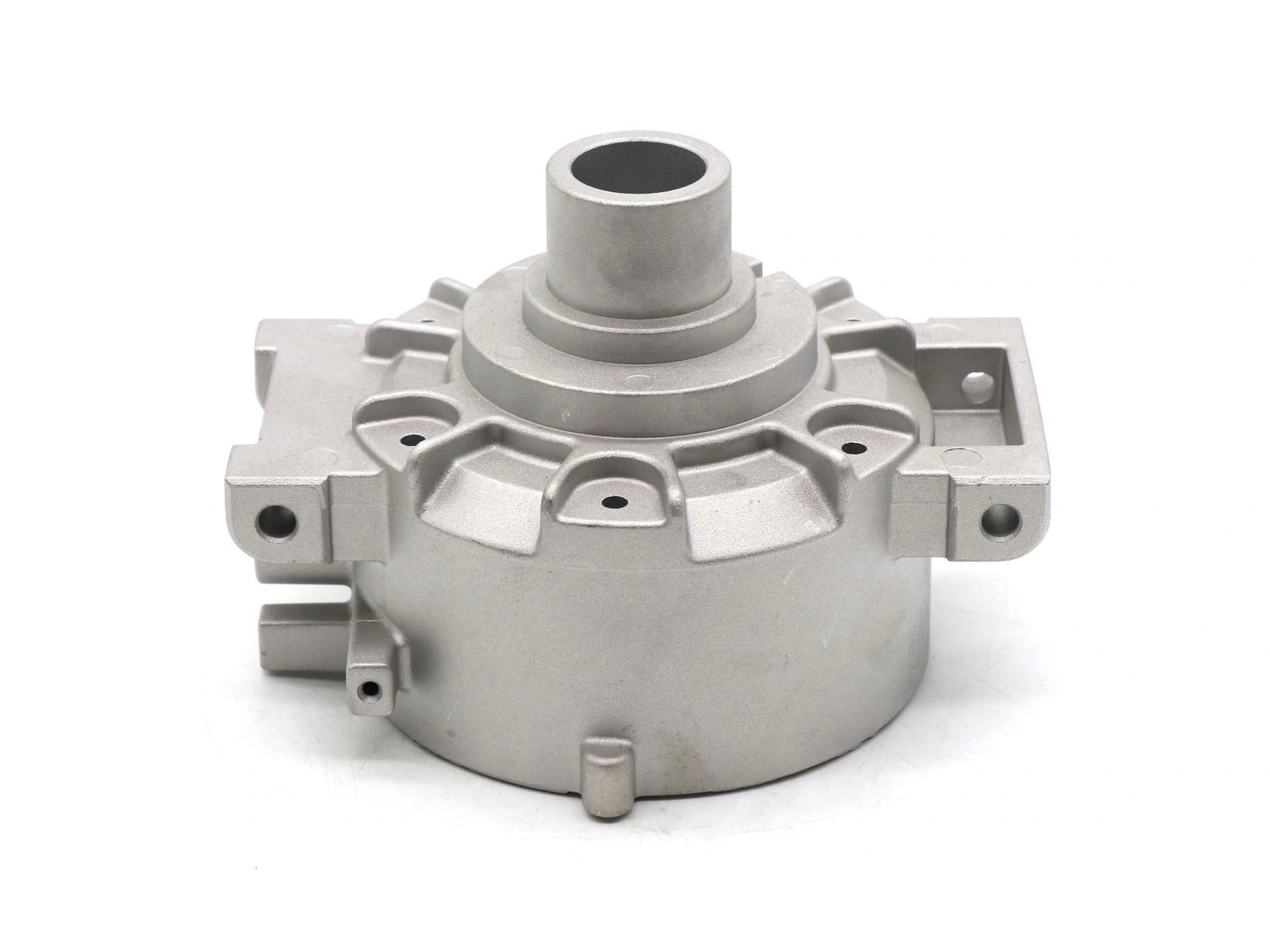
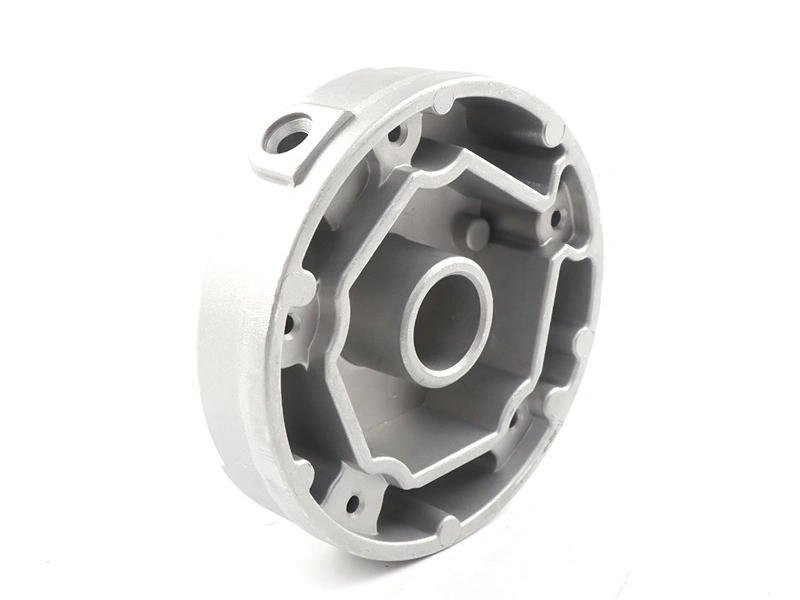
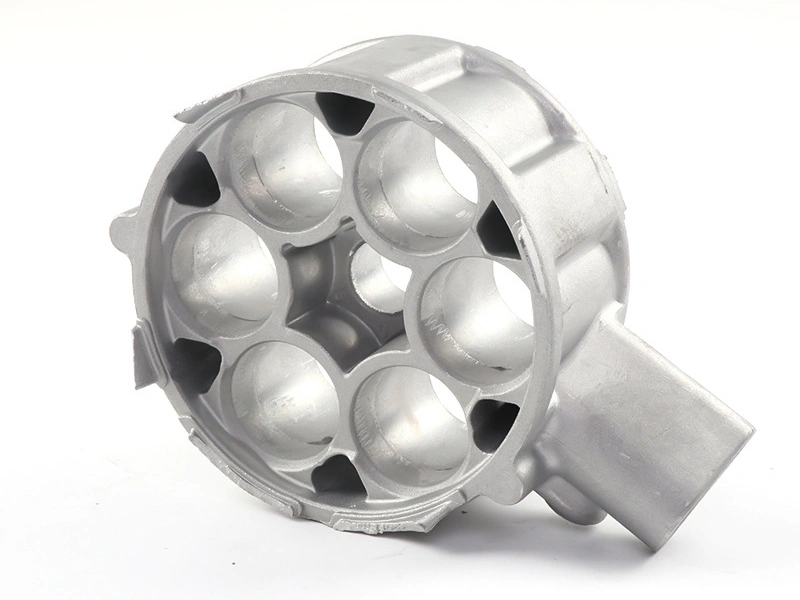
Painting and powder coating are common for die cast aluminum parts when pretreatment, color, gloss, coating thickness and masking are defined. Anodizing needs extra review because die casting alloys can produce darker or uneven appearance compared with wrought aluminum. Raw as-cast surfaces keep gate marks, ejector marks, flow marks and parting line traces unless finishing addresses them.
Buyers should decide finish requirements before tooling. If a visible surface is important, gate marks and ejector marks should be reviewed before die release. If coating thickness affects fit, masked areas should be marked on the drawing. If a customer expects a cosmetic standard, the standard should be approved with a sample.
For surface finish review, buyers can compare surface finish compatibility for aluminum alloy die cast parts and how aluminum grades affect surface treatments.
Surface Finish Planning Table
Finish | Alloy/Process Concern | Buyer Confirmation |
|---|---|---|
Deburring | Parting lines, holes and edges need consistent removal | Edge standard and burr limit |
Blasting | Texture can improve appearance but may affect precision surfaces | Visible zones and masked surfaces |
Painting | Surface preparation and defect limits matter | Color sample and inspection distance |
Powder coating | Thickness, curing and porosity can affect fit and appearance | Color, gloss, thickness and masking |
Anodizing review | Die cast alloy appearance may be uneven | Test sample before committing |
Visible Surfaces and Tooling Marks
Visible surfaces should be marked before die design. Gate marks, ejector marks and parting lines can appear on the final part even after finishing. If the buyer needs a clean exterior face on a cover or housing, the supplier should review mark locations during tooling design. If marks cannot be avoided, the acceptable standard should be defined.
Hidden surfaces can use a different standard. A rib inside an enclosure may not need the same finish as a front cover. Dividing surfaces into A-side and B-side zones helps control cost while protecting customer-facing areas.
Masking and Dimensional Fit
Masking is essential when finish can affect function. Threads, bores, gasket faces, ground points and mounting pads may need protection. Powder coating thickness can reduce hole size or change mating surfaces. Painting can cover threads or contact points if masking is not defined.
Buyers should inspect final parts after finish. A machined bore may pass before coating and fail after coating if masking is poor. Finished sample approval should include both appearance and fit.
Packaging should be included for finished surfaces. Powder coated or painted parts can be scratched after inspection if stacked directly. Cosmetic faces, machined faces and corners may need separators, caps or wrapping. Finish approval should include delivery condition, not only factory appearance.
Finish Testing Before Production
Finish testing is useful when the surface has commercial value. A trial sample can show whether the alloy, casting texture and finish process create acceptable appearance. Buyers should review color, gloss, texture, pinholes, masking and handling marks before production release.
If the finish is functional, such as corrosion protection or electrical insulation, the buyer should define coating thickness and test requirements. The material and finish plan should match the operating environment.
Alloy choice may also affect finish documents. A customer may require coating reports, color samples, salt-spray-related checks or material records. If those documents are needed, they should be included in the quote. A finish that looks acceptable but lacks required documentation may still fail approval.
When to Change Finish Instead of Alloy
Sometimes the better answer is changing finish rather than alloy. If the concern is outdoor corrosion, powder coating or painting may be more practical than moving to a specialized alloy. If the concern is cosmetic uniformity, painting may be more predictable than anodizing on die cast aluminum. The supplier should compare both choices.
Buyers should keep approved finish samples. Written color codes are useful, but actual samples show texture, gloss, acceptable casting marks and masking boundaries. This helps repeat orders match the first approval. If the part is handled by customers, packaging should protect visible surfaces after inspection.
Finish approval should also name the inspection distance, lighting condition or defect class when cosmetic quality matters.
If the finish protects against corrosion, the buyer should define working environment, coating thickness and any test requirement. Appearance and protection may need different acceptance evidence.
Both should be approved.
Packaging matters too.
Neway Finish Review
Neway can review aluminum alloy die casting with post-process services, painting, powder coating and machining requirements. This helps buyers define finish standards that match the alloy and casting route.
The best finish plan includes visible surfaces, masked features, coating thickness, acceptable defects, packaging and inspection. That gives buyers a finished die cast part that matches function and appearance.