How Should Buyers Validate Surface Finish Compatibility for Aluminum Alloy Die Cast Parts?
How Should Buyers Validate Surface Finish Compatibility for Aluminum Alloy Die Cast Parts?
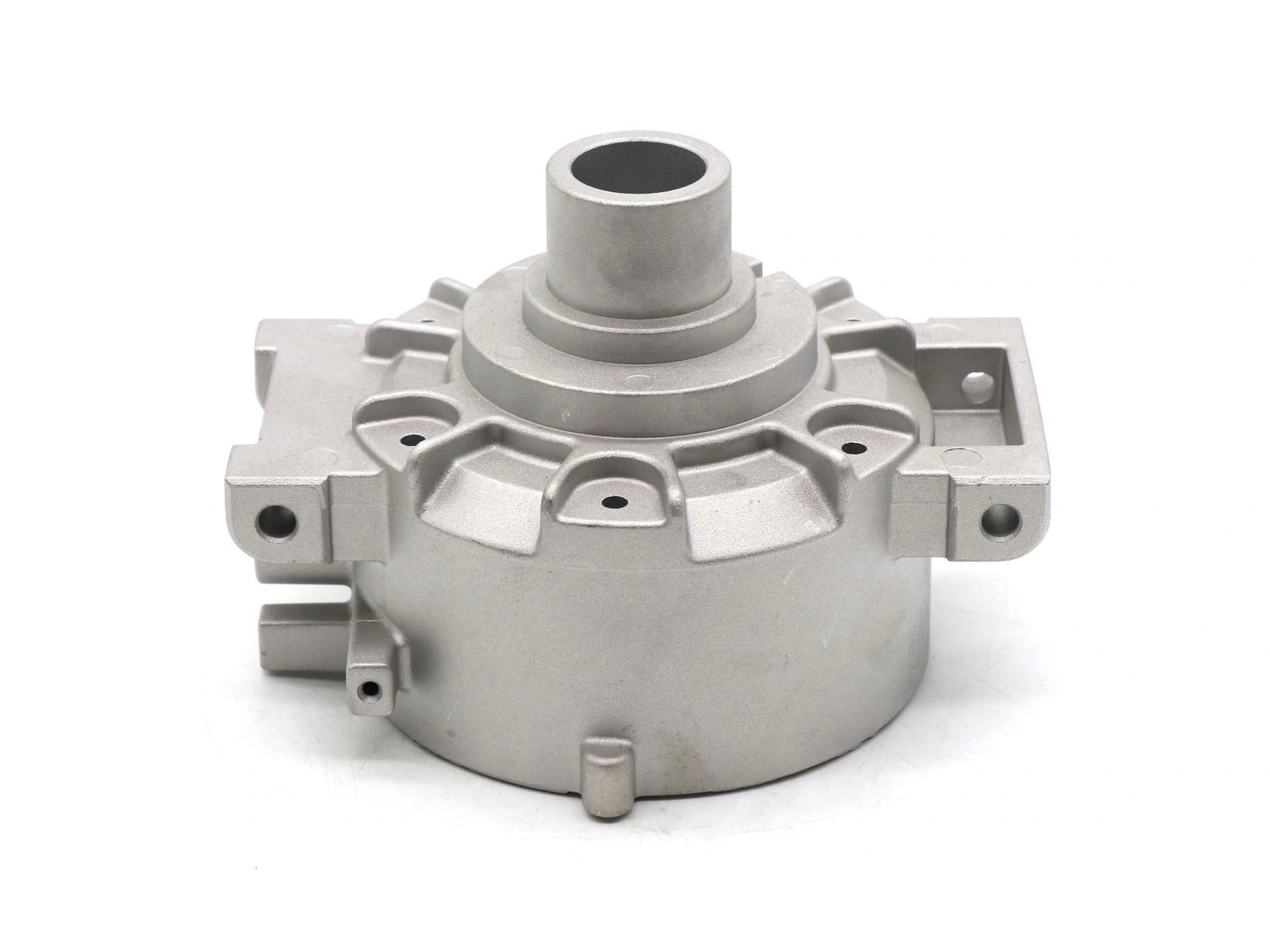
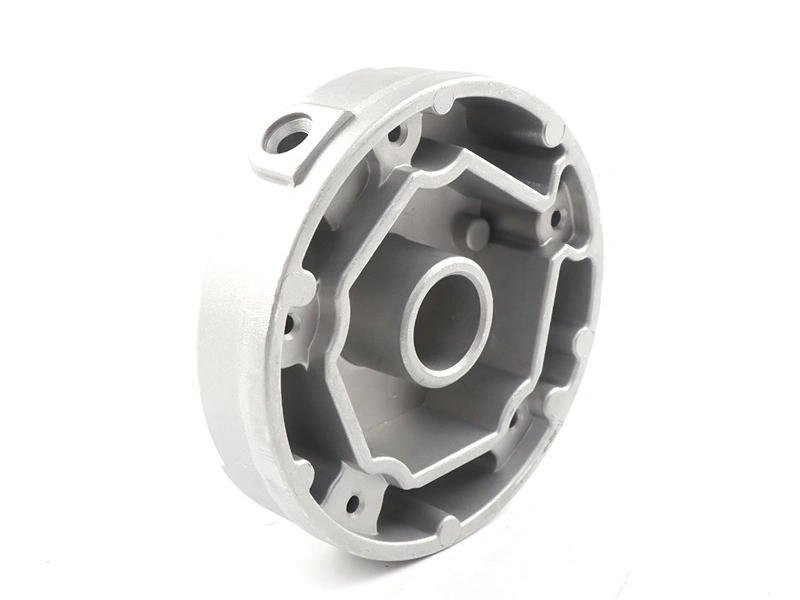
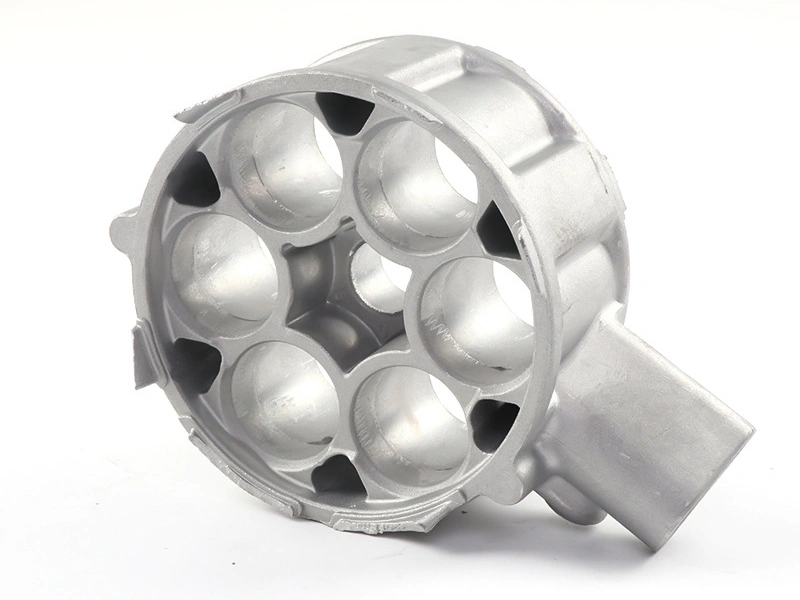
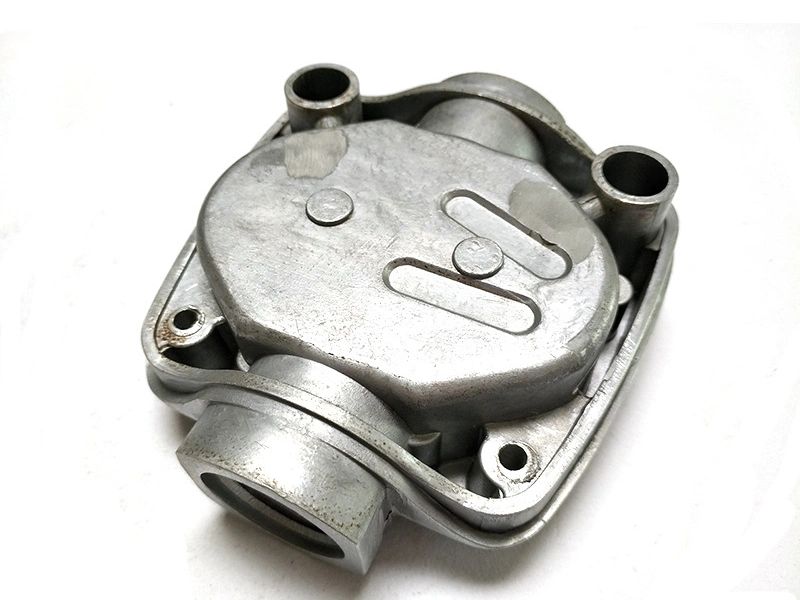
Buyers should validate surface finish compatibility for aluminum alloy die cast parts by confirming cosmetic surfaces, casting defect limits, polishing requirements, coating type, color expectations, masking areas and acceptable appearance standards before tooling and trial samples.
This is important for lighting housings, visible electronic enclosures, consumer product housings, industrial covers, automotive aluminum covers, powder coated aluminum die cast parts and painted aluminum die cast parts. For visible parts, surface finish quality should be planned before mold layout is finalized.
1. Confirm Visible and Functional Surfaces
Surface Type | What Buyers Should Confirm | Risk Reduced |
|---|---|---|
Visible surfaces | Which areas must meet cosmetic appearance standards | Parting line, ejector mark and gate mark disputes |
Functional surfaces | Which faces affect assembly, sealing, mounting or contact | Finishing interference and functional rejection |
Machined surfaces | Whether surfaces need coating, masking or final inspection after machining | Fit problems after finishing |
2. Validate Polishing, Painting and Powder Coating Requirements
Surface finish requirements should be confirmed before tool and die making. The supplier should review whether polishing, painting or powder coating is compatible with the casting quality, parting line position, ejector marks and final inspection standard.
Finish Requirement | What Buyers Should Define | Buyer Benefit |
|---|---|---|
Polishing | Polished area, surface level, burr control and acceptable defects | Reduces over-polishing and cosmetic disputes |
Painting | Color sample, gloss, coverage, adhesion and inspection method | Reduces color variation and surface rejection |
Powder coating | Coating thickness, masking, texture, adhesion and protection needs | Improves durability and reduces assembly interference |
Packaging | Scratch prevention, separation and anti-rubbing protection | Prevents damage after finishing |
3. Control Common Surface Finish Risks
Surface finishing cannot fully hide casting problems. If porosity, shrinkage, flow marks or tooling marks are not controlled early, finishing may expose or amplify the defects.
Surface Finish Risk | Possible Cause | Buyer Impact |
|---|---|---|
Coating exposes pores | Base casting quality or machined surface porosity not controlled | Appearance rejection and rework |
Polishing exposes shrinkage | Local thick areas, poor cooling or casting defects | Cosmetic failure after finishing |
Painting shows flow marks or color difference | Surface preparation or coating process not validated | Batch appearance variation |
Coating covers threads or assembly faces | Masking areas were not defined before finishing | Assembly rework and delivery delay |
4. Compare Surface Finish Planning Across Materials
Buyers may also compare aluminum surface planning with zinc die casting surface finish for small cosmetic parts or copper alloy die casting parts for functional components. A custom metal casting quality review helps confirm the most suitable surface strategy.
5. Summary
Surface Finish Validation Item | Main Purpose |
|---|---|
Visible surfaces and functional surfaces | Separate cosmetic requirements from assembly requirements |
Polishing, painting and powder coating | Confirm finishing method and acceptance standard |
Masking and coating thickness | Prevent threads, holes and sealing faces from being affected |
Trial sample surface finish result | Validate real appearance before batch production |
In summary, buyers should validate surface finish compatibility for aluminum alloy die cast parts before tooling and trial samples. For cosmetic aluminum die cast parts, the supplier should manage die casting quality, CNC machining after die casting, surface finishing and cosmetic inspection together.