How Does Aluminum Alloy Selection Affect Machined Features and Assembly Fit?
How Does Aluminum Alloy Selection Affect Machined Features and Assembly Fit?
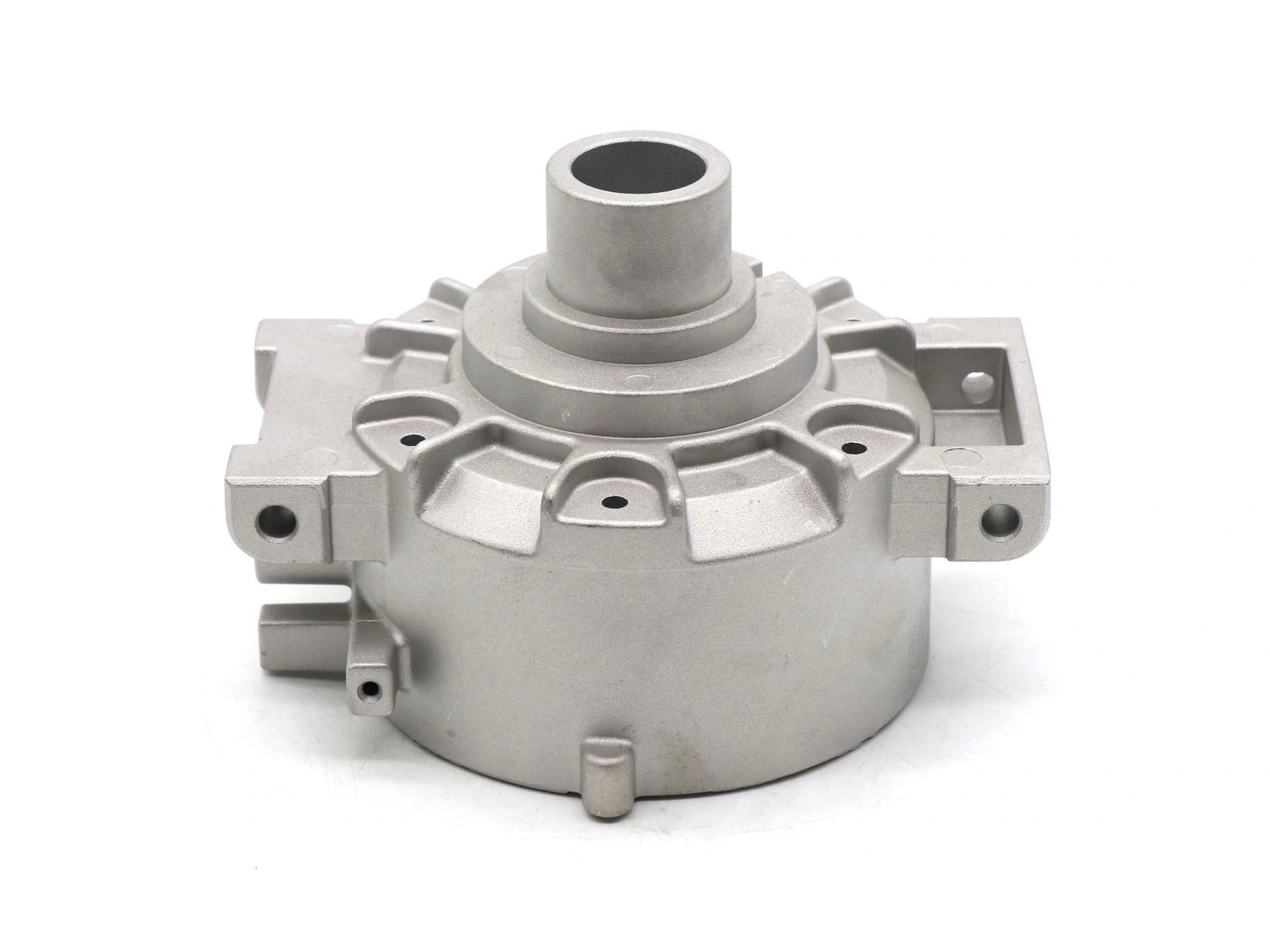
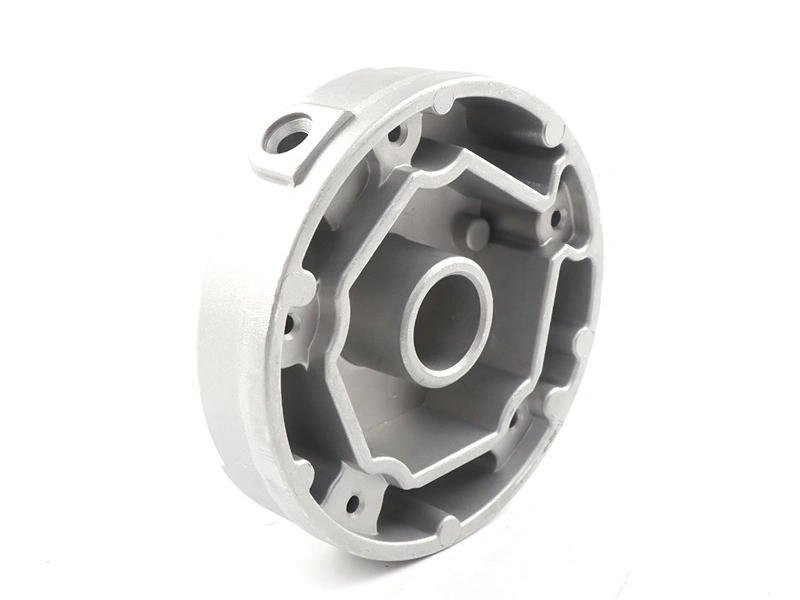
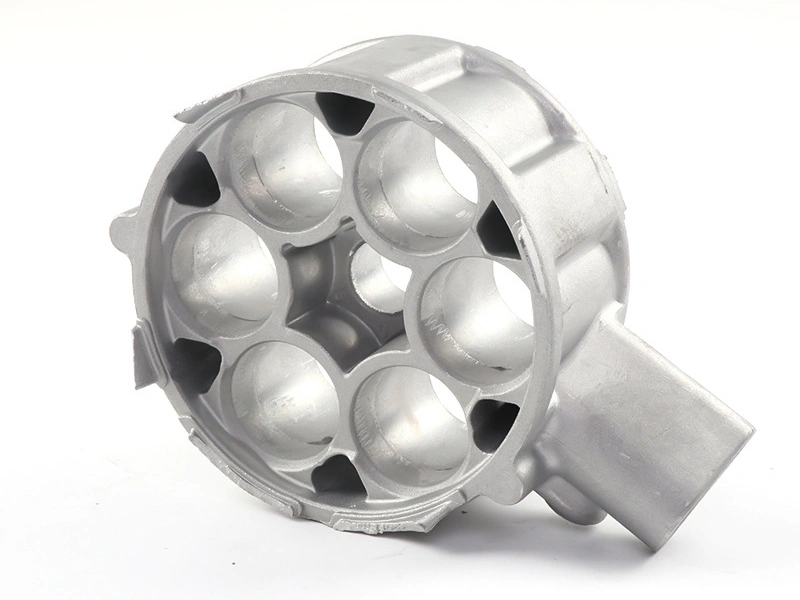
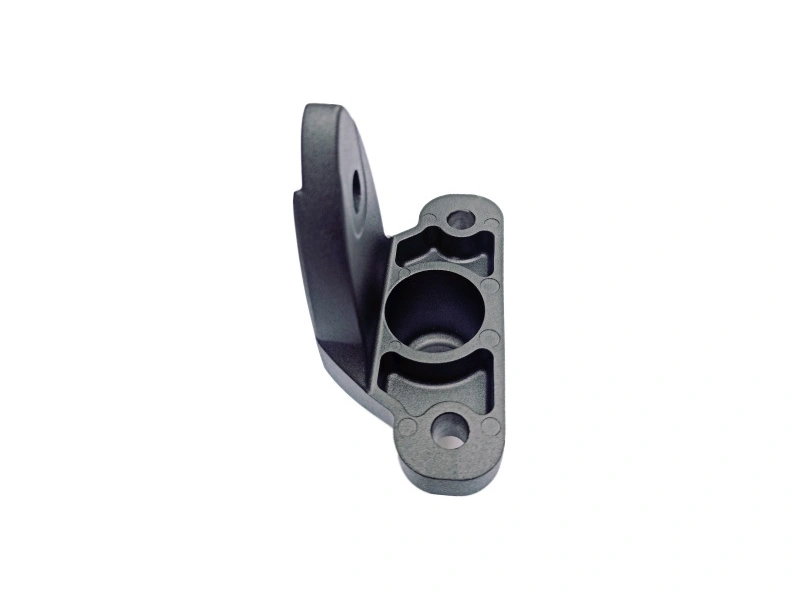
Aluminum alloy selection affects machined features and assembly fit because material stability, hardness, casting quality and machining behavior influence holes, threads, sealing faces, datum surfaces, flatness, burr control and dimensional repeatability.
This FAQ is important for buyers whose parts are not only cast to shape but also require CNC machining after aluminum die casting. Aluminum housings with threaded holes, motor covers with bearing holes, pump bodies with sealing faces, brackets with mounting holes and heat sink housings with flat contact faces all need casting and machining to be planned together.
1. Confirm Which Features Need CNC Machining
Machined Feature | Why It Matters | Buyer Should Confirm |
|---|---|---|
Threaded holes | Thread quality affects fastening strength and repeat assembly | Thread size, depth, gauge standard and burr control |
Mounting holes | Hole position affects assembly alignment | Hole tolerance, position tolerance and inspection method |
Sealing faces | Flatness and roughness affect leakage control | Flatness, roughness and porosity acceptance |
Bearing holes | Roundness and size affect bearing fit and product function | Diameter, roundness, surface finish and inspection tool |
Datum surfaces | Datums connect casting, machining, inspection and final assembly | Datum location, machining sequence and inspection reference |
2. Plan Machining Allowance Before Tooling
For aluminum alloy die casting with CNC machining, the supplier should confirm machining allowance before mold design is finalized. This prevents machined surfaces from failing to clean up or exposing pores after machining.
Machining Planning Item | Why It Matters | Risk Reduced |
|---|---|---|
Machining allowance | Reserves enough stock for holes, faces and datums | Rejected machined surfaces |
Fixture location | Controls repeatable part positioning during machining | Unstable dimensions and setup changes |
Inspection method | Defines how machined features will be verified | Buyer-supplier measurement disputes |
3. Understand Risks When Alloy and Machining Are Not Coordinated
If alloy selection and machining planning are separated, the part may pass casting approval but fail after CNC machining or final assembly.
Risk | Possible Cause | Buyer Impact |
|---|---|---|
Thread quality variation | Material behavior, burr control or machining process not stabilized | Fastening failure and rework |
Sealing face problems | Porosity, flatness or roughness not controlled after machining | Leakage and functional rejection |
Fixture positioning difficulty | Datums and locating surfaces were not planned before tooling | Batch variation and inconsistent inspection |
Coating changes final fit | Finishing sequence and masking were not reviewed with machining | Assembly interference after finishing |
4. Compare Machining Needs Across Casting Materials
Buyers may also compare aluminum projects with zinc die casting precision parts for smaller detailed parts or copper die casting machined features for functional contact areas. A custom metal casting service review helps match material, machining and inspection strategy.
5. Summary
Machined Feature Planning Area | Main Purpose |
|---|---|
Holes, threads and bearing holes | Control assembly, fastening and functional fit |
Sealing faces and datum surfaces | Control leakage risk, inspection and repeatability |
Machining allowance before tooling | Reduce scrap, exposed porosity and mold changes |
Finishing sequence and masking | Prevent coating-related assembly problems |
In summary, aluminum alloy selection affects machined features and assembly fit because material behavior, casting quality and machining stability are connected. Buyers should choose a supplier that can coordinate tool and die making, die casting, CNC machining, inspection and finishing before production starts.