How Should Aluminum Die Casting Services Control Dimensional and Cosmetic Consistency?
How Should Aluminum Die Casting Services Control Dimensional and Cosmetic Consistency?
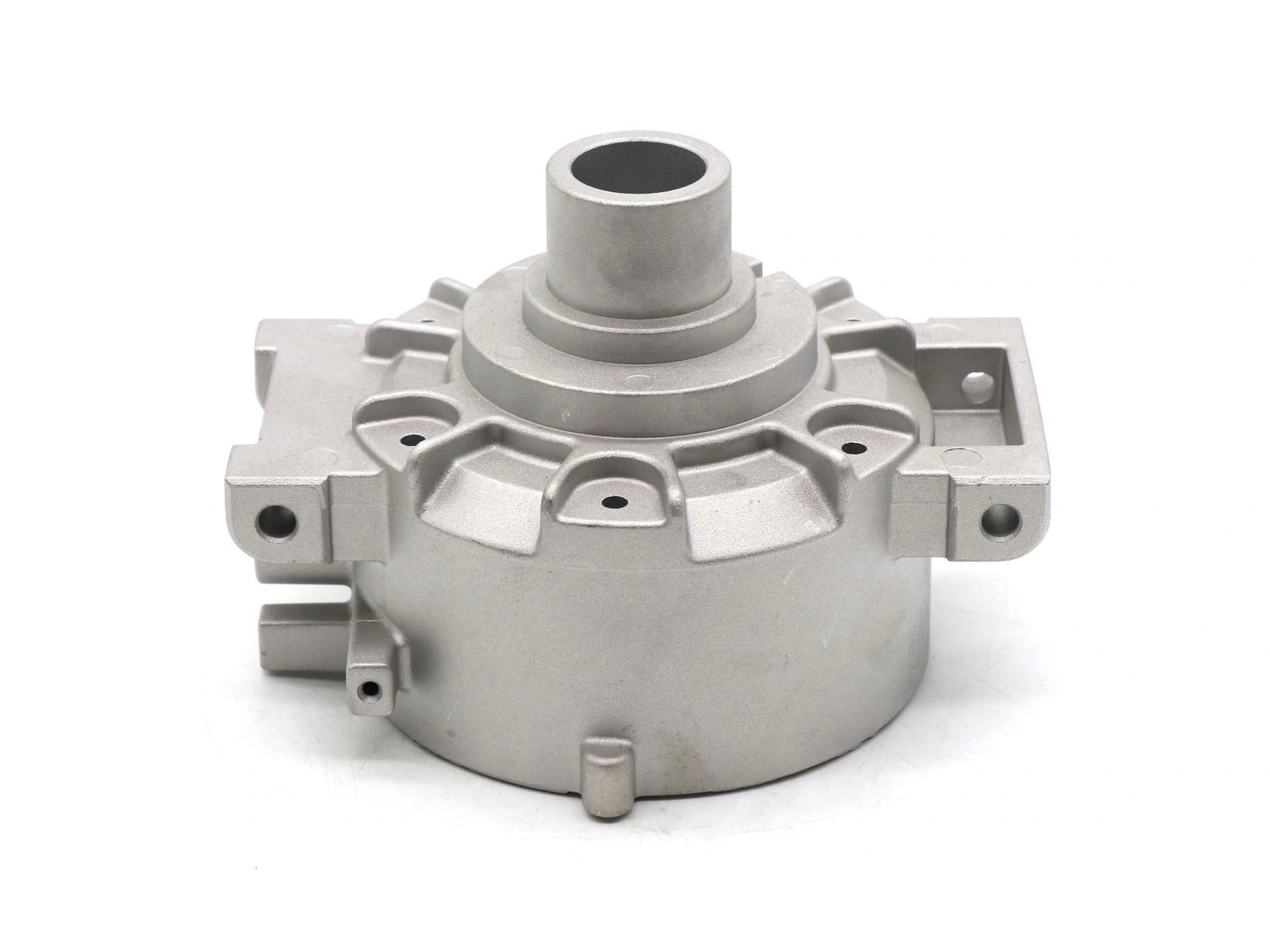
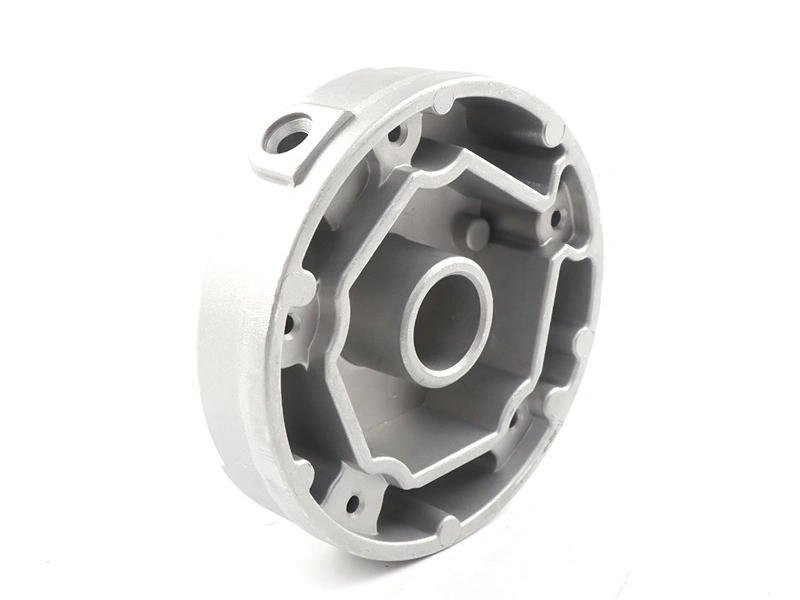
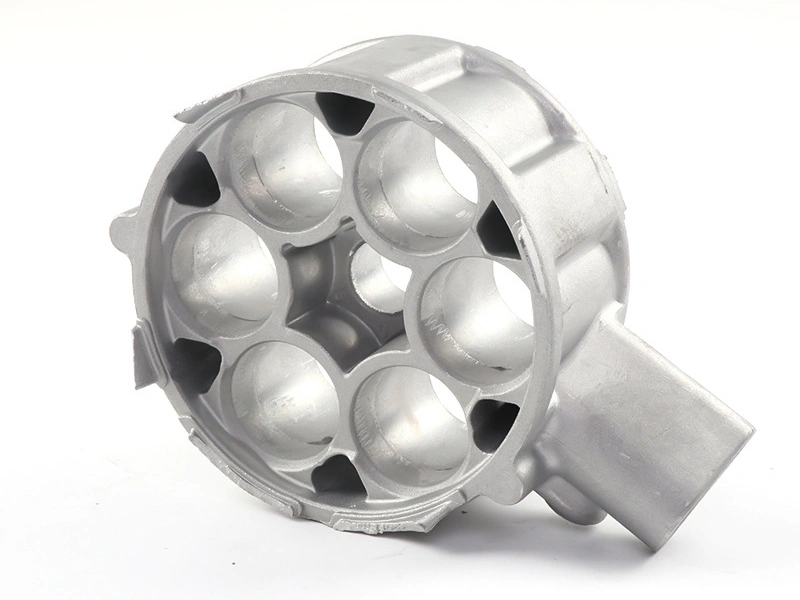
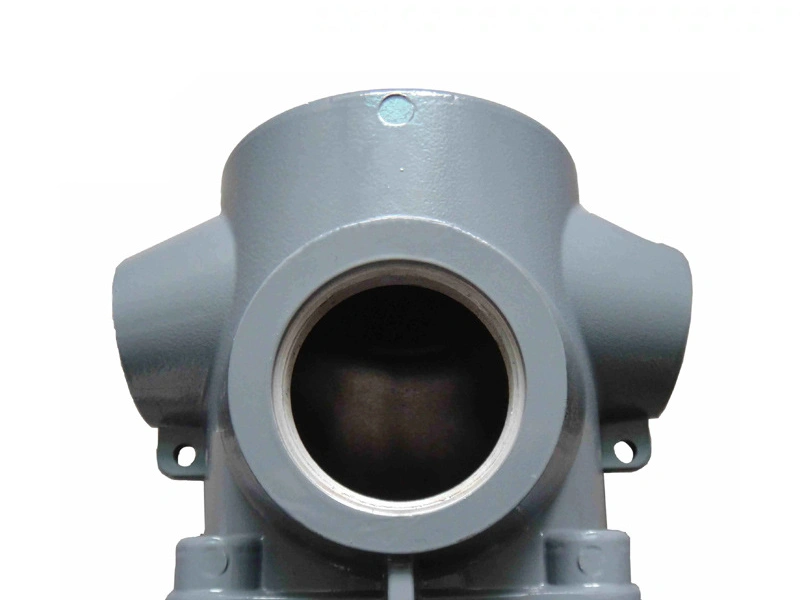
Aluminum die casting services should control dimensional and cosmetic consistency by using stable tooling, clear machining standards, defined cosmetic surfaces, first article inspection, surface finish samples and repeatable batch inspection criteria.
This is important for buyers who purchase aluminum die cast parts repeatedly. One approved sample does not guarantee stable batch production. The supplier must control die casting tooling maintenance, process stability, CNC machining inspection, surface finishing and packaging protection throughout production.
1. Control Dimensional Consistency
Dimensional Control Item | What It Controls | Buyer Risk if Missing |
|---|---|---|
Tooling maintenance | Mold wear, flash growth, venting, cooling and dimensional drift | Batch variation and unstable fit |
Mold temperature stability | Filling, cooling, shrinkage and dimensional repeatability | Warpage and inconsistent dimensions |
Critical dimensions | Mounting holes, datum surfaces, sealing faces and assembly interfaces | Assembly failure and customer complaints |
CNC machining inspection | Flatness, hole position, threads, sealing faces and machined datums | Machined feature rejection |
2. Control Cosmetic Consistency
For visible aluminum die cast parts, cosmetic control should include surface defects, parting lines, ejector marks, polishing consistency, coating or painting results and packaging protection.
Cosmetic Control Item | What It Controls | Risk Reduced |
|---|---|---|
Cosmetic surface standard | Visible areas, acceptable defects, inspection distance and lighting condition | Subjective appearance disputes |
Polishing consistency | Surface texture, edge condition and visible finish stability | Appearance variation across batches |
Coating or painting result | Color, gloss, adhesion, thickness, masking and surface defects | Color difference and coating rejection |
Packaging protection | Scratch prevention, separation, anti-rubbing and shipment protection | Finished part damage after inspection |
3. Use First Article and Repeat Batch Inspection
First article inspection helps confirm sample quality before production. Repeat batch inspection helps confirm that the same dimensional and cosmetic standards continue during long-term orders.
Inspection Stage | What It Should Include | Buyer Benefit |
|---|---|---|
First article inspection | Critical dimensions, machined features, surface finish and assembly fit | Confirms production readiness |
Batch inspection report | Key dimensions, machining results, cosmetic checks and defect records | Improves traceability |
Defect tracking | Repeated issues, root causes, corrective actions and improvement records | Reduces repeated defects |
4. Compare Batch Quality Across Material Routes
A supplier with custom metal casting production capability can also help buyers compare aluminum production with zinc die casting batch consistency and copper die casting quality control when future product lines require different materials.
5. Summary
Consistency Control Area | Main Purpose |
|---|---|
Tooling maintenance and process stability | Control dimensional repeatability across batches |
Critical dimensions and CNC machining inspection | Protect assembly, sealing and functional performance |
Cosmetic surface standard and surface finish samples | Reduce appearance disputes and visual variation |
First article and repeat batch inspection | Confirm that sample quality can be repeated in production |
Packaging protection and defect tracking | Protect final quality and support continuous improvement |
In summary, aluminum die casting services should control dimensional and cosmetic consistency through tooling maintenance, process control, CNC machining inspection, cosmetic standards, first article inspection, batch reports and packaging protection. For long-term orders, repeatability is more important than one approved sample.