How Should Buyers Balance Lightweight Design and Casting Stability?
How Should Buyers Balance Lightweight Design and Casting Stability?
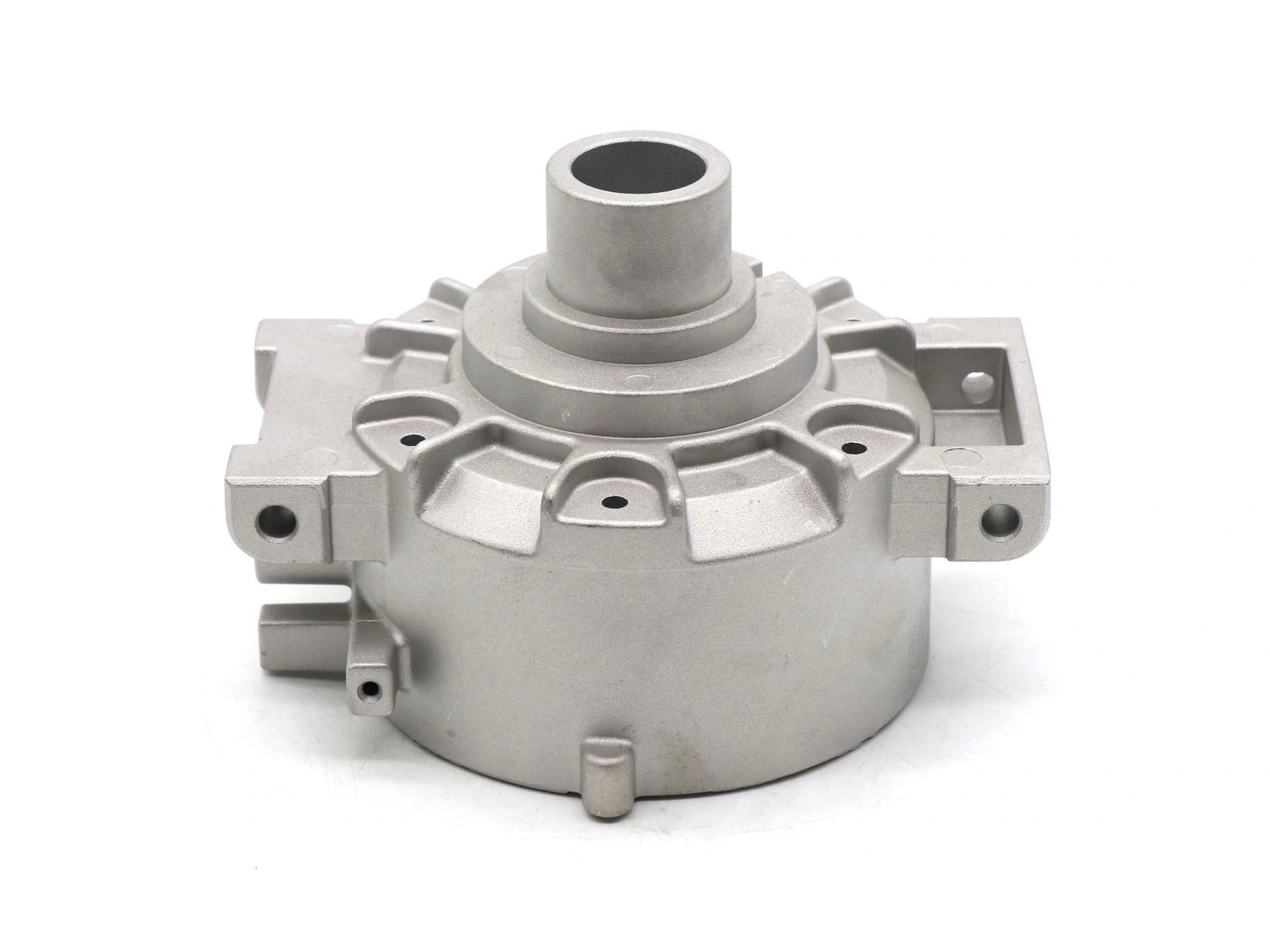
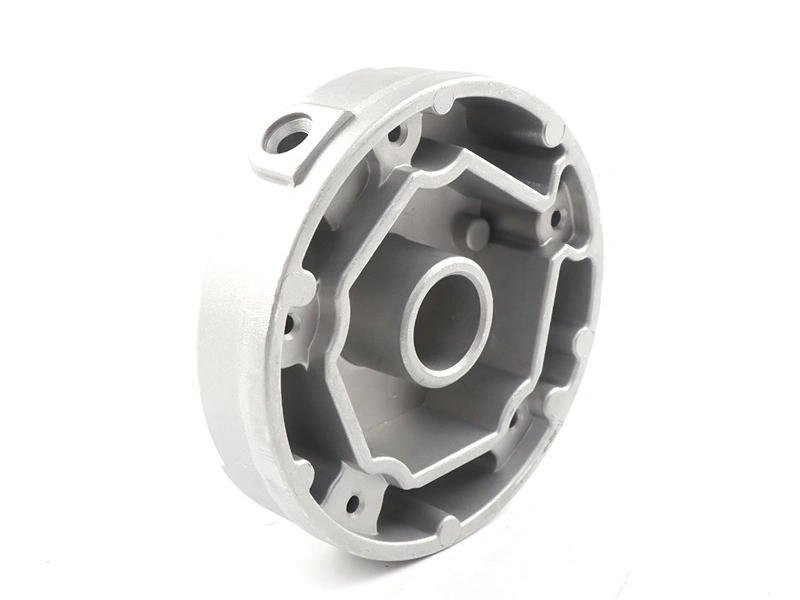
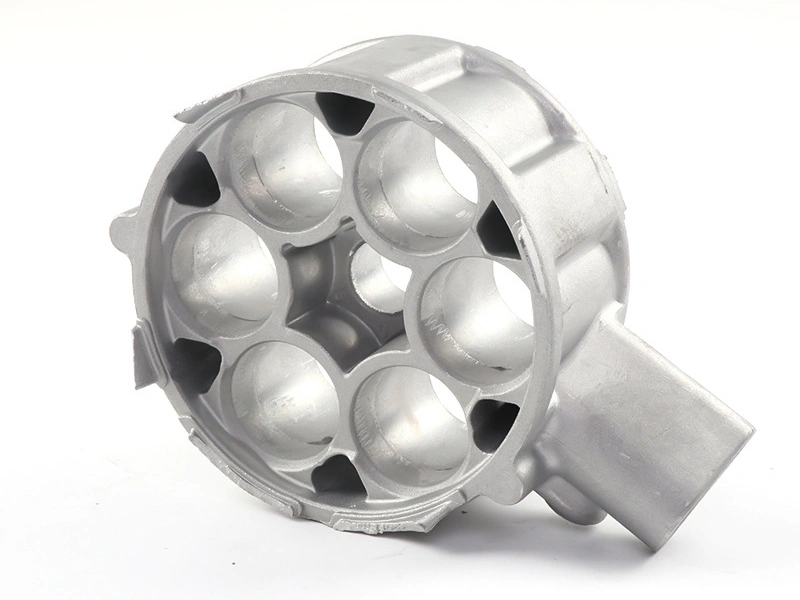
Buyers should balance lightweight aluminum casting parts with casting stability by avoiding excessive wall thinning, reducing sharp thickness changes, using ribs carefully, keeping enough strength at mounting areas, planning machining allowance for functional faces and reviewing filling stability before tooling.
Lightweight design should not only focus on reducing weight. Aluminum casting parts must also support strength, casting flow, tool and die making, CNC machining and assembly stability. If weight reduction is too aggressive, the result may be deformation, shrinkage, poor filling or unstable production quality.
1. Avoid Excessive Wall Thinning
Lightweight Design Issue | Why It Matters | Risk if Ignored |
|---|---|---|
Walls are too thin | Thin walls may reduce weight but can be difficult to fill consistently | Short filling, weak areas and high scrap rate |
Large thickness variation | Sudden thick-to-thin changes can disturb filling and cooling | Shrinkage, porosity and deformation |
Large thin-wall areas | Wide thin sections need stable metal flow and tooling control | Warping and unstable dimensions |
2. Use Ribs Carefully for Strength
Ribs can improve stiffness without making the whole part thicker, but poor rib design can create shrinkage, filling problems or cosmetic defects. Ribs should be reviewed as part of custom metal casting design.
Rib Planning Area | Buyer Should Consider | Manufacturing Risk Reduced |
|---|---|---|
Rib thickness | Ribs should add strength without creating thick hot spots | Shrinkage and sink marks |
Rib layout | Ribs should support strength, filling and ejection | Broken ribs and filling defects |
Rib connection | Transitions should avoid stress concentration and local thickness spikes | Cracking, porosity and local weakness |
3. Keep Strength at Mounting and Functional Areas
Lightweight aluminum casting parts still need enough strength around screw areas, mounting points, sealing surfaces, datum faces and assembly interfaces. These features often need CNC machining allowance for final function.
Functional Area | Why Strength Matters | Buyer Should Define |
|---|---|---|
Mounting points | Must support fastening loads and product assembly | Boss size, screw load and machining need |
Sealing faces | Need enough material for flatness and sealing performance | Flatness, roughness and machining allowance |
Datum surfaces | Control machining, inspection and assembly references | Datum location and tolerance standard |
Assembly interfaces | Must keep stable shape after casting and finishing | Critical dimensions and fit requirements |
4. Review Tooling and Process Stability
Lightweight structures need careful tooling and process review. Gate location, venting, cooling and ejection should support thin-wall filling and stable dimensions. This reduces quality problems before production starts.
Tooling Review Area | How It Supports Lightweight Design | Risk Reduced |
|---|---|---|
Filling stability | Ensures thin and wide areas can fill consistently | Short filling and flow defects |
Cooling balance | Controls shrinkage and warpage across varied wall thickness | Deformation and unstable dimensions |
Ejection planning | Protects thin walls, ribs and visible surfaces during release | Cracks, drag marks and part damage |
5. Compare Material Routes When Needed
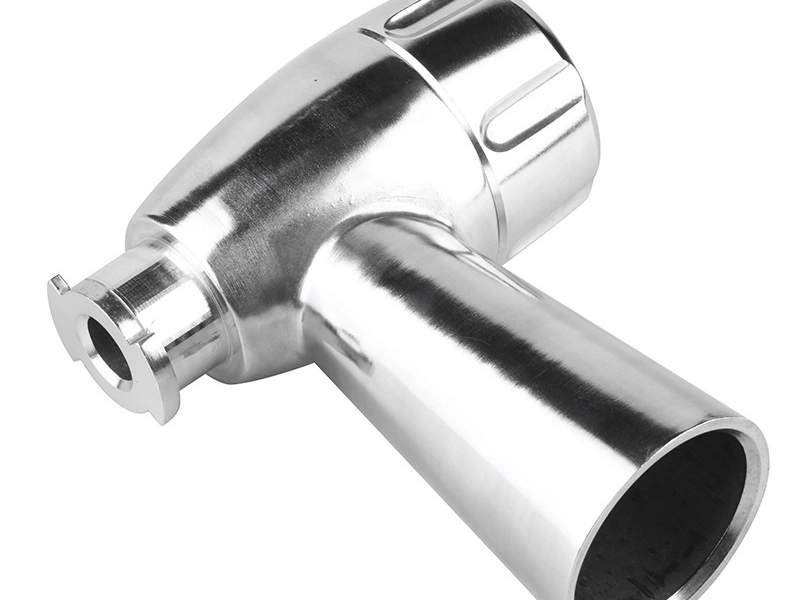
For small precision parts, zinc die casting precision parts may be reviewed. For parts needing conductivity, thermal function or wear resistance, copper alloy die casting parts may be more suitable. Material selection should support both function and manufacturability.
6. Summary
Lightweight Design Decision | Recommended Buyer Focus |
|---|---|
Wall thickness | Reduce weight without hurting filling, strength or stability |
Ribs | Improve stiffness while avoiding shrinkage and filling risks |
Mounting and sealing areas | Keep enough strength and machining allowance for function |
Tooling and process review | Confirm casting flow, cooling, ejection and batch stability |
In summary, lightweight aluminum casting parts should balance weight reduction with strength, filling stability, tooling feasibility, CNC machining and assembly reliability. Reducing weight without process review can create deformation, shrinkage, poor fit and unstable production quality.