How Should Buyers Choose Aluminium Grades Before Tooling?
How Should Buyers Choose Aluminium Grades Before Tooling?
Buyers should choose aluminium grades before tool and die making because material selection affects metal flow, shrinkage rate, dimensional control, gate design, venting, cooling layout, machining allowance, surface treatment, and production stability. If the aluminium grade is changed after tooling starts, the project may face mold modification, trial failure, sample rework, dimensional problems, or longer lead time.
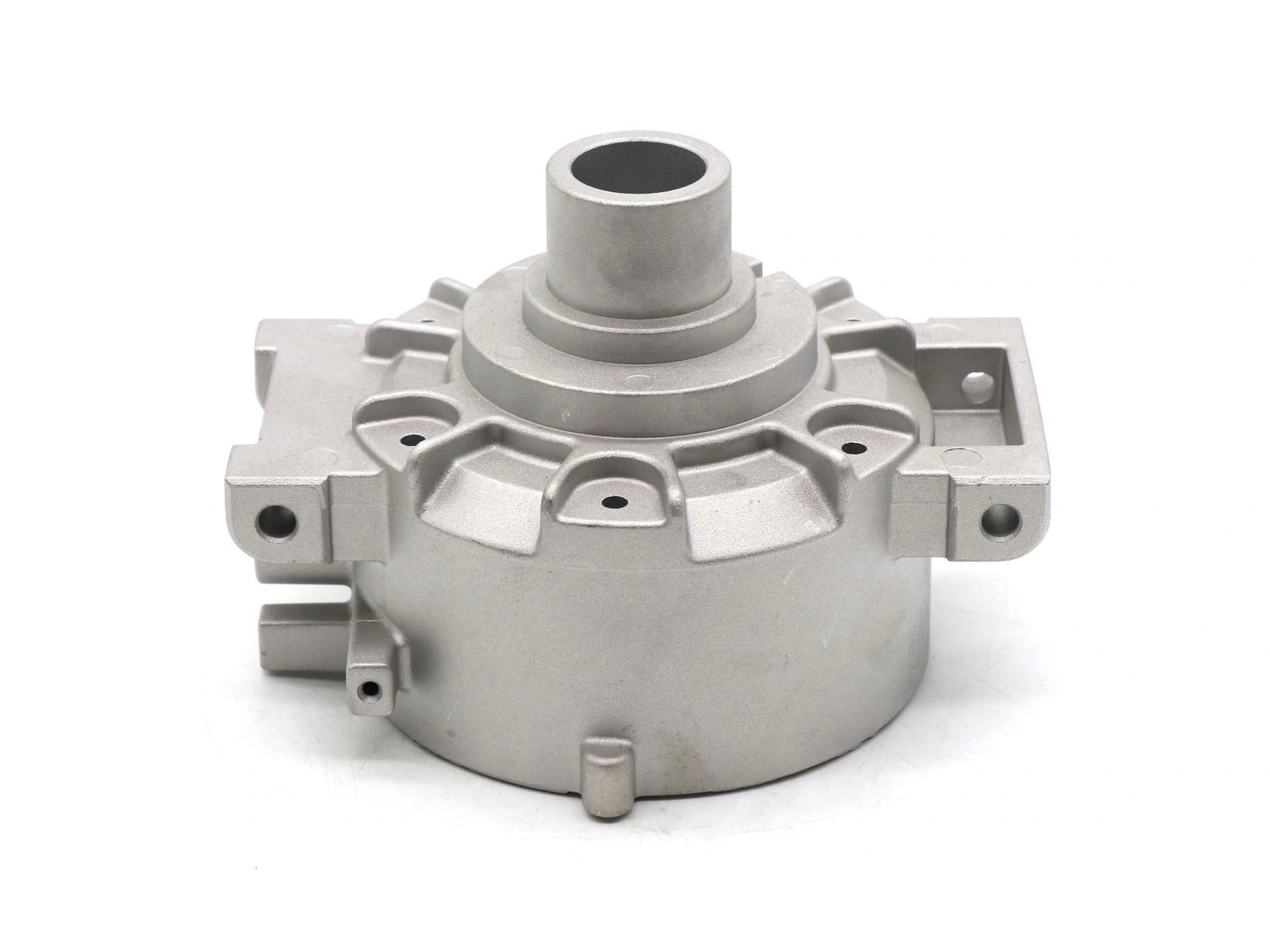
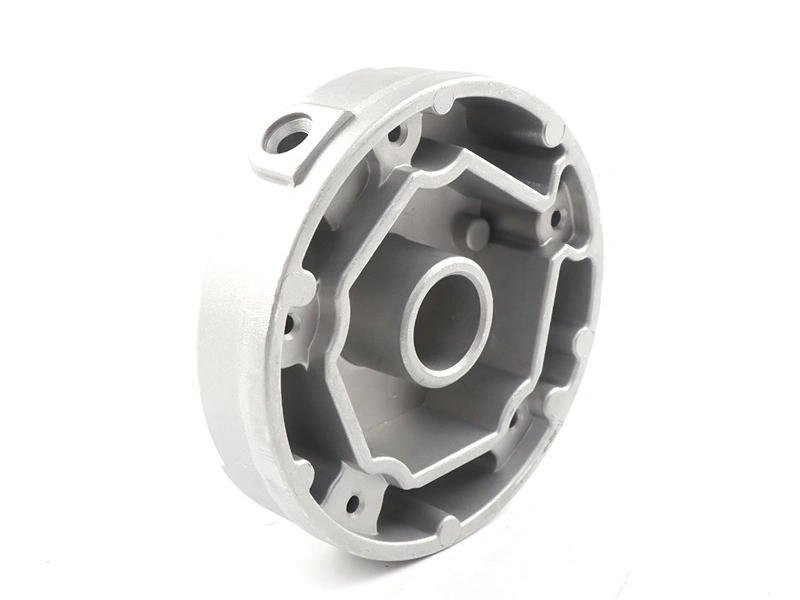
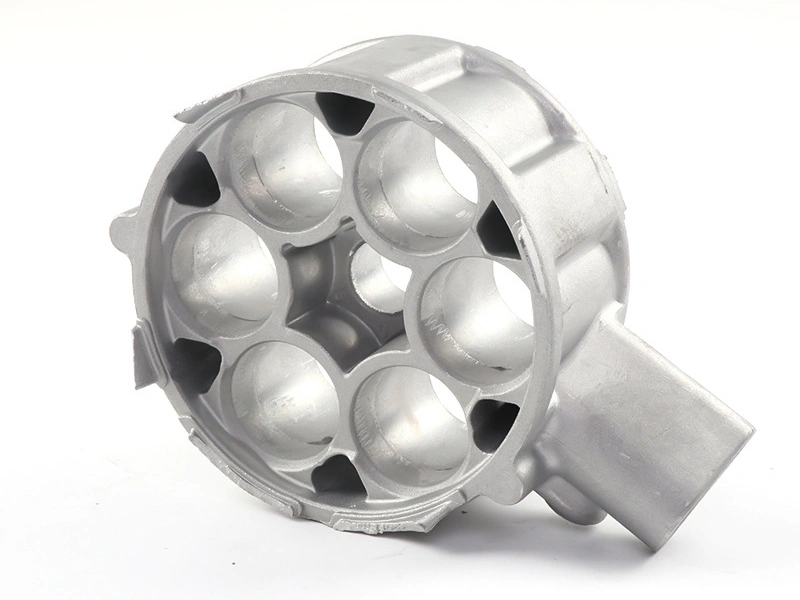
For custom aluminum die casting projects, material, structure, wall thickness, tolerances, CNC machining, surface treatment, and production volume should be evaluated together before tooling. A DFM review before mold manufacturing helps buyers reduce tooling risk, sample failure, batch defects, and long-term production cost.
1. Why Aluminium Grades Must Be Confirmed Before Tooling
Aluminium grades for casting are not only material choices. They directly affect how the molten aluminum fills the mold, how the part cools, how much the casting shrinks, how dimensions are controlled, and how post-processing should be planned. Tooling designed for one aluminium grade may not perform the same way if the grade changes later.
Tooling Factor | How Aluminium Grade Affects It | Risk if Material Is Changed Later |
|---|---|---|
Material flow | Different grades fill thin walls, ribs, bosses, and complex areas differently | Short shots, cold shuts, flow marks, or incomplete filling |
Shrinkage rate | Shrinkage affects cavity compensation and final part dimensions | Out-of-tolerance samples and mold correction |
Gate design | Flow behavior affects gate size, location, and filling direction | Poor filling, visible gate marks, or unstable casting quality |
Venting design | Material flow and filling speed affect where trapped gas may occur | Porosity, surface defects, and rejected cosmetic areas |
Cooling design | Solidification behavior affects hot spots, cycle time, and deformation | Shrinkage marks, warpage, longer trials, and unstable dimensions |
2. How Material Flow Affects Die Casting Tooling
Material flow is one of the main reasons buyers must confirm aluminium grades before tooling. Some aluminium grades may flow better into thin walls, fine ribs, heat sink fins, and complex housing features. Other grades may need different gate, runner, venting, or wall thickness planning.
If the aluminium grade is not confirmed before tooling, the mold may be designed with the wrong filling strategy. This can lead to trial failure, surface defects, incomplete filling, or expensive mold adjustment.
Part Feature | Why Flow Matters | Tooling Review Point |
|---|---|---|
Thin walls | Need stable filling before the metal cools too quickly | Review wall thickness, gate position, and flow path |
Fine ribs | Ribs can be difficult to fill and eject if material flow is poor | Review rib thickness, draft, radius, and cooling |
Deep cavities | Deep areas may trap gas or create filling difficulty | Review venting, inserts, parting line, and ejection |
Heat sink fins | Thin thermal structures require stable flow and solidification | Review fin geometry, material choice, gate layout, and mold temperature |
3. How Shrinkage Affects Dimensional Control
Different aluminium grades may have different shrinkage behavior during cooling and solidification. Tooling must compensate for this behavior so the final part can meet drawing requirements. If the grade changes after tooling, the original shrinkage compensation may no longer be accurate.
Shrinkage Issue | Possible Result | Better Practice Before Tooling |
|---|---|---|
Wrong shrinkage assumption | Final part dimensions may not match the drawing | Confirm aluminium grade before mold cavity design |
Uneven wall thickness | Local shrinkage, sink marks, porosity, or deformation | Optimize wall thickness during DFM review |
Critical dimensions not marked | Supplier may not know which areas need tighter control | Mark datums, tolerances, holes, and sealing faces clearly |
Late material change | Cavity compensation may become incorrect | Avoid changing grade after tooling unless the mold impact is reviewed |
4. How Aluminium Grades Affect Gate, Venting and Cooling Design
Gate, venting, and cooling design are closely connected with aluminium grade selection. The mold must guide molten metal into the cavity, release trapped air, and control cooling so the part can form with stable dimensions and acceptable surface quality.
Tooling Design Area | Material-Related Concern | Production Risk if Ignored |
|---|---|---|
Gate location | Different grades may need different filling direction and gate strategy | Visible flow marks, incomplete filling, or weak areas |
Runner balance | Flow behavior affects how evenly the cavity fills | Unstable filling and inconsistent part quality |
Venting | Air must escape correctly during high-speed filling | Porosity, gas marks, and surface defects |
Cooling channels | Cooling must match solidification behavior and wall thickness | Shrinkage, warpage, cycle instability, and mold trial delays |
5. Why Late Material Changes Can Cause Trial Failure
Changing aluminium grades after tooling can cause trial failure because the mold may already be designed around the original grade. The new material may flow differently, shrink differently, machine differently, or respond differently to surface treatment. This can affect the whole project route.
Late Material Change | Possible Impact | Project Risk |
|---|---|---|
Different flowability | Gate, runner, and venting design may no longer fit the material | Short shots, flow marks, or repeated mold trials |
Different shrinkage | Cavity dimensions may not produce the correct final size | Out-of-tolerance samples and mold modification |
Different cooling behavior | Hot spots and solidification pattern may change | Shrinkage, deformation, or longer cycle time |
Different machining behavior | Tool life, machining allowance, and dimensional stability may change | Higher CNC cost and inspection risk |
Different surface treatment result | Polishing, coating, painting, or anodizing direction may not meet expectations | Cosmetic rejection and sample rework |
6. How Aluminium Grades Affect CNC Machining and Surface Treatment
Aluminium grade selection also affects post-processing. Many die cast parts need CNC machining for holes, threads, sealing faces, datums, and mounting areas. The material hardness, stability, and casting quality can affect tool life, machining time, dimensional consistency, and final inspection cost.
Surface treatment is also affected by material and casting quality. Polishing may expose porosity. Painting and powder coating need stable surface preparation. Anodizing suitability depends on alloy and die casting quality. These requirements should be reviewed before tooling, not added after sample failure.
Post-Processing Area | How Grade Selection Affects It | Buyer Should Confirm |
|---|---|---|
CNC machining | Material hardness and stability affect tool life, cycle time, and final dimensions | Machined holes, threads, sealing faces, datums, and tolerance requirements |
Machining allowance | Allowance must match casting variation and final cleanup requirement | Which areas need stock for post-machining |
Polishing | Poor casting quality may expose pores or surface defects after polishing | Cosmetic surfaces, polishing level, and acceptable defects |
Painting or coating | Surface cleanliness and porosity affect adhesion and appearance | Finish type, color, coating thickness, masking, and corrosion requirement |
Anodizing direction | Not every die cast aluminium grade is suitable for stable anodizing appearance | Alloy suitability, sample expectation, and visible surface standard |
7. Why DFM Review Should Happen Before Mold Manufacturing
A DFM review before tooling helps connect aluminium grade selection with part structure, wall thickness, tolerances, post-machining, surface treatment, and production volume. This review can identify risks before the mold is manufactured, when changes are still easier and less expensive.
DFM Review Item | Why It Matters | Risk Reduced |
|---|---|---|
Aluminium grade | Confirms material flow, shrinkage, strength, machinability, and finishing suitability | Reduces late material changes and mold trial failure |
Wall thickness | Affects filling, shrinkage, cooling, strength, and part weight | Reduces porosity, deformation, and sink marks |
Tolerance strategy | Not every dimension needs the same level of control | Reduces unnecessary machining and inspection cost |
CNC machining areas | Critical holes, threads, sealing faces, and datums need enough machining allowance | Reduces insufficient stock and post-machining rework |
Surface treatment | Cosmetic surfaces, coating areas, and finishing requirements affect mold layout | Reduces surface defects and appearance disputes |
Production volume | Volume affects mold material, cavity number, mold life, and unit cost | Improves tooling strategy and long-term production planning |
8. What Buyers Should Confirm Before Tooling
Before tooling starts, buyers should confirm the aluminium grade, part application, 2D drawing, 3D model, wall thickness, critical tolerances, CNC machining areas, surface treatment requirements, cosmetic surfaces, use environment, annual demand, and target cost. These details help the supplier design tooling that matches the real production requirement.
Buyer Should Confirm | Why It Matters | How It Helps Tooling |
|---|---|---|
Aluminium grade | Affects flow, shrinkage, cooling, machining, surface treatment, and cost | Helps design gate, runner, venting, cooling, and cavity compensation |
Wall thickness and structure | Part geometry affects filling, strength, shrinkage, and deformation | Helps reduce casting defects and tooling correction |
Critical tolerances | Defines which dimensions need strict control | Helps plan machining allowance and inspection strategy |
CNC machining areas | Machined areas require stock, fixtures, tools, and inspection | Helps avoid insufficient material after casting |
Surface treatment | Polishing, painting, coating, and cosmetic surfaces affect tooling and casting quality | Helps control gate marks, ejector marks, surface defects, and finishing risk |
Annual demand | Production volume affects mold life, cavity strategy, and cost planning | Helps select a suitable tooling strategy for low volume or mass production |
9. Summary
Question | Answer |
|---|---|
Why should buyers choose aluminium grades before tooling? | Because the grade affects material flow, shrinkage, gate design, venting, cooling, CNC machining, surface treatment, and production stability. |
Can material changes after tooling cause problems? | Yes. Late material changes can cause trial failure, mold modification, dimensional issues, surface defects, and project delays. |
Why is DFM review important? | DFM review helps evaluate material, structure, wall thickness, tolerances, post-machining, surface treatment, and production volume before mold manufacturing. |
What should buyers confirm before tooling? | Buyers should confirm aluminium grade, part structure, wall thickness, tolerances, CNC machining areas, surface treatment, annual demand, and cost targets. |
What is the main buyer benefit? | Early material confirmation reduces mold changes, trial rework, sample failure, batch defects, and production risk. |
In summary, buyers should choose aluminium grades before tooling because material selection affects flowability, shrinkage, dimensional control, gate design, venting, cooling, CNC machining, surface treatment, and mass production stability. Confirming the grade before mold manufacturing helps reduce mold modification, trial rework, sample failure, and batch production risk. Material, structure, wall thickness, tolerances, post-processing, and surface treatment should be evaluated together during DFM review before tooling starts.