How Should Buyers Define Critical Features on Aluminum Die Casting Parts?
How Should Buyers Define Critical Features on Aluminum Die Casting Parts?
Buyers should define critical features on aluminum die casting parts before tooling starts. Critical features are the areas that directly affect assembly, sealing, positioning, load transfer, appearance or final product reliability. Not every surface needs tight tolerance control, but the functional areas must be clearly marked, reviewed and manufactured with the right combination of casting, CNC machining, post-machining and inspection.
1. Why Critical Features Should Be Defined Before Tooling
Many buyers already have 3D files or 2D drawings, but they may not know which dimensions should be controlled as functional features. If all dimensions are marked with very tight tolerances, the quotation can become unnecessarily expensive. If the real functional areas are not marked, the supplier may treat the part as a general casting and miss the areas that require machining or inspection.
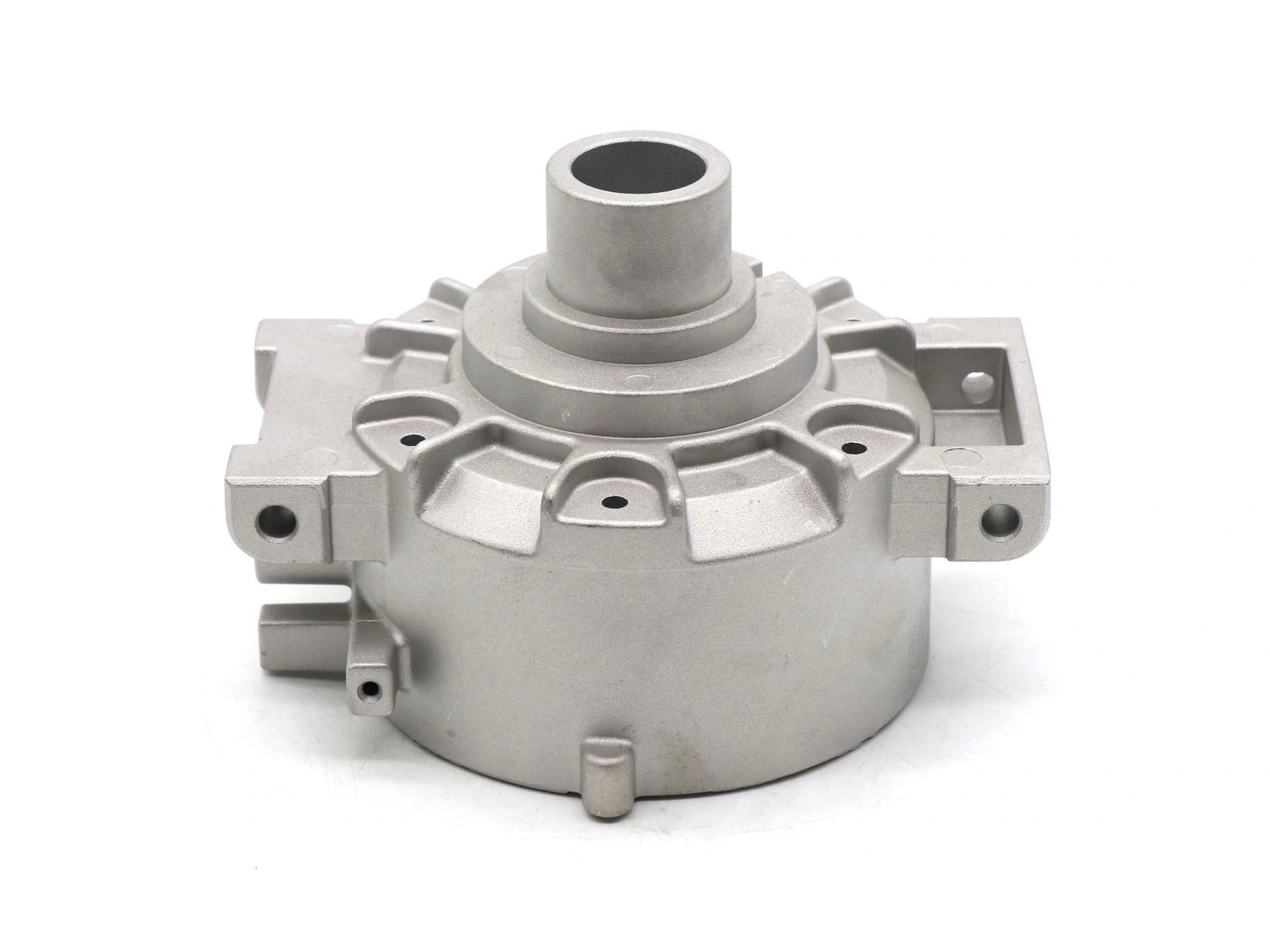
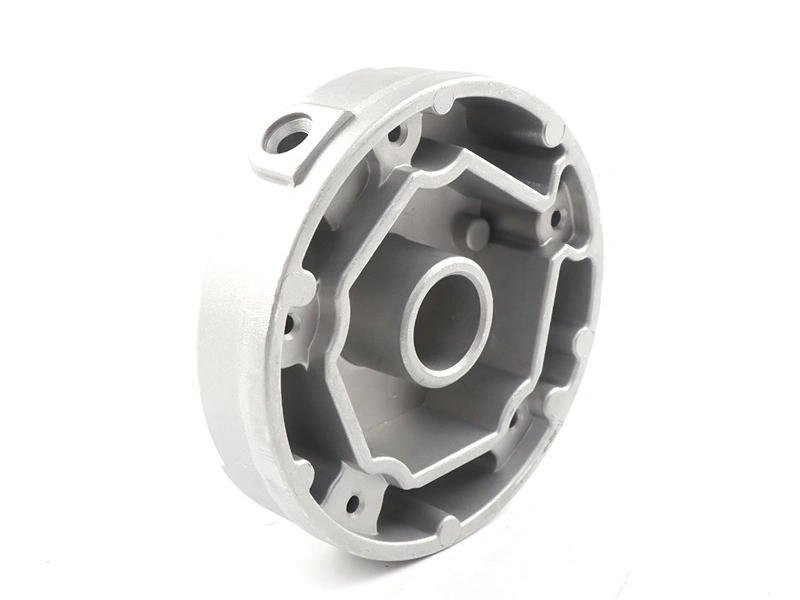
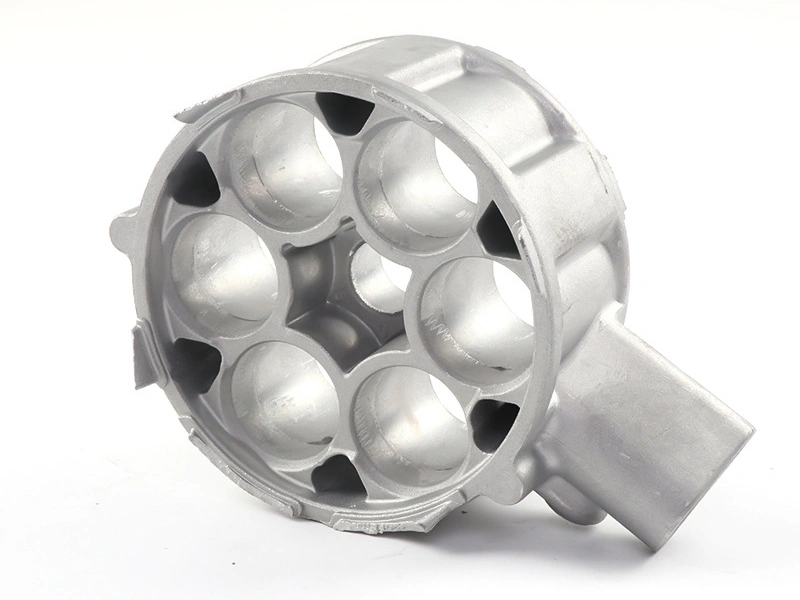
For custom aluminum die casting parts, critical features usually include mounting holes, threaded holes, sealing faces, bearing seats, locating pins, flatness control areas, cosmetic surfaces and load-bearing ribs. These areas influence whether the part can be assembled smoothly, sealed correctly, positioned accurately and used safely in the final product.
Feature Area | Typical Requirement | Manufacturing Suggestion |
|---|---|---|
Mounting holes | Hole position accuracy | CNC machining is recommended when assembly alignment is critical. |
Sealing face | Flatness and surface finish | Post-machining is usually required to reduce leakage risk. |
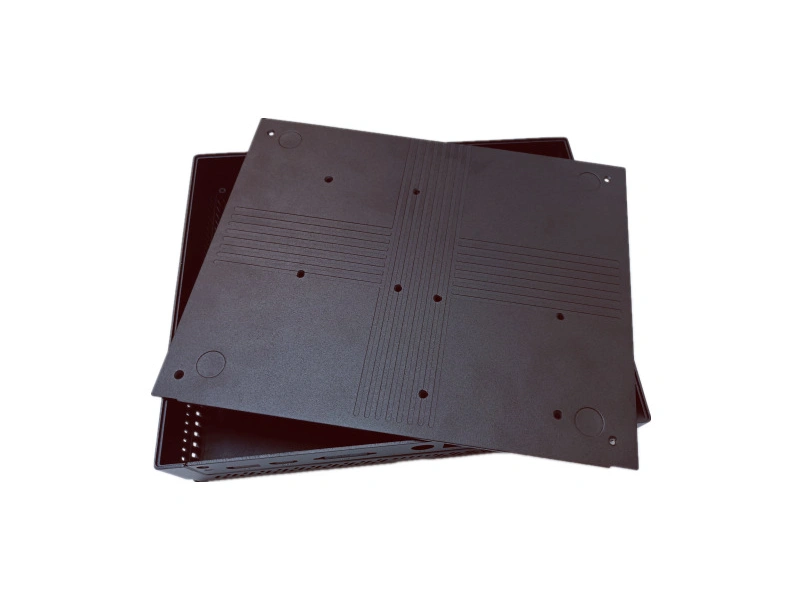
Outer housing wall | General appearance | As-cast or surface finished may be enough if it is not a functional surface. |
Internal ribs | Strength support | As-cast is usually acceptable if the ribs do not contact other parts. |
Bearing seat | Tight dimensional tolerance | CNC machining and inspection are usually required. |
2. How to Separate As-Cast Surfaces From Machined Features
A clear drawing should tell the supplier which areas can remain as-cast and which areas must be machined. As-cast areas are suitable for non-functional outer walls, internal strengthening ribs, non-contact surfaces and general housing structures. Machined features are more suitable for thread holes, sealing grooves, bearing seats, datum surfaces, locating holes and precision assembly interfaces.
This separation helps buyers control cost. Aluminum die casting is efficient for producing near-net-shape parts, while CNC machining should be used only where higher dimensional accuracy, surface flatness or functional reliability is required. Neway can combine die casting with CNC post-machining for assembly fit to help buyers avoid over-machining and under-machining at the same time.
3. What Can Go Wrong If Critical Features Are Not Defined?
If the drawing does not define critical dimensions, the supplier may only control general casting dimensions. This can cause assembly failure, leakage, poor flatness, hole position deviation or unstable cosmetic quality. If non-critical areas are given unnecessary tight tolerances, the buyer may pay for extra machining and inspection without improving the real product function.
Risk | Possible Result | Better Planning Method |
|---|---|---|
No functional dimensions marked | Supplier may treat the part as a normal casting. | Mark assembly, sealing, positioning and load-bearing features clearly. |
All dimensions use tight tolerances | Machining cost and inspection cost increase. | Apply tight tolerances only to functional areas. |
No machining allowance on key holes | Post-machining may not correct the feature properly. | Confirm machining stock before mold design. |
Cosmetic areas are not marked | Flow marks, cold shuts or color variation may be found after trial production. | Mark visible surfaces and finishing expectations early. |
4. How Neway Supports Critical Feature Review
For aluminum die casting projects with assembly, sealing, positioning or appearance requirements, buyers should involve Neway before tooling. Neway can review drawings, identify functional areas, suggest machining allowances, define inspection points and help determine which surfaces can remain as-cast. For high-precision features, CMM inspection for aluminum die casting parts can be used to verify important dimensions.
This early review reduces the risk of mold modification, repeated sampling and assembly failure. It also helps buyers get a more accurate quotation because the supplier can separate casting cost, machining cost, finishing cost and inspection cost more clearly.
Summary
Buyer Question | Recommended Decision |
|---|---|
Which features should be controlled most carefully? | Assembly, sealing, positioning, load-bearing and cosmetic areas should be reviewed first. |
Should every dimension use a tight tolerance? | No. Tight tolerance should be applied only where it protects function or assembly. |
When should CNC machining be planned? | Plan CNC machining for holes, seats, sealing faces, datum surfaces and other functional areas. |
When should Neway be involved? | Before tooling, especially when aluminum die casting parts require assembly fit, sealing or appearance control. |