How Should Buyers Evaluate Aluminum Die Cast Part Suppliers for Batch Production?
How Should Buyers Evaluate Aluminum Die Cast Part Suppliers for Batch Production?
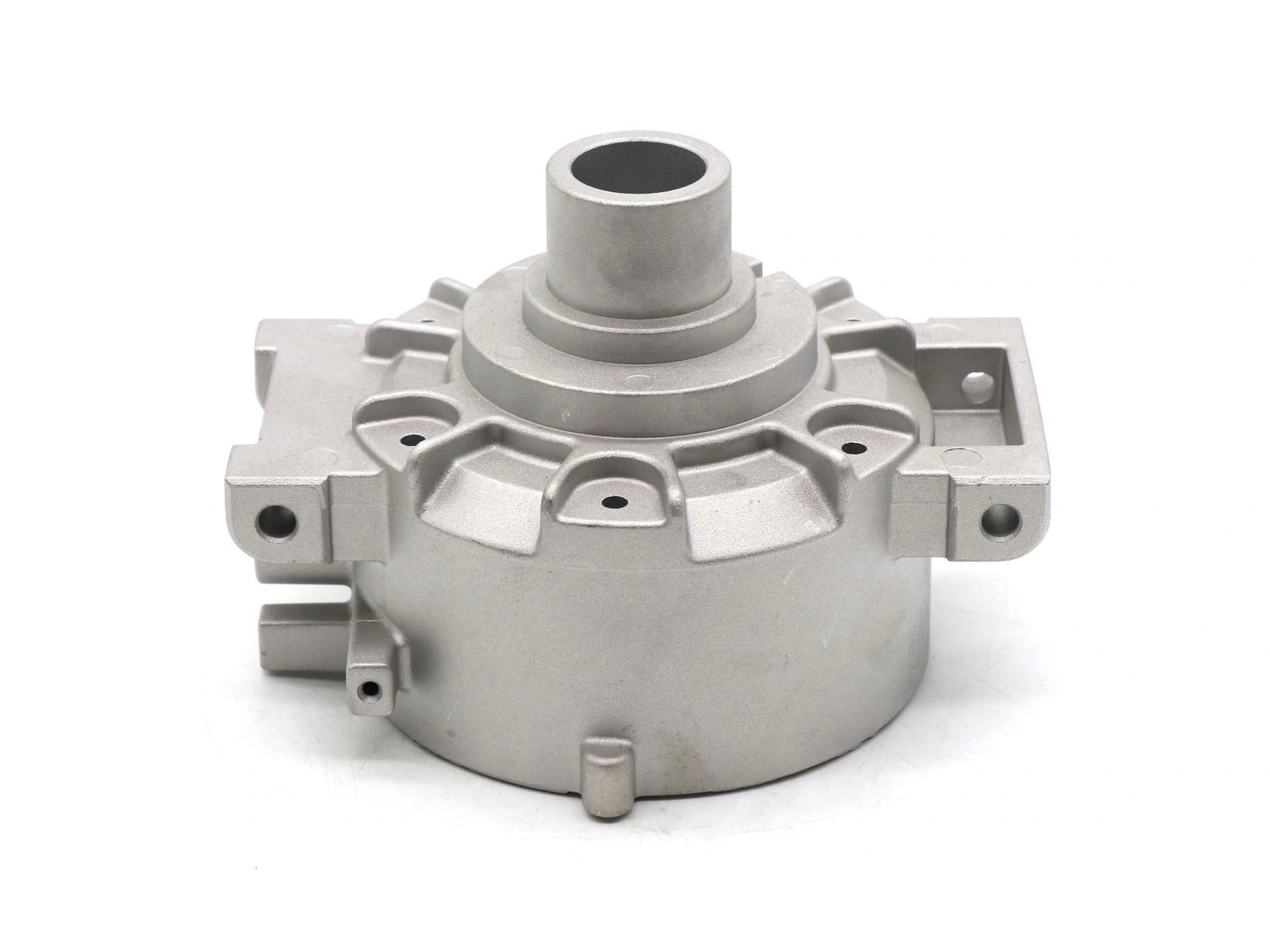
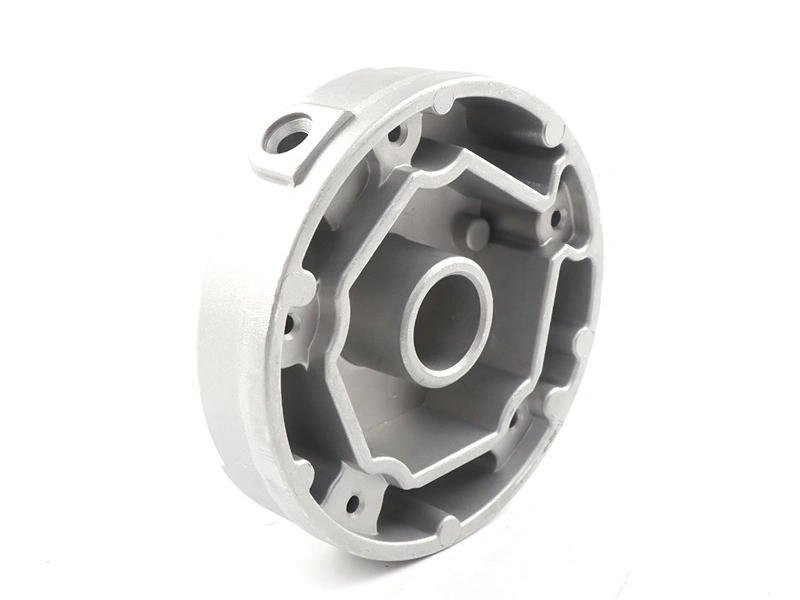
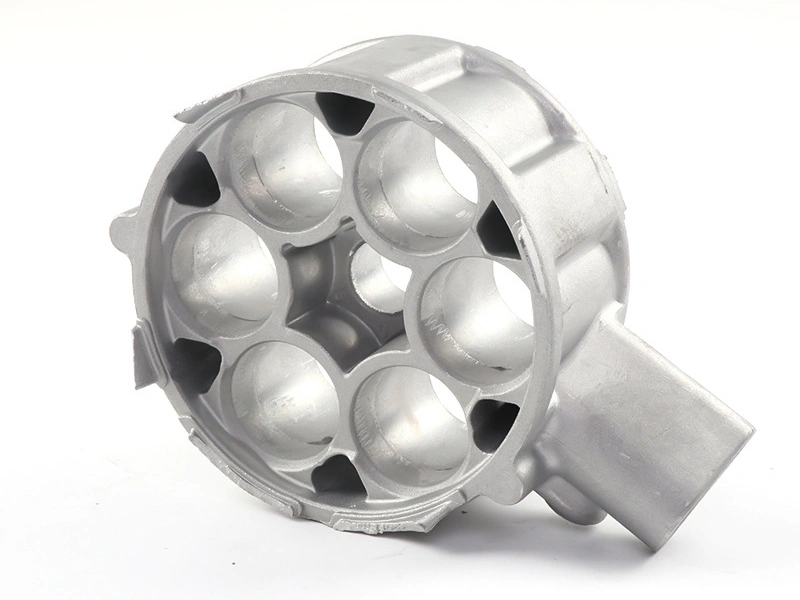
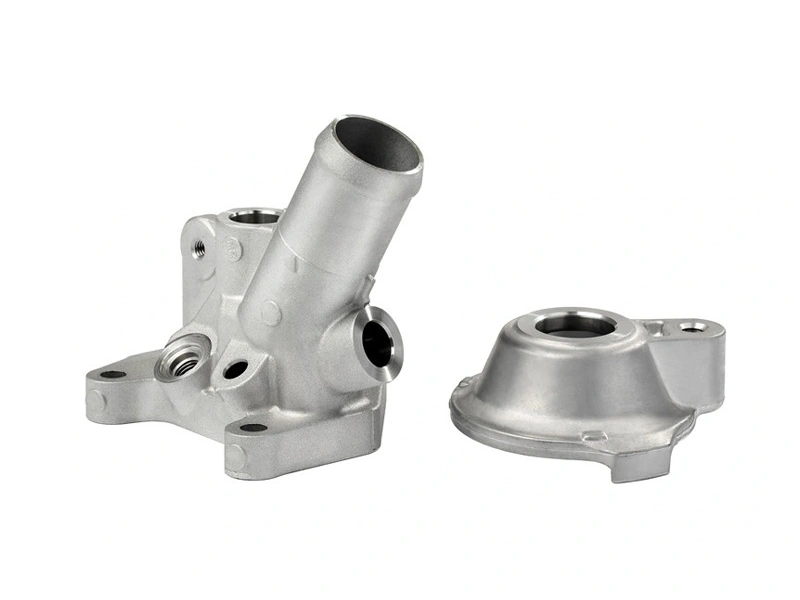
Buyers should evaluate an aluminum die cast parts supplier by more than unit price. A reliable supplier should support aluminum die casting DFM review, tool and die making, trial sample quality control, CNC machining, surface finishing, dimensional inspection, batch consistency, long-term production orders, cost reduction suggestions, packaging and delivery stability.
For long-term custom aluminum die cast parts, the most important question is whether the supplier can control the full process from design review, tooling, casting and CNC machining to surface finishing, inspection and batch delivery.
1. Evaluate DFM and Engineering Support
DFM support helps buyers reduce design risk before tooling starts. A supplier that can review wall thickness, ribs, bosses, draft, gate location, machining allowance and cosmetic surfaces can help avoid mold modification and sample failure.
Supplier Capability | Why It Matters | Buyer Benefit |
|---|---|---|
Aluminum die casting DFM review | Identifies design, mold, machining and finishing risks early | Reduces tooling modification and trial sample delay |
Material and alloy review | Helps match alloy selection with strength, weight, finishing and cost targets | Improves product performance and production stability |
Cost reduction suggestions | Finds ways to reduce unnecessary machining, finishing or tooling complexity | Improves long-term project value |
Process planning | Connects design, tooling, casting, CNC machining and inspection | Improves finished part consistency |
2. Evaluate Tool and Die Making Capability
A strong tool and die making supplier can control mold design, cavity precision, gate and runner layout, venting, cooling, ejection and machining allowance. Tooling quality directly affects aluminum die casting quality and batch stability.
Tooling Capability | Why It Matters | Buyer Risk if Missing |
|---|---|---|
Gate and runner planning | Affects filling, flow marks and porosity risk | Trial defects and unstable surface quality |
Venting and cooling design | Affects porosity, shrinkage, cycle time and dimensional stability | Warpage, exposed pores and poor batch consistency |
Machining allowance planning | Ensures enough stock for holes, threads, sealing faces and datums | Rejected machined surfaces or mold modification |
Tooling maintenance support | Helps control mold wear during repeat production | Flash, dimensional drift and unstable delivery |
3. Evaluate CNC Machining and Surface Finishing Support
Many batch production parts need CNC machining after aluminum die casting for precision holes, threaded holes, sealing faces, mounting faces and datums. Suppliers should also support polishing, painting, coating or other finishing when required.
Supplier Capability | Why It Matters | Buyer Benefit |
|---|---|---|
CNC machining | Controls finished holes, threads, sealing faces and critical dimensions | Improves assembly fit and functional reliability |
Fixture planning | Supports repeatable machining across batches | Improves consistency and reduces inspection disputes |
Surface finishing management | Controls polishing, coating, painting and appearance quality | Reduces cosmetic rejection and sample disputes |
Masking and finishing control | Prevents coating from affecting threads, fits or functional surfaces | Reduces rework and assembly problems |
4. Evaluate Inspection and Batch Consistency
A qualified supplier should provide dimensional inspection, cosmetic inspection, machining inspection, finishing inspection and batch quality control. Batch consistency is more important than only producing one good sample.
Inspection Capability | What It Controls | Buyer Benefit |
|---|---|---|
Dimensional inspection | Critical dimensions, holes, datums and flatness | Improves assembly and fit consistency |
Cosmetic inspection | Visible defects, scratches, pores, coating marks and surface quality | Reduces appearance disputes |
Machining inspection | Thread quality, hole position, roughness and sealing faces | Improves functional reliability |
Batch inspection control | Consistency across repeated production batches | Supports long-term stable orders |
5. Compare Related Material and Production Capabilities
Some aluminum die casting projects may need comparison with other material routes. A supplier with custom metal casting service capability can help buyers compare aluminum, zinc and copper alloy options. Zinc die casting supplier capability is useful for small precision parts, while copper die casting supplier capability is useful for conductive or functional parts.
6. Why Low Unit Price Is Not Enough
For batch production for aluminum die cast parts, the lowest quotation may not be the best choice if the supplier cannot control tooling, casting, machining, finishing, inspection and delivery. Poor process control can create higher total cost through rework, scrap, tooling modification, delivery delays and quality disputes.
Supplier Evaluation Item | Why It Matters |
|---|---|
DFM review | Reduces design and tooling risk before mold making |
Tool and die making | Controls mold quality, cycle time, tool life and production stability |
CNC machining support | Controls finished holes, threads, sealing faces and assembly datums |
Surface finishing control | Controls appearance, protection and final customer acceptance |
Inspection and batch consistency | Supports stable long-term production quality |
Packaging and delivery stability | Reduces damage, delay and supply chain risk |
7. Summary
Buyers Should Evaluate | Why It Matters |
|---|---|
DFM and engineering support | Reduces design, mold and trial sample risk |
Tool and die making capability | Controls mold quality and batch production stability |
CNC machining support | Controls holes, threads, sealing faces and critical dimensions |
Surface finishing ability | Controls appearance, coating, painting and finishing quality |
Inspection and batch consistency | Ensures stable quality across repeat production orders |
Cost reduction and delivery support | Improves long-term purchasing value beyond unit price |
In summary, buyers should evaluate aluminum die cast part suppliers by DFM review, tool and die making, trial sample control, CNC machining, surface finishing, dimensional inspection, batch consistency, cost reduction support, packaging and delivery stability. For long-term projects, buyers should not compare only unit price, but the supplier’s ability to control the full production process.