How Should Buyers Match Aluminum Alloy Die Casting to Product Function?
How Should Buyers Match Aluminum Alloy Die Casting to Product Function?
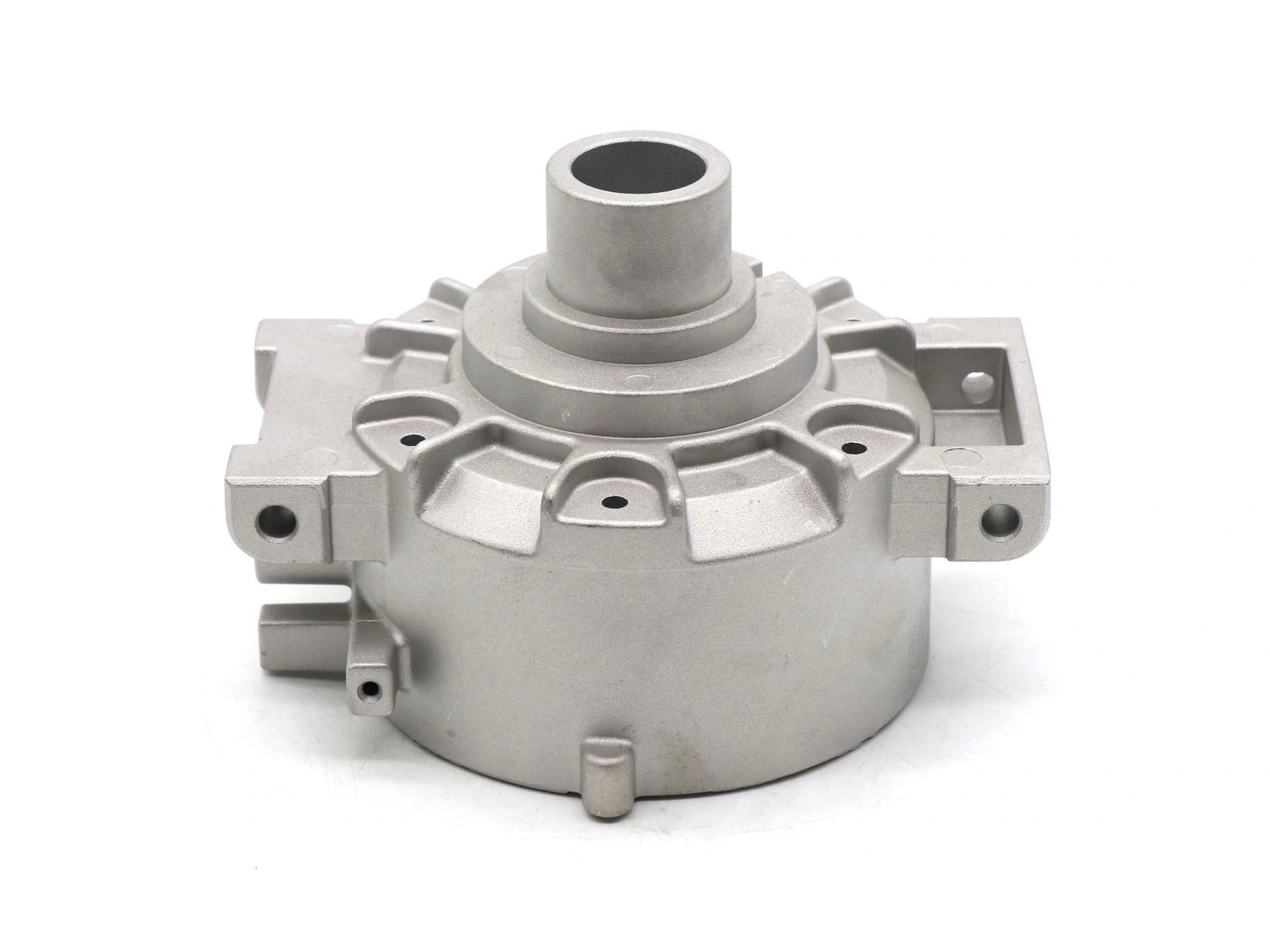
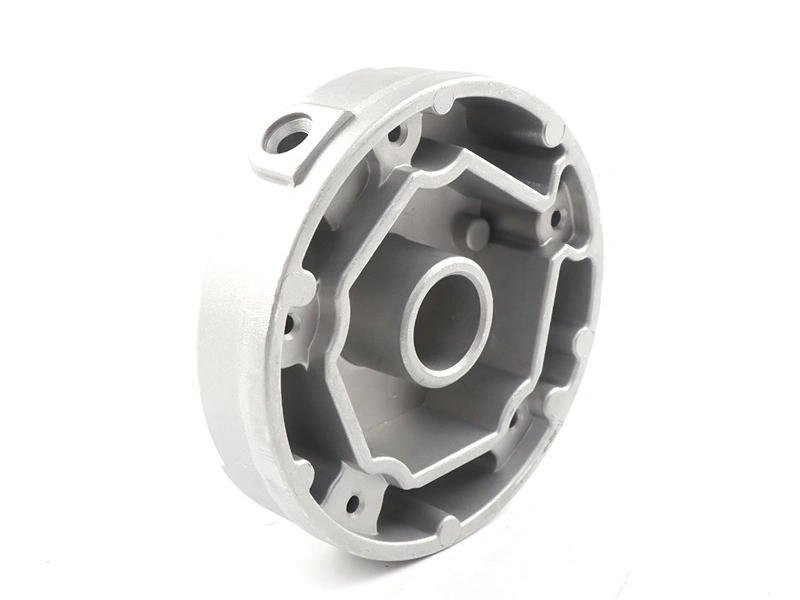
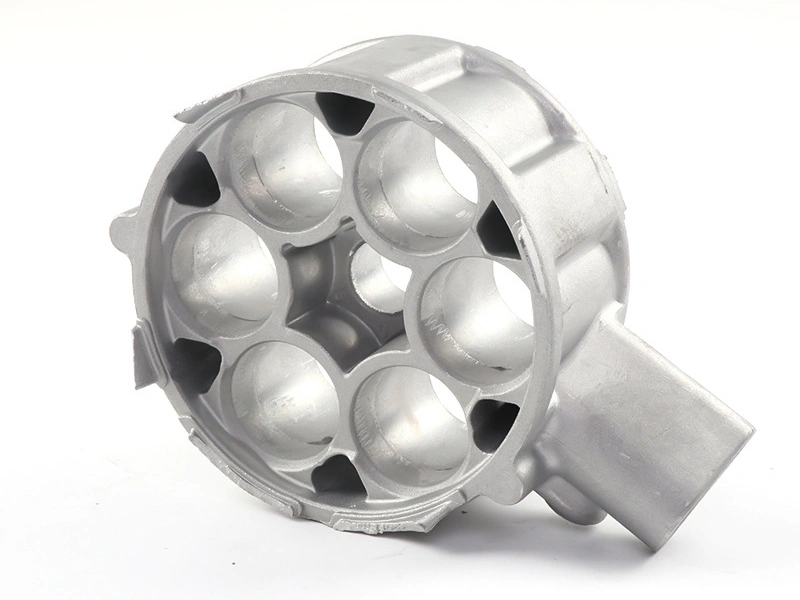
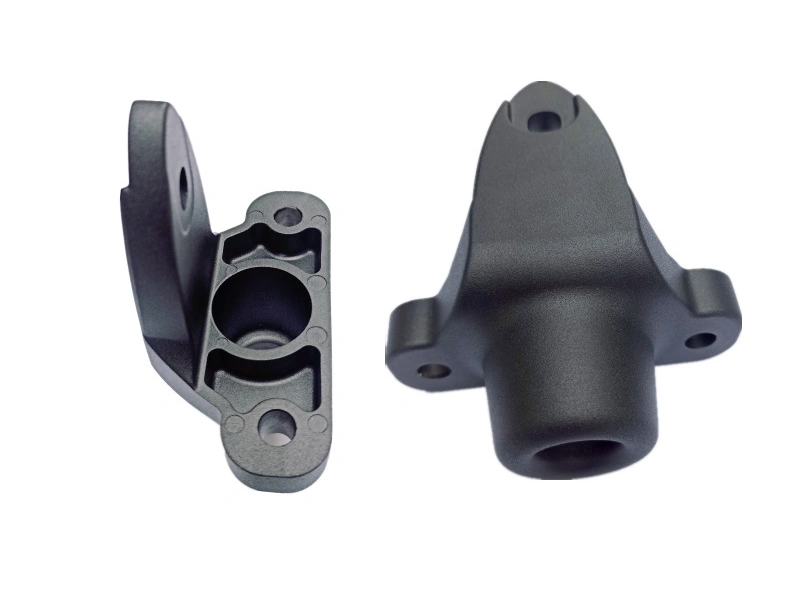
Buyers should match aluminum alloy die casting to product function by checking whether the part needs lightweight design, strength, heat dissipation, corrosion protection, CNC machined features or cosmetic surface finishing. The best alloy direction depends on how the part will be used, not only on material price.
This is especially important for buyers who already know they need aluminum die casting but are not sure which material direction is suitable. Automotive housings, lighting housings, electronic enclosures, motor covers, brackets and heat sink housings all need different balances of strength, weight, thermal performance, machining and surface treatment.
1. Match Alloy Direction to Product Function
Product Function | What Buyers Should Check | Why It Matters |
|---|---|---|
Lightweight structure | Whether the part needs reduced weight while keeping enough strength | Helps balance part performance and production stability |
Load-bearing areas | Whether brackets, bosses or mounting points must carry mechanical load | Reduces cracking, deformation and assembly failure |
Heat dissipation | Whether the part needs thermal conductivity, heat sink ribs or flat contact faces | Improves thermal performance and product reliability |
Outdoor or industrial use | Whether corrosion protection, coating or painting is required | Improves long-term service performance |
2. Check Machining and Assembly Requirements
Aluminum alloy selection should be reviewed together with CNC machining after aluminum die casting. If the part has holes, threads, sealing faces, bearing holes or datum surfaces, the supplier should evaluate material stability, machining allowance and inspection standards before tooling.
Machining or Assembly Need | Buyer Should Confirm | Risk Reduced |
|---|---|---|
Threaded holes | Thread size, depth, burr control and gauge inspection | Fastening failure and rework |
Mounting holes | Hole position, tolerance and assembly fit | Assembly mismatch |
Sealing faces | Flatness, roughness and porosity risk after machining | Leakage and functional rejection |
Datum surfaces | Fixture reference, inspection method and repeatability | Batch dimension variation |
3. Check Surface Finishing and Environment
If the part needs polishing, painting, powder coating or outdoor protection, buyers should confirm whether the alloy direction, casting quality and surface standard support the final appearance and function.
Surface Requirement | What Buyers Should Confirm | Commercial Value |
|---|---|---|
Polishing | Whether visible surfaces can be polished without exposing defects | Improves appearance approval |
Painting or powder coating | Color, coating thickness, masking and adhesion requirements | Reduces coating defects and assembly problems |
Industrial environment | Corrosion protection, durability and inspection standard | Improves long-term product reliability |
4. Compare Other Casting Material Routes When Needed
Some projects may need comparison with zinc alloy die casting comparison for smaller precision parts or copper alloy die casting for functional parts when conductivity, thermal performance or wear resistance is more important. A custom metal casting service review helps buyers choose the right material route.
5. Summary
Buyer Decision Point | Main Purpose |
|---|---|
Lightweight, strength and thermal needs | Match alloy direction to real product function |
Holes, threads, sealing faces and datums | Plan CNC machining and inspection before tooling |
Polishing, painting and powder coating | Confirm surface finish compatibility early |
Batch production stability | Reduce material selection mistakes and long-term rework |
In summary, buyers should match aluminum alloy die casting to product function by reviewing strength, weight, heat dissipation, machining, surface finish and production volume together. If buyers are unsure which alloy direction fits the project, they should choose a supplier that can provide material evaluation, tool and die making for aluminum die casting, CNC machining and production support.