How Should Buyers Plan Ribs, Bosses and Mounting Features in Aluminum Parts?
How Should Buyers Plan Ribs, Bosses and Mounting Features in Aluminum Parts?
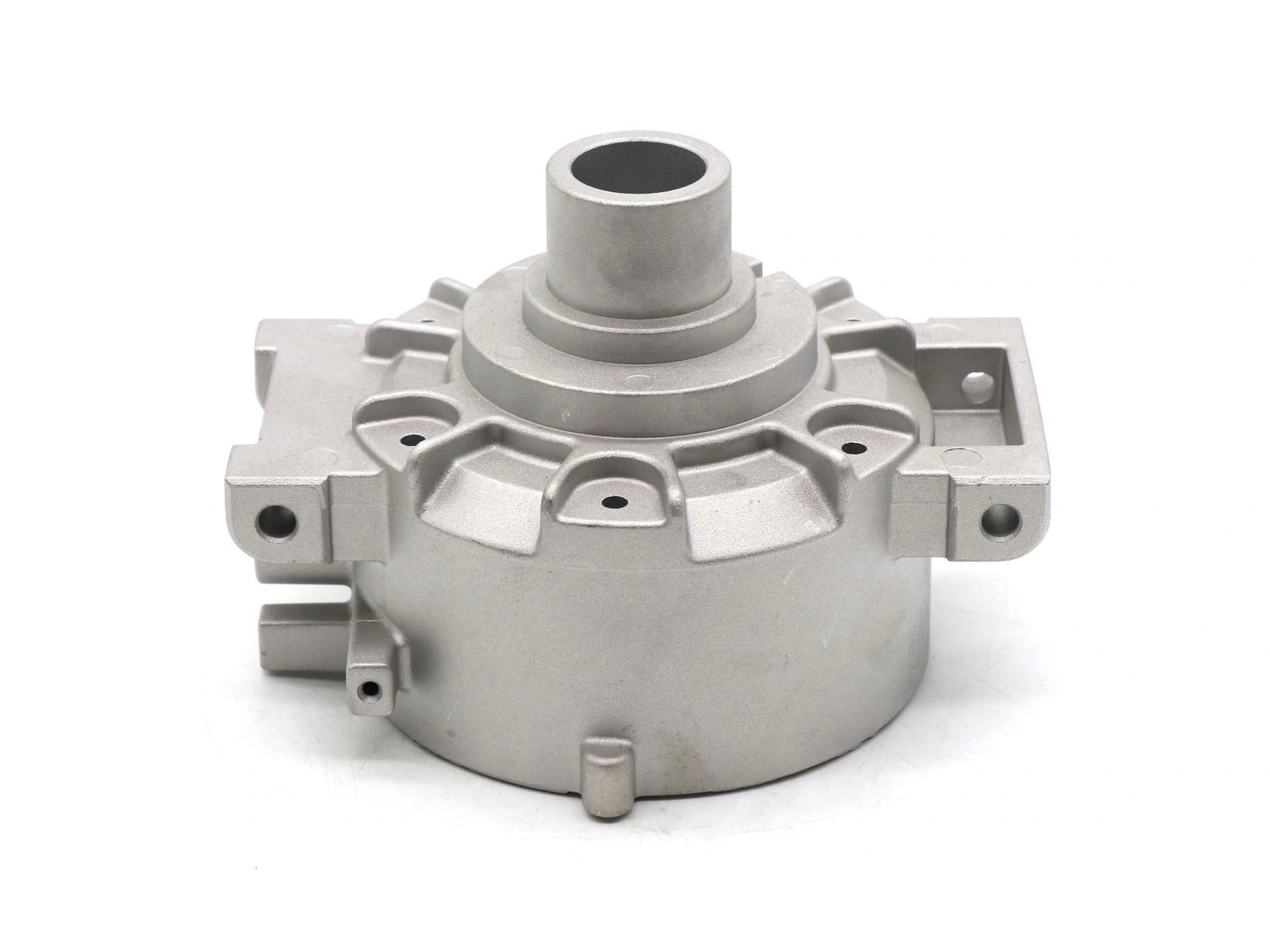
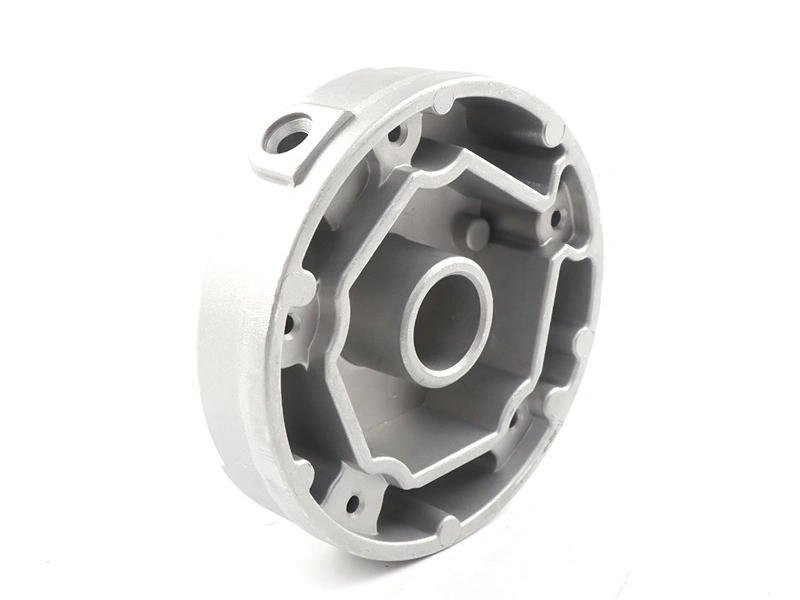
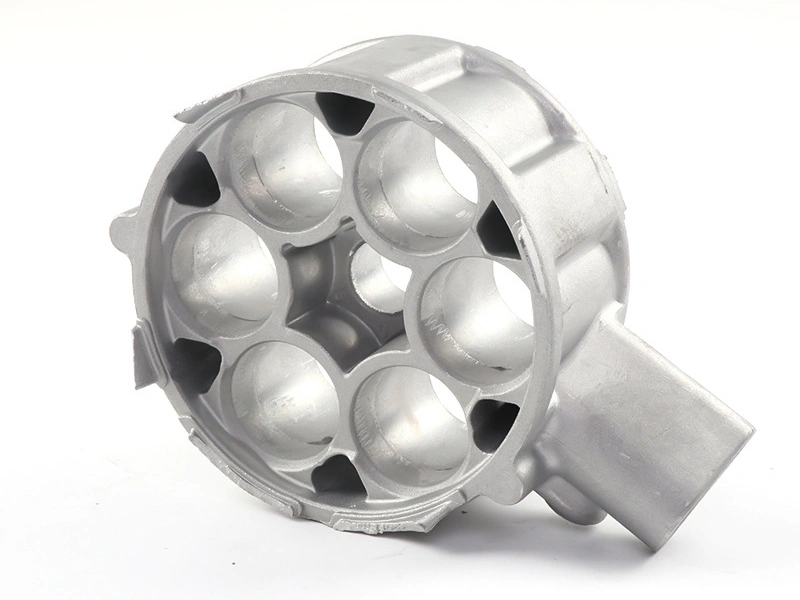
Buyers should plan ribs, bosses and mounting features in die cast aluminum parts with ribs and bosses by checking rib thickness, boss structure, screw strength, mounting hole machining, metal flow, mounting surface flatness, assembly datums and tooling feasibility before mold making.
Ribs, bosses and mounting features are often the structures that most affect assembly, strength and quality in aluminum die casting design. Buyers should complete DFM review before tool and die making to reduce shrinkage, hole position errors, assembly interference and mold modification risk.
1. Plan Ribs for Strength and Casting Stability
Rib Design Factor | Why It Matters | Risk if Ignored |
|---|---|---|
Rib thickness | Ribs should add stiffness without creating local thick sections | Shrinkage marks, porosity or weak filling |
Rib height and spacing | Influence strength, heat dissipation, ejection and metal flow | Warping, filling defects or tooling complexity |
Rib connection areas | Ribs should transition smoothly into walls and bosses | Stress concentration and local defects |
2. Plan Bosses for Fastening and Shrinkage Control
Bosses are often used around screws, pins, inserts and assembly points. Poor boss design can create local shrinkage, weak screw areas, thread failure or cosmetic sink marks.
Boss Design Area | Buyer Should Check | Manufacturing Risk Reduced |
|---|---|---|
Boss wall thickness | Whether the boss is too thick or too thin for stable casting | Shrinkage, cracking and weak fastening areas |
Screw strength | Whether the structure supports fastening loads and repeated assembly | Thread damage and assembly failure |
Boss connection to ribs | Whether ribs support the boss without creating thick hot spots | Local sink marks and unstable strength |
3. Plan Mounting Holes and Surfaces for Post-Machining
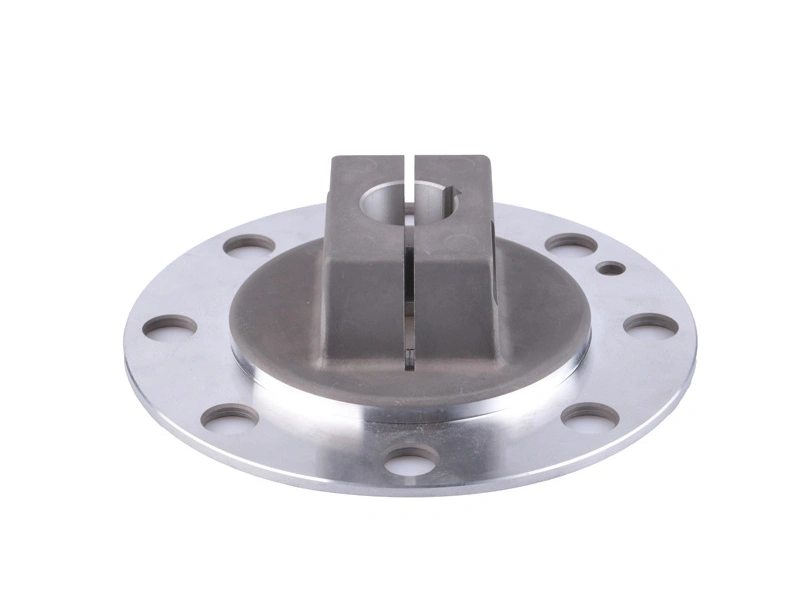
Mounting holes, threaded holes and flat mounting surfaces often require CNC machining for mounting holes. Buyers should identify which features need tight control and which surfaces can remain as-cast.
Mounting Feature | Why CNC Machining May Be Needed | Buyer Should Define |
|---|---|---|
Mounting holes | Hole position and diameter affect assembly alignment | Hole tolerance, position tolerance and inspection method |
Threaded holes | Threads usually require controlled drilling and tapping | Thread size, depth and gauge requirement |
Mounting surfaces | Flatness may affect assembly fit and product stability | Flatness, datum reference and machining allowance |
Assembly datums | Datums control machining, inspection and final assembly | Datum location and tolerance standard |
4. Review Tooling and Metal Flow Before Production
Ribs, bosses and mounting features can influence metal flow and tooling complexity. A custom metal casting design review helps confirm whether these details can be filled, cooled, ejected and inspected reliably.
Tooling Review Area | Why It Matters | Risk Reduced |
|---|---|---|
Metal flow path | Complex ribs and bosses may block or change filling behavior | Short filling, flow marks and porosity |
Cooling design | Bosses and thick areas need balanced cooling | Shrinkage and local deformation |
Ejection planning | Mounting features should release without damage | Ejector marks, drag marks and part damage |
5. Compare Structures With Other Material Routes
For small mounting parts, zinc die casting for small mounting parts may be reviewed when precision details and surface quality matter. For functional parts requiring conductivity or special performance, copper die casting functional parts may be more suitable.
6. Summary
Feature Type | Buyer Planning Focus |
|---|---|
Ribs | Balance strength, rib thickness, metal flow and casting stability |
Bosses | Control shrinkage risk, screw strength and local wall thickness |
Mounting holes | Define CNC machining, hole tolerance and thread requirements |
Mounting surfaces | Confirm flatness, datum surfaces and assembly requirements |
Tooling feasibility | Review DFM before mold making to reduce trial sample problems |
In summary, ribs, bosses and mounting features should be reviewed before tooling because they affect strength, filling, shrinkage, CNC machining and assembly. A clear DFM review helps buyers reduce mold changes, sample defects and production delays.