How Should Buyers Specify Aluminum Surface Treatment Requirements?
How Should Buyers Specify Aluminum Surface Treatment Requirements?
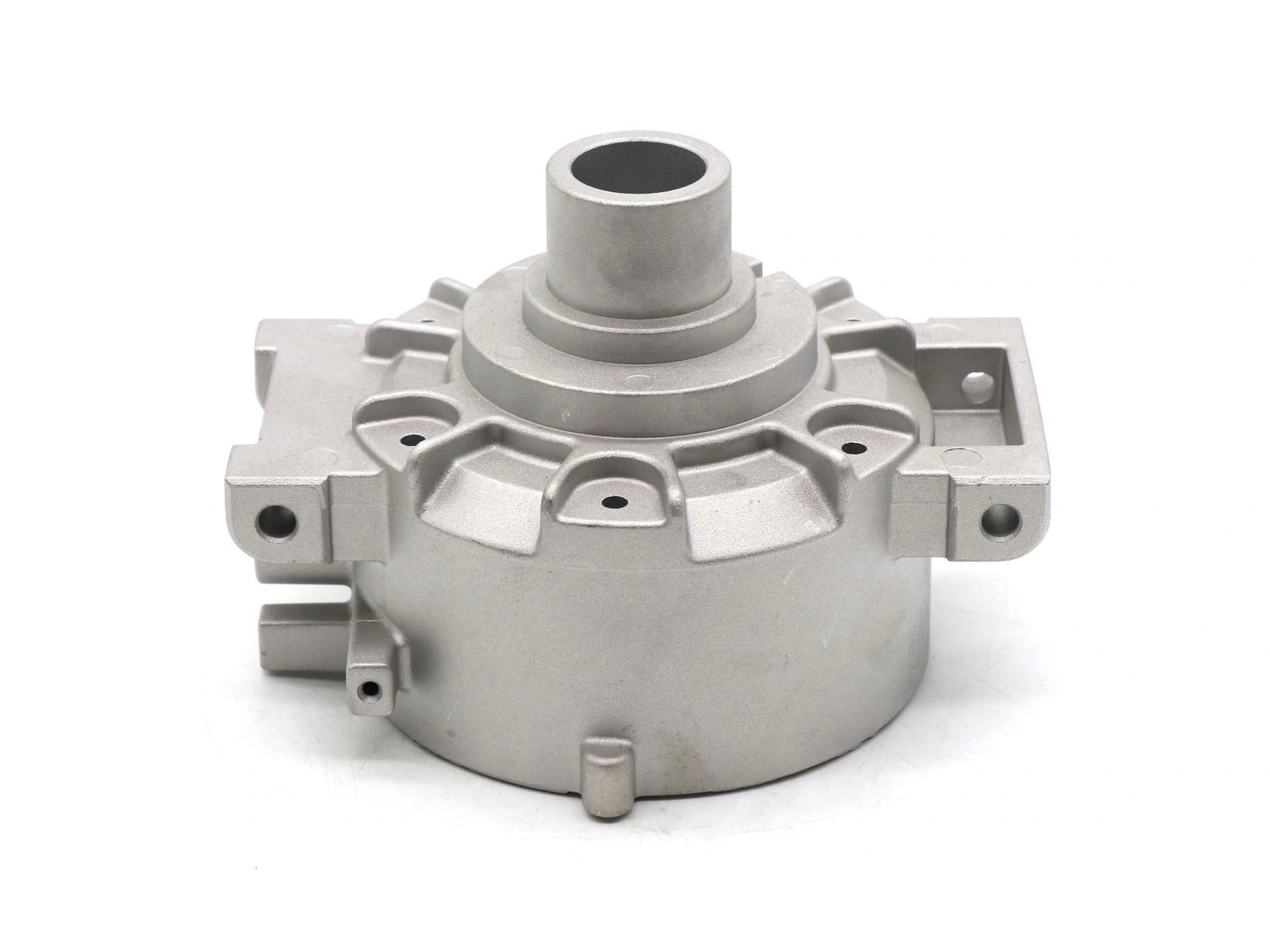
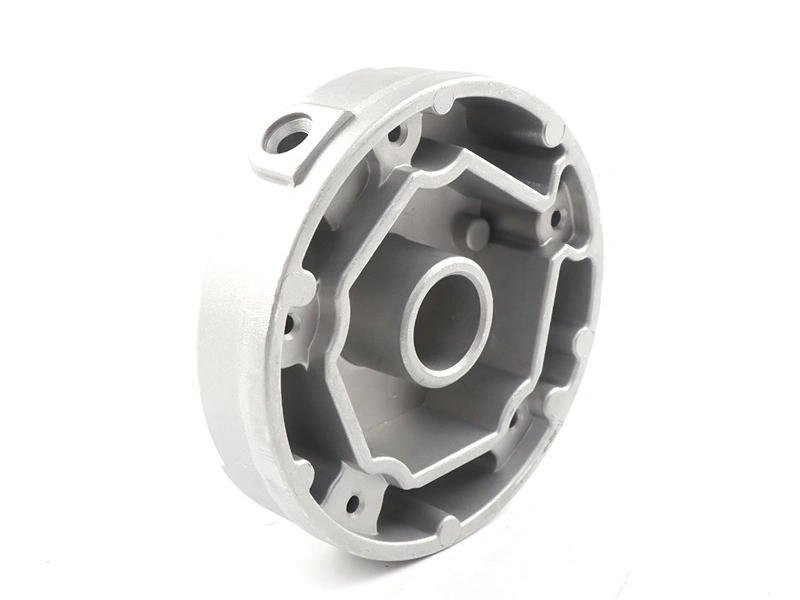
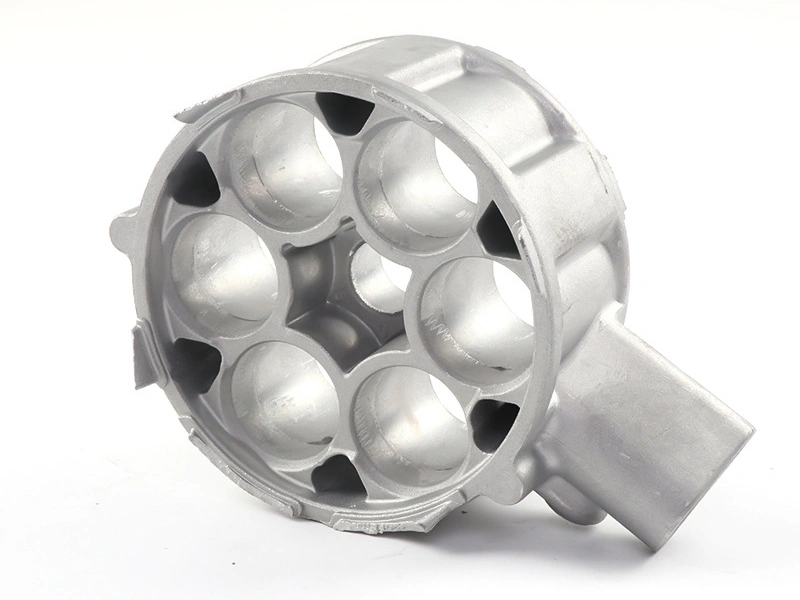
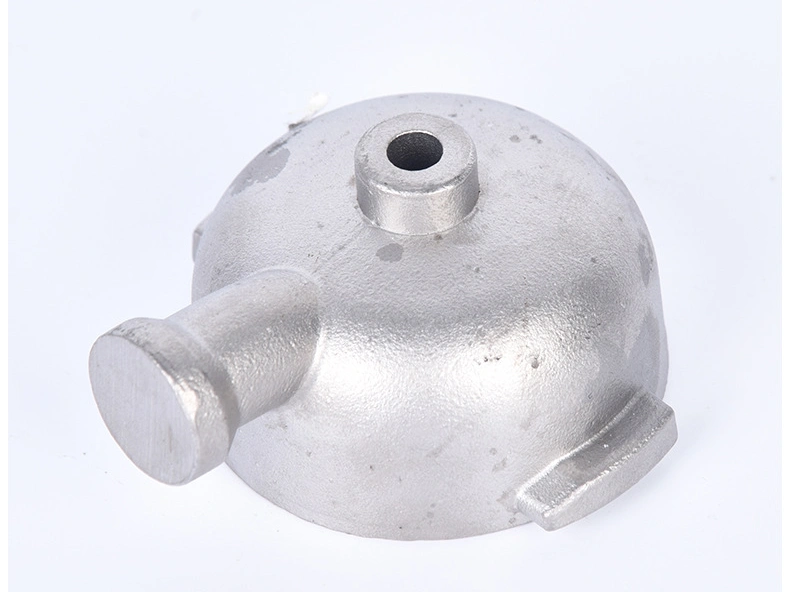
Buyers should specify aluminum surface treatments by providing 2D drawings, 3D models, cosmetic surface markings, functional surface markings, color requirements, surface roughness requirements, coating or painting type, working environment, corrosion test requirements, acceptable defect standards, reference photos or samples, annual demand, and any CNC machining requirements. Clear surface treatment requirements help suppliers quote accurately and reduce sample rework, appearance disputes, and batch production risk.
For appearance parts and assembly parts, surface treatment requirements should be confirmed as early as possible. A professional aluminum die casting supplier needs to understand the final surface requirement before tooling, casting, CNC machining, coating, inspection, and packaging are planned. If the buyer only says “surface finish required” without details, the supplier may not know which areas need cosmetic finishing, which areas need functional control, and which areas can remain as-cast.
1. What Buyers Should Provide for Aluminum Surface Treatment RFQ
A complete RFQ should explain both the part geometry and the final surface requirement. This allows the supplier to evaluate surface preparation, coating process, masking, CNC machining, inspection, cost, and lead time before production starts.
RFQ Information | Why It Matters | How It Helps the Supplier |
|---|---|---|
2D drawing | Shows dimensions, tolerances, surface notes, functional features, and inspection points | Helps identify cosmetic surfaces, machined areas, masking areas, and critical tolerances |
3D model | Shows geometry, curves, ribs, bosses, grooves, holes, and hard-to-finish areas | Helps evaluate polishing, coating, fixture, and tooling risks |
Cosmetic surface markings | Defines which surfaces must meet appearance standards | Prevents unnecessary finishing on hidden surfaces and improves quote accuracy |
Functional surface markings | Defines surfaces that affect assembly, sealing, positioning, or contact | Helps decide where CNC machining, masking, or controlled finishing is needed |
Annual demand | Production volume affects finishing method, inspection plan, and unit cost | Helps balance cost, quality, and batch production stability |
2. How to Mark Cosmetic, Functional, and Non-Visible Surfaces
Buyers should separate cosmetic surfaces, functional surfaces, and non-visible surfaces in the drawing or RFQ. This is one of the most effective ways to control aluminum surface treatment cost and avoid misunderstanding.
Surface Category | Meaning | Recommended Requirement |
|---|---|---|
Cosmetic surface | Visible surface that affects customer appearance acceptance | Define finish type, color, texture, gloss, defect limit, and inspection method |
Functional surface | Surface that affects assembly, sealing, positioning, or performance | Define tolerance, roughness, masking, and whether CNC machining after die casting is required |
Non-visible surface | Hidden or low-visibility surface without strict appearance requirement | Use standard casting finish, deburring, or basic protection unless function requires more |
Coating preparation surface | Surface that will receive painting, powder coating, plating, or other finishing | Define cleaning, polishing, coating thickness, masking, and final acceptance standard |
3. Why Color, Roughness, and Finish Type Should Be Defined
Surface treatment requirements can be interpreted differently if buyers do not define color, roughness, coating type, gloss, texture, or finish standard. A “smooth surface” may mean simple deburring to one supplier but cosmetic polishing to another. A “black finish” may mean painting, powder coating, anodizing direction, or another coating route.
Requirement | Why It Matters | Buyer Should Define |
|---|---|---|
Color requirement | Color affects painting, powder coating, plating, and sample approval | Color code, reference sample, gloss level, texture, and acceptable color difference |
Surface roughness | Roughness affects appearance, coating adhesion, sealing, and contact performance | Ra value or practical finish level for cosmetic and functional areas |
Coating or painting type | Different finishes have different cost, durability, appearance, and inspection requirements | Painting, powder coating, plating, polishing, deburring, anodizing direction, or other finish |
Finish grade | Higher grades require more polishing, surface preparation, and inspection | Cosmetic level, viewing distance, acceptable defects, and sample approval rule |
4. How Use Environment Affects Surface Treatment Requirements
The working environment strongly affects surface treatment selection. Indoor products, outdoor equipment, automotive parts, industrial housings, humid environments, and corrosion-exposed parts may need different surface protection levels. If the environment is not defined, the supplier may quote a finish that looks acceptable but does not meet long-term durability requirements.
Use Environment | Surface Treatment Concern | Buyer Should Confirm |
|---|---|---|
Indoor consumer product | Appearance, color consistency, touch feel, and basic protection | Cosmetic surfaces, color, gloss, texture, and acceptable marks |
Outdoor equipment | Corrosion resistance, UV exposure, coating durability, and weather protection | Coating type, corrosion test, service life, and inspection standard |
Automotive part | Temperature, vibration, corrosion, assembly fit, and batch consistency | Functional surfaces, corrosion standard, coating thickness, and CNC machining areas |
Industrial housing | Wear resistance, corrosion protection, handling damage, and coating adhesion | Powder coating, painting, masking, roughness, and inspection method |
Humid or corrosive environment | Moisture resistance, surface cleanliness, coating adhesion, and corrosion testing | Salt spray test, adhesion test, coating thickness, and acceptable corrosion level |
5. Why Corrosion Test and Defect Standards Should Be Stated Early
If buyers need corrosion resistance, the test standard should be included in the RFQ. Requirements such as salt spray testing, coating adhesion, coating thickness, and appearance inspection can change surface preparation, coating method, inspection cost, and lead time.
Acceptable defect standards should also be defined early. Without clear limits for scratches, pores, flow marks, coating marks, color variation, roughness, and parting lines, sample approval and batch inspection can become difficult.
Standard to Define | Why It Matters | Risk if Missing |
|---|---|---|
Corrosion test requirement | Determines surface preparation, coating route, inspection time, and validation cost | Late cost increase or sample rejection after production |
Coating thickness range | Affects corrosion resistance, appearance, holes, threads, and assembly clearance | Coating interference, poor fit, or inconsistent protection |
Acceptable defect standard | Defines what surface marks, pores, scratches, and color variation are acceptable | Appearance disputes and batch rejection risk |
Inspection method | Defines how surface quality should be checked | Different teams may judge the same surface differently |
6. Why Reference Photos or Samples Help Surface Treatment Communication
Reference photos or physical samples are useful because surface treatment language can be subjective. Terms such as “good finish,” “smooth surface,” “high quality coating,” or “acceptable appearance” may not be precise enough for production.
Reference Material | How It Helps | Buyer Benefit |
|---|---|---|
Approved sample photo | Shows the expected color, texture, gloss, and finish level | Reduces misunderstanding during quotation and sample approval |
Physical sample | Shows real touch feel, coating thickness, color, and appearance quality | Improves consistency between prototype and production |
Rejected defect photo | Shows what defects are not acceptable | Helps supplier avoid repeated appearance problems |
Marked drawing | Shows cosmetic, functional, and non-visible areas clearly | Improves quote accuracy and reduces unnecessary treatment cost |
7. When CNC Machining Should Be Confirmed with Surface Treatment
CNC machining should be confirmed together with surface treatment when the part has holes, threads, sealing faces, flat datums, mounting faces, bearing seats, or precision assembly areas. These areas may need machining before coating, masking during coating, or machining after coating depending on the final requirement.
Feature | Why It Affects Surface Treatment | Buyer Should Confirm |
|---|---|---|
Mounting holes | Coating buildup may affect screw fit or hole diameter | Whether holes need masking or post-coating machining |
Threads | Paint or coating can interfere with fastening | Thread masking, post-treatment tapping, or final thread inspection |
Sealing faces | Coating thickness or roughness may affect sealing performance | Whether the sealing face should be machined, masked, or controlled after treatment |
Assembly datums | Finished thickness may affect dimensional references | Datum control, coating thickness, and inspection method |
8. How Clear Requirements Reduce Cost and Lead Time Risk
Clear aluminum surface treatment requirements reduce quotation errors, sample rework, cosmetic disputes, coating failures, inspection uncertainty, and mass production delays. They also help the supplier plan tooling, die casting, CNC machining, surface preparation, finishing, masking, inspection, and packaging in one workflow.
Unclear Requirement | Possible Risk | Clear Requirement Benefit |
|---|---|---|
No cosmetic surface marking | Supplier may finish too many or too few surfaces | More accurate quotation and lower unnecessary finishing cost |
No functional surface marking | Coating may affect holes, threads, sealing faces, or assembly fit | Better masking, CNC machining, and inspection planning |
No corrosion standard | Surface treatment may not meet working environment requirements | Better process selection and lower durability risk |
No defect standard | Buyer and supplier may disagree during sample or batch inspection | Fewer appearance disputes and clearer acceptance rules |
No annual demand | Supplier may not optimize process and inspection method for production volume | Better cost control and batch production planning |
9. Summary
Buyer Should Provide | Purpose |
|---|---|
2D drawing and 3D model | Define geometry, dimensions, tolerances, and hard-to-finish areas |
Cosmetic surface markings | Show which visible surfaces need appearance control |
Functional surface markings | Show which surfaces affect fit, sealing, positioning, or performance |
Color and surface roughness requirements | Define final appearance, texture, gloss, and finish level |
Coating or painting type | Clarify the expected surface treatment process |
Use environment and corrosion test requirements | Help select the correct protective finish and validation standard |
Acceptable defect standard | Reduce visual inspection disputes and sample rejection |
Sample or reference photos | Clarify expected color, texture, gloss, and appearance level |
Annual demand | Help plan finishing cost, inspection method, and production stability |
CNC machining requirements | Define holes, threads, sealing faces, datums, and other functional areas that need dimensional control |
In summary, buyers should specify aluminum surface treatment requirements by providing 2D drawings, 3D models, cosmetic and functional surface markings, color requirements, roughness targets, coating or painting type, use environment, corrosion test standards, acceptable defect limits, reference photos or samples, annual demand, and CNC machining requirements. Clear requirements help the aluminum die casting supplier reduce quotation errors, sample rework, appearance disputes, finishing defects, and batch production risk while improving cost and lead time control.