How Should Die Cast Aluminum Parts Be Validated for Functional Use?
How Should Die Cast Aluminum Parts Be Validated for Functional Use?
Die cast aluminum parts should be validated for functional use by checking critical dimensions, assembly fit, threaded holes, sealing faces, datum surfaces, flatness, machined features, surface finish, coating impact and repeatability across trial samples or small batches.
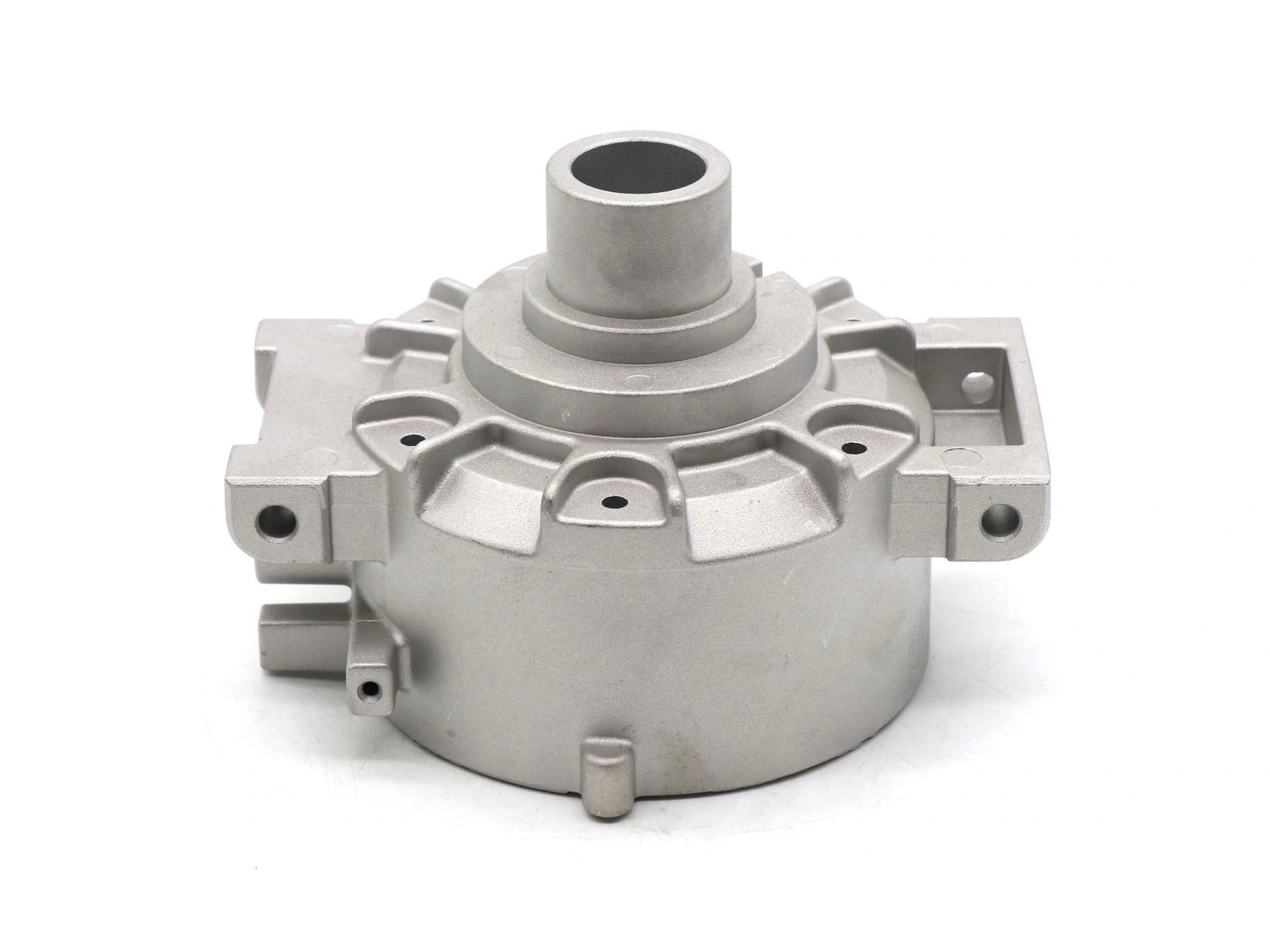
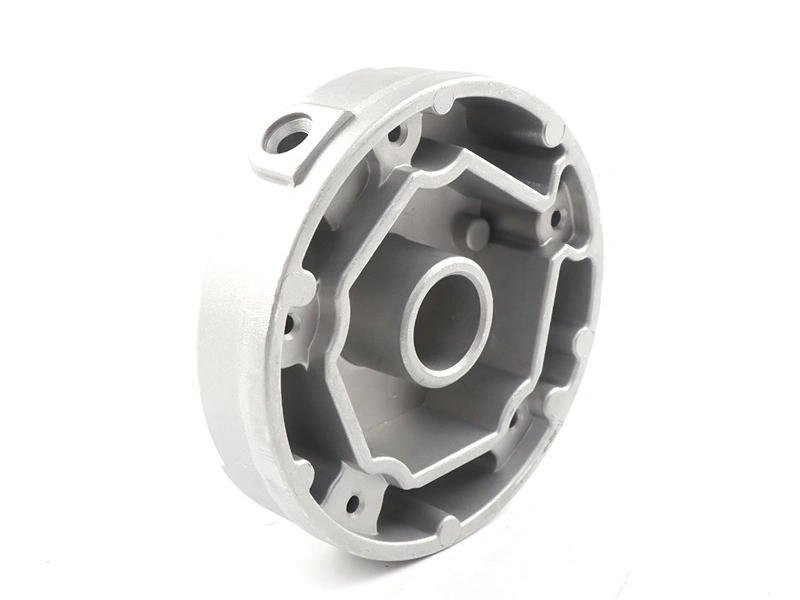
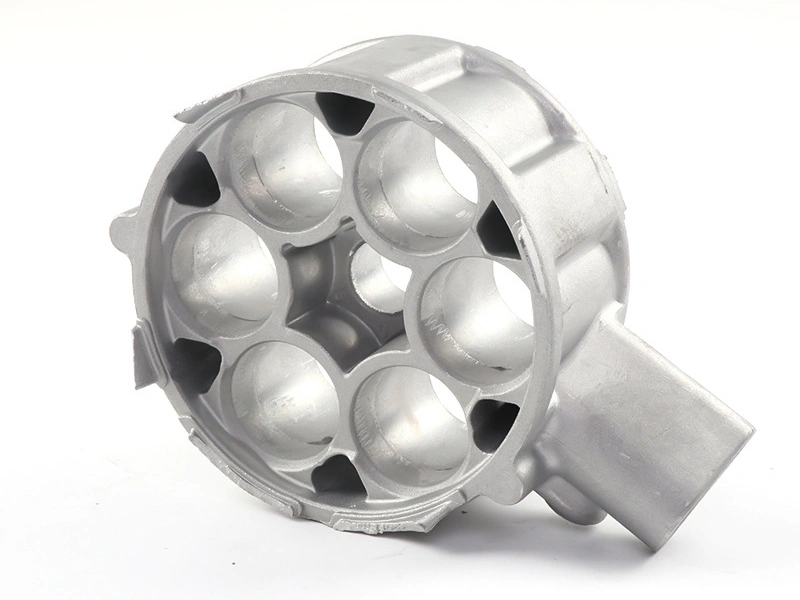
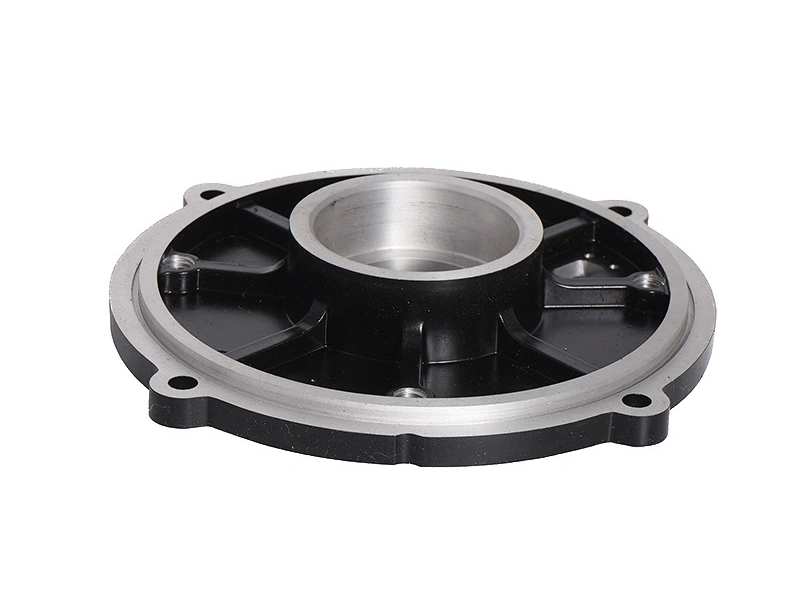
This FAQ is useful for buyers whose parts are not only decorative components but must support assembly, sealing, load, heat transfer or positioning. Common projects include motor covers, pump bodies, mounting brackets, heat sink housings, automotive covers, electronic enclosures, industrial housings and machined aluminum die cast parts.
1. Validate Critical Dimensions and Assembly Fit
Functional Check | What Buyers Should Validate | Risk Reduced |
|---|---|---|
Critical dimensions | Dimensions that affect fastening, sealing, mounting, positioning or product function | Batch rejection and assembly failure |
Mounting holes | Hole position, size, depth and alignment with mating parts | Assembly mismatch and installation problems |
Assembly fit | Fit with screws, seals, covers, brackets, housings or mating components | Customer-side assembly complaints |
Flatness | Flatness of contact faces, covers, mounting areas and sealing surfaces | Gaps, leakage and unstable installation |
2. Validate CNC Machined Features
Functional die cast aluminum parts often require CNC machining inspection. Buyers should not approve a raw casting sample if the final part requires machined holes, threaded features or sealing faces.
Machined Feature | Validation Focus | Buyer Benefit |
|---|---|---|
Threaded holes | Thread gauge result, depth, burr condition and fastening performance | Reduces fastening failure |
Sealing faces | Flatness, roughness, porosity exposure and contact quality | Reduces leakage and functional rejection |
Bearing holes | Diameter, roundness, surface finish and fit relationship | Improves fit and operating stability |
Datum surfaces | Fixture reference, machining reference and inspection reference | Improves repeatability across batches |
3. Validate Surface Finish, Coating and Burr Control
Functional validation should include surface finish and coating impact because finishing can affect holes, threads, sealing faces and assembly dimensions. Buyers should also check burr and flash levels around functional areas.
Final Part Check | What Buyers Should Confirm | Risk Reduced |
|---|---|---|
Burr and flash | Edges, holes, parting lines, gates and machined features | Assembly interference and handling risk |
Coating impact | Whether coating thickness affects holes, threads, fit areas or sealing surfaces | Post-finishing assembly problems |
Surface finish result | Painting, powder coating, polishing, cosmetic surfaces and masking | Appearance rejection and finishing disputes |
4. Confirm Small Batch Repeatability
A single sample may look acceptable but still fail in repeat production. Buyers should use trial samples or a small batch to confirm whether the approved quality can be repeated in aluminum die casting production.
Repeatability Check | What It Confirms | Commercial Value |
|---|---|---|
Dimensional stability | Whether multiple parts keep key dimensions stable | Reduces batch rejection |
Machining consistency | Whether machined features remain stable across several parts | Improves assembly reliability |
Inspection reports | Whether reports clearly show dimensions, machining and surface results | Improves approval traceability |
5. Summary
Functional Validation Area | Main Purpose |
|---|---|
Critical dimensions, assembly fit and mounting holes | Confirm that the part fits and functions correctly |
Threaded holes, sealing faces and datum surfaces | Verify CNC machined functional features |
Surface finish, coating impact, burrs and flash | Prevent finishing or edge defects from affecting function |
Trial samples and small batch repeatability | Confirm that sample quality can be repeated in production |
In summary, die cast aluminum parts should be validated in final functional condition, not only as raw castings. Buyers should require dimensional reports, machining checks and assembly validation support from suppliers that can coordinate tool and die making, casting, CNC machining, finishing and inspection.