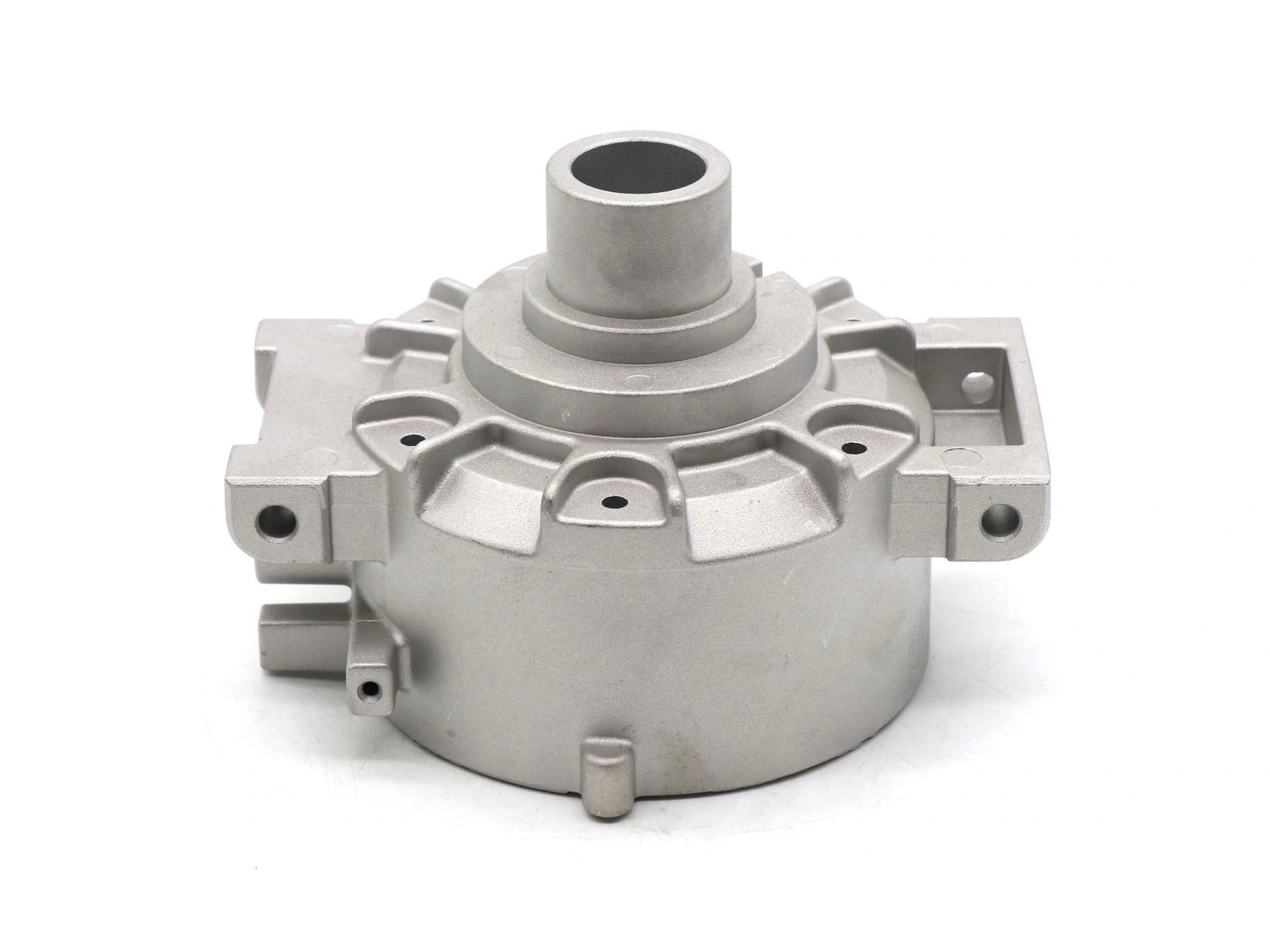
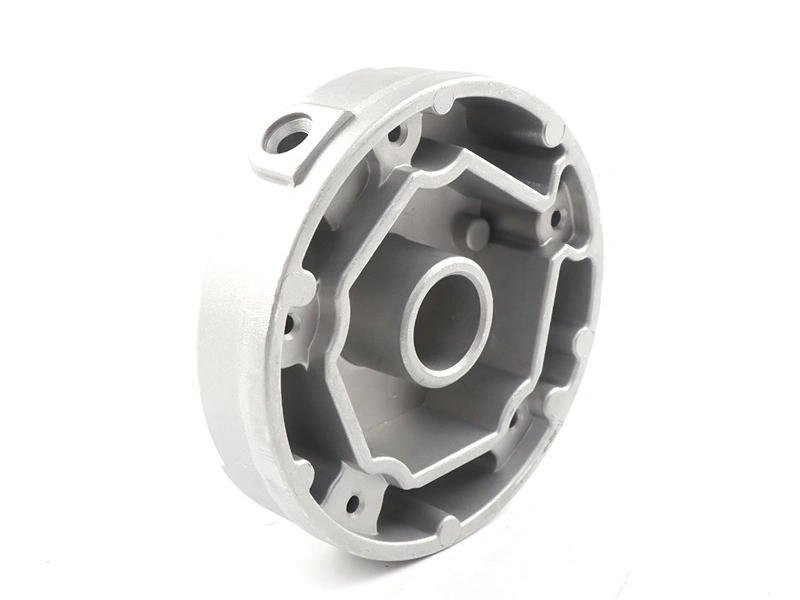
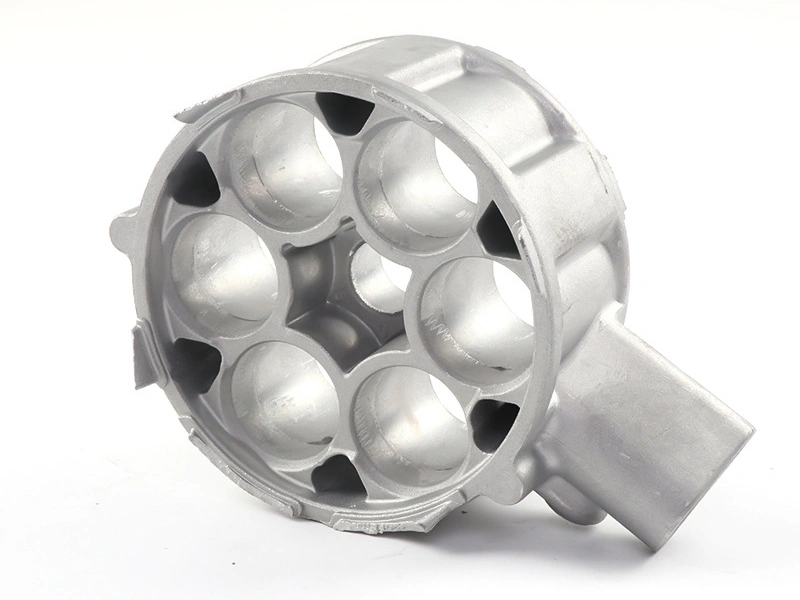
How Should Flow Path and Venting Be Reviewed Before Mold Design?
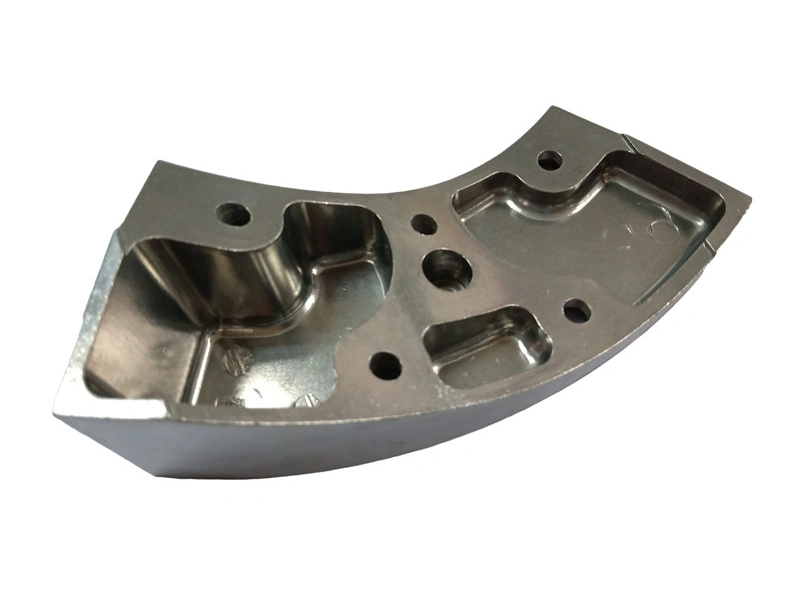
How Should Flow Path and Venting Be Reviewed Before Mold Design?
Flow path and venting should be reviewed before mold design by checking how molten aluminum will fill the cavity, where air may be trapped, how overflow areas will work and whether gate, runner, venting and cooling layout can support stable filling without damaging cosmetic or functional surfaces.
For high pressure die casting aluminum mold design, mold design is not only copying the part shape. It controls molten metal flow, trapped air release, cooling balance, defect movement and long-term production stability.
1. Review the Metal Flow Path Before Tooling
Flow Review Item | What Buyers Should Ask | Risk Reduced |
|---|---|---|
Gate position | Where will molten aluminum enter the cavity? | Flow marks, cosmetic defects and poor filling |
Runner layout | Can the runner support balanced filling across complex sections? | Uneven flow and inconsistent quality |
Thin-wall areas | Will thin walls fill before the metal cools too quickly? | Cold shut and incomplete filling |
Deep cavities and ribs | Can metal flow through ribs, bosses and deep features smoothly? | Short filling and weak features |
2. Review Venting, Overflow and Cooling Layout
Before tool and die making, the supplier should confirm gate, runner, venting, overflow, cooling and machining allowance. Venting and overflow planning directly affect porosity, surface defects and trial sample stability.
Mold Design Item | What It Controls | Buyer Risk if Poorly Planned |
|---|---|---|
Venting design | Air release during high-speed filling | Porosity, cold shut and trapped air defects |
Overflow areas | Defect collection and filling completion near flow ends | Surface defects and unstable flow ends |
Cooling layout | Thermal balance across thick, thin and flat areas | Shrinkage, warpage and dimensional drift |
Machining allowance | Material reserved for machined surfaces | Exposed pores or rejected machined areas |
3. Protect Cosmetic and Functional Surfaces
Flow path, gate position, parting line and ejector pins should not be planned without considering cosmetic surfaces and machined functional areas. A strong tooling review should also involve CNC machining allowance and inspection requirements.
Surface Area | Tooling Review Focus | Risk Reduced |
|---|---|---|
Visible surfaces | Gate marks, parting lines and ejector marks should avoid cosmetic areas when possible | Appearance rejection and polishing rework |
Machined surfaces | Critical surfaces should avoid high porosity risk areas | Porosity exposure after machining |
Sealing faces | Flow and venting should reduce defect risk near sealing areas | Leakage and functional failure |
4. Compare Tooling Design Across Material Routes
A custom metal casting design review can also help buyers compare aluminum tooling with zinc die casting tooling or copper alloy die casting tooling when future parts require different materials or functional performance.
5. Summary
Mold Review Area | Main Purpose |
|---|---|
Gate, runner and flow path | Control filling sequence and reduce flow defects |
Venting and overflow | Release trapped air and reduce porosity risk |
Cooling layout | Control shrinkage, warpage and dimensional stability |
Cosmetic and machined surfaces | Reduce appearance defects and porosity exposure after machining |
In summary, flow path and venting should be reviewed before high pressure die casting aluminum mold design. Buyers should choose suppliers that can explain gate, runner, venting, overflow, cooling and machining allowance before tooling starts.