How Should Pilot Runs Confirm the Process Window Before Full Production?
How Should Pilot Runs Confirm the Process Window Before Full Production?
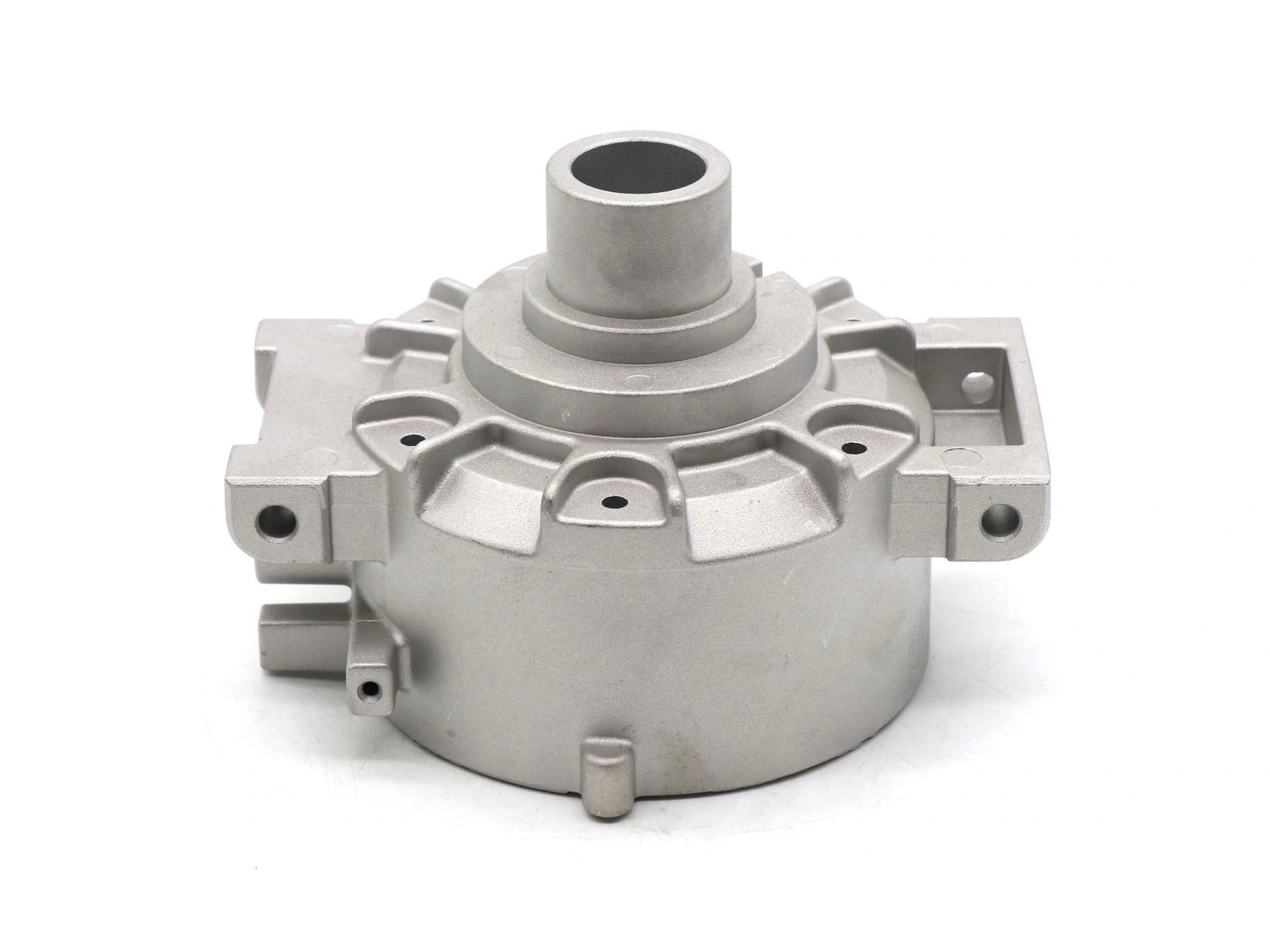
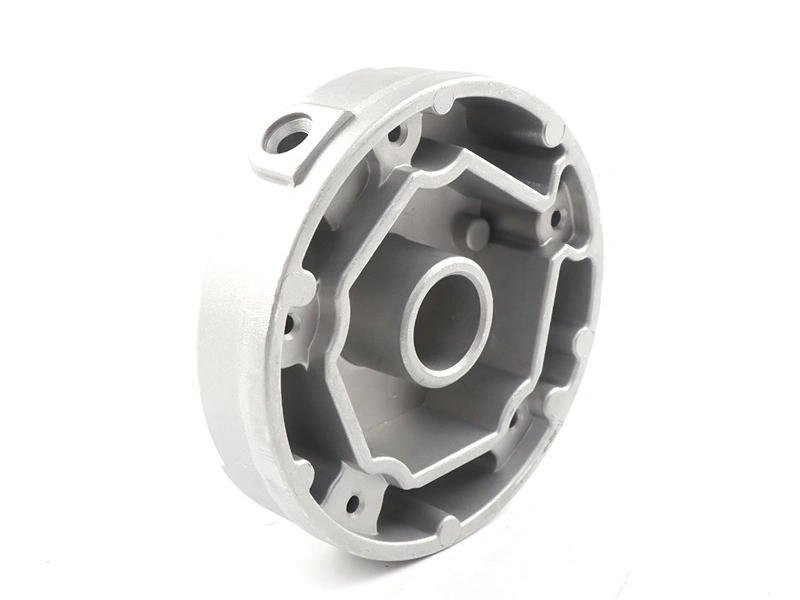
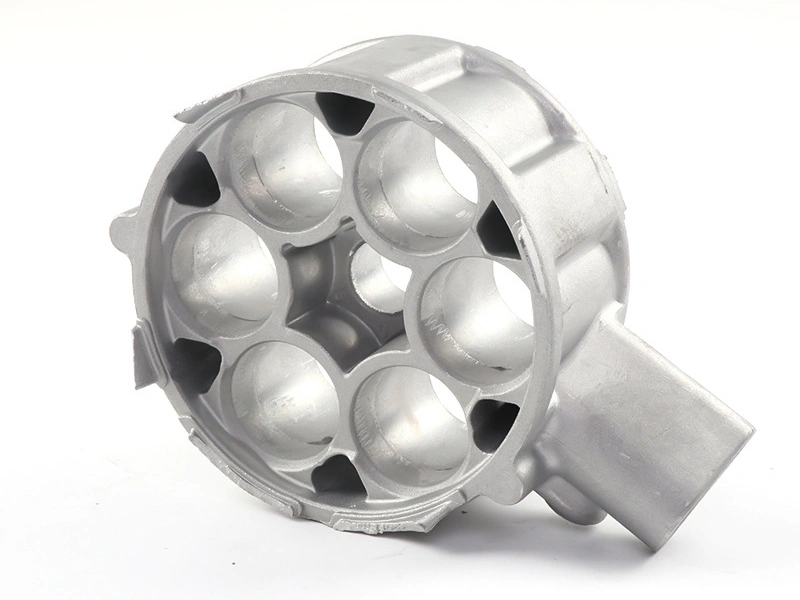
Pilot runs should confirm the process window before full production by testing filling stability, porosity level, warpage, wall thickness consistency, machined feature accuracy, surface finish results, assembly fit, burr control, inspection methods and repeatability across a small batch.
For pilot run for high pressure die casting aluminum projects, one approved trial sample is not enough to prove production stability. A pilot run helps buyers confirm whether the tooling, casting parameters, CNC machining, finishing and inspection can support repeat production.
1. Validate the Casting Process Window
Pilot Run Check | What Buyers Should Validate | Risk Reduced |
|---|---|---|
Filling stability | Whether parts fill consistently across a small batch | Short filling and cold shut defects |
Porosity level | Whether pores affect machined, sealing or cosmetic areas | Leakage, scrap and appearance rejection |
Wall thickness consistency | Whether thin and thick areas remain stable | Warpage and batch variation |
Burr and flash level | Whether trimming, deburring and parting line quality stay controlled | Assembly issues and finishing rework |
2. Validate Machining, Surface Finish and Assembly
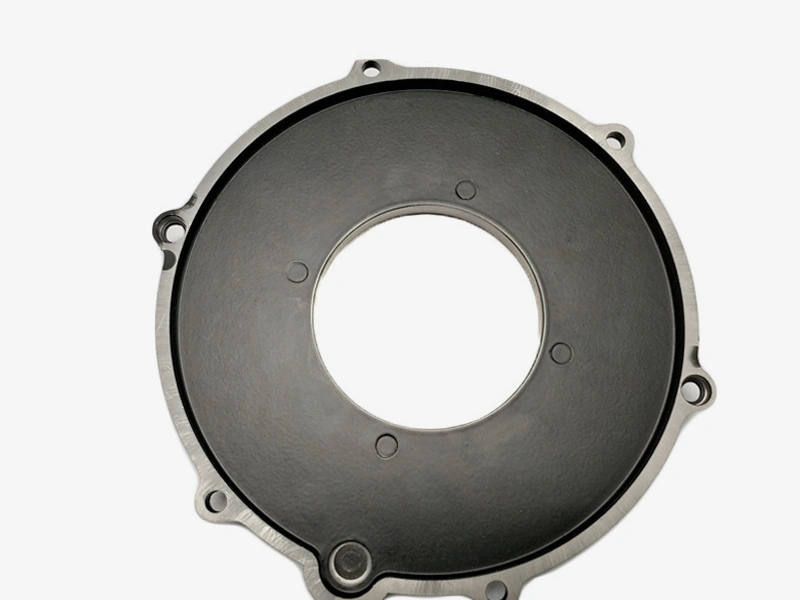
A pilot run should include CNC machining inspection when the production part needs holes, threads, sealing faces, bearing holes, flat contact areas or datum surfaces. Surface finishing and assembly fit should also be checked in pilot conditions.
Validation Area | What Buyers Should Check | Production Value |
|---|---|---|
CNC machined feature accuracy | Hole position, threads, sealing faces, datums and flatness | Confirms functional repeatability |
Surface finish result | Painting, powder coating, polishing, cosmetic surfaces and masking | Reduces batch appearance disputes |
Assembly fit | Fit with mating parts, screws, seals, housings or brackets | Prevents repeat assembly failure |
Packaging protection | Scratch prevention, separation and shipment protection | Protects finished parts after inspection |
3. Use Pilot Run Feedback Before Full Production
If the pilot run shows unstable dimensions, surface defects, porosity, warpage or assembly issues, the supplier should adjust the process before releasing full production. The review should include tooling, casting parameters, machining fixtures, finishing standards and inspection criteria.
Pilot Run Feedback | Possible Supplier Action | Buyer Benefit |
|---|---|---|
Filling or porosity issue | Review gate, venting, overflow and casting parameters | Reduces full production scrap |
Machining variation | Review datums, fixture positioning and machining allowance | Improves dimension repeatability |
Surface finish variation | Review polishing, coating, painting, masking and cosmetic inspection | Reduces appearance rejection |
Assembly fit issue | Review critical dimensions, tolerance, machining and inspection method | Prevents long-term batch complaints |
4. Compare Pilot Run Control Across Material Routes
A custom metal casting production review can also compare aluminum pilot run requirements with zinc die casting batch consistency or copper die casting quality control. For tooling-related changes, tool and die making support should remain part of the review.
5. Summary
Pilot Run Should Confirm | Main Purpose |
|---|---|
Filling stability, porosity and warpage | Confirm the casting process window |
CNC machined feature accuracy | Confirm functional and assembly repeatability |
Surface finish, burrs and flash | Confirm cosmetic and finishing stability |
Batch inspection report and packaging protection | Confirm readiness before full production |
In summary, pilot runs should confirm the process window before full production by validating casting, CNC machining, surface finishing, assembly, inspection and packaging across a small batch. Buyers should release full production only after the pilot run proves repeatability.