How Should Suppliers Manage Design Changes in Custom Aluminum Die Casting?
How Should Suppliers Manage Design Changes in Custom Aluminum Die Casting?
Suppliers should manage design changes in custom aluminum die casting by reviewing whether the change affects tooling, wall thickness, gate design, machining allowance, fixture positioning, cosmetic surfaces, surface finishing, inspection standards, cost and lead time before accepting the revised design.
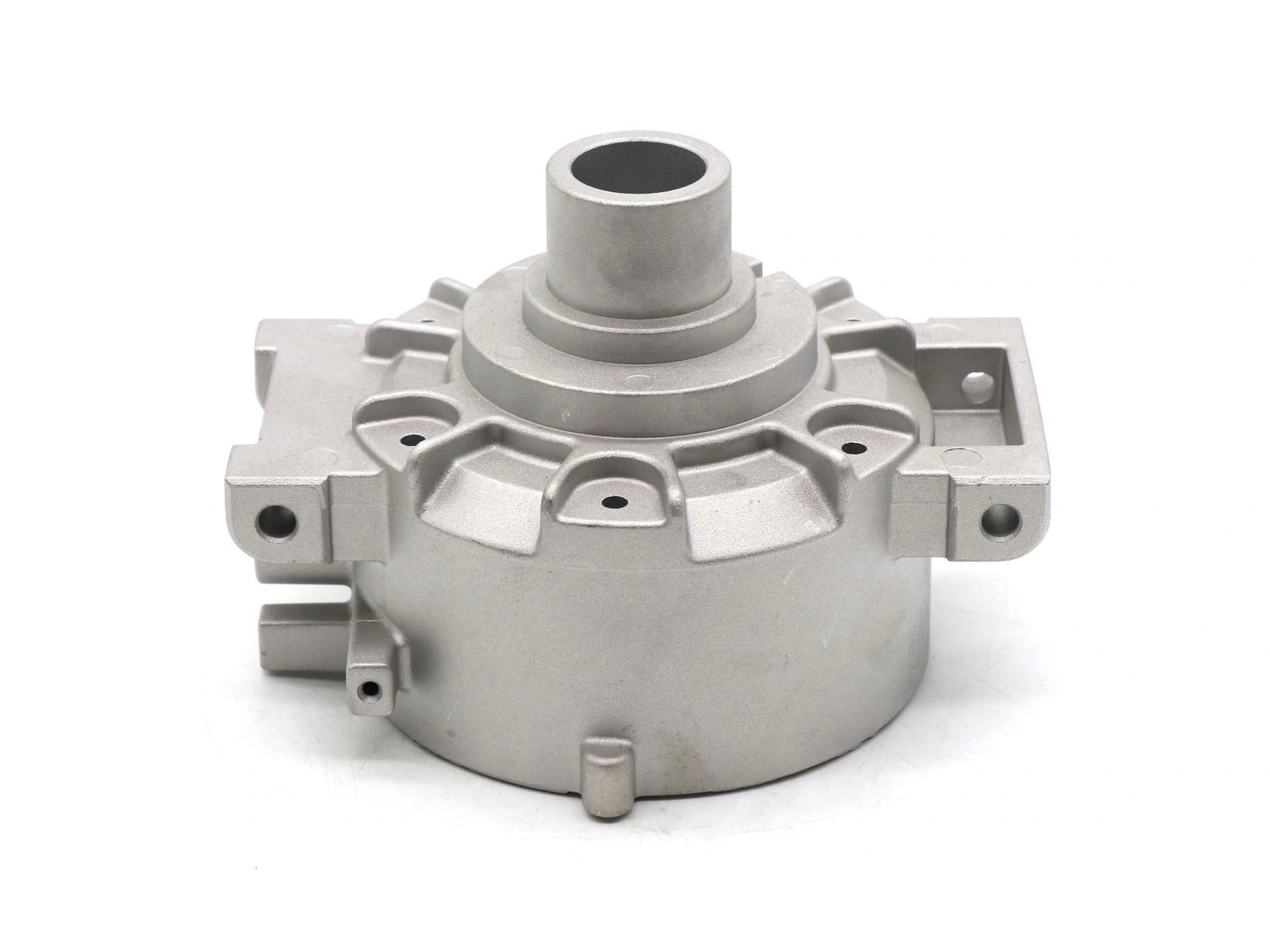
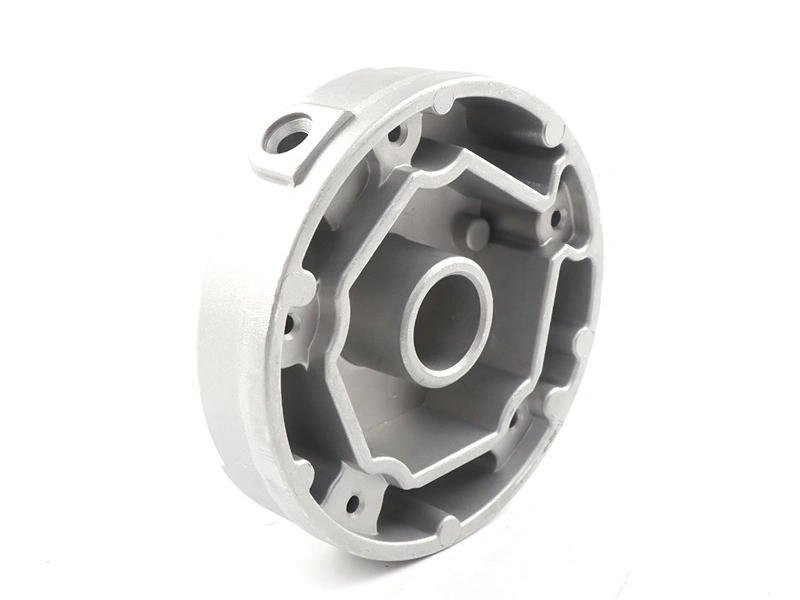
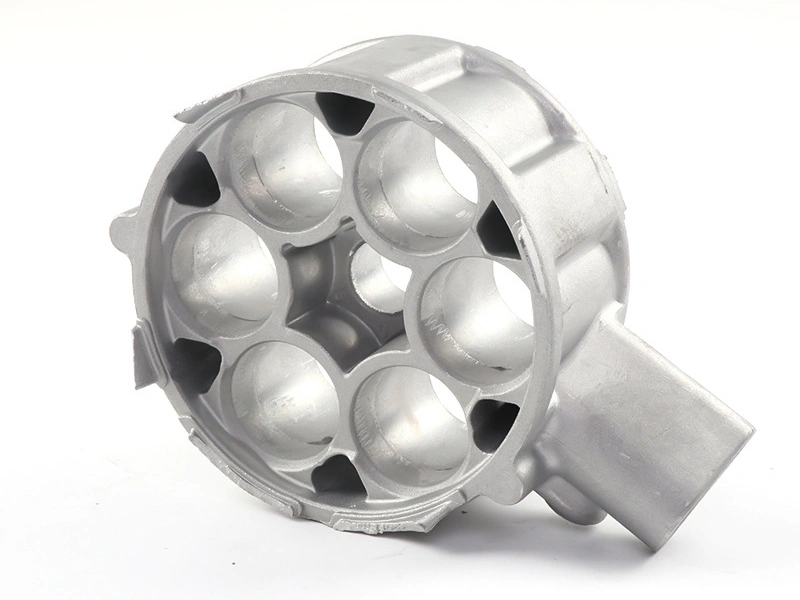
This FAQ is useful for buyers whose design may still be adjusted during RFQ, DFM review, trial samples or early production. Common design changes include hole position movement, boss structure adjustment, wall thickness changes, rib changes, sealing face changes, cosmetic surface changes, added CNC machining areas and new inspection standards.
1. Review the Tooling Impact of Each Design Change
Design Change Area | Supplier Should Review | Risk if Ignored |
|---|---|---|
Mold cavity | Whether the cavity, core, insert, slider or parting line must change | Unexpected tooling modification cost |
Gate or runner design | Whether filling route, flow pattern or defect movement changes | Porosity, short filling and new flow marks |
Venting or cooling | Whether air release, thermal balance or shrinkage risk changes | Warpage, shrinkage and unstable samples |
Wall thickness | Whether the change creates thick sections, thin walls or hot spots | Porosity, shrinkage and batch instability |
2. Review Machining, Finishing and Inspection Impact
Every engineering change should also be reviewed by CNC machining, surface finishing and quality inspection teams. A small design change may affect fixtures, masking, coating thickness, cosmetic surfaces or report format.
Process Impact | Review Focus | Buyer Risk Reduced |
|---|---|---|
CNC machining fixture | Whether datums, clamping areas, tool access or positioning are affected | Fixture failure and machining variation |
Machining allowance | Whether enough stock remains for holes, threads, sealing faces and datums | Rejected machined surfaces |
Surface finishing | Whether polishing, painting, coating, masking or packaging must change | Appearance disputes and finishing rework |
Inspection method | Whether new dimensions, datums, cosmetic criteria or reports are required | Unclear approval and quality disputes |
3. Control Cost, Lead Time and Sample Approval
A formal design change review should explain the impact on tooling modification, unit cost, sample revalidation and production schedule before the buyer approves the change.
Change Result | Why It Matters | Buyer Should Confirm |
|---|---|---|
Tooling modification | Mold changes may increase cost and delay sample delivery | Modification scope, cost and timing |
Sample revalidation | The previous approved sample may no longer represent the updated design | Which features must be rechecked |
Unit cost change | New machining, finishing or inspection work may affect price | Updated quotation and production assumptions |
Lead time change | Tooling, machining and finishing changes may affect delivery | Updated schedule before approval |
4. Use a Cross-Functional Engineering Change Review
A design change should not be confirmed only through sales communication. The updated design should be reviewed by tooling, die casting, CNC machining after aluminum die casting, surface finishing and quality inspection teams. A custom metal casting supplier can also support zinc die casting project support and copper alloy die casting project comparison when new products require different materials.
5. Summary
Design Change Review Area | Main Purpose |
|---|---|
Tooling, cavity, gate, venting and cooling | Confirm whether the mold can support the revised design |
Wall thickness, ribs, bosses and casting flow | Reduce new porosity, shrinkage and warpage risks |
Machining fixture, allowance and datums | Prevent CNC rework and machined feature rejection |
Surface finishing, inspection, cost and lead time | Control project expectations before production continues |
In summary, suppliers should manage design changes in custom aluminum die casting through a formal engineering change review. Every design change should be checked for tooling, casting, CNC machining, surface finishing, inspection, cost and lead time impact before production continues.