How Should Tooling and Machining Be Planned Together for Pressure Die Cast Parts?
How Should Tooling and Machining Be Planned Together for Pressure Die Cast Parts?
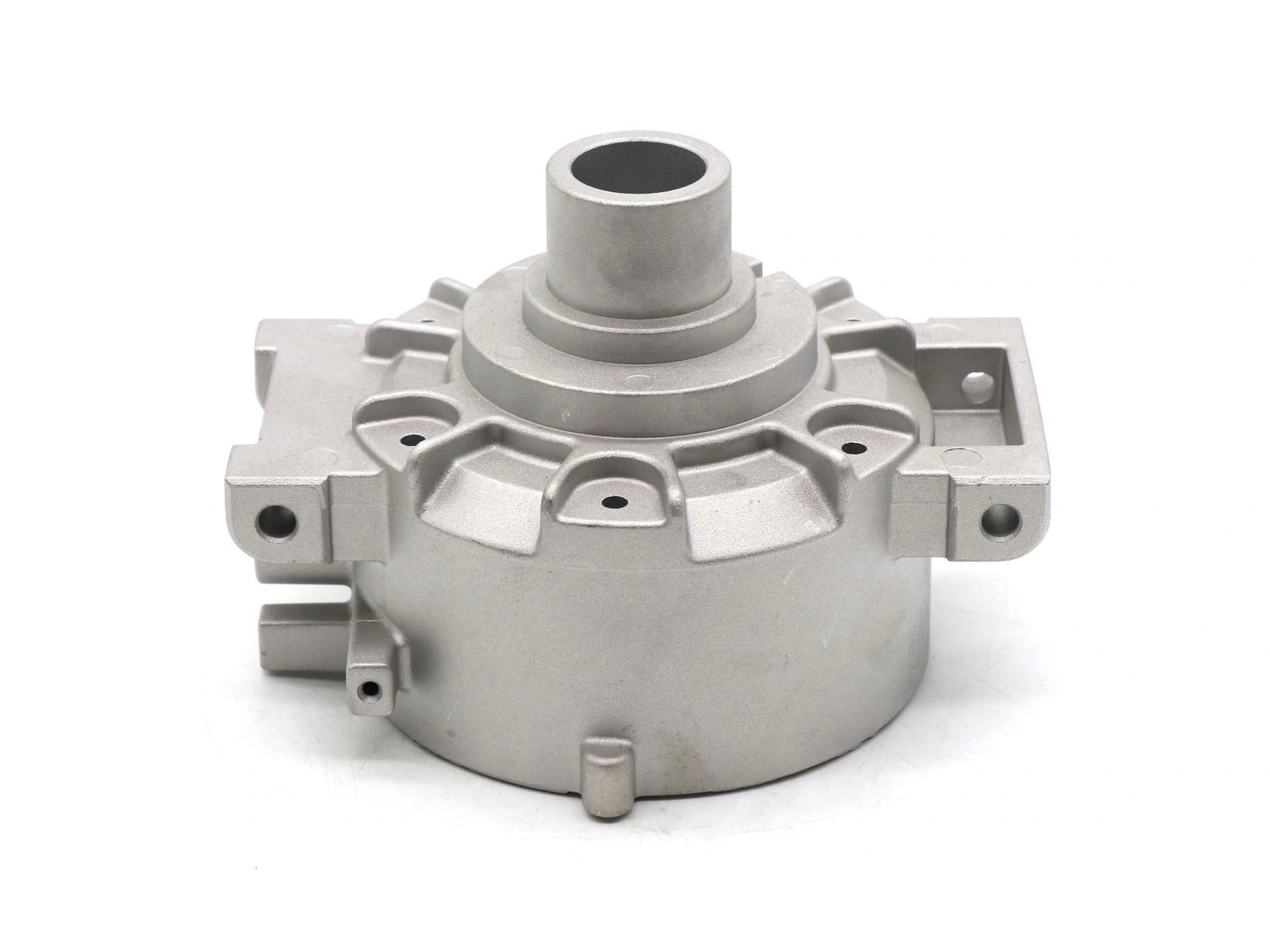
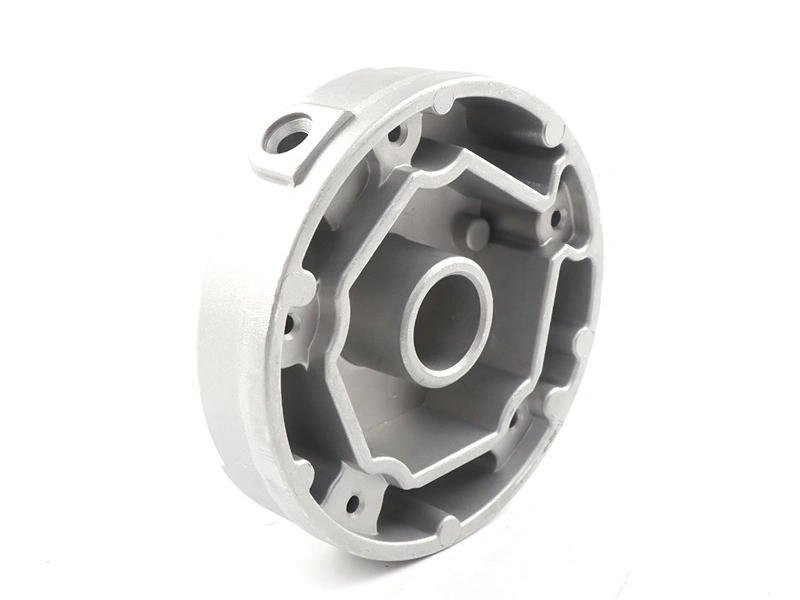
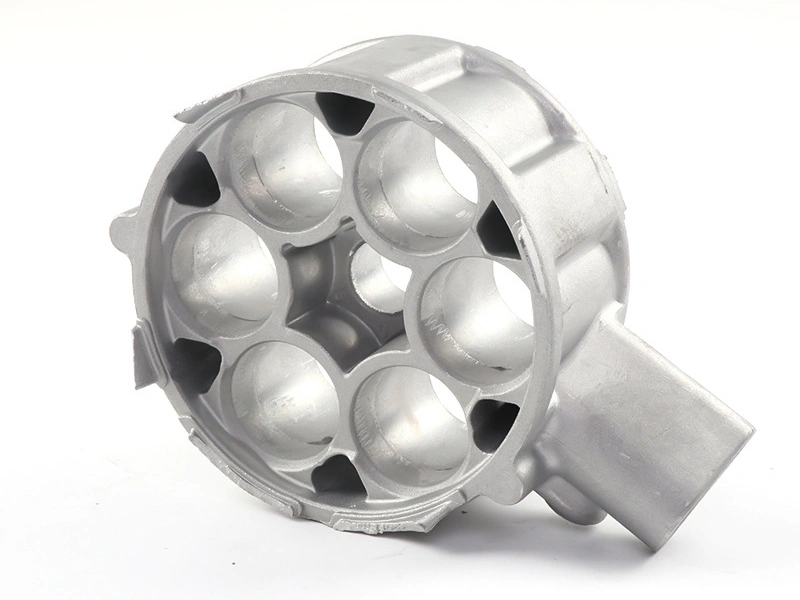
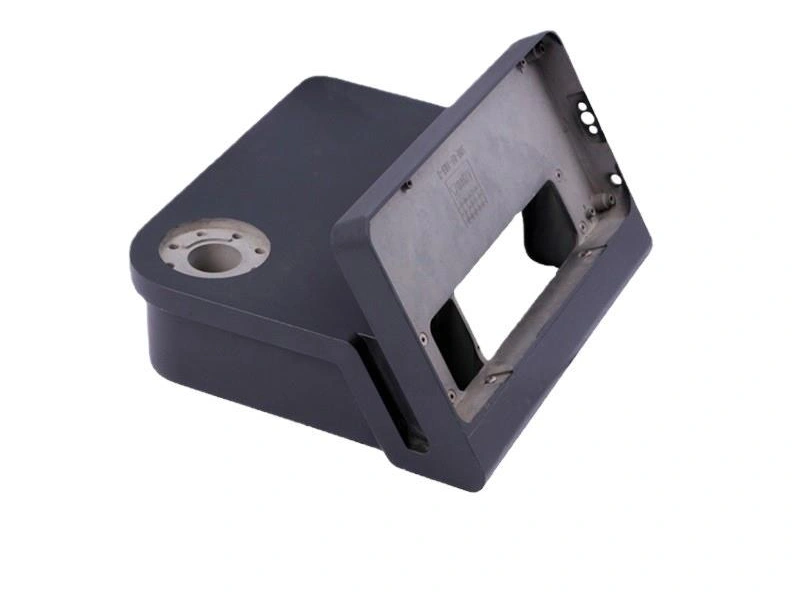
Tooling and machining should be planned together for pressure die cast parts by confirming machining allowance, datum surfaces, fixture positioning, threaded holes, sealing faces, parting line locations, ejector pin positions and inspection requirements before mold design is finalized.
Many aluminum pressure die casting with machining projects cannot rely on casting alone to achieve all functional dimensions. CNC machining is often required for sealing faces, threaded holes, bearing holes, flat contact faces and datum surfaces.
1. Confirm Machined Features Before Tooling
Machined Feature | What Buyers Should Confirm | Why It Matters |
|---|---|---|
Threaded holes | Thread size, depth, machining method and gauge inspection | Reduces fastening failure and rework |
Mounting holes | Hole position, tolerance and assembly relationship | Improves assembly accuracy |
Sealing faces | Flatness, roughness, machining allowance and porosity risk | Reduces leakage and functional rejection |
Datum surfaces | Fixture reference, inspection reference and machining sequence | Improves batch repeatability |
2. Connect Tooling Layout With Machining Needs
Tool and die making should consider CNC machining before mold design is finalized. Gate location, parting line, ejector pin marks and machining allowance can all affect finished machined aluminum die cast parts.
Tooling Detail | Machining Impact | Risk Reduced |
|---|---|---|
Machining allowance | Reserves enough stock for holes, sealing faces and datums | Machined surfaces fail to clean up |
Datum design | Supports fixture positioning and inspection repeatability | Unstable machining dimensions |
Parting line location | Can affect sealing faces, machined areas or deburring | Leakage risk and extra finishing work |
Ejector pin marks | May interfere with datum surfaces or visible machined faces | Fixture issues and cosmetic disputes |
3. Avoid Common Tooling and Machining Conflicts
If tooling and CNC machining are planned separately, pressure die cast parts may pass casting inspection but fail after machining, finishing or assembly.
Conflict | Possible Cause | Buyer Impact |
|---|---|---|
Insufficient machining allowance | Machined features were not reviewed before tooling | Scrap, rework or tooling modification |
Fixture positioning difficulty | Datum surfaces were not planned with casting geometry | Batch dimensional variation |
Porosity after machining | Machined areas were placed in high-risk casting zones | Sealing failure or cosmetic rejection |
Coating affects machined features | Finishing sequence or masking areas were not defined | Assembly interference after coating |
4. Compare Machining Needs Across Material Routes
A custom metal casting service review can also compare aluminum with zinc die casting machined parts for smaller precision components or copper die casting machined features for functional contact areas.
5. Summary
Tooling and Machining Planning Area | Main Purpose |
|---|---|
Machining allowance and datums | Support stable CNC machining and inspection |
Threaded holes, sealing faces and flatness areas | Protect functional performance and assembly fit |
Parting line, ejector marks and fixture positioning | Reduce machining conflicts and cosmetic disputes |
Coating, masking and final inspection | Prevent finishing from affecting machined features |
In summary, tooling and machining should be planned together for aluminum pressure die casting parts. Buyers should choose suppliers that coordinate mold design, casting, CNC machining, inspection and finishing before production begins.