How Should Tooling Be Planned for Complex High Pressure Aluminum Parts?
How Should Tooling Be Planned for Complex High Pressure Aluminum Parts?
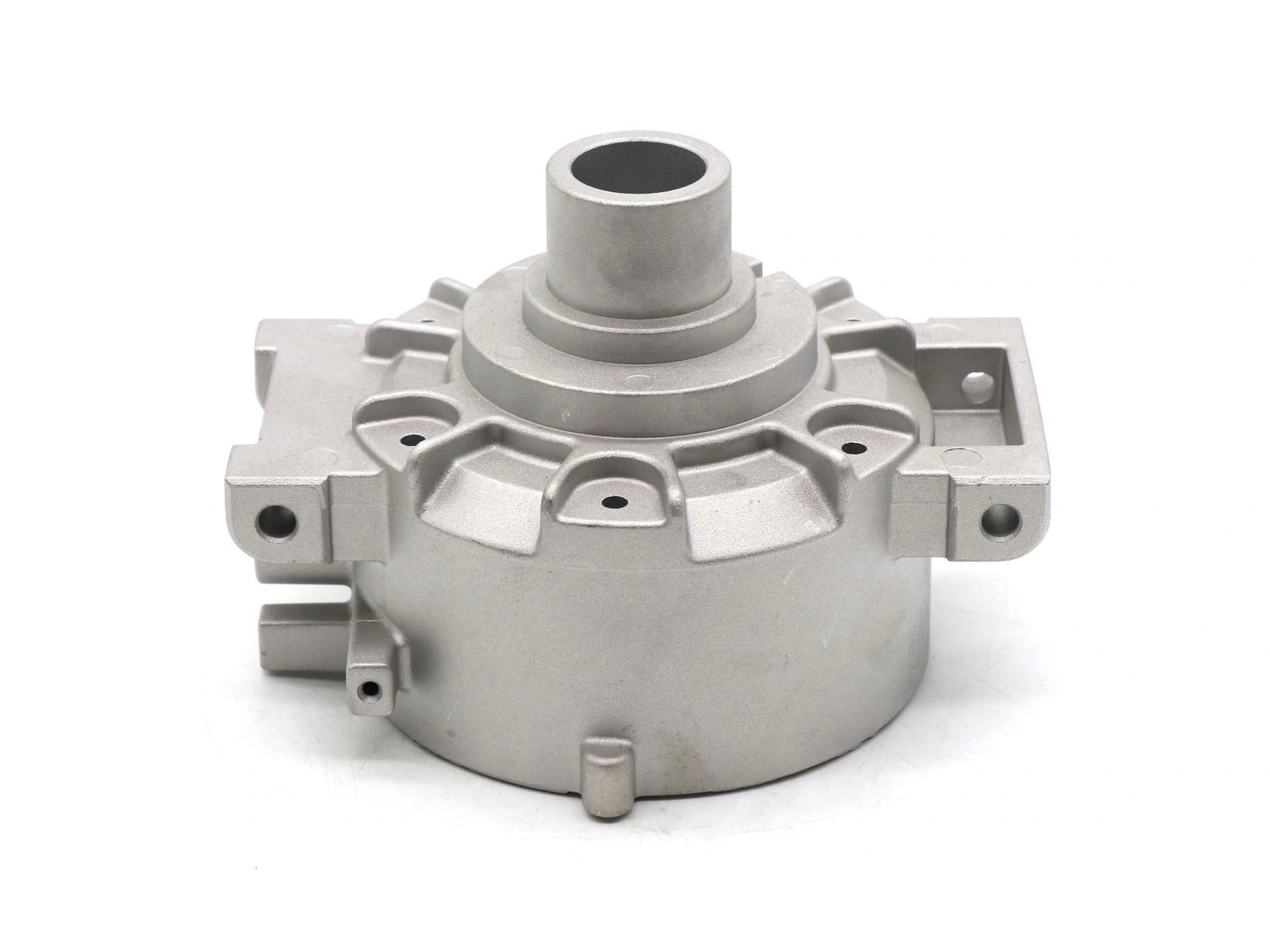
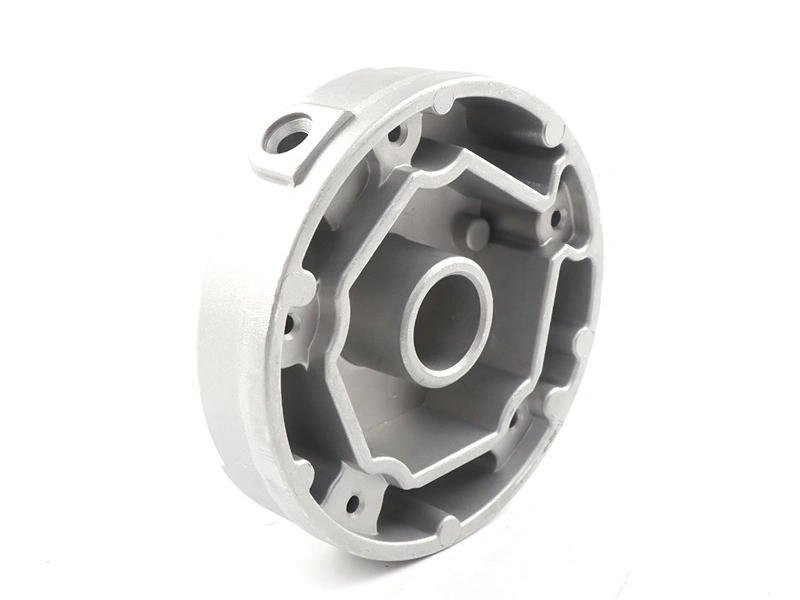
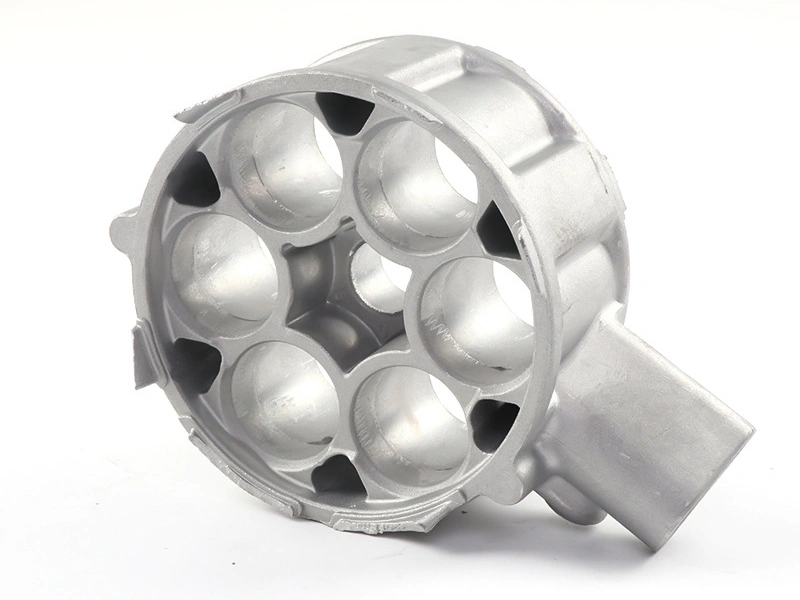
Tooling for high pressure aluminum parts should be planned by reviewing gate location, runner balance, overflow design, venting, cooling channel layout, ejector pin location, parting line planning, slider or insert requirements, machining allowance and cosmetic surface protection before mold manufacturing starts.
The quality of complex die cast aluminum parts depends heavily on tool and die making. Buyers should confirm functional surfaces, cosmetic surfaces, CNC machining areas and trial sample validation standards before tooling to reduce mold modification and mass production risk.
1. Plan Gate, Runner and Overflow Design
Tooling Item | Why It Matters | Risk Reduced |
|---|---|---|
Gate location | Controls how molten aluminum enters and fills the cavity | Flow marks, short filling and gate removal issues |
Runner balance | Helps distribute metal flow evenly across complex areas | Uneven filling and inconsistent part quality |
Overflow design | Supports filling completion and defect control in key areas | Trapped defects and weak flow ends |
2. Plan Venting, Cooling and Ejection
Complex high pressure aluminum die casting parts need stable venting, cooling and ejection. These tooling details affect porosity, warpage, surface marks, part release and batch consistency.
Tooling Area | What It Controls | Buyer Risk if Poorly Planned |
|---|---|---|
Venting | Air release during high-speed filling | Porosity, incomplete filling and weak machined areas |
Cooling channel layout | Cooling balance across thick, thin and flat areas | Warpage, shrinkage and unstable dimensions |
Ejector pin location | Part release and visible mark placement | Cosmetic defects and datum surface problems |
Parting line planning | Flash location and functional surface protection | Sealing face issues and extra deburring |
3. Review Sliders, Inserts and Machining Allowance
Complex parts may require sliders, inserts or special tooling structures. Buyers should also define CNC machining areas before tooling so that enough allowance is reserved for holes, threads, sealing faces and datum surfaces.
Planning Item | Why Buyers Should Confirm It | Risk Reduced |
|---|---|---|
Slider requirement | Side features, undercuts or complex geometry may need sliders | Tooling failure or unexpected mold cost changes |
Insert requirement | Special features may need inserts for durability or geometry control | Tool wear and unstable feature quality |
Machining allowance | CNC machining for die cast parts needs enough stock on functional features | Machined surfaces not cleaning up |
Cosmetic surface protection | Visible surfaces should avoid gates, ejectors and rough parting lines when possible | Appearance disputes and finishing rework |
4. Use Trial Samples to Validate Tooling
Trial samples should verify whether tooling design can support stable production. Buyers should check dimensions, cosmetic surfaces, machined features, porosity level, burrs, flash and assembly fit before mass production approval.
Trial Sample Check | What It Confirms | Buyer Value |
|---|---|---|
Functional surfaces | Whether sealing, mounting and assembly features are acceptable | Reduces functional rejection |
Cosmetic surfaces | Whether visible surfaces meet appearance expectations | Reduces finishing disputes |
Machined areas | Whether machining allowance and fixture references are suitable | Reduces CNC rework |
Batch repeatability | Whether multiple trial parts remain consistent | Improves production confidence |
5. Compare Tooling Planning Across Material Routes
Complex aluminum parts may also need comparison with zinc die casting tooling for smaller precision parts or copper alloy die casting tooling for functional parts. A custom metal casting production review helps buyers compare tooling complexity and production risk.
6. Summary
Tooling Planning Area | Main Purpose |
|---|---|
Gate, runner and overflow design | Control filling, flow balance and defect movement |
Venting and cooling | Reduce porosity, warpage and unstable dimensions |
Ejector and parting line planning | Protect functional and cosmetic surfaces |
Sliders, inserts and machining allowance | Support complex features and post-machining reliability |
Trial sample validation | Confirm tooling readiness before mass production |
In summary, tooling for complex high pressure aluminum parts should be planned around flow, venting, cooling, ejection, sliders, inserts, machining allowance and cosmetic surface protection. Good tooling planning reduces trial sample failure, mold modification and mass production risk.