How Should Visible Die Cast Aluminum Parts Be Validated Before Production?
How Should Visible Die Cast Aluminum Parts Be Validated Before Production?
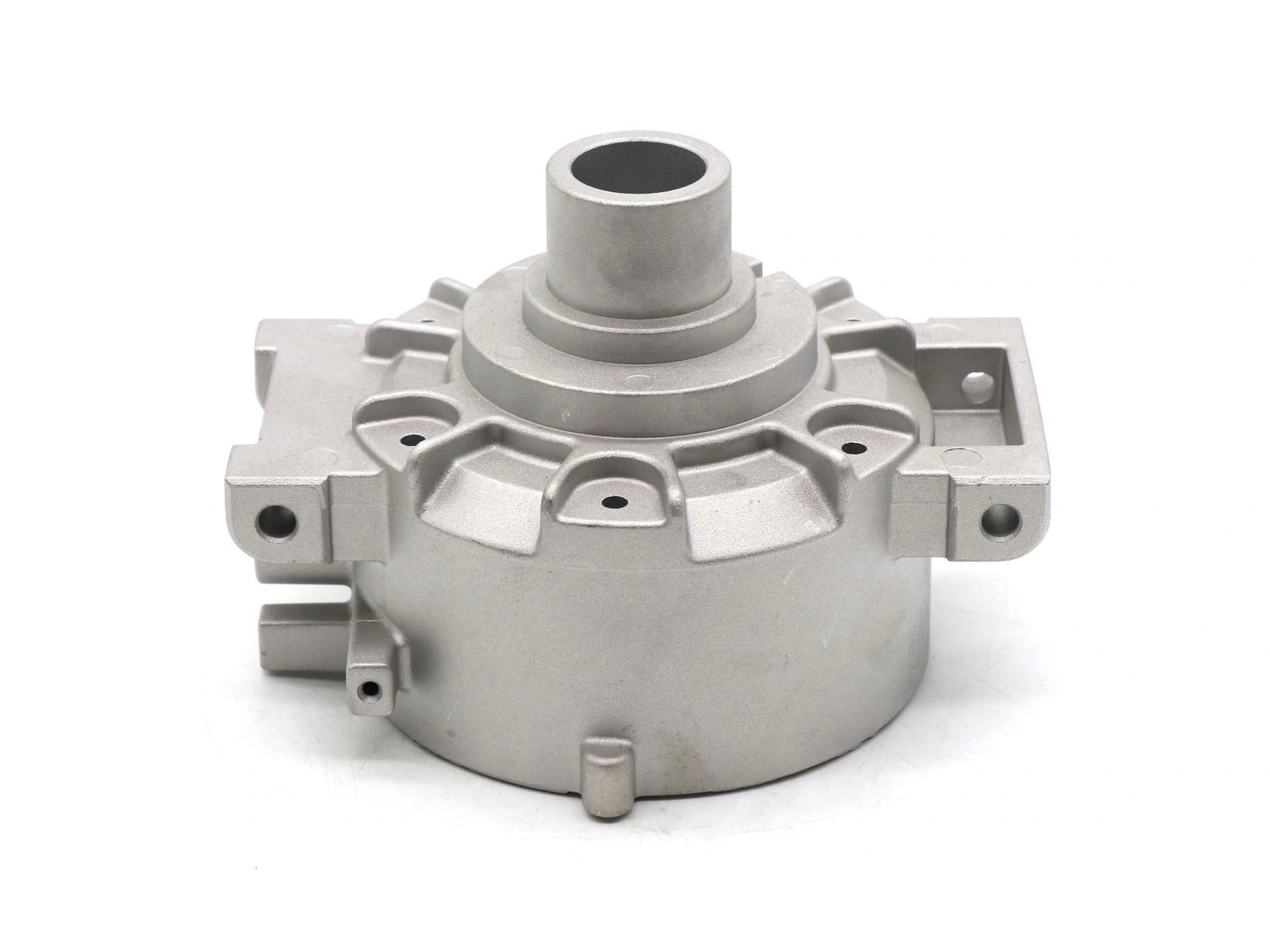
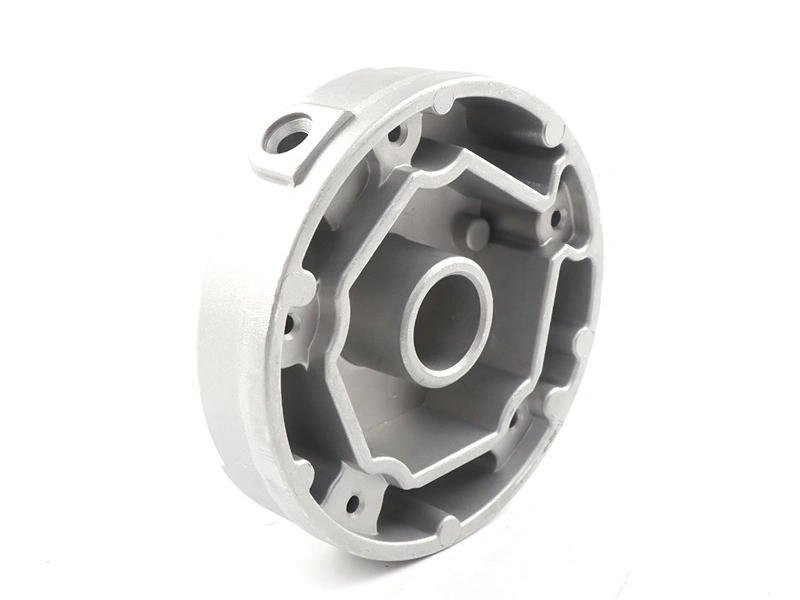
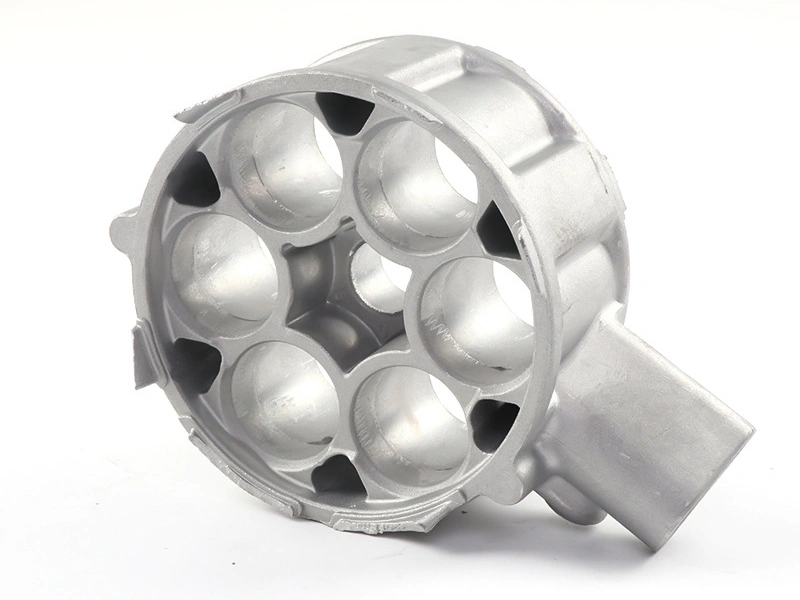
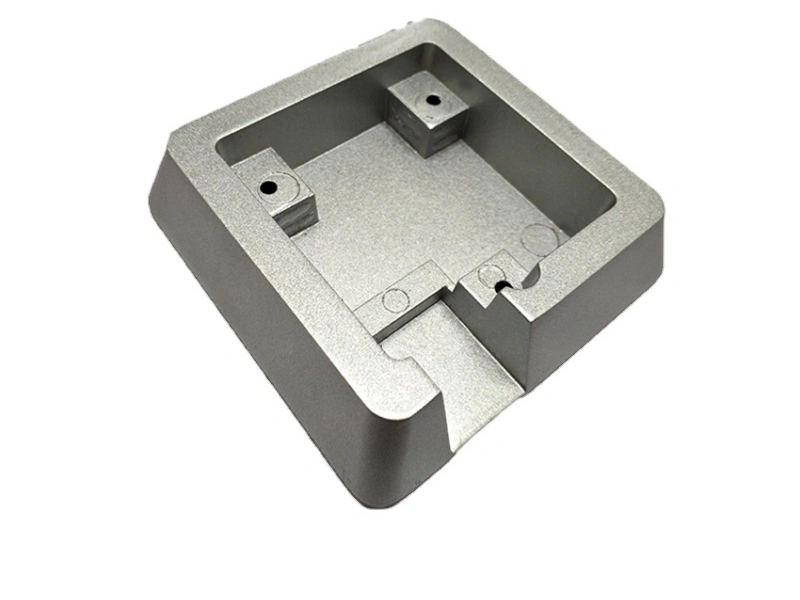
Visible die cast aluminum parts should be validated before production by confirming cosmetic surface definition, parting line visibility, ejector pin marks, gate removal marks, polishing consistency, coating or painting results, color difference, burr level, acceptable defect standards, packaging protection and small batch appearance consistency.
If die cast aluminum parts are cosmetic parts, buyers should not approve them only because dimensions are acceptable. They should validate appearance standards, surface finishing results, packaging protection and batch consistency during trial samples and small batch production.
1. Define Cosmetic Surfaces Before Tooling
Cosmetic surfaces should be defined before tool and die making. This helps the tooling team plan gates, ejector pins, parting lines and visible marks more carefully.
Cosmetic Planning Item | Why It Matters | Risk Reduced |
|---|---|---|
Cosmetic surface definition | Shows which areas need higher visual quality | Gate marks or ejector marks on visible areas |
Parting line visibility | Parting lines may be acceptable in hidden areas but not on visible surfaces | Appearance disputes after sampling |
Ejector pin marks | Ejector marks can affect cosmetic acceptance | Visible surface rejection |
Gate removal marks | Gate trimming may leave marks or need polishing | Extra finishing or sample rejection |
2. Validate Polishing, Coating and Painting Results
Surface finishing should be validated on real trial samples and small batch parts. Buyers should check polishing consistency, coating thickness, painting quality, color difference and visual defects before approving production.
Surface Validation Item | What Buyers Should Check | Buyer Benefit |
|---|---|---|
Polishing consistency | Whether visible surfaces look consistent across multiple parts | Reduces appearance variation |
Coating or painting result | Adhesion, color, gloss, texture and coverage | Improves final acceptance |
Color difference | Whether color variation is acceptable between parts or batches | Reduces customer complaints |
Burr level | Edges, holes, parting lines and trimmed gate areas | Improves handling and appearance |
3. Set Acceptable Defect Standards Before Production
Buyers should define what defects are acceptable and what defects are not acceptable. Without a clear standard, supplier and buyer may disagree during batch inspection.
Defect Standard | What It Should Define | Risk Reduced |
|---|---|---|
Visible pores | Allowed size, location and quantity if any | Subjective appearance disputes |
Scratches or marks | Viewing distance, lighting condition and acceptable level | Unclear final inspection |
Parting line marks | Where parting lines are allowed and how visible they can be | Appearance rejection after production |
Coating defects | Limits for peeling, bubbles, color mismatch and uneven coating | Batch finishing disputes |
4. Validate Small Batch Appearance and Packaging
Small batch validation helps confirm whether cosmetic quality can be repeated beyond one sample. Packaging should also be checked because finished visible surfaces can be scratched during handling, storage and shipping.
Validation Area | What Buyers Should Review | Buyer Benefit |
|---|---|---|
Small batch appearance consistency | Whether multiple parts show stable surface and color quality | Confirms production readiness |
Packaging protection | Separation, anti-scratch protection and shipment protection | Reduces delivery damage |
Inspection report | Appearance result, surface defects and critical dimensions if needed | Improves traceability |
5. Compare Surface Quality With Other Casting Materials
Visible aluminum parts often focus on coating, painting, polishing and cosmetic consistency. Zinc die casting surface quality may be reviewed for small decorative precision parts. Copper die casting quality control may be reviewed for functional parts. A custom metal casting production review helps buyers compare the best process route.
6. Summary
Visible Part Validation Item | Main Purpose |
|---|---|
Cosmetic surface definition | Clarify which areas need high visual quality |
Parting line, ejector and gate mark review | Reduce visible tooling-related marks |
Polishing, coating and painting validation | Confirm final appearance and surface treatment quality |
Acceptable defect standard | Reduce buyer-supplier appearance disputes |
Small batch and packaging validation | Confirm production consistency and delivery protection |
In summary, visible die cast aluminum parts should be validated through cosmetic surface definition, tooling mark review, finishing results, defect standards, small batch consistency and packaging protection. Appearance approval should happen before production, not after mass production problems appear.