Is Aluminium Die Casting Better Than CNC Machining for Custom Parts?
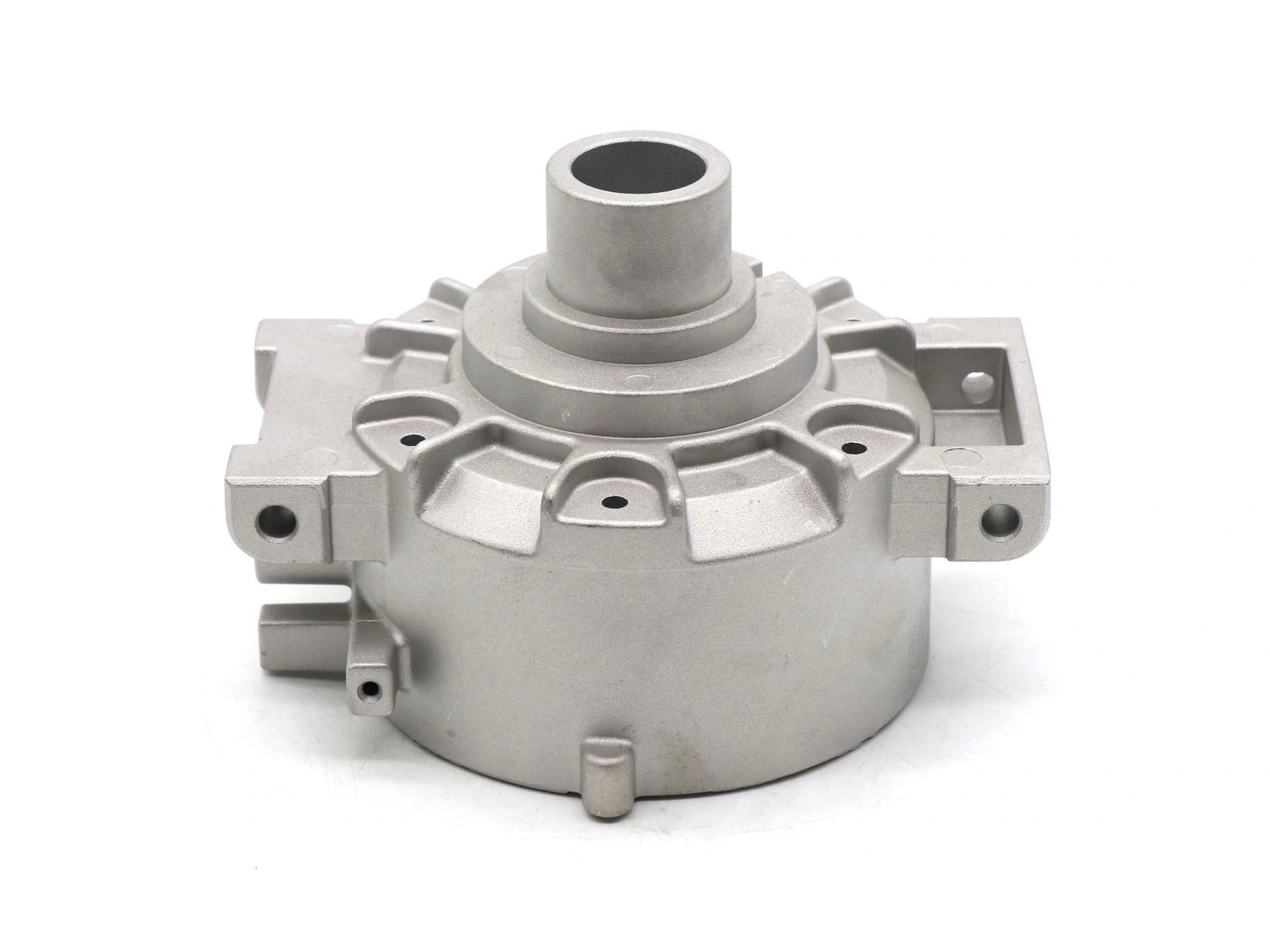
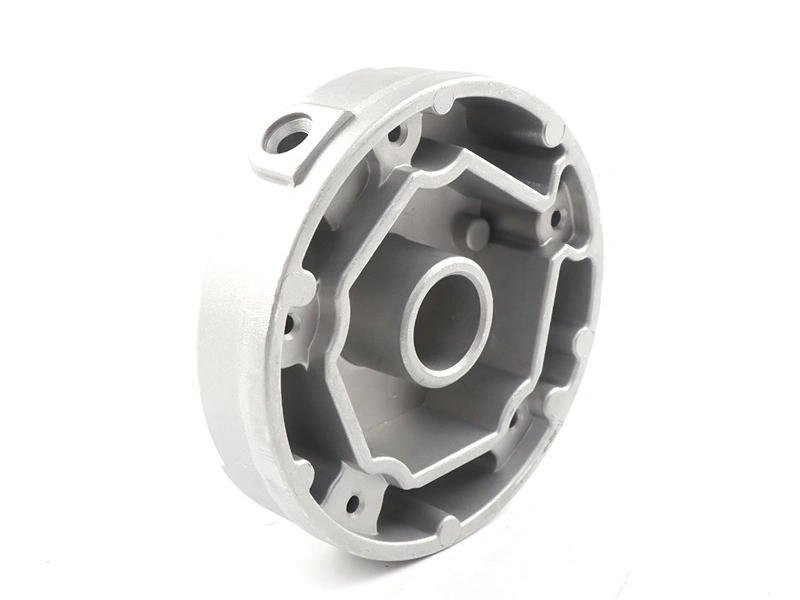
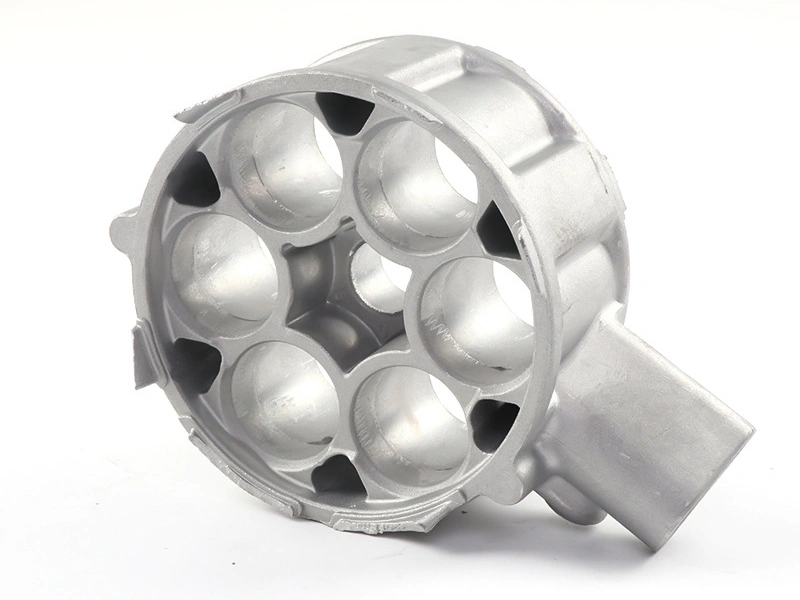
Aluminium die casting is not inherently better than CNC machining. CNC machining usually fits changing designs, prototypes, limited quantities and parts whose geometry or precision is predominantly machined. Die casting fits stable, repeated parts when a permanent die can form useful near-net walls, ribs, bosses or cavities. Many production components use both: casting creates the body, while CNC generates selected datums, bores, threads or sealing faces.
Compare the program, not the first part
CNC machining avoids casting-tool investment but repeats billet, cutting, setup and tool-wear costs on every unit. Die casting adds tool design, build and validation before production, then repeats a shorter forming cycle with trimming and any secondary operations. The economic crossover depends on geometry, stock removal, tool architecture, expected yield, batch pattern, design-change probability and cost of capital. There is no honest universal break-even quantity.
Request scenarios for the credible demand range. Include prototype and engineering changes, casting and trim tooling, fixtures, samples, inspection, machining, finish, scrap/rework, maintenance and logistics. A low casting unit price can be misleading if the forecast never absorbs tooling, while a low CNC launch cost can become expensive if deep pockets and long cycles repeat for years.
Decision factor | CNC machining tends to fit | Aluminium die casting tends to fit |
|---|---|---|
Design maturity | Geometry is still changing and program edits are expected | Released geometry can support a controlled die revision |
Demand pattern | Limited or irregular demand does not justify a dedicated die | Repeated batches can use tooling and process validation |
Geometry | Accessible prismatic form or most surfaces need cutting | Shells, ribs, bosses and internal relief create high billet removal |
Precision coverage | Tight generated geometry dominates the component | Most geometry can remain cast and only local features need machining |
Material condition | Wrought billet properties or a noncast grade are required | A qualified casting alloy and route meet product requirements |
Change consequence | Program revision is manageable without recutting hard tooling | Stable requirements limit modification and revalidation exposure |
Precision is not a single process label
CNC machining can generate tight local size, form and surface relationships, but its result still depends on datum choice, clamping, tool condition, thermal effects and measurement. Die casting repeats cavity geometry, yet dimensions vary with tool condition, cavity, thermal state and process. Neither process receives an automatic tolerance from its name.
Map each requirement to the operation that creates it. Leave nonfunctional walls and ribs as-cast where their tolerance is adequate. Machine sealing faces, precision bores or datum patterns when generated geometry is needed. Inspect the final relationship after all operations that can change it. The guidance on machining after die casting shows why stock and fixture planning begin before tool release.
Material and defect risks differ
Machining from wrought billet preserves the selected wrought material route but can expose residual stress and distortion as material is removed. HPDC uses casting alloys and can contain gas or shrinkage porosity depending on flow, evacuation and solidification. Machining a casting may expose subsurface voids at a bore or sealing face, so critical regions need a process and test plan.
A machined billet prototype does not validate casting properties or porosity. It can validate fit, access and selected loads if the material difference is acceptable for those questions. When switching to casting, revalidate the characteristics affected by alloy, die fill, ejection and downstream finish.
Use a hybrid route deliberately
The combined route is valuable when the casting captures costly bulk removal and integrated geometry, while local machining supplies final precision. It is not automatically economical. Added setups, fixtures, leak tests and inspection may erase the advantage if almost every surface is cut. Calculate machining coverage and cycle from the proposed casting, not from a generic assumption.
Before sourcing, compare the full routes using the CNC machining versus casting framework. Then prototype the unresolved risk: use CNC for rapid geometry learning, or representative casting when fill, porosity and as-cast behavior drive the decision.
Include capacity, cash and change in the comparison
A route must meet delivery demand as well as part cost. CNC capacity can often be added in machine-hours and fixtures, though long cycles may require several machines and repeated setups. Die casting can offer high repeat output after tooling approval, but cavity count, machine availability, trim, machining and finish can become bottlenecks. Model the full line and planned uptime rather than comparing one operation's cycle.
Cash timing differs. A die requires early expenditure before saleable production; CNC shifts more cost into each order. Include validation delay and the financial consequence of a late design change. A cast-part revision may require insert or cavity work plus new samples, while a CNC revision may need program, fixture and stock changes. Neither is free, but the magnitude and timing are different.
Buyer decision
Choose CNC machining for flexibility, low demand, wrought-material needs or precision that covers most of the part. Choose aluminium die casting for stable repeated near-net geometry that can justify a die. Choose casting plus CNC when local generated features are the only areas that need machining. Base the choice on a forecasted total-cost model and validation evidence, not the first-piece quote.