What aluminum alloys are best suited for aerospace die casting?
There is no universally best aluminum alloy for aerospace die casting. A356 is often considered in gravity, low-pressure, or permanent-mold routes with controlled heat treatment; AlSi10Mg-type alloys appear in several casting and additive routes; A360, A380, ADC12/A383-type, and AlSi12 variants can suit selected high-pressure cast equipment housings, enclosures, mounts, and unmanned-system parts. The approved choice depends on part classification, failure consequence, casting route, local fatigue and integrity requirements, temperature, corrosion, electrical or thermal function, machining, joining, inspection, and the design authority's material basis.
Classify the aerospace part first
State whether the component is an avionics enclosure, sensor housing, thermal frame, equipment bracket, secondary support, pressure housing, primary structure, flight-control element, propulsion component, spacecraft hardware, or ground equipment. Identify load path, redundancy, inspectability, maintenance, life method, and failure effect. An alloy accepted for an enclosure cannot be transferred automatically to a fracture-critical fitting.
Provide static, fatigue, vibration, acoustic, shock, pressure, thermal, corrosion, fluid, radiation where relevant, and handling conditions. Include attached masses, fastener preload, inserts, joints, temperature gradients, and credible damage. Material selection follows these inputs, not an "aerospace-grade" label.
Consider A356 with its casting and heat-treatment route
A356 is commonly screened for gravity, low-pressure, permanent-mold, and related castings where heat treatment, cored geometry, and a program-supported property basis are useful. It may fit selected brackets, housings, frames, and fluid components after local integrity, fatigue, corrosion, and processing are substantiated.
A356 designation alone does not establish temper, heat-treatment uniformity, grain structure, porosity, oxide films, fatigue, fracture, or local properties. Specify chemistry, melt treatment, casting route, heat treatment, quench and aging controls, test coupons or part testing, critical zones, NDT, and lot traceability. Coupon-to-part correlation must be justified.
Consider AlSi10Mg as a process-specific family
AlSi10Mg-type names occur in casting and additive routes with different specifications, cooling histories, heat treatments, defects, anisotropy, surfaces, and property distributions. It can be a useful starting family for structural or thermal components, but the exact standard, process, condition, section, joining, and inspection basis must be named.
Do not transfer weldability, fatigue, or heat-treatment claims between routes. If welding or repair is permitted, define procedure qualification, filler, pre/post-treatment, inspection, affected property basis, distortion, corrosion protection, and approval.
Use high-pressure alloys for authorized equipment geometry
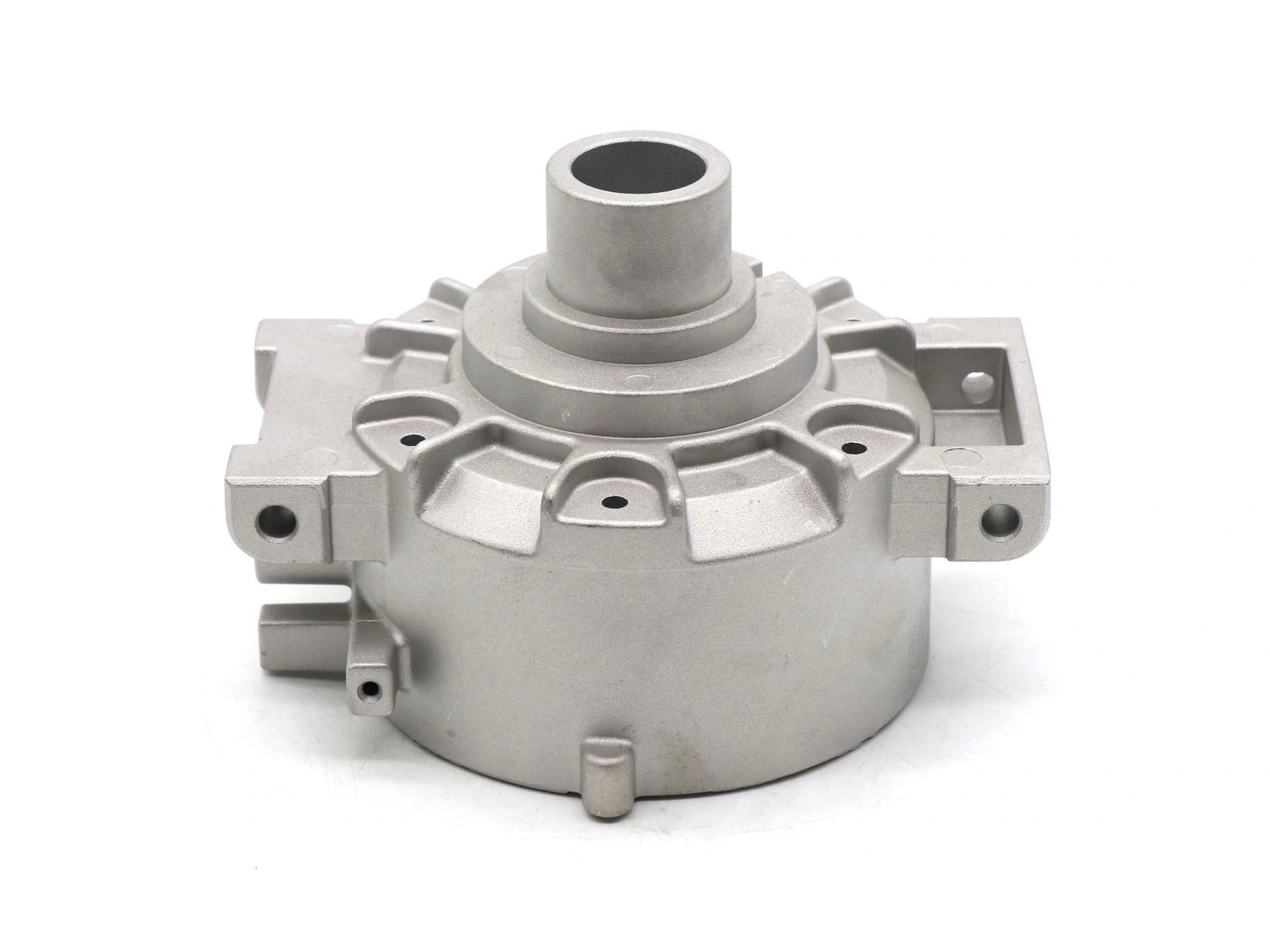
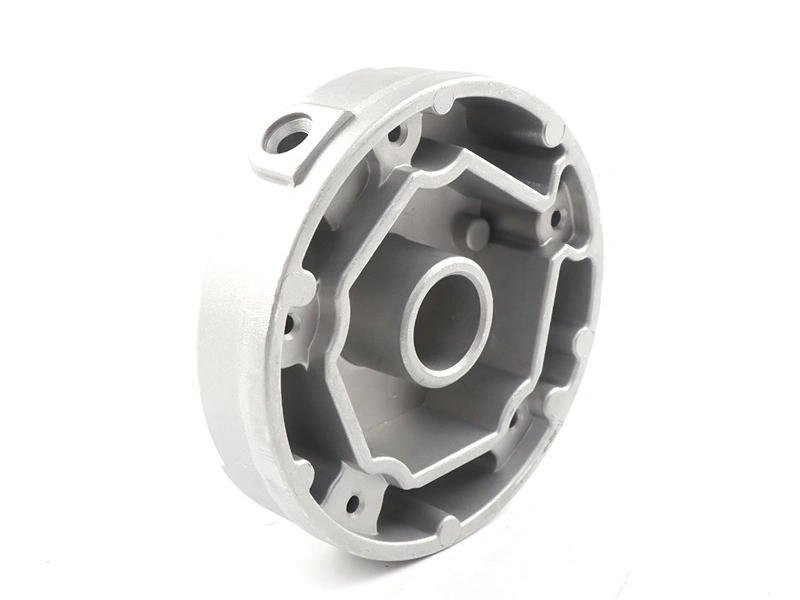
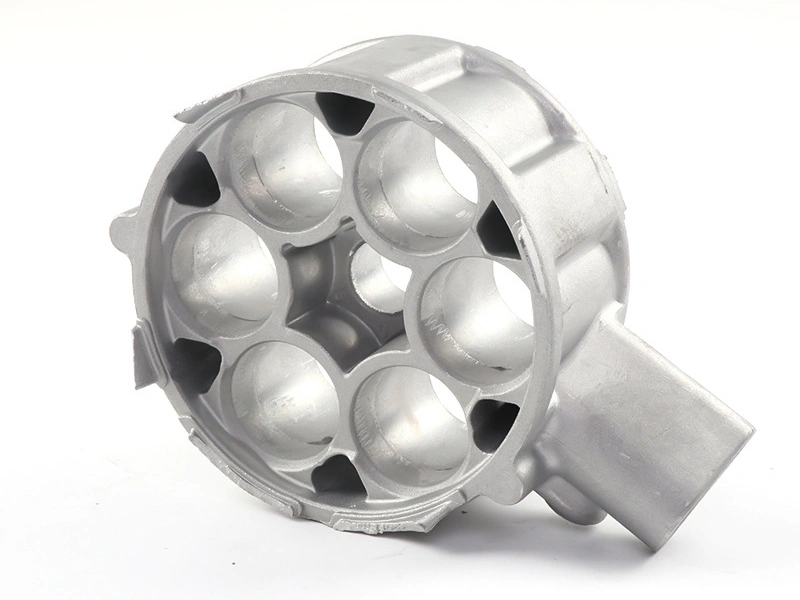
A360, A380, ADC12/A383-type, and AlSi12 variants can support integrated thin-to-moderate walls, ribs, fins, bosses, connector features, and mounting interfaces. They may be candidates for avionics and sensor housings, unmanned-platform frames, thermal enclosures, covers, and selected supports where the authorized design and process evidence permit.
Conventional high-pressure die casting can introduce entrapped gas and oxide films and may constrain heat treatment, welding, ductility, and fatigue assumptions. Vacuum-assisted, squeeze, or semi-solid routes have different controls and still require qualification. No high-pressure alloy should be promoted to primary or flight-critical structure from nominal tensile strength alone.
Compare the material-process combinations
Project need | Material/route screen | Evidence that decides |
|---|---|---|
Heat-treated cored structural housing | A356 or another approved gravity/low-pressure combination | Local properties, heat treatment, NDT, fatigue and pressure tests |
Integrated electronics enclosure | Authorized high-pressure alloy and route | Integrity zones, thermal/EMI function, vibration, finish and dimensions |
Fatigue-sensitive bracket | Route with accepted local discontinuity/property basis | Spectrum, analysis correlation, component fatigue and post-test NDT |
Corrosive fastened assembly | Substrate plus approved finish and mating-material system | Joint corrosion, preload, scratches, environment and service inspection |
Control procurement and substitution
Include joining and finishing in the comparison. Bolted joints, inserts, bushings, welding where approved, bonding, and mechanical fastening place different demands on local integrity, bearing strength, galvanic behavior, thermal expansion, surface preparation, and repair. Anodizing, conversion, paint, and controlled bare zones can alter fatigue-sensitive surfaces, dimensions, electrical contact, and heat transfer. Qualify the exact substrate and process sequence.
Environmental screening must reflect the installation. Moisture and salt, hydraulic fluid, fuel, cleaners, UV, temperature, thermal vacuum, radiation, atomic oxygen, or outgassing may apply to different platforms; no single casting alloy is best for all. Evaluate the complete material/finish/joint system, including scratches, crevices, fasteners, and service restoration.
Structural allowables or design values require an authorized statistical and process basis. Clarify population, route, heat treatment, section, orientation, surface, discontinuity controls, temperature, environment, and lot variation. Do not create an allowable by reducing one handbook tensile value or by testing a few polished coupons. Component tests can support substantiation but do not replace the required material basis when the program calls for it.
The RFQ should provide exact material and process restrictions, approved specifications and revisions, criticality, loads and environments, heat treatment, joining, machining, surfaces, critical zones, NDT, tests, source approvals, first article, traceability, record retention, and change control. Ask the supplier to state exact designation, route, condition, source, melt practice, test basis, discontinuity assumptions, sub-tiers, repairs, and substitutions.
Release the alloy/process combination only through the program's authorized approval path. The best aerospace aluminum alloy is the one supported for the actual part, route, production variation, and life, not the grade with the highest catalog number.