What Aluminum Materials Fit Low Volume Casting Projects?
What Aluminum Materials Fit Low Volume Casting Projects?
Aluminum materials for low volume casting should be selected based on the casting process, part function, machining requirement, surface finish and future production route. A380 and ADC12 are common directions for aluminum die casting. A360 may be reviewed when corrosion resistance matters. A413 may be considered when fluidity or pressure-tight behavior is important. A356-T6 may fit sand casting, permanent mold casting or low-pressure casting when heat treatment and mechanical properties are needed.
The best material is not always the one with the highest published strength. For low volume aluminum casting, the buyer often needs to prove manufacturability. The material must fill the part, machine correctly, accept finishing, meet inspection requirements and remain practical if the project moves into repeat production.
Buyers planning aluminum die casting should confirm whether the chosen material is suitable for the intended die casting process before the tooling route is selected.
Material names should follow the selected process and standard: ASTM B85, ASTM B26/B26M, ASTM B108/B108M, EN 1706 or the agreed equivalent. A356-T6, A380 and A413 are not interchangeable route choices. The pilot should use the intended production alloy whenever the goal is manufacturing validation.
Material Selection Starts With the Process
Different aluminum casting processes use different material families. High-pressure die casting often uses alloys such as A380, ADC12, A360 or A413. Sand casting, permanent mold casting or low-pressure casting may use A356-T6 or other heat-treatable alloys. If a buyer asks for a material that does not fit the intended process, the supplier should explain the trade-off early.
This matters in low volume projects because the buyer may still be choosing the process route. A material chosen for one route may not transfer directly to another. If the buyer wants pilot data to support future production, the pilot material should be close enough to the final production material to make the results useful.
Common Material Directions
A380 and ADC12 are practical choices for many die cast housings, covers, brackets and industrial parts. They offer a balance of castability, cost and availability. A360 can be considered when corrosion resistance is a stronger concern. A413 can be considered for fluidity and pressure-tight applications, but leak-sensitive parts still need process and inspection control.
A356-T6 is important when the buyer needs heat-treated mechanical properties, but it may push the project toward a different casting process. This does not make it better or worse. It means the material decision changes the manufacturing route.
Material Direction | Where It Often Fits | Low-Volume Planning Note |
|---|---|---|
A380 or ADC12 | General aluminum die cast parts | Good starting point for production-intent validation |
A360 | Corrosion-sensitive applications | Review finish and environment together |
A413 | Fluidity or pressure-tight applications | Plan leak testing and machining review |
A356-T6 | Heat-treated casting routes | May require sand, permanent mold or low-pressure casting |
Machining and Finishing Affect the Material Decision
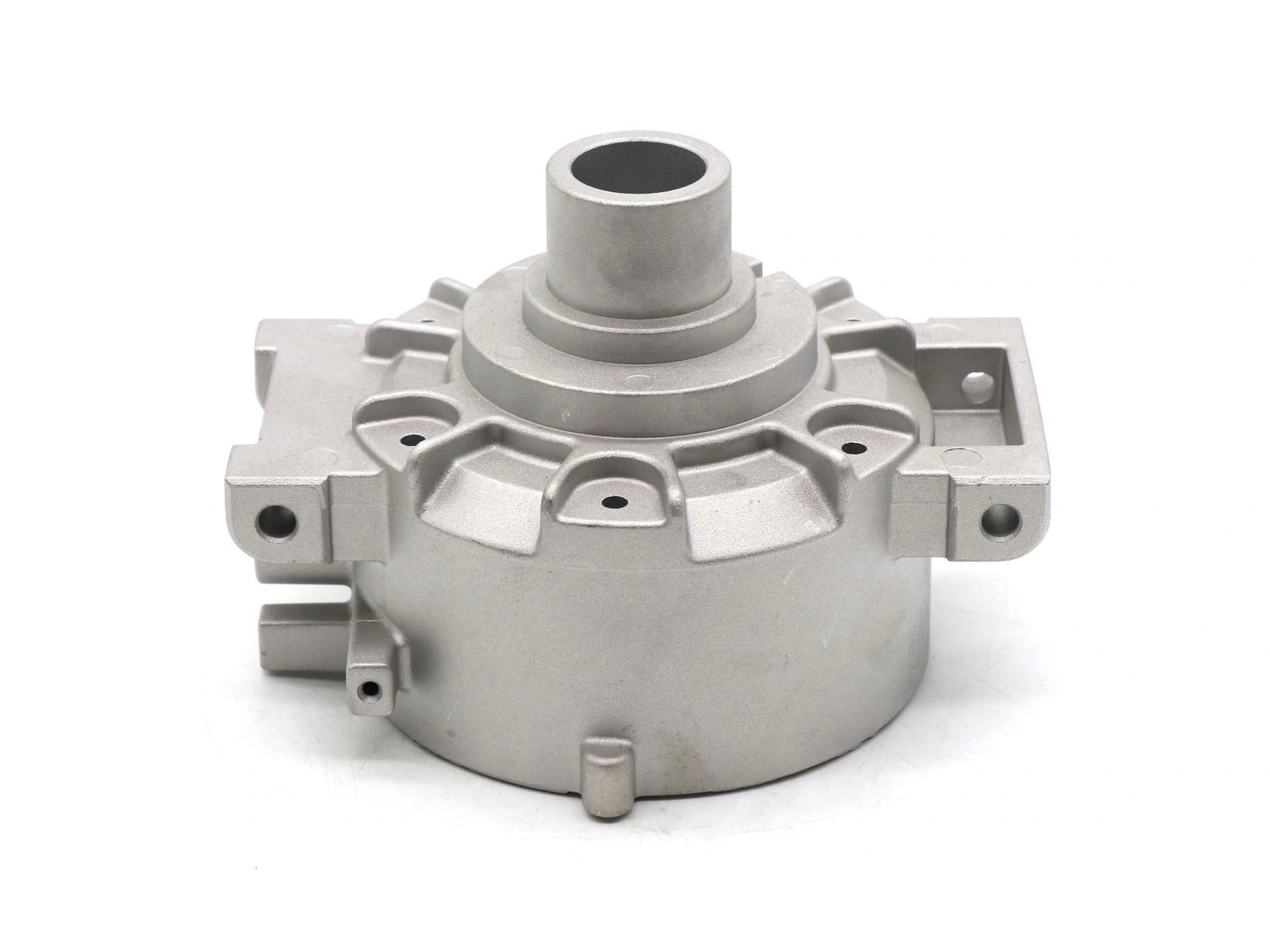
Low volume aluminum castings often need machining and finishing. The material should be checked for thread quality, burr behavior, sealing face risk and coating compatibility. A casting may pass shape inspection but fail after CNC machining exposes porosity or after powder coating creates pinholes.
Buyers should define machined features and finish requirements in the RFQ. Threads, bores, sealing faces, datums, visible faces, coating areas and masking areas should be clear. This allows the supplier to review whether the material and process route can support the final part.
Material Records for Repeat Orders
Low volume projects often become repeat orders. The selected material grade, supplier standard, sample approval and inspection records should be kept with the production release package. If the material changes later, the buyer should review machining, finishing and functional performance again.
Neway can help buyers compare aluminum material choices for low volume casting based on process route, part design, CNC machining, surface finishing and future production needs. The goal is to choose a material that proves the manufacturing route, not only a material that looks good in a datasheet.
For projects that may transfer into die casting, buyers should review aluminum die casting alloy options before approving the pilot material, because A380, A360, A413 and A356-T6 do not create the same tooling, finishing or machining risk.
Material Validation in Low-Volume Batches
The low-volume batch should confirm how the selected material behaves after casting, machining and finishing. Buyers should check whether the material fills thin walls, supports threaded bosses, machines without unacceptable burrs, and accepts the planned coating or other finish. These results are more useful than a material name alone.
If the project may scale, the pilot material should be controlled carefully. Changing from one aluminum grade to another after approval can change shrinkage, machining behavior, surface finish and inspection results. Any material change should be treated as an engineering change, not a purchasing substitution.
Buyers should request material records when the application requires traceability. Even for low-volume orders, material documentation can prevent confusion when the same part is reordered months later.
When the Material Should Not Be Changed
The material should not be changed after sample approval unless the buyer reviews the effect on casting, machining, finishing and assembly. A change from one aluminum alloy direction to another can alter fill behavior, shrinkage, porosity risk, corrosion performance and coating response. Even if two materials look close in cost, they may not behave the same in the tool or fixture.
If a supplier proposes a substitute material, the buyer should ask why. The reason may be availability, cost, tooling behavior or performance. The change should be documented and, when the part is functional, tested again on machined and finished parts.