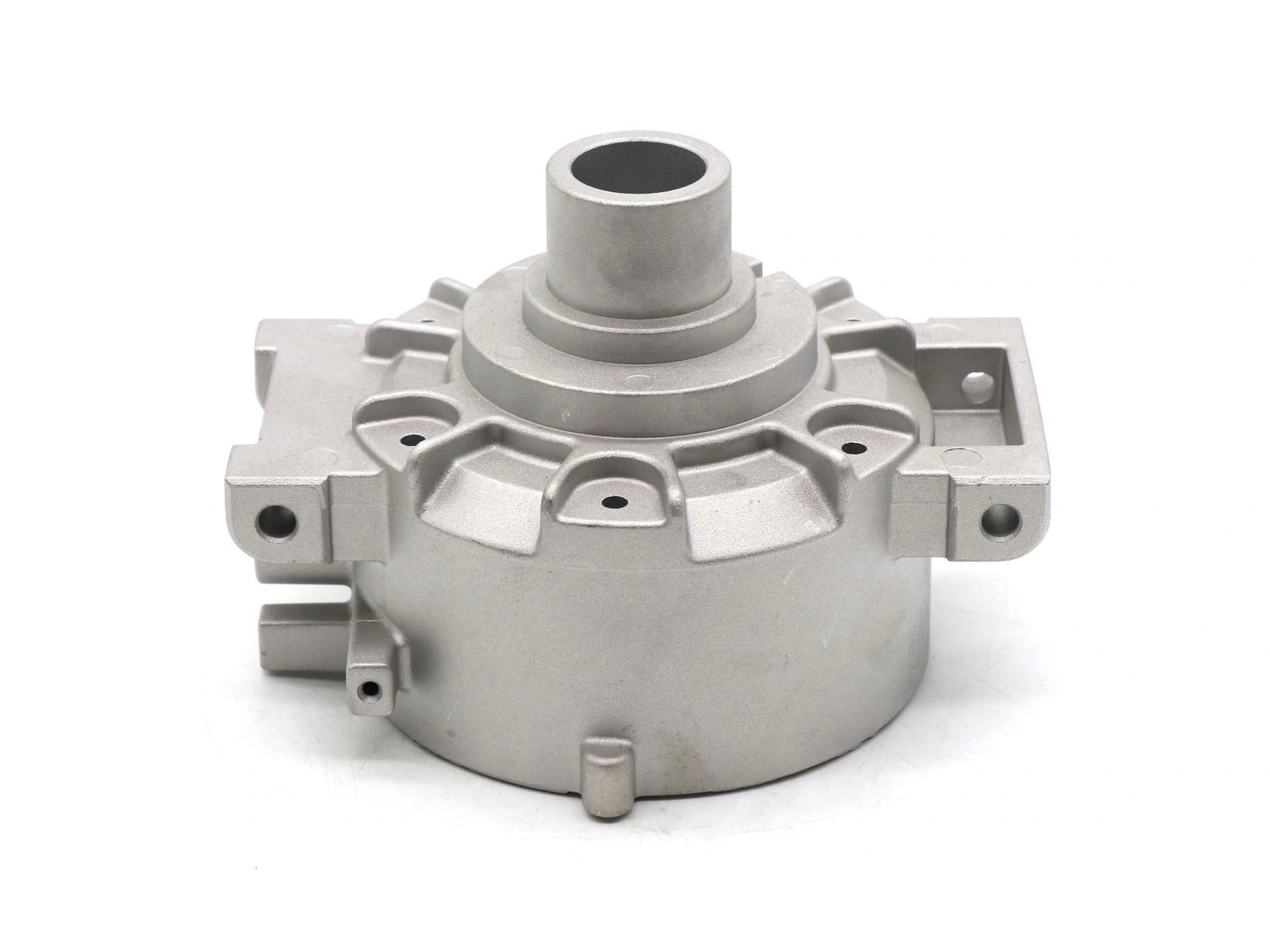
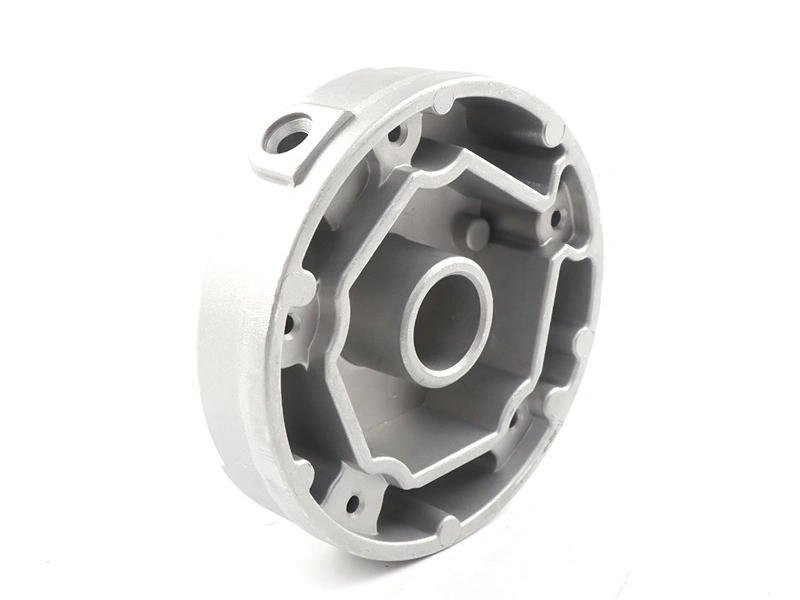
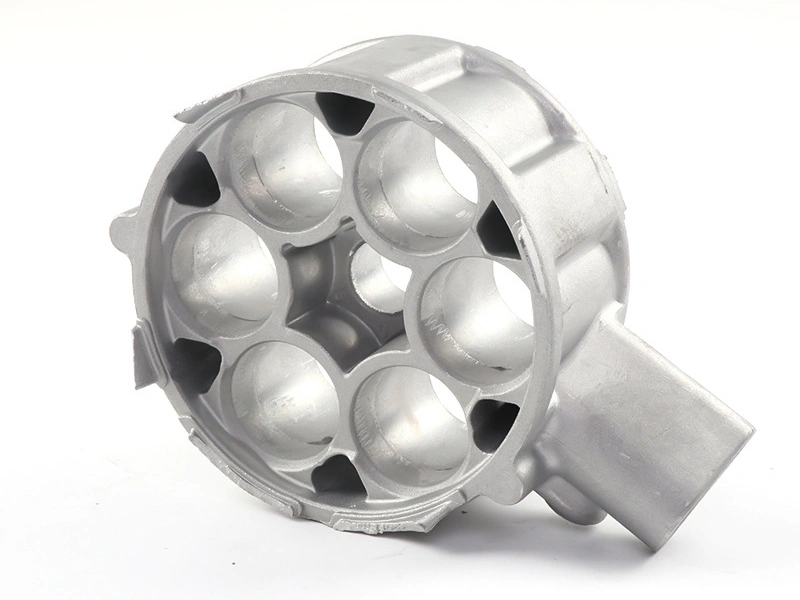
What Are Aluminum Die Cast Prototypes Used Fo?
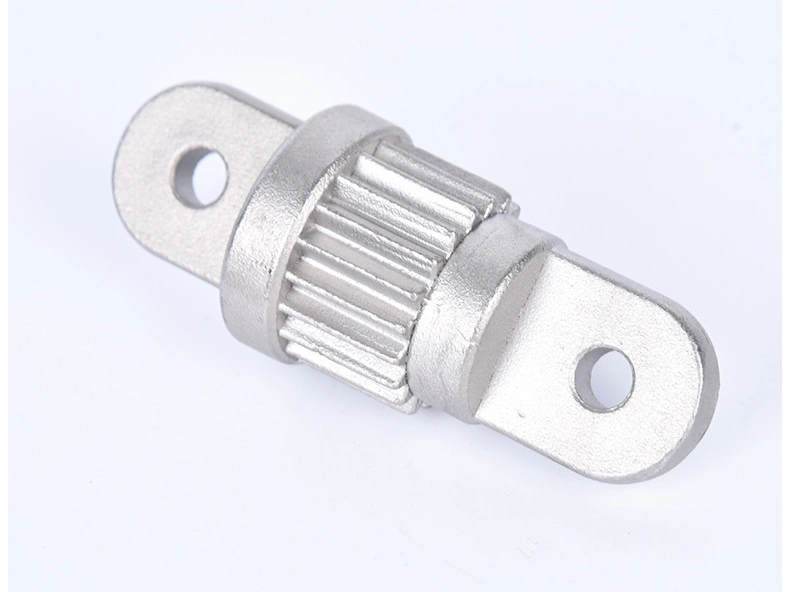
What Are Aluminum Die Cast Prototypes Used For?
Aluminum die cast prototypes are used to validate part structure, assembly fit, key dimensions, material selection, wall thickness, rib design, CNC machining areas, surface treatment results, and sample standards before mass production. They help buyers find design and manufacturing problems before investing in larger tooling or releasing batch production.
For buyers, aluminum die cast prototypes are not only sample parts. They are a practical validation step before formal production. By testing the prototype first, buyers can reduce mold modification risk, sample failure, assembly problems, surface finish disputes, and batch rework. In a custom metal casting project, prototype validation helps connect product design, die casting, CNC machining, polishing, coating, painting, inspection, and production planning.
1. Quick Overview of Aluminum Die Cast Prototype Uses
Prototype Use | What Buyers Can Check | Why It Matters Before Production |
|---|---|---|
Structure validation | Overall shape, ribs, bosses, wall thickness, mounting features, and part strength direction | Reduces design mistakes before tooling or batch production |
Assembly checking | Fit with mating parts, screw locations, clips, inserts, covers, and functional interfaces | Prevents assembly interference and late design changes |
Dimension testing | Critical holes, threads, sealing faces, datums, and inspection points | Improves dimensional control and sample approval |
Material confirmation | Strength, weight, machinability, surface finish, and application suitability | Helps confirm whether the selected aluminum material fits the product requirement |
Surface treatment testing | Polishing, coating, painting, cosmetic surfaces, color, roughness, and acceptable defects | Reduces appearance disputes and finishing rework before mass production |
2. How Prototypes Help Validate Part Structure
Aluminum die cast prototypes help buyers check whether the part structure is suitable for real manufacturing and final use. A 3D model may look correct on screen, but the physical prototype can reveal problems in wall thickness, ribs, bosses, sharp corners, deep cavities, mounting points, and part strength.
Structural Area | What Prototype Validation Shows | Risk Reduced |
|---|---|---|
Wall thickness | Whether walls are too thin, too thick, or uneven | Reduces shrinkage, deformation, weak areas, and casting instability |
Ribs and reinforcement | Whether ribs improve strength without causing filling or ejection problems | Reduces mold modification and structural failure risk |
Bosses and mounting points | Whether screw bosses, holes, and support areas are strong enough | Improves fastening reliability and assembly stability |
Complex geometry | Whether undercuts, grooves, cavities, or thin features are practical | Reduces tooling complexity and manufacturing uncertainty |
3. How Prototypes Help Check Assembly Relationships
Assembly validation is one of the most important reasons to make aluminum die cast prototypes. Buyers can check whether the part fits with other components, whether holes align correctly, whether screws and inserts work properly, and whether any surface causes interference during assembly.
Assembly Area | Prototype Check | Buyer Benefit |
|---|---|---|
Mounting holes | Check hole position, size, spacing, and alignment | Reduces screw mismatch and assembly delay |
Mating surfaces | Check contact, flatness direction, clearance, and interference | Improves fit between parts |
Fastening features | Check bosses, threads, inserts, and tightening force | Improves assembly strength and reliability |
Sealing areas | Check whether sealing surfaces need machining or surface control | Reduces leakage and functional failure risk |
4. How Prototypes Help Test Key Dimensions
Aluminum die cast prototypes allow buyers and suppliers to test critical dimensions before production scaling. These dimensions may include mounting holes, threaded holes, positioning holes, sealing faces, datums, flatness, wall thickness, and assembly interfaces.
Testing key dimensions at the prototype stage helps decide whether the part can remain as-cast or needs CNC machining after casting. It also helps confirm inspection standards before mass production.
Dimension Type | Why It Should Be Tested | Production Risk Reduced |
|---|---|---|
Hole position | Controls assembly alignment and fastening accuracy | Reduces misalignment and rework |
Thread quality | Affects fastening strength and repeated assembly | Reduces loose screws and damaged threads |
Sealing faces | Need flatness and roughness control for gasket or contact sealing | Reduces leakage and functional failure |
Datum surfaces | Define how the part is machined, inspected, and assembled | Improves repeatability and dimensional consistency |
5. How Prototypes Help Confirm Material Selection
Material selection affects strength, weight, machining behavior, surface treatment, corrosion resistance, thermal performance, and production cost. Aluminum die cast prototypes help buyers confirm whether the selected aluminum material is suitable for the final product function.
Material Factor | What Prototype Testing Can Show | Why It Matters |
|---|---|---|
Strength | Whether the part can support load, assembly force, or product use | Reduces mechanical failure risk |
Weight | Whether the product meets lightweight targets | Improves product handling and application suitability |
Machinability | Whether holes, threads, and datums can be machined efficiently | Controls CNC machining cost and quality |
Surface treatment compatibility | Whether polishing, coating, or painting achieves the required result | Reduces finish failure and cosmetic disputes |
6. How Prototypes Help Evaluate CNC Machining Areas
Most aluminum die cast parts do not need CNC machining on every surface. Prototypes help buyers identify which areas truly need CNC machining and which areas can remain as-cast or only require surface treatment.
CNC Machining Area | Prototype Validation Purpose | Cost Control Benefit |
|---|---|---|
Mounting holes | Check hole accuracy and assembly alignment | Avoids machining unnecessary surfaces |
Threads | Confirm thread depth, strength, and location | Improves fastening reliability |
Sealing faces | Confirm flatness, roughness, and leakage control needs | Reduces sealing failure risk |
Assembly datums | Confirm reference surfaces for machining and inspection | Improves batch consistency and inspection accuracy |
7. How Prototypes Help Test Surface Treatment Results
Aluminum die cast prototypes can be used to test polishing, coating, painting, deburring, roughness, color, cosmetic surfaces, and acceptable defect standards. This is important because surface treatment results depend on casting quality, material, surface preparation, visible surface layout, and inspection requirements.
Surface Treatment | What Prototype Testing Checks | Why It Matters Before Mass Production |
|---|---|---|
Polishing | Surface smoothness, burr removal, parting line reduction, and cosmetic quality | Reduces appearance disputes and manual rework |
Coating | Adhesion, coating thickness, masking, corrosion resistance direction, and visual result | Reduces coating failure and assembly interference |
Painting | Color, gloss, texture, surface preparation, and acceptable defects | Improves sample approval and batch color consistency |
Deburring | Edge quality, handling safety, burr removal, and assembly fit | Improves production acceptance and assembly efficiency |
8. How Prototypes Help Confirm Sample Standards Before Mass Production
Before mass production, buyers and suppliers should use prototypes to confirm what an acceptable sample looks like. This includes dimensions, cosmetic surfaces, surface roughness, coating quality, painting color, machining areas, assembly fit, acceptable defects, and inspection method.
Once the sample standard is approved, it becomes easier to control batch production quality and reduce disputes during inspection.
Sample Standard Item | What Should Be Confirmed | Why It Reduces Risk |
|---|---|---|
Dimensional standard | Critical dimensions, tolerances, datums, and inspection points | Reduces batch dimensional disputes |
Appearance standard | Visible surfaces, acceptable scratches, pores, parting lines, and coating marks | Reduces cosmetic rejection risk |
Surface treatment standard | Polishing level, coating thickness, painting color, gloss, and texture | Improves finishing consistency |
Assembly standard | Fit with mating parts, screw assembly, sealing, and functional check | Reduces mass production assembly failure |
9. Summary
Prototype Validation Area | Main Purpose |
|---|---|
Part structure | Validate wall thickness, ribs, bosses, complex geometry, and design feasibility |
Assembly relationship | Check fit, fastening, interference, sealing, and mating part compatibility |
Key dimensions | Test holes, threads, sealing faces, datums, and inspection points |
Material selection | Confirm strength, weight, machinability, surface treatment compatibility, and product function |
CNC machining areas | Identify which surfaces need post-machining and which can remain as-cast |
Surface treatment | Test polishing, coating, painting, deburring, color, roughness, and cosmetic standards |
Sample approval standard | Confirm acceptable dimensions, appearance, surface finish, assembly fit, and inspection rules before mass production |
In summary, aluminum die cast prototypes are used to validate part structure, assembly relationships, key dimensions, material selection, wall thickness, reinforcement design, CNC machining areas, polishing, coating, painting, and final sample standards before mass production. Prototype validation helps buyers discover design and manufacturing risks early, reducing mold modification, sample failure, appearance disputes, and batch rework in custom aluminum die casting projects.