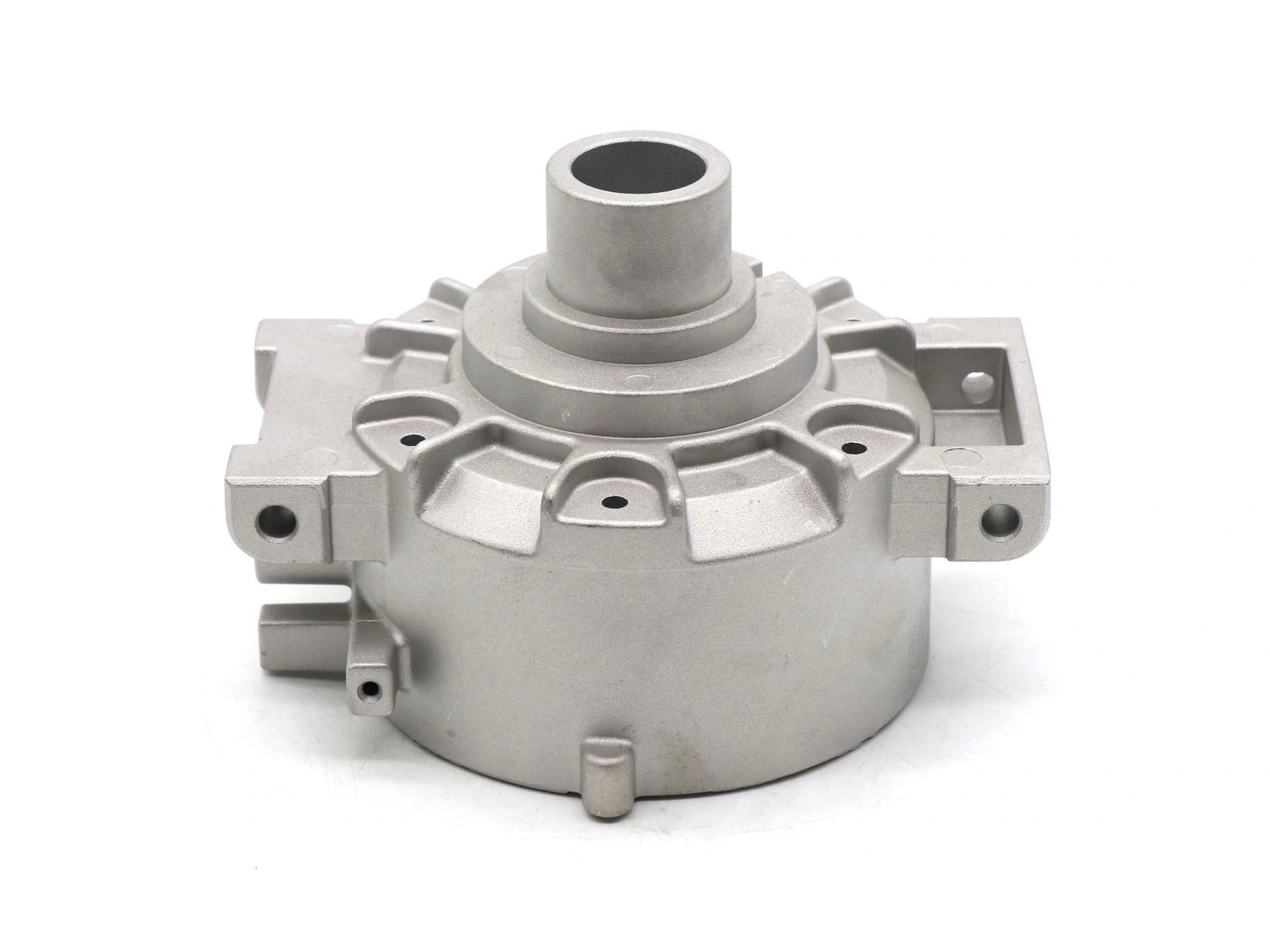
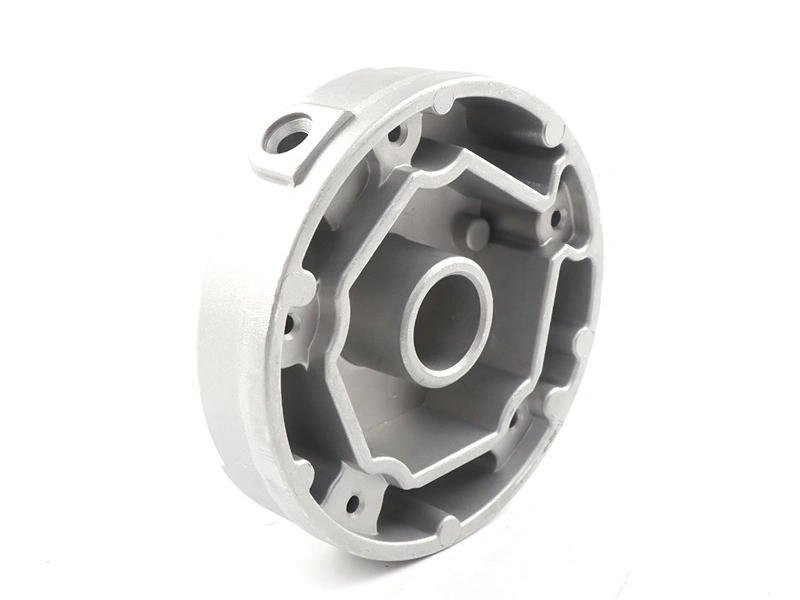
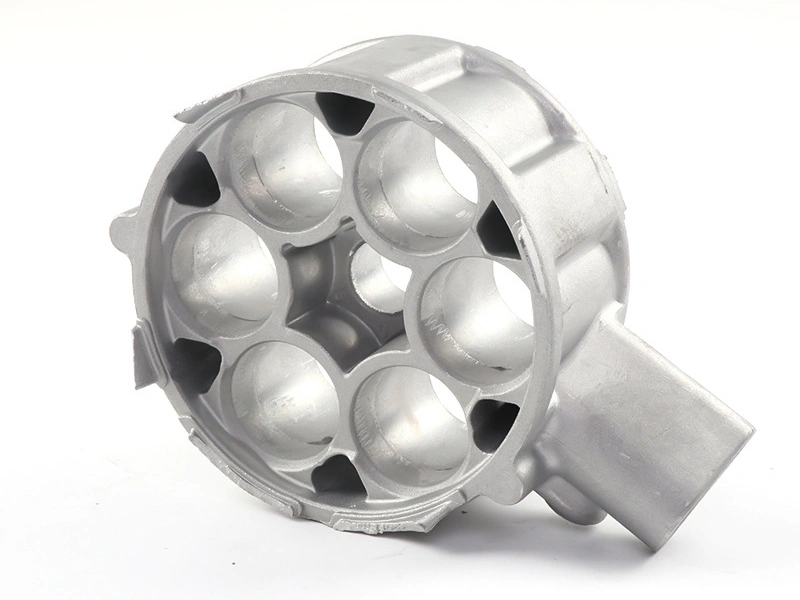
What Are the Best Aluminium Grades for Casting Custom Parts?
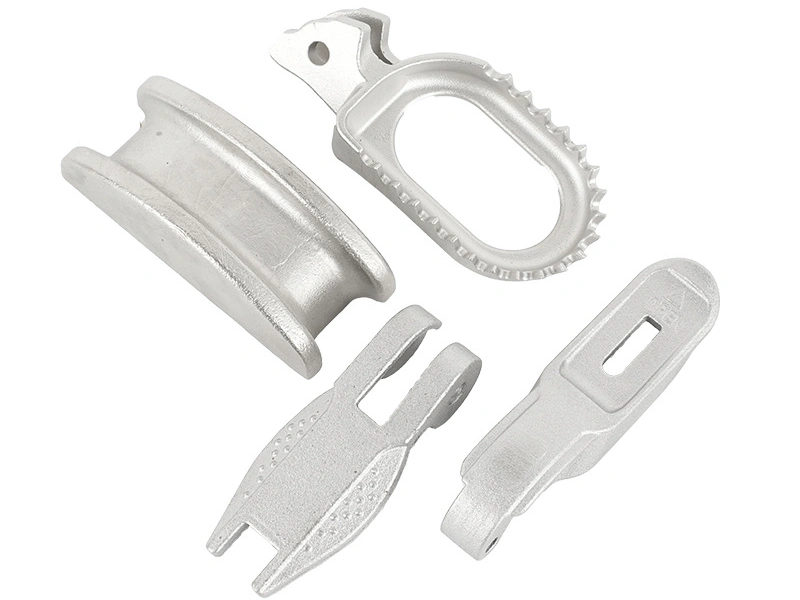
What Are the Best Aluminium Grades for Casting Custom Parts?
There is no single best aluminium grade for casting every custom part. The best grade depends on the part application, strength requirement, weight target, heat dissipation need, surface treatment requirement, structural complexity, CNC machining needs, annual demand, and cost target. A grade that works well for an electronic housing may not be the best choice for a load-bearing bracket, heat sink, automotive component, pump housing, or cosmetic cover.
For buyers, aluminium grade selection should not be based only on material price. The right material should match the part structure, die casting stability, post-machining requirements, appearance standard, production volume, and long-term working environment. A professional custom metal casting review can help buyers compare material performance, casting feasibility, tooling risk, finishing quality, and total production cost before confirming the final grade.
1. Why There Is No Single Best Aluminium Grade for Casting
The best aluminium grade for casting depends on what the part needs to do. Some parts need higher strength. Some need lower weight. Some need better thermal performance. Some need good surface finishing. Some need stable CNC machining after casting. If buyers choose material only by price, the project may face casting defects, machining problems, surface finish issues, or higher long-term cost.
Selection Factor | Why It Matters | Buyer Decision Point |
|---|---|---|
Part application | Different industries need different strength, weight, heat, and surface performance | Confirm whether the part is structural, cosmetic, thermal, automotive, industrial, or electronic |
Strength requirement | Load-bearing parts need enough mechanical performance and durability | Check load, vibration, fastening force, impact, and service life |
Weight requirement | Aluminium casting is often chosen for lightweight metal parts | Balance material choice with wall thickness, ribs, and product weight target |
Heat dissipation | Heat sinks, lighting housings, and electronic enclosures may need thermal performance | Review alloy, wall thickness, fins, surface area, and coating together |
Surface treatment | Painting, coating, polishing, and anodizing direction depend on material and casting quality | Confirm appearance, corrosion resistance, coating thickness, and cosmetic standards early |
CNC machining | Holes, threads, sealing faces, datums, and mounting areas may need post-machining | Confirm machining allowance and critical tolerances before tooling |
2. How Part Application Affects Aluminium Grade Selection
Part application is the first factor in aluminium grade selection. Automotive parts, electronic housings, lighting components, industrial equipment parts, mechanical brackets, pump bodies, and heat dissipation structures may all use aluminium casting, but they may not use the same grade or the same manufacturing strategy.
Application | Main Requirement | Material Selection Focus |
|---|---|---|
Automotive parts | Lightweight structure, strength, vibration resistance, and batch consistency | Balance strength, weight, casting stability, and long-term production cost |
Electronic housings | Protection, assembly fit, heat dissipation, and appearance | Review thermal performance, surface finish, machining areas, and dimensional stability |
Lighting housings | Heat dissipation, surface quality, mounting, and corrosion protection | Check heat transfer needs, coating, wall thickness, and cosmetic surfaces |
Industrial equipment parts | Durability, mounting strength, corrosion resistance, and repeatable production | Evaluate strength, surface treatment, CNC machining, and inspection requirements |
Pump or motor housings | Sealing, mounting, dimensional control, and functional reliability | Confirm CNC machining for sealing faces, holes, threads, and datums |
3. How Strength and Weight Requirements Affect the Best Grade
Aluminium casting grades are often chosen because they can support lightweight custom metal parts. However, lightweight design must be balanced with strength, wall thickness, rib structure, fastening areas, and assembly load. A part cannot focus only on weight reduction if it must also support mechanical force or long-term use.
Requirement | Why It Affects Grade Choice | Buyer Should Confirm |
|---|---|---|
High strength | Structural and load-bearing parts need stronger material and better design support | Load, impact, vibration, fastening force, and safety requirement |
Lightweight design | Material choice works together with wall thickness, ribs, bosses, and hollow structures | Target weight, wall thickness limits, and reinforcement areas |
Assembly strength | Screw bosses, holes, and mounting features must not fail during assembly | Thread type, tightening force, inserts, and post-machining needs |
Dimensional stability | The selected grade and casting process must support repeatable production | Critical dimensions, inspection method, and annual volume |
4. How Heat Dissipation Affects Aluminium Grade Selection
If the part is used for electronics, LED lighting, power equipment, motor housings, or heat sink structures, heat dissipation becomes an important material selection factor. The aluminium grade should be reviewed together with thermal path, wall thickness, fin structure, surface area, surface treatment, and working temperature.
Thermal Requirement | Why It Matters | Design and Material Review Point |
|---|---|---|
Heat sink structure | The part must transfer heat while maintaining stable casting quality | Review fins, wall thickness, flow path, material, and surface finish |
LED lighting housing | Lighting parts often need thermal performance and appearance quality | Balance heat dissipation, coating, cosmetic surfaces, and production cost |
Electronic enclosure | Enclosures may need heat control, protection, and stable assembly | Confirm thermal load, mounting points, coating, and CNC machining areas |
Motor or power equipment part | Thermal stability and mechanical reliability may both be required | Evaluate material, wall design, machining, and inspection standards together |
5. How Surface Treatment Requirements Affect Grade Choice
Surface treatment requirements can strongly affect aluminium grade selection. Buyers may need polishing, painting, powder coating, plating, anodizing direction, or other surface treatments. The final result depends not only on the finishing process, but also on material suitability, casting quality, porosity control, surface roughness, and visible surface design.
Surface Treatment Requirement | Why Grade and Casting Quality Matter | Buyer Should Confirm |
|---|---|---|
Polishing | Polishing can expose porosity if casting quality is poor | Visible surfaces, polishing level, acceptable defects, and cosmetic standard |
Painting or powder coating | Surface cleanliness and casting defects affect coating adhesion and appearance | Color, gloss, coating thickness, masking, and corrosion requirement |
Anodizing direction | Not every die cast aluminium grade and surface condition is suitable for consistent anodizing appearance | Alloy suitability, surface quality, sample expectation, and cosmetic requirement |
Decorative finish | Visible surface quality depends on material, mold design, casting control, and finishing | Cosmetic zones, reference sample, inspection method, and acceptable defect limits |
6. How Structural Complexity and CNC Machining Affect Grade Selection
Complex structures often need careful grade selection because material flow, shrinkage, cooling, and machining allowance affect the final part. Thin walls, deep ribs, bosses, undercuts, holes, threads, sealing faces, and datums must be reviewed before tooling.
If the part needs CNC machining after casting, the aluminium grade should support stable machining, tool life, dimensional consistency, and surface quality. CNC machining is commonly used for key holes, threads, sealing faces, mounting faces, bearing areas, and assembly datums.
Design or Process Factor | Why It Matters | Risk if Ignored |
|---|---|---|
Thin walls | Material flow must support complete filling | Short shots, weak sections, or unstable production |
Thick sections | Cooling and shrinkage must be controlled | Porosity, sink marks, deformation, or long cycle time |
Deep ribs and bosses | Filling, ejection, and strength must be balanced | Tooling changes, cracking, or poor assembly strength |
CNC machined areas | Material behavior affects machining cost and dimensional stability | Higher tool wear, unstable dimensions, or rework |
Sealing faces and datums | Critical functional surfaces need machining and inspection control | Leakage, poor fit, or measurement disputes |
7. How Volume and Cost Target Affect Material Choice
Annual demand and cost target also affect the best aluminium grade for casting. For low-volume or prototype projects, buyers may prioritize speed, validation, or lower upfront cost. For mass production, buyers should focus on long-term unit cost, casting yield, tooling stability, machining time, surface finishing yield, and inspection consistency.
Production Factor | How It Affects Grade Selection | Buyer Decision Logic |
|---|---|---|
Prototype quantity | May not require the same tooling and material strategy as mass production | Use prototypes to validate design before committing to production material route |
Low volume production | Material choice should balance validation cost and production readiness | Confirm design, machining, surface finish, and inspection before scaling |
Mass production | Material must support stable casting, low defect rate, and repeatable quality | Evaluate material cost, tooling life, cycle time, machining, finishing, and yield together |
Cost-sensitive project | The cheapest material may not provide the lowest total cost | Compare material, tooling, casting yield, CNC machining, finishing, inspection, and rework cost |
8. What Buyers Should Provide for Aluminium Grade Recommendation
To recommend the right aluminium grade for casting, the supplier needs to understand the full product requirement. Buyers should provide 2D drawings, 3D models, application details, strength requirements, weight target, heat dissipation needs, surface treatment requirements, CNC machining areas, tolerance requirements, annual demand, use environment, and cost target.
Buyer Information | Why It Matters | How It Helps Grade Selection |
|---|---|---|
Application | Shows whether the part is structural, cosmetic, thermal, automotive, electronic, or industrial | Helps select material based on real product function |
2D drawing and 3D model | Shows wall thickness, ribs, bosses, holes, tolerances, and surface requirements | Helps evaluate casting feasibility and machining needs |
Strength and weight targets | Mechanical performance and lightweight design must be balanced | Helps avoid under-specifying or over-specifying the grade |
Thermal requirement | Heat dissipation parts need material, structure, and finish review together | Helps match grade choice with thermal design |
Surface treatment requirement | Finishing quality depends on material suitability and casting quality | Helps choose a grade and process route that supports final appearance |
Annual demand and cost target | Volume and cost affect tooling strategy, yield, machining, and finishing economics | Helps balance material price with total production cost |
9. Summary
Selection Area | How It Affects the Best Aluminium Grade for Casting |
|---|---|
Part application | Different products need different strength, weight, heat, appearance, and production requirements |
Strength requirement | Load-bearing parts need suitable mechanical performance and structural support |
Weight requirement | Lightweight goals must be balanced with wall thickness, ribs, and assembly strength |
Heat dissipation | Thermal parts need material, geometry, surface area, and finish reviewed together |
Surface treatment | Polishing, coating, painting, or anodizing direction depends on material and casting quality |
Structural complexity | Thin walls, ribs, bosses, holes, and complex geometry affect flow, shrinkage, and tooling risk |
CNC machining | Machined holes, threads, sealing faces, and datums require stable material behavior and allowance planning |
Annual demand and cost | Material choice should support long-term yield, unit cost, finishing quality, and production stability |
In summary, the best aluminium grade for casting custom parts depends on the application, strength requirement, weight target, heat dissipation need, surface treatment requirement, structural complexity, CNC machining needs, annual demand, and cost target. Buyers should not choose aluminium grades for casting only by material price. The right grade should match part structure, die casting stability, post-processing, appearance requirements, use environment, and long-term production cost.