What Does Aluminum Alloy Die Casting Mean for Custom Parts?
What Does Aluminum Alloy Die Casting Mean for Custom Parts?
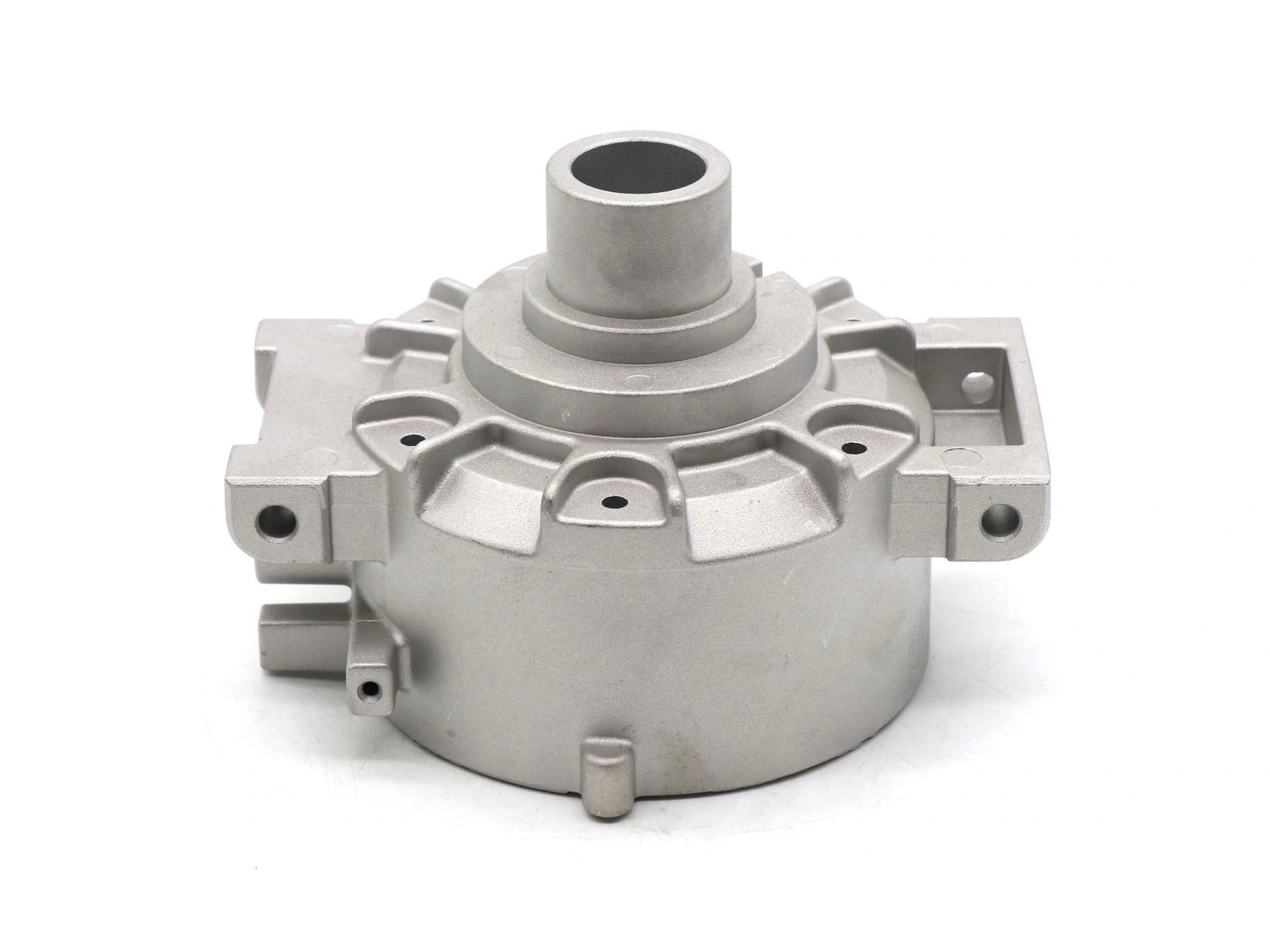
Aluminum alloy die casting means producing custom aluminum parts through high pressure die casting while selecting an alloy direction such as A380, ADC12, A360 or A413 to match the part's geometry, volume, machining, finish and inspection needs. It is not just pouring aluminum into a die. The alloy affects tooling, filling, porosity, CNC machining, coating and production approval.
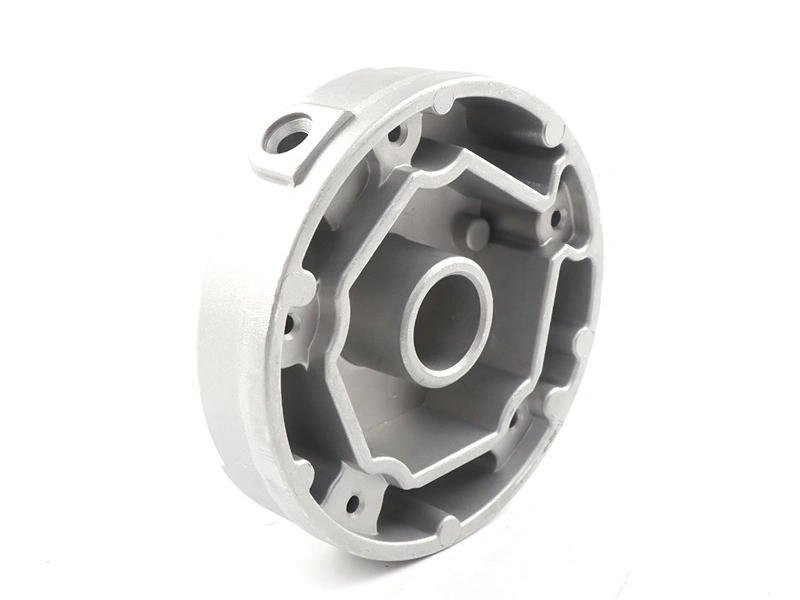
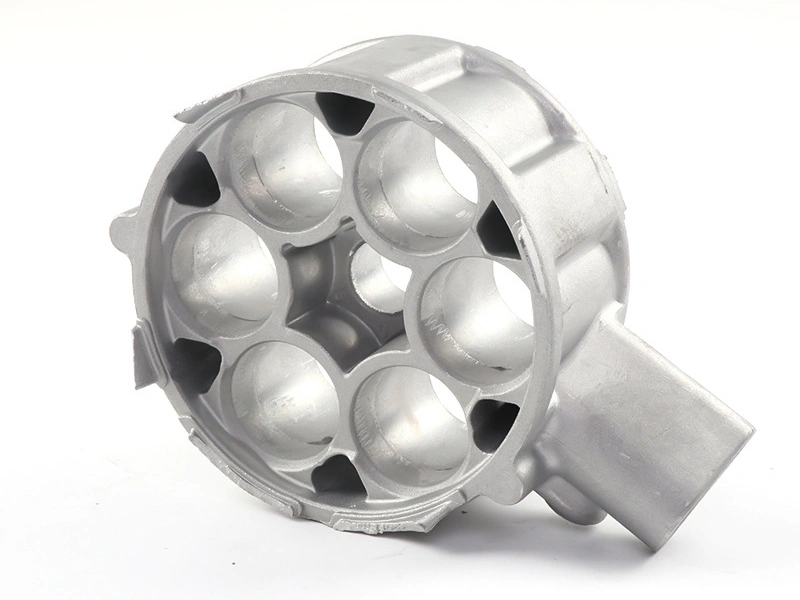
Buyers usually need aluminum alloy die casting when the part has complex shape, thin walls, ribs, bosses, mounting features and repeat production demand. The casting forms the main shape, while CNC machining finishes threads, bores, gasket faces and datum pads. Surface finishing may include deburring, blasting, painting or powder coating.
The buyer should define the finished-part requirement before approving the alloy. A raw die cast blank, a machined casting and a powder coated assembly-ready part are different scopes. Alloy choice should be connected to the final part the buyer expects to receive.
For aluminum alloy die casting scope, buyers can review aluminum die casting alloy options and how aluminum alloy die casting helps buyers choose better production parts.
Aluminum Alloy Die Casting Scope
Project Element | What It Means | Buyer Confirmation |
|---|---|---|
Alloy selection | A380, ADC12, A360, A413 or approved equivalent | Material grade and documentation rule |
Die casting | Tooling, filling, ejection, trimming and process control | DFM, tooling plan and sample approval |
CNC machining | Threads, bores, gasket faces, datums and precision features | Machined zones and inspection method |
Surface finishing | Deburring, blasting, painting, powder coating or other finish | Visible surfaces, masking and finish sample |
Inspection | Material record, CMM, gauges, visual standard or leak test | First article evidence and production checks |
Why Alloy Choice Is Part of Process Planning
Alloy choice affects die casting behavior. A general A380 direction may fit many housings, but the tooling still needs correct gate and venting. ADC12 may fit a customer standard, but the supplier must still prove machining and finish. A360 or A413 may be reviewed for specific risks, but they do not replace DFM, process control and inspection.
Buyers should ask suppliers why a material is recommended. If the answer is only that the alloy is common, the review is incomplete. The supplier should connect material to part shape, wall thickness, machined features, finish and quantity.
Equivalent material rules should also be part of the discussion. If the drawing names ADC12 but the supplier quotes A380, the buyer should confirm whether the substitution is acceptable. If the project requires material records, the quote should state what documentation will be provided with first samples.
When Aluminum Alloy Die Casting Is Useful
Aluminum alloy die casting is useful for repeat production parts that need complex shape and moderate weight. Housings, covers, brackets, motor parts, lighting bodies and industrial enclosures often fit the route. It is less suitable for very low quantity parts with unstable design, parts needing heat-treated A356 structural casting, or parts requiring every surface to be CNC machined.
Buyers should compare total route cost. Die tooling may be expensive at the start, but repeated production can make the unit cost practical. The quote should include casting, trimming, machining, finishing and inspection so the buyer sees the complete scope.
Project stage matters. Early validation may use a prototype route, but production requires the approved die casting alloy, tooling and inspection plan. Buyers should not assume a prototype made from a different material proves the final die cast production route.
Finished-Part Approval
Finished-part approval should include the condition the buyer will receive. If the production part needs CNC machining and powder coating, the first article should include machined features, coating sample, masking and inspection. Raw casting approval alone is not enough for assembly-ready parts.
The buyer should also define the production stage. A prototype can prove geometry, while a pilot run should prove the intended die casting alloy and secondary operations. A production order should lock material, tooling, machining, finish and inspection records. Without this distinction, buyers may approve early samples that do not represent the final production method.
Common Buyer Misunderstandings
A common misunderstanding is assuming aluminum alloy die casting means any aluminum alloy can be used in any die. Another is assuming the alloy name alone controls strength, surface finish or leak performance. In reality, part geometry, die design, process control, machining and inspection all shape the final part.
Buyers should also avoid comparing quotes where one supplier includes finished machining and another only quotes raw castings. The material may look similar, but the commercial scope is different.
The quote should state whether finished parts or raw castings are required.
Neway Process Review
Neway can review aluminum alloy die casting projects through aluminum die casting, tool and die making, CNC machining and post-process finishing. The review can connect alloy choice with the finished-part route.
The useful output is a manufacturing plan that states the alloy, tooling assumptions, machined features, finish standard and inspection evidence. That lets buyers approve a production method rather than a vague material name.