What Drives Cost in High Pressure Die Casting Aluminum?
What Drives Cost in High Pressure Die Casting Aluminum?
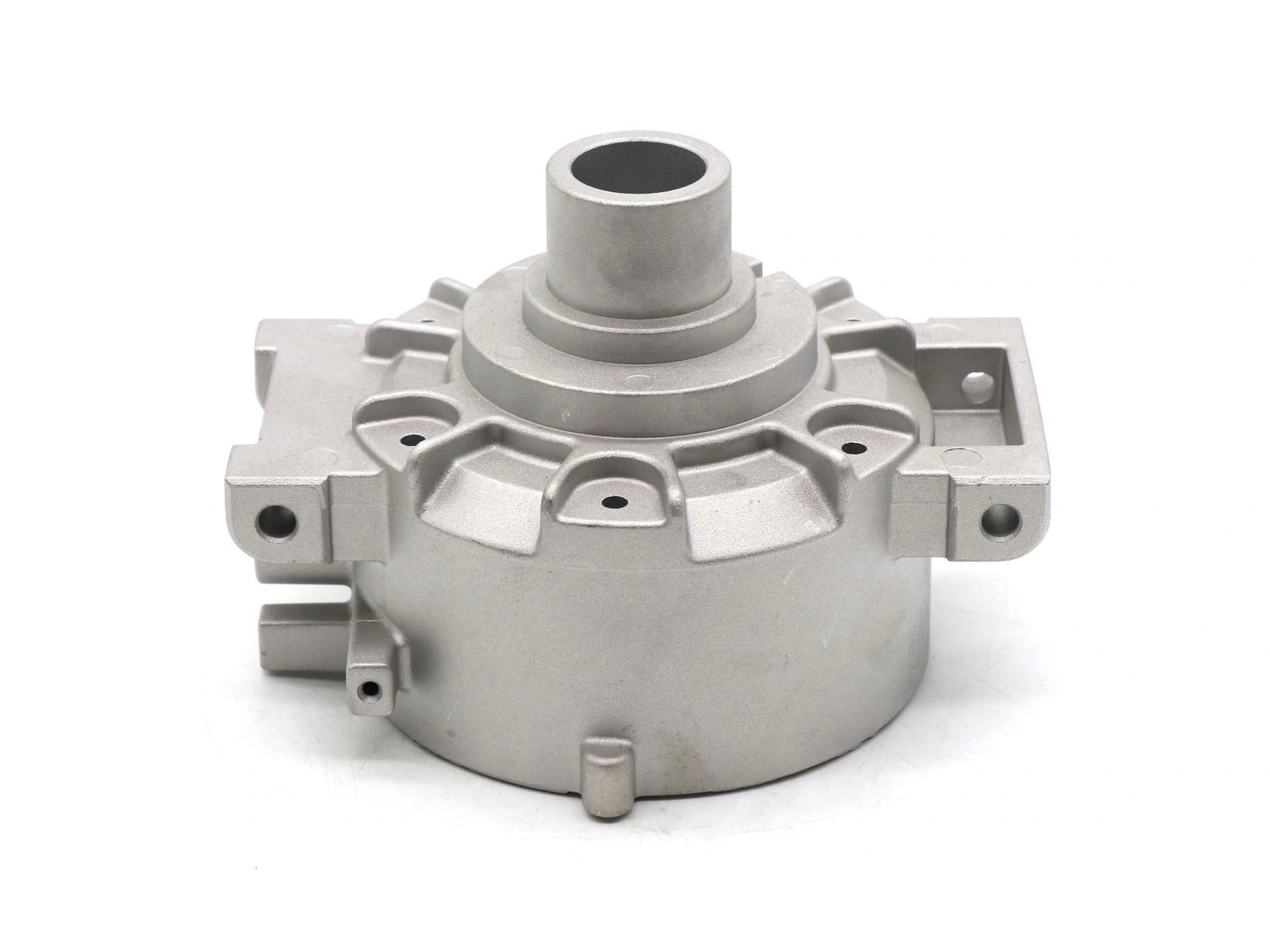
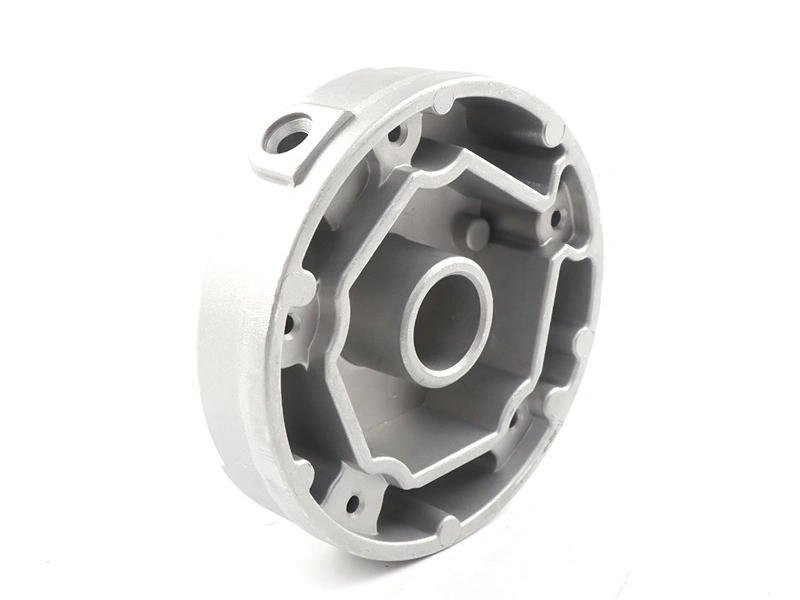
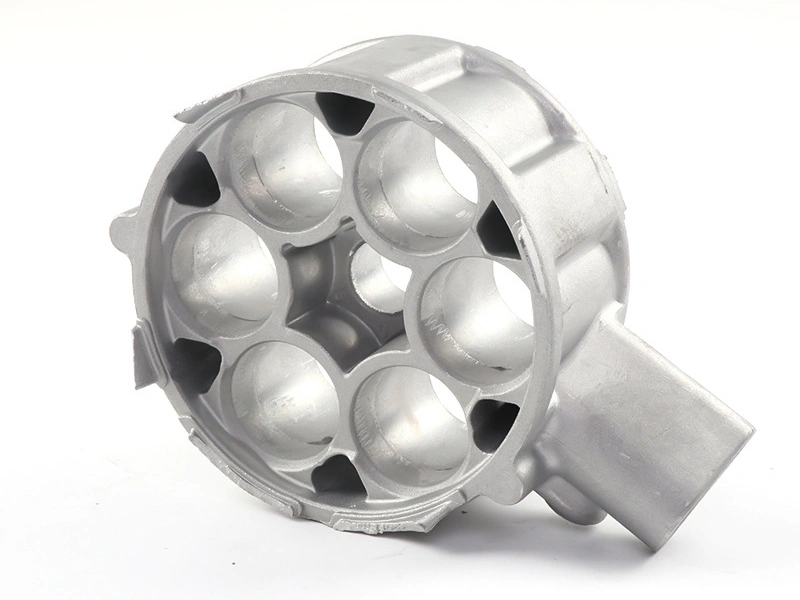
Cost in high pressure die casting aluminum is driven by die tooling, part size, alloy, cavity count, sliders, inserts, wall thickness risk, casting cycle, trim method, CNC machining, surface finishing, inspection and production volume. Buyers should evaluate total manufacturing cost rather than only comparing casting unit price because machining, coating and inspection can change the final cost significantly.
The largest early cost is usually tooling. HPDC uses steel dies that must handle high pressure, thermal cycling, ejection and repeat production. Tooling cost increases when the part needs complex slides, lifters, multiple cavities, deep ribs, tight cosmetic control, special cooling, high tool life or difficult parting line. A cheap tool can become expensive if it causes high scrap, flash, unstable dimensions or slow trial correction.
Unit cost is affected by cycle time and secondary operations. A simple thin-wall cover may cast quickly and require minimal machining. A housing with many threaded holes, a machined gasket face, powder coating and CMM inspection costs more because each operation adds labor, equipment time, fixtures and quality control.
For cost planning, buyers can review how aluminum die casting mold design affects cost and quality and how buyers can reduce cost in high pressure aluminum die casting.
HPDC Aluminum Cost Drivers
Cost Driver | What Increases Cost | Buyer Control Point |
|---|---|---|
Tooling complexity | Slides, lifters, inserts, deep features and difficult parting line | Review undercuts and simplify geometry where function allows |
Cavity count | More cavities raise tool cost but can reduce unit cost at volume | Provide annual demand and batch size |
Part weight | More aluminum, longer fill and more trimming | Use ribs and balanced walls instead of heavy solid sections |
Porosity risk | Extra DFM, process control, X-ray, leak testing or scrap | Mark pressure-sensitive and machined sealing zones |
CNC machining | Threads, bores, gasket faces, datums and tight tolerances | Machine only functional features |
Surface finishing | Powder coating, painting, blasting, masking and cosmetic inspection | Define A-side surfaces, color, thickness and defect limits |
Inspection level | CMM reports, leak tests, X-ray and lot documentation | Request tests tied to function, not broad over-inspection |
Tooling Cost vs Unit Cost
Buyers should separate tooling cost from unit cost. Tooling is an upfront investment that creates the production method. Unit cost includes casting, trimming, machining, finishing and inspection per part. A one-cavity tool may be cheaper to build but slower for high-volume production. A multi-cavity tool may cost more upfront but reduce unit cost when demand is strong.
Tool ownership, maintenance responsibility and tool life should also be clarified. If a project requires long-term repeat supply, the buyer should understand whether the tool is built for the expected volume and whether spare inserts or maintenance plans are needed. These details matter more for high-volume HPDC aluminum than for one-time prototype work.
Tooling cost should be compared with expected program value. A slightly more expensive tool with better cooling, venting and maintainability may reduce scrap and correction work. A very low tooling quote may hide later costs if the die cannot hold dimensions, creates excess flash or damages cosmetic surfaces during ejection.
How Design Can Reduce Cost
Cost reduction starts with design. Balanced walls reduce casting risk. Ribs can provide stiffness without excessive material. Removing unnecessary undercuts can reduce slide complexity. Placing threads and tight features where they are easy to machine can reduce fixture time. Defining realistic tolerances prevents machining or inspecting surfaces that do not affect function.
Finish planning also prevents hidden cost. If powder coating is needed, the buyer should define masking areas before samples. If cosmetic surfaces are important, tooling marks should be reviewed before die construction. If an area is hidden after assembly, a premium cosmetic standard may not be necessary. These decisions can reduce rework while keeping the part fit for use.
Inspection cost should be matched to risk. A pressure housing may justify leak testing and more detailed inspection. A simple bracket may only need critical dimensions and visual checks. Asking for X-ray, CMM and full reports on every lot without a functional reason can increase cost without improving the buyer's actual outcome.
Batch size also changes cost. A small pilot run may carry higher unit cost because setup, trial correction, machining fixture preparation and coating setup are spread across fewer parts. Once the process is stable, larger batches can reduce setup burden and make unit cost more predictable.
Neway Cost Review for HPDC Aluminum
Neway can review HPDC aluminum cost through tool and die making, aluminum die casting, CNC machining, post-process finishing and inspection planning. The review can separate tooling cost, casting unit cost, secondary operation cost and quality-control cost so buyers can compare supplier quotes more accurately.
The best cost decision protects the features that matter and removes cost from areas that do not. A buyer may accept as-cast surfaces on hidden ribs, use CNC only for sealing faces and mounting holes, simplify undercuts, and define cosmetic standards only for visible surfaces. That is how HPDC aluminum becomes a cost-controlled production route instead of a low-price quote with later surprises.