What finishing options are available for premium consumer electronics?
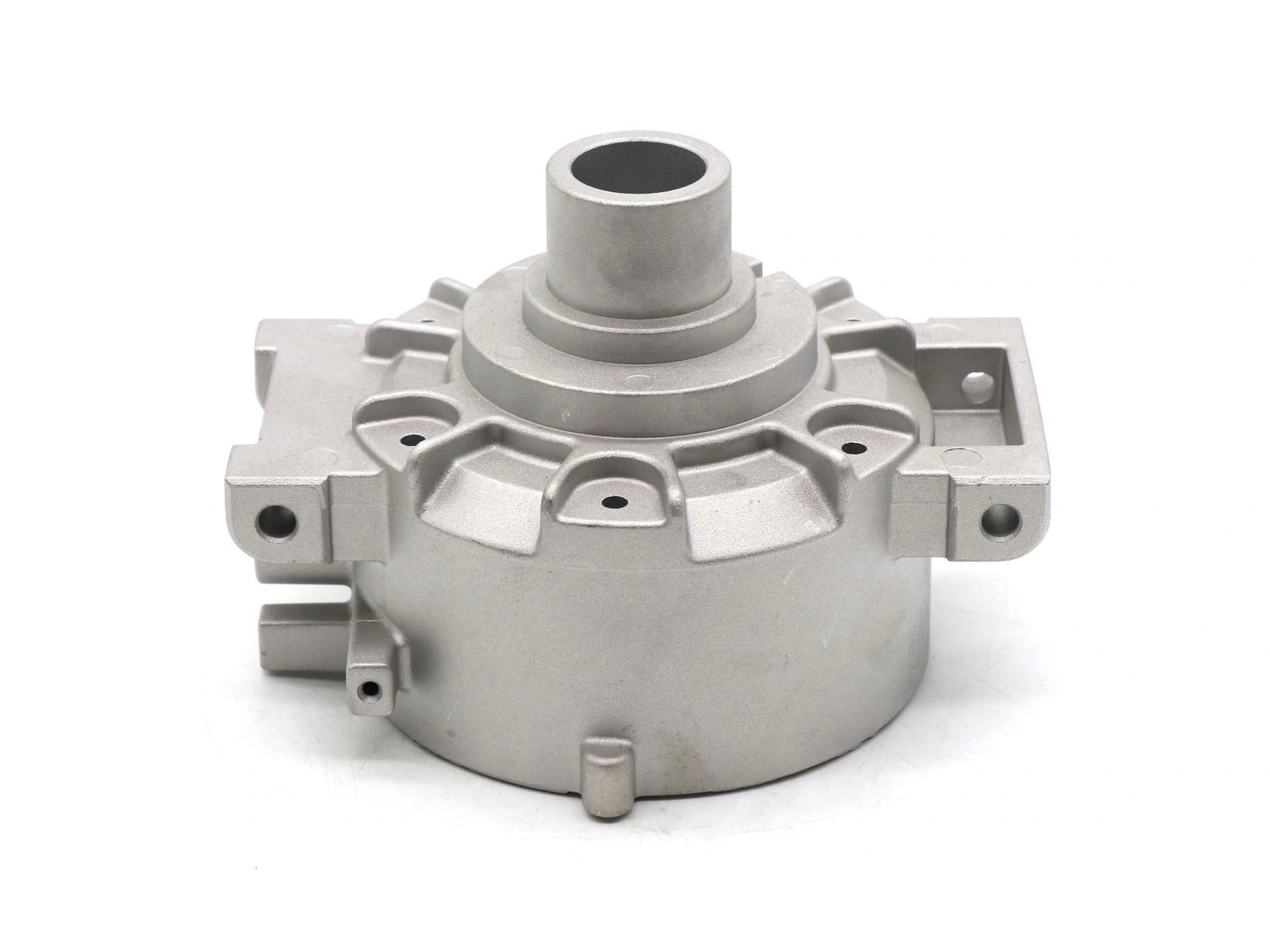
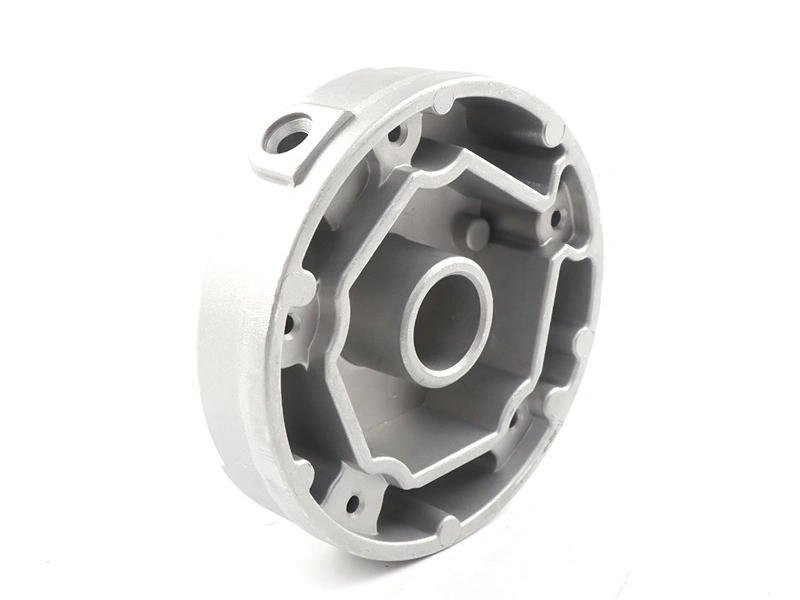
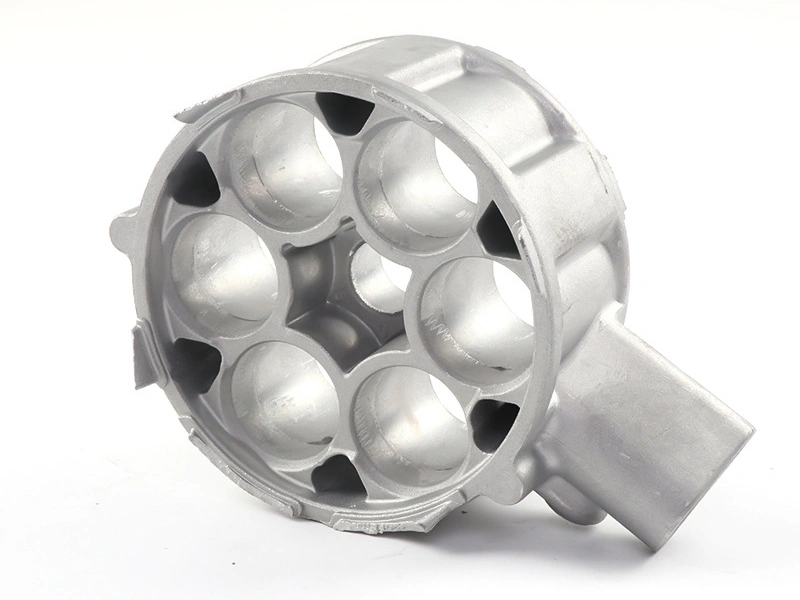
Premium consumer electronics can use polished or blasted metal, conversion plus liquid paint, powder coating, anodizing where the exact cast alloy and appearance permit, plating or PVD on qualified intermediate systems, soft-touch or clear topcoats, laser marking, printing, and mixed-material decorative overlays. No finish is automatically premium. The result depends on the production casting surface, pretreatment, full layer stack, texture, color/gloss limits, edge/rack/mask design, cure, touch and wear environment, repair, assembly, and packaging.
Define premium with boundary samples
Map A/B/C zones, user touch, viewing distance and angle, retail lighting, color, gloss, texture, metallic effect, logos, edge bands, parting/gate/ejector visibility, display/glass harmony, and adjoining material colors. Establish master and light/dark, high/low gloss, texture, defect, and edge boundary samples. Words such as flawless, seamless, or luxury cannot release production.
Decide which cast signatures may remain. Flow lines, pores, polishing clouds, blasting variation, parting witnesses, and coating particles can look different under directional light. A transparent or thin metallic system exposes more substrate variation than an opaque textured paint.
Match the route to the cast substrate
Anodizing can provide metallic appearance, corrosion or wear functions on suitable alloy/surface combinations, but high-silicon die cast aluminum can show uneven color or process patterns unlike selected wrought material. Qualify the exact alloy, chemistry, cavity surface, mechanical preparation, etch, anodize, dye/seal, geometry, and rack contact.
Liquid paint provides broad color, gloss, texture, effect, and localized repair options through a defined pretreatment/primer/base/topcoat system. Powder can provide durable coverage and texture for enclosures and accessories where film buildup, edge coverage, cure heat, grounding, masks, and visual intent fit. One is not universally more premium or durable.
Plating, PVD, clear coats, and decorative films may support metallic effects, wear, fingerprints, or brand identity when adhesion, layer compatibility, galvanic behavior, geometry, touch, substances, and repair are qualified. A decorative overlay can separate appearance from the structural casting but adds bond, gap, thermal, RF, drop, and recycling considerations.
Prepare the surface without hiding risk
Deburring, tumbling, blasting, brushing, polishing, and machining create texture and remove selected marks; they are not substitutes for sound casting. Blasting can expose pores or embed media. Polishing can reveal flow and round edges. Aggressive blending can change wall, flatness, logo, and visual reflection.
Control release residue, oil, coolant, salts, polishing compound, abrasive, fingerprints, rinse quality, drying, queue time, and handling before chemical treatment. Porosity can outgas during cure and produce pinholes or blisters. Define permitted filling or repair and prevent concealment of functional defects.
Protect functional zones
Mask or otherwise control threads, bearing/hinge fits, gasket lands, display bonds, thermal pads, RF/ground contacts, button guides, connector shells, speaker/microphone paths, and datum targets. Film thickness and ridges alter fit, seal compression, button feel, grounding, and thermal resistance. Coating under fasteners can relax.
Metallic finishes and conductive coatings interact with antennas, NFC, wireless charging, and EMI seams. Validate the complete RF/electrical architecture after finishing and aging. Cosmetic color correction must not change electrical continuity or antenna windows.
Compare finishes by product decision
Finish route | Potential design value | Main qualification risk |
|---|---|---|
Blasted/polished plus anodize | Metallic feel and controlled oxide function | Cast-alloy color/signature, pores, racks, wear and masks |
Conversion, primer and liquid paint | Color/effect flexibility and opaque coverage | Preparation, particles, cure, edges, chips, fluids and repair |
Powder coating | Texture and robust opaque layer on suitable housings | Film buildup, recesses, cure, grounding, gaps and fine detail |
Plating/PVD qualified stack | Metallic/decorative or wear/electrical effect | Adhesion, intermediate layers, galvanic behavior and geometry |
Decorative overlay or hybrid shell | Separate visual material from cast chassis | Bond, gap, drop, thermal, RF, repair and recyclability |
Validate user wear and packaging
Test representative scratches, abrasion, hand oil, sweat, cosmetics, sunscreen, cleaners, food, UV, humidity, temperature, chargers, straps, docks, pockets, cases, buttons, and repair tools according to product use. Hardness and adhesion tests answer limited questions; inspect color/gloss/texture and function after exposure.
Packaging must prevent rubbing, imprint, moisture, and transfer. Validate trays, films, bags, labels, gloves, stacking, transport vibration, warehouse dwell, and retail unpacking on final finished parts. A finish accepted at the coating line can arrive damaged.
What buyers should specify
Manage color variants as separate production risks. Different pigments, metallic effects, gloss targets, cure windows, substrate visibility, and repair behavior can change yield. Define campaign size, purge/cleaning, lot matching, mixed-material harmony, variant identification, retained panels, and approval after formulation or source changes. A black textured finish and a pale metallic finish should not share one fallout assumption.
Set stripping and recoat limits before launch. Each cycle can attack substrate, round edges, enlarge holes, change texture, trap chemistry, or worsen outgassing. Decide which zones permit local repair, full strip/recoat, or no rework. Trace repaired parts and validate wear, corrosion, color, fit, grounding, and skin contact as applicable.
Include environmental and end-of-life choices without making vague green claims. Coating chemistry, cure energy, overspray recovery, wastewater, masking, rework, scrap, mixed materials, adhesives, and recyclability affect the lifecycle. Compare approved systems on product performance and actual process data.
Provide alloy/route, final product use, cosmetic zones, master/boundary samples, color/gloss/texture methods, touch/substance requirements, finish stack and permitted alternatives, masks, dimensions after finish, RF/thermal/electrical interfaces, wear/chemical tests, rework, assembly, packaging, traceability, and change rules.
Finishing selection is successful when production-intent housings retain appearance and function through assembly, use, service, and delivery at acceptable saleable yield. A finish name by itself cannot create a premium product.