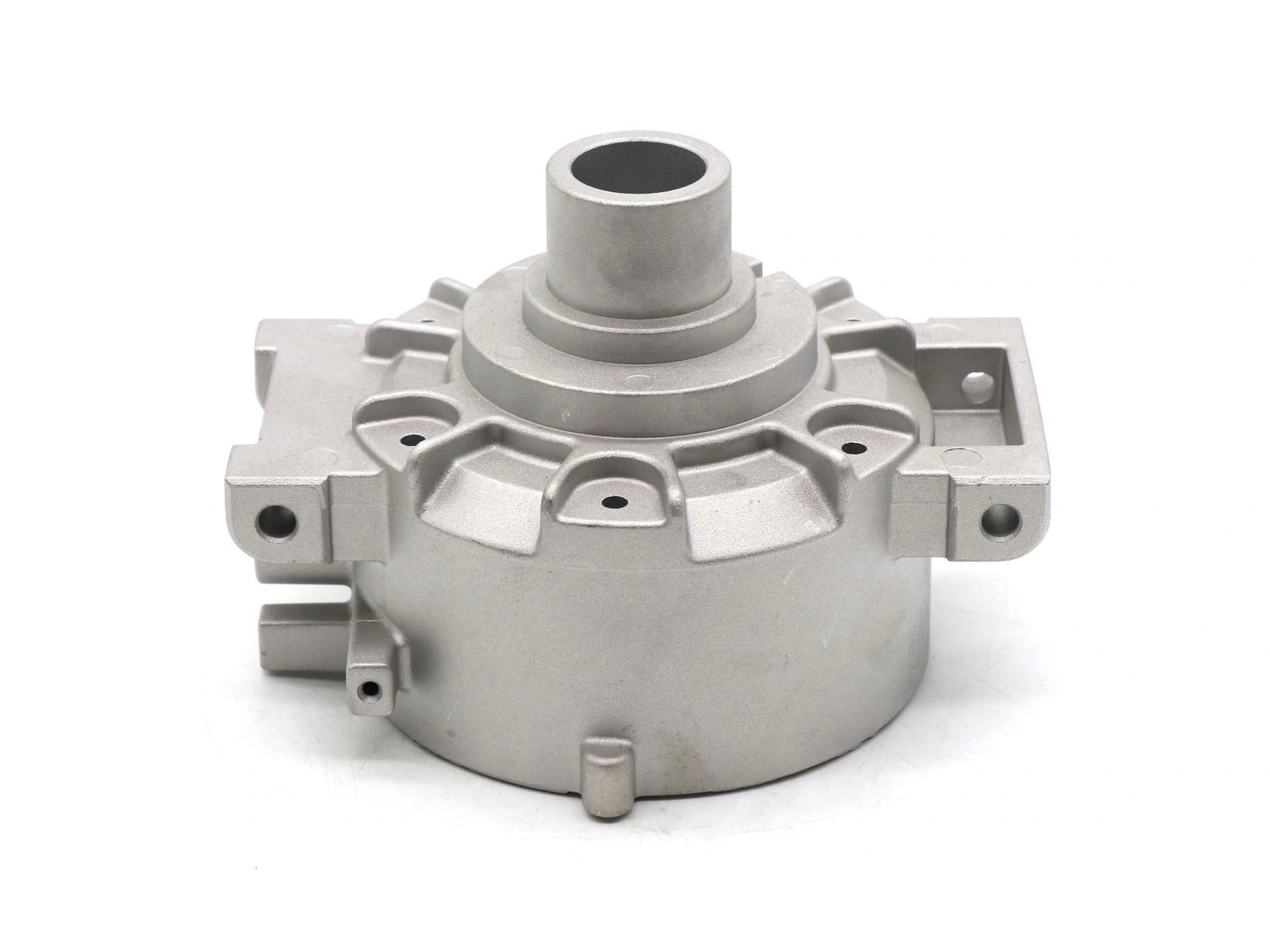
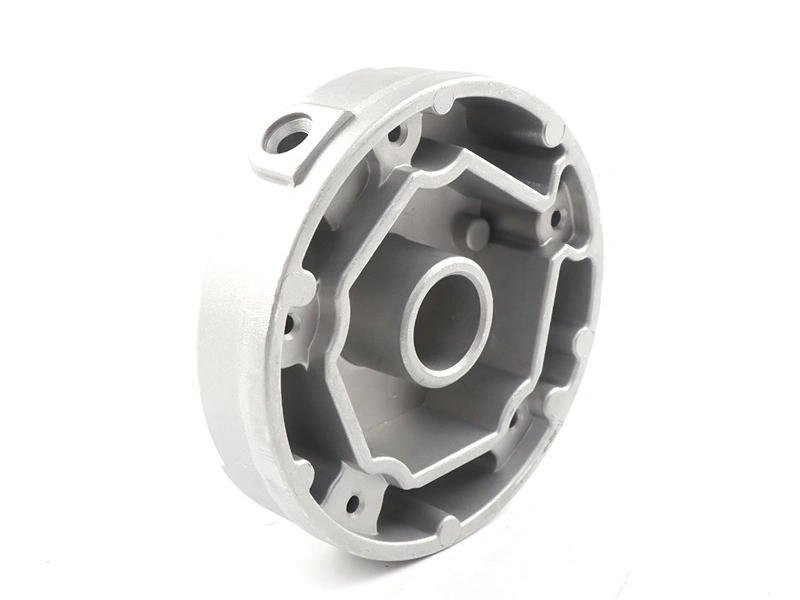
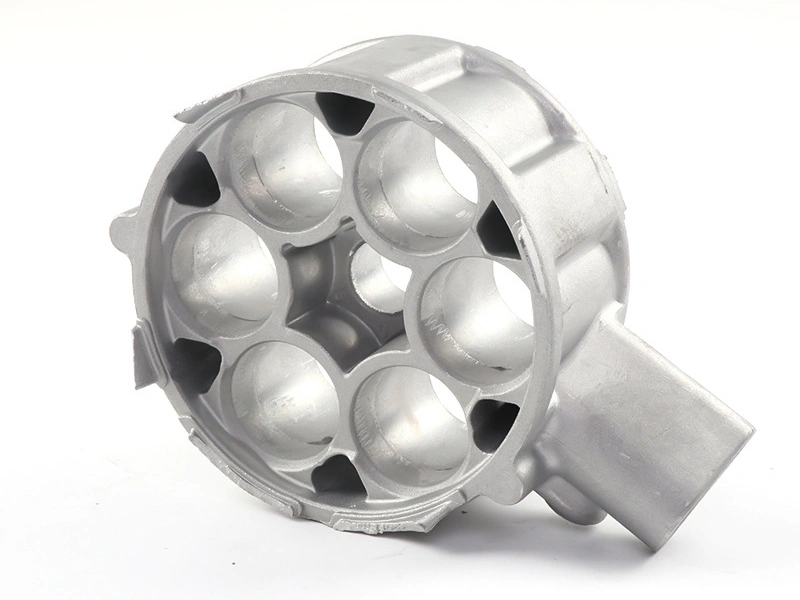
What Information Helps Suppliers Recommend an Aluminum Casting Alloy?
What Information Helps Suppliers Recommend an Aluminum Casting Alloy?
Suppliers can recommend an aluminum casting alloy more accurately when buyers provide a 3D model, 2D drawing, part function, application environment, load condition, casting route preference, target quantity, annual volume, surface finish, machined features, critical dimensions, inspection needs and any material restrictions. Without this information, alloy recommendation becomes guesswork.
The RFQ should make clear whether the buyer already requires a specific alloy or wants the supplier to recommend one. If the drawing says A380, ADC12, A360 or A356-T6, the supplier should check whether equivalent material is allowed. If the drawing only says "cast aluminum", the supplier should ask about function, finish, volume and route before quoting.
Buyers should also describe the production stage. A prototype may use a temporary material or process to validate geometry. A production part needs a stable alloy, documented process, inspection plan and repeat supply. The best alloy for early shape validation may not be the same as the best alloy for long-term production.
For RFQ-based alloy recommendation, buyers can review how to choose aluminum grades for casting and whether one die-cast aluminum material can meet strength, cost and finish needs.
RFQ Information for Alloy Recommendation
Information | Why It Matters | Example |
|---|---|---|
Part function | Controls strength, sealing, thermal or cosmetic priorities | Outdoor pump cover with gasket face |
Casting route | HPDC, sand casting and gravity casting use different alloy directions | Open to supplier route recommendation |
Quantity and annual volume | Controls tooling investment and process economics | 100 pilot parts, 5,000 per year |
Critical machined features | Shows where alloy, porosity and allowance matter | Machine two bores, sealing face and M6 threads |
Surface finish | Controls coating, anodizing review, masking and appearance | Black powder coat, mask threads and ground pad |
Environment | Controls corrosion, temperature, wear or pressure review | Outdoor splash and moderate vibration |
Inspection needs | Controls documentation and acceptance method | FAI, material record and leak test on first samples |
Questions Buyers Should Ask About Material
Buyers should ask why the supplier recommends a specific alloy, whether equivalent grades are acceptable, how the alloy fits the casting route, whether the alloy can be machined and finished as required, and what inspection documents can be provided. These questions are more useful than asking for the cheapest material because the cheapest alloy may not match the finished-part requirement.
If multiple suppliers quote different alloys, the buyer should not compare the prices directly until the technical basis is aligned. A quote for A380 HPDC, a quote for A356-T6 sand casting and a quote for CNC-machined 6061 are not the same manufacturing solution. The buyer should ask each supplier to explain route, alloy, machining, finish and inspection scope.
Buyers should also ask whether the quoted alloy is based on sample convenience or production intent. Some prototype routes use available material to move quickly, while production needs a material that can be purchased, cast, certified and repeated. The distinction should be visible in the quote.
How to Handle Equivalent Materials
Equivalent materials can be useful when the buyer is flexible, but they must be approved carefully. The supplier should identify the proposed equivalent standard and explain why it matches the application. The buyer should review strength, corrosion, finish, machining, certification and customer requirements before allowing substitution.
For global sourcing, material names may differ across standards. ADC12, A383-like directions, A380 and other die casting alloys may be discussed as equivalents or alternatives depending on region and drawing requirements. The RFQ should specify whether substitutions require written approval.
If the buyer has customer approval requirements, the supplier should know them before recommending an equivalent. A substitution that is technically workable may still be unacceptable if the end customer, drawing or certification package locks the grade. Written approval protects both sides.
The RFQ should also say whether the buyer needs documentation such as material certificate, first article report, coating record, hardness direction or heat treatment record. Documentation requirements can change the practical alloy choice because some material routes are easier to certify and repeat than others.
If the buyer is comparing an old supplier's alloy with a new recommendation, sending failed sample photos or old inspection reports can help. Porosity, coating defects, broken bosses, thread failure or corrosion history gives the new supplier real evidence for improving the alloy and process selection.
Target lead time is also useful. Some alloy and route combinations may be technically possible but slower to source, cast, heat treat, machine or finish. The supplier can only balance speed and risk when the schedule is visible.
Neway RFQ Support for Aluminum Alloy Selection
Neway can review aluminum casting alloy recommendations through aluminum die casting, casting route evaluation, CNC machining and finishing planning. The review can help buyers decide whether A380, ADC12, A360, A413, A356-T6 or another route direction fits the part.
The strongest RFQ gives enough information for a supplier to recommend a complete route, not just an alloy name. That recommendation should connect material, process, tooling, machining, finish and inspection so the buyer can approve a manufacturing path with confidence.