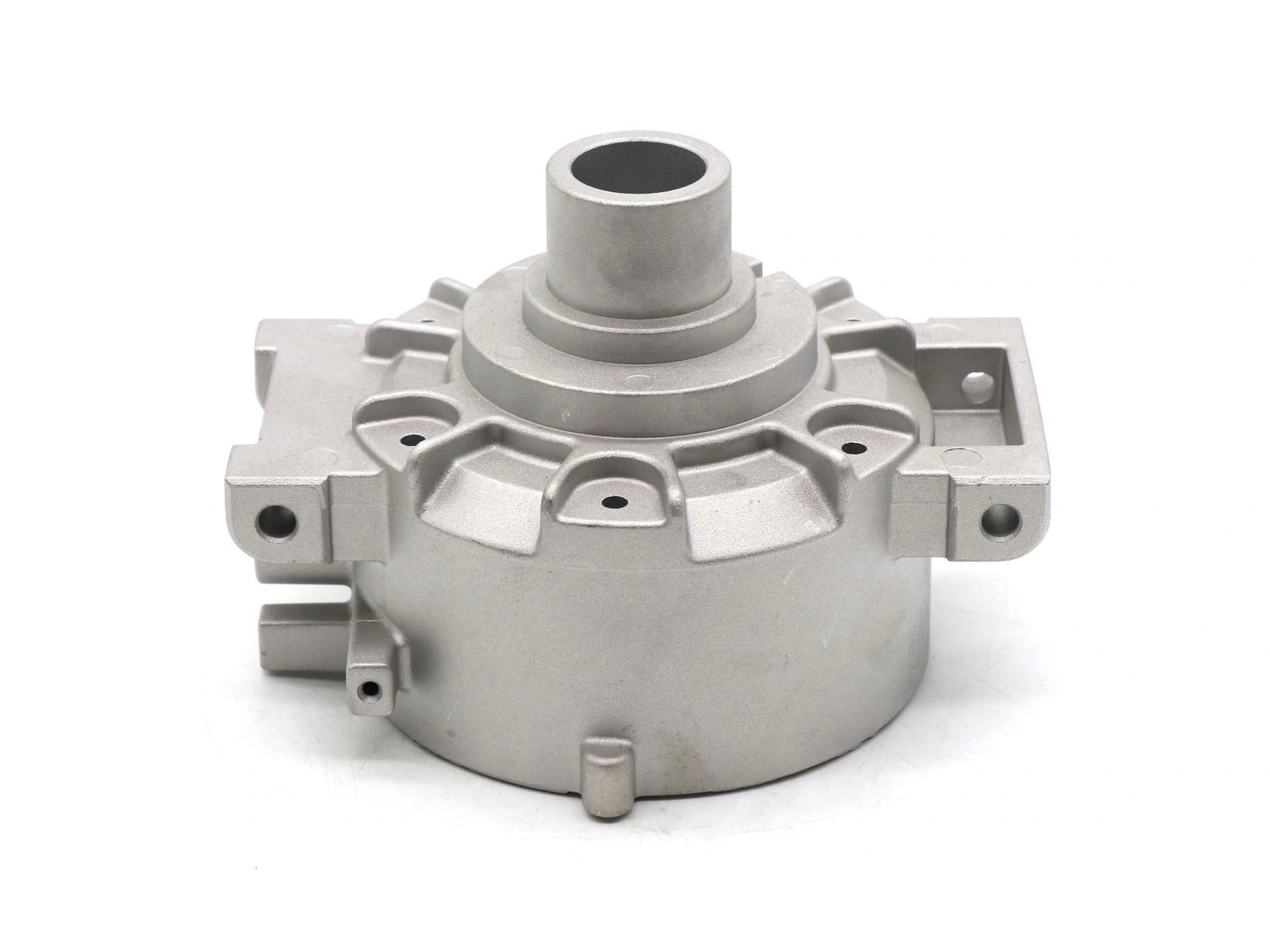
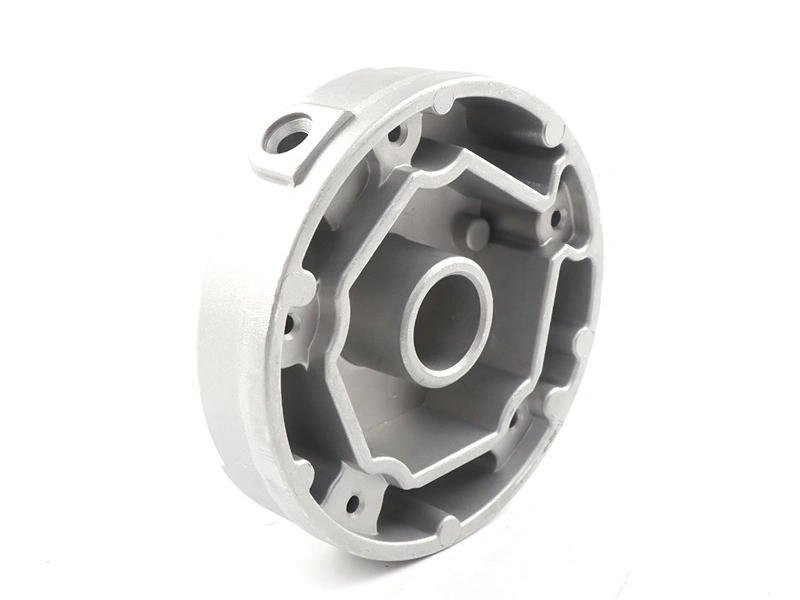
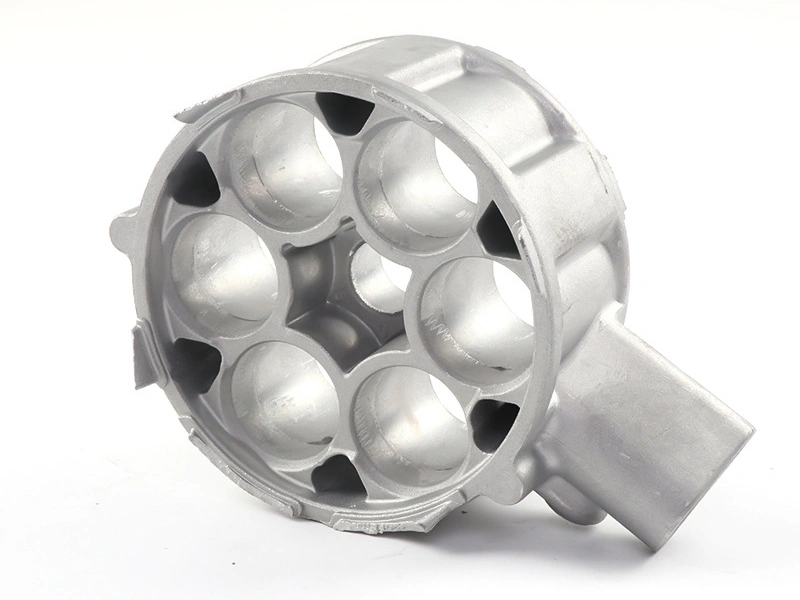
What Information Is Needed for an A356 Aluminum Casting Quote?
What Information Is Needed for an A356 Aluminum Casting Quote?
An A356 aluminum casting quote needs a 3D model, 2D drawing, A356 or A356-T6 material requirement, casting route preference if known, quantity, annual volume, heat-treatment requirement, load condition, machined features, surface finish, inspection documents and target delivery. This information helps the supplier quote the correct casting method and finished-part scope.
Buyers should state whether A356 is mandatory or whether the supplier can recommend another aluminum casting route. If the part can also be reviewed in A380 or ADC12 die casting, that should be clear. If A356-T6 is locked by drawing, customer standard or application requirement, the quote must include heat treatment and final condition planning.
The RFQ should describe the finished part. A raw A356 casting quote is not the same as a machined, heat-treated, coated and inspected component. Machined bores, sealing faces, threads, coating, CMM inspection and packaging all change cost and lead time.
For A356 quote preparation, buyers can review A356 material details and matching aluminum alloy die casting to product function.
A356 Casting RFQ Checklist
RFQ Item | What to Provide | Why It Matters |
|---|---|---|
Files | STEP or X_T model plus PDF drawing | Shows geometry, tolerance, datums and notes |
Material condition | A356, A356-T6 or open recommendation | Controls heat treatment, inspection and final properties |
Quantity | Prototype, pilot and annual volume | Guides route, tooling and unit cost |
Load and environment | Structural load, outdoor exposure, temperature or fluid contact | Controls alloy, heat treatment and finish |
Machining scope | Bores, faces, threads, datums and mounting pads | Controls allowance, fixture and inspection |
Finish | Deburring, blasting, painting, powder coating or raw | Controls surface preparation, masking and packaging |
Inspection | Material record, heat-treatment record, CMM, gauges or functional test | Defines approval evidence |
Quote Scope for A356 Cast Parts
The quote should separate casting route, tooling or pattern cost, heat treatment, CNC machining, finishing, inspection and packaging. This helps buyers compare suppliers fairly. A low quote that excludes heat treatment or final machining is not comparable with a quote for finished A356-T6 parts.
Buyers should also ask how the first article will be approved. The sample package may need raw casting review, heat-treatment record, final machined dimensions, finish sample and assembly fit. If the part is structural or pressure-related, additional functional testing may be required.
Lead time should be broken into steps. Pattern or tooling work, casting, heat treatment, machining, finishing and inspection each add time. When the buyer needs a fast pilot run, the supplier should explain which steps can overlap and which steps must wait for sample approval.
Revision and Equivalent Material Control
Revision control matters because small geometry changes can affect casting route, machining allowance, heat treatment distortion and cost. The RFQ should identify the active drawing revision. If the supplier proposes an equivalent material or a different route, the buyer should approve the change in writing before quotation is finalized.
For legacy parts, buyers should include old material notes, failure history, previous inspection reports or sample photos. If an old A356 part distorted during heat treatment or failed coating adhesion, that information helps the supplier improve the new process plan.
Buyers should also state whether material certificates, heat-treatment records or customer-specific documents are mandatory. Documentation can affect supplier selection and lead time. A quote without required records may look cheaper but fail the buyer's approval process.
Questions to Ask Before Approving the Quote
Before approving an A356 quote, buyers should ask which casting route is assumed, whether A356-T6 is included, which features are machined after heat treatment, what finish is included, which reports are included and what risks remain open for trial samples.
Buyers should also ask what changes if the design revision changes. A new rib, wall thickness, hole location or sealing face can affect pattern work, heat-treatment distortion, machining fixtures and inspection. Quotes should be tied to one active revision.
Finished-Part Comparison
When comparing suppliers, buyers should request the same finished scope from each one. A raw casting quote, a heat-treated casting quote and a machined-and-coated A356-T6 quote cannot be compared as if they are the same. Matching scope prevents false savings.
The quote should also identify what evidence will be provided with first samples. Material record, heat-treatment record, machined dimension report, finish sample and assembly check should be agreed before the order starts.
This keeps sample approval tied to measurable production evidence.
It also reduces quote misunderstanding.
That matters when several suppliers quote different scopes.
Neway A356 RFQ Support
Neway can review A356 aluminum casting RFQs with casting route selection, heat-treatment planning, CNC machining, surface finishing and inspection. If the drawing could be better served by aluminum die casting or another aluminum route, that comparison can be made before tooling or pattern work begins.
The best quote gives the buyer a clear manufacturing route: A356 or A356-T6 material condition, casting method, heat treatment, machined features, finish standard, inspection documents and production release path. That clarity reduces late changes and makes supplier comparison more reliable.