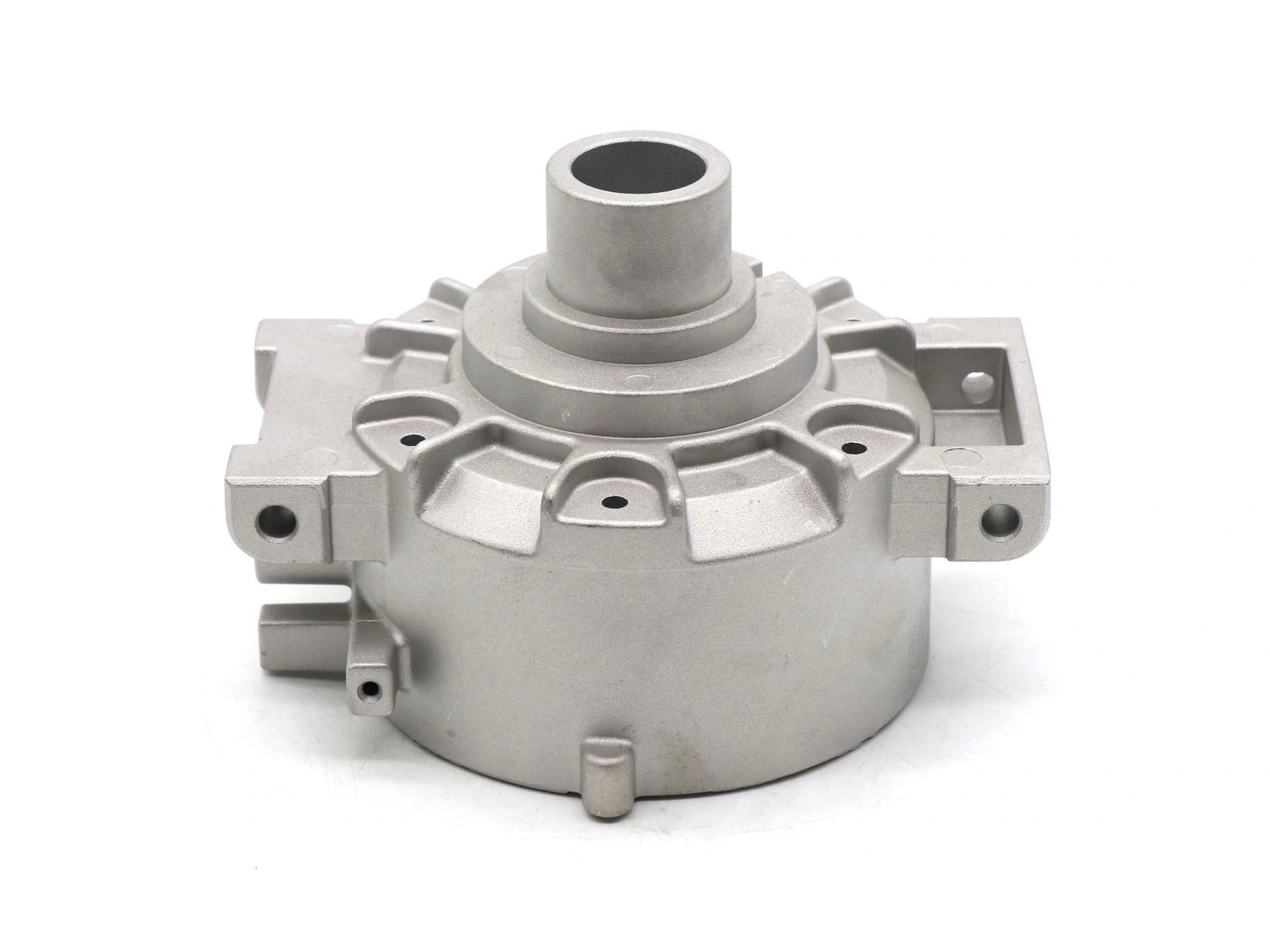
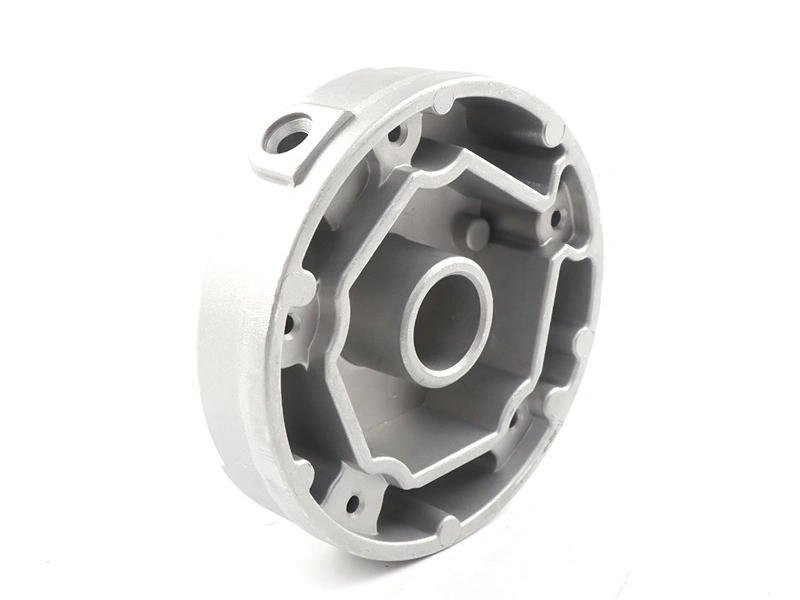
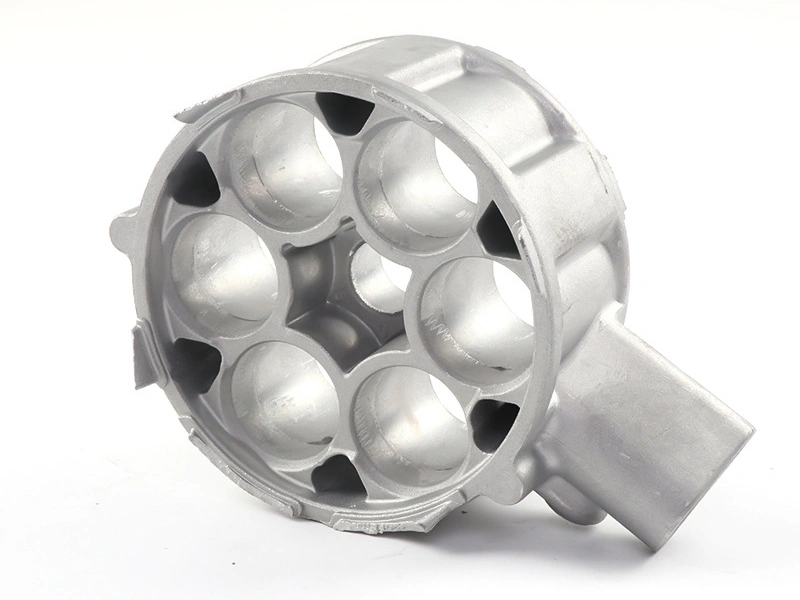
What Information Is Needed to Quote Aluminum Die Casting Alloys?
What Information Is Needed to Quote Aluminum Die Casting Alloys?
To quote aluminum die casting alloys correctly, buyers should provide the 3D model, 2D drawing, preferred alloy or open recommendation, allowed equivalents, application environment, quantity, annual volume, machined features, surface finish, pressure or leak requirements, inspection needs and target delivery. The supplier needs to understand why the alloy matters.
If the drawing specifies A380, A360, A413 or ADC12, the buyer should state whether equivalents are allowed. If the buyer wants the supplier to recommend the alloy, the RFQ should explain the part's function, environment and risk. This prevents suppliers from quoting different assumptions.
For alloy RFQs, buyers can review how to choose die-cast aluminum material and whether one die-cast aluminum material can meet strength, cost and finish needs.
Alloy RFQ Checklist
RFQ Item | What to Provide | Why It Matters |
|---|---|---|
Alloy target | A380, A360, A413, ADC12 or open | Sets material direction |
Equivalent rule | Allowed or not allowed | Prevents substitution disputes |
Environment | Indoor, outdoor, humid or fluid-related use | Controls corrosion review |
Critical features | Threads, bores, sealing faces and cosmetic areas | Controls machining and finish review |
Finish | Powder coating, painting, anodizing review or raw | Controls alloy suitability and sample approval |
Inspection | CMM, gauges, leak test or finish report | Defines release evidence |
Quote Comparison
Buyers should compare quotes by alloy, tooling, machining, finish and inspection scope. A quote for ADC12 raw castings is not the same as a quote for A360 machined and powder coated parts. The quote should state what is included and what is excluded.
The supplier should also explain why the recommended alloy fits the part. A useful recommendation names the property advantage and the risk that remains to be validated.
Sample Validation Request
The RFQ should ask what sample evidence will confirm the alloy choice. A pressure-sensitive part may need a machined sample and leak test. A cosmetic housing may need a finished coating sample. A threaded part may need thread gauges. A simple indoor cover may need dimensional and visual approval only. The sample plan should follow the alloy reason.
Buyers should also ask whether samples will use the exact alloy or an equivalent. If equivalent material is used for sampling, that should be approved in writing.
Records After Approval
After alloy approval, buyers should keep the material record, sample report, finish sample, machining report and inspection plan. These records help future orders repeat the approved route. They also help purchasing compare suppliers if the part is resourced later.
Neway RFQ Support
Neway RFQ Support
Neway can review aluminum die casting alloy RFQs with material selection, tooling, casting, CNC machining, finishing and inspection together. This helps buyers compare A380, A360, A413 and ADC12 in the context of finished-part production.
What the RFQ Should Avoid
The RFQ should avoid asking for "best aluminum die casting alloy" without explaining the part. Best for cost is different from best for corrosion, sealing, coating or thin-wall filling. The RFQ should also avoid hiding finish and machining requirements until after the first quote, because those requirements can change the recommended alloy.
If the buyer has a customer material standard, it should be included. If the buyer can accept an equivalent, the approval rule should be included. This keeps suppliers from quoting different assumptions.
Minimum RFQ Package
A minimum RFQ package should include 3D model, 2D drawing, target alloy or open recommendation, quantity, annual volume, finish, machined features, environment and inspection needs. If pressure or leak performance matters, the test condition should also be included.
For quote accuracy, the buyer should mark critical surfaces on the drawing. This helps the supplier recommend an alloy and process route based on actual risk.
Alloy Release After Quote
After quote and sample approval, the buyer should release the alloy decision with a written record. The record should name the approved alloy, equivalent rule, sample condition and inspection method. This keeps production aligned with the quotation.
Quote Scope Table
Quote Scope | Buyer Should Confirm |
|---|---|
Material | Exact alloy, standard and equivalent rule |
Tooling | Tool design, trial samples and correction method |
Machining | Threads, bores, faces and datum features included |
Finishing | Powder coating, painting, masking or anodizing review |
Inspection | CMM, gauges, finish report, leak test or visual standard |
Supplier Questions
Buyers should ask why the supplier recommends the alloy, what risk it solves, what risk remains, how samples will be checked and whether the quote includes finished parts or raw castings. If the supplier proposes a cheaper alternative, the buyer should ask what changes in performance, finish, machining or inspection.
These questions make alloy selection part of the quotation, not an afterthought. They also reduce requoting after DFM review.
Records After Production Release
After release, the approved alloy, equivalent rule, sample report and inspection plan should stay with future orders. This helps keep repeat batches consistent and gives quality teams a clear acceptance reference.
If the alloy changes later, the buyer should repeat the relevant sample checks before accepting production parts.
Material approval should remain traceable.
Always.