What Information Is Needed to Quote Aluminum Die Casting Materials?
What Information Is Needed to Quote Aluminum Die Casting Materials?
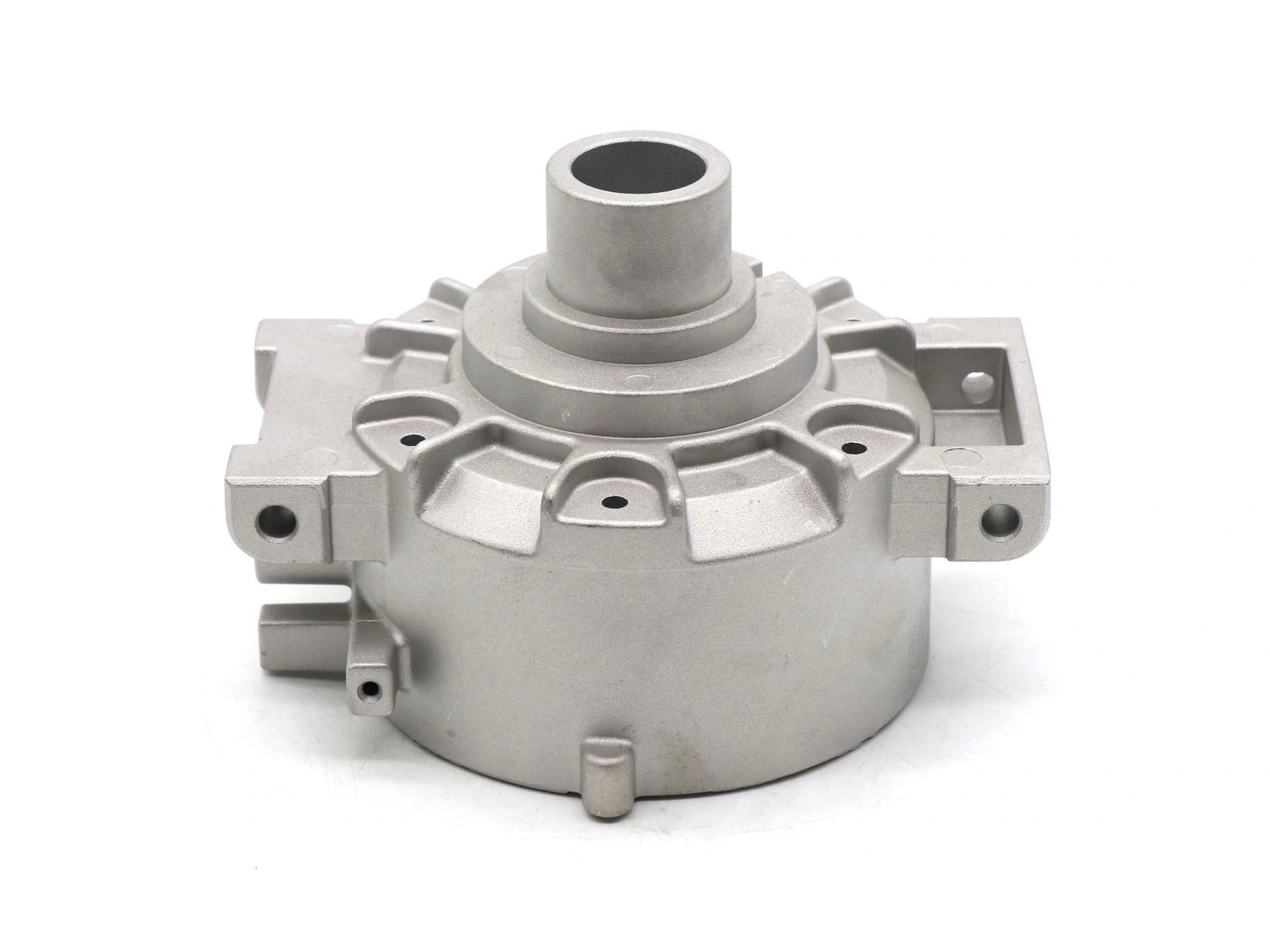
To quote aluminum die casting materials correctly, buyers should provide the 3D model, 2D drawing, preferred alloy, allowed equivalents, application environment, annual volume, batch size, critical dimensions, machined features, surface finish, pressure or leak requirements, inspection needs and target production stage. The supplier needs this information to recommend A380, A360, A413, ADC12 or another route with enough manufacturing evidence.
A material-focused RFQ should explain why the material matters. If the buyer only writes "aluminum die casting," the supplier may assume a common material and miss corrosion, pressure, finishing or machining risks. If the part is a sealed housing, outdoor enclosure or cosmetic cover, the RFQ should make that clear.
The buyer should also state whether equivalent materials are acceptable. Many projects can use an approved equivalent, but the approval should be written. If the drawing specifies A380 and the supplier quotes ADC12, the buyer should know whether that is acceptable before sampling or production.
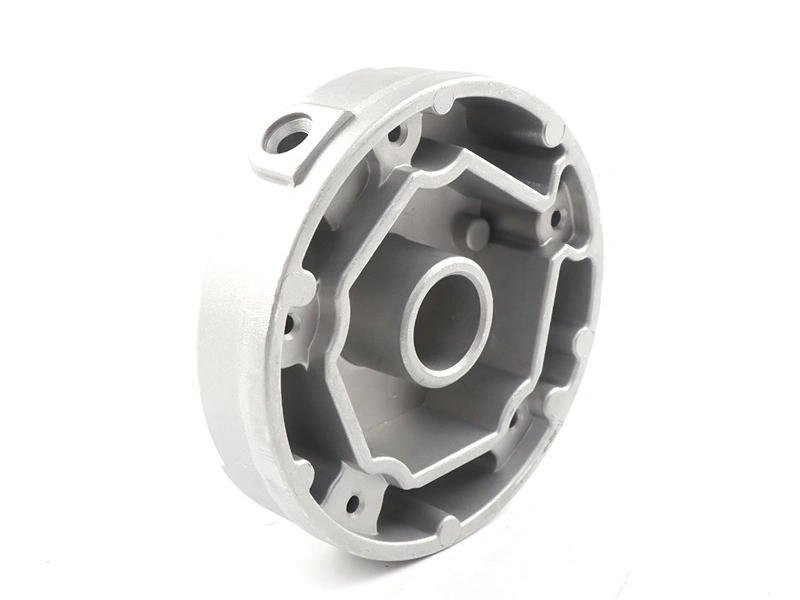
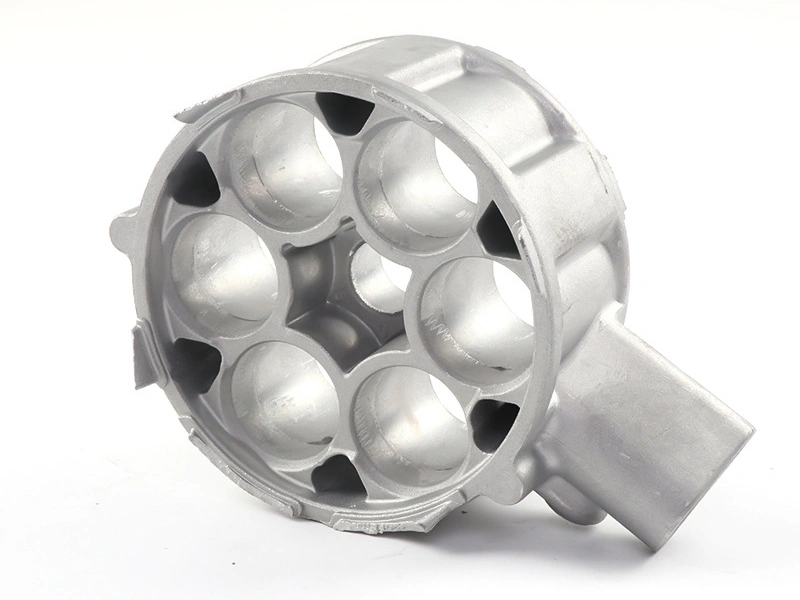
For material RFQs, buyers can review matching aluminum alloy die casting to product function and whether one die-cast aluminum material can meet strength, cost and finish needs.
Material RFQ Checklist
RFQ Item | What to Provide | Why It Affects Material Choice |
|---|---|---|
Preferred alloy | A380, A360, A413, ADC12 or buyer standard | Sets the starting material direction |
Allowed equivalents | Written approval or restriction | Prevents silent substitution disputes |
Application environment | Indoor, outdoor, humid, thermal or pressure exposure | Controls corrosion and pressure review |
Machined features | Threads, bores, sealing faces, datum pads | Shows where porosity and machining matter |
Surface finish | Painting, powder coating, anodizing or raw | Controls alloy and surface risk |
Inspection needs | CMM, gauges, leak test, finish report | Defines approval evidence |
Files and Drawing Notes
The 3D model helps the supplier review geometry, wall thickness, ribs, bosses and gate options. The 2D drawing should show tolerances, material callout, finish requirement, critical dimensions and inspection notes. If only a 3D model is provided, the supplier may not know which dimensions control function.
Material notes should be specific. A drawing can state A380, A360, ADC12 or an approved equivalent. If the buyer wants the supplier to recommend the material, the RFQ should say that and explain the application requirements. That gives the supplier permission to compare options instead of guessing.
Finish, Pressure and Machining Information
Finish, pressure and machining requirements often change the material recommendation. A painted indoor cover may accept a common alloy. A powder coated outdoor housing may need stronger corrosion review. A machined sealing face may need porosity control and leak testing. A decorative anodized requirement may challenge the use of many die casting alloys.
The RFQ should mark threads, bores, sealing faces, cosmetic surfaces and masking areas. These features tell the supplier where material behavior matters after casting. A quote that ignores these features may look cheaper but fail during sample approval.
Production Stage and Volume
Volume affects material and tooling decisions. A prototype may test material and finish direction. A pilot run may validate repeatability. A production program may require material certificates, controlled equivalents, inspection plans and stable batch records. The RFQ should state annual volume and first order quantity so the supplier can plan the right evidence level.
If the buyer expects future production, material approval should create a record that can be reused. The approved alloy, equivalent rule, finish sample and inspection method should be locked before repeat orders.
Questions to Ask the Supplier
Buyers should ask which alloy is being quoted, why it fits the part, whether equivalents are included, how material certification is handled, how the finish will be validated and what inspection is included. For pressure-related parts, they should ask how porosity risk will be controlled and tested.
Quote Comparison Warning
Two quotes may both say aluminum die casting but include different material assumptions. One supplier may quote A380 with raw casting only. Another may quote ADC12 with machining and powder coating. A third may include A360-style material, pressure testing and finish sample approval. Buyers should compare the material, included secondary operations and inspection evidence before comparing unit price.
A lower price can be valid when the part is simple and the finish requirement is modest. It becomes risky when corrosion, pressure, cosmetic or machining requirements are hidden. A clear material RFQ makes quote comparison more honest because each supplier is responding to the same finished-part scope.
Records to Keep After Material Approval
After the material is approved, buyers should keep the approved alloy note, equivalent material rule, sample report, finish sample, inspection checklist and any pressure test record. These documents help future purchasing and quality teams reorder the same part without changing the material basis by accident.
If the project uses customer-specified material standards, the RFQ should also state whether certificates must ship with each batch or only with first article samples.
Neway can review material-focused RFQs through aluminum die casting services, CNC machining, surface finishing and inspection. A clear RFQ helps buyers compare material options on finished-part performance, not just alloy names or unit price.