What Is A356 Aluminum Casting Used For?
What Is A356 Aluminum Casting Used For?
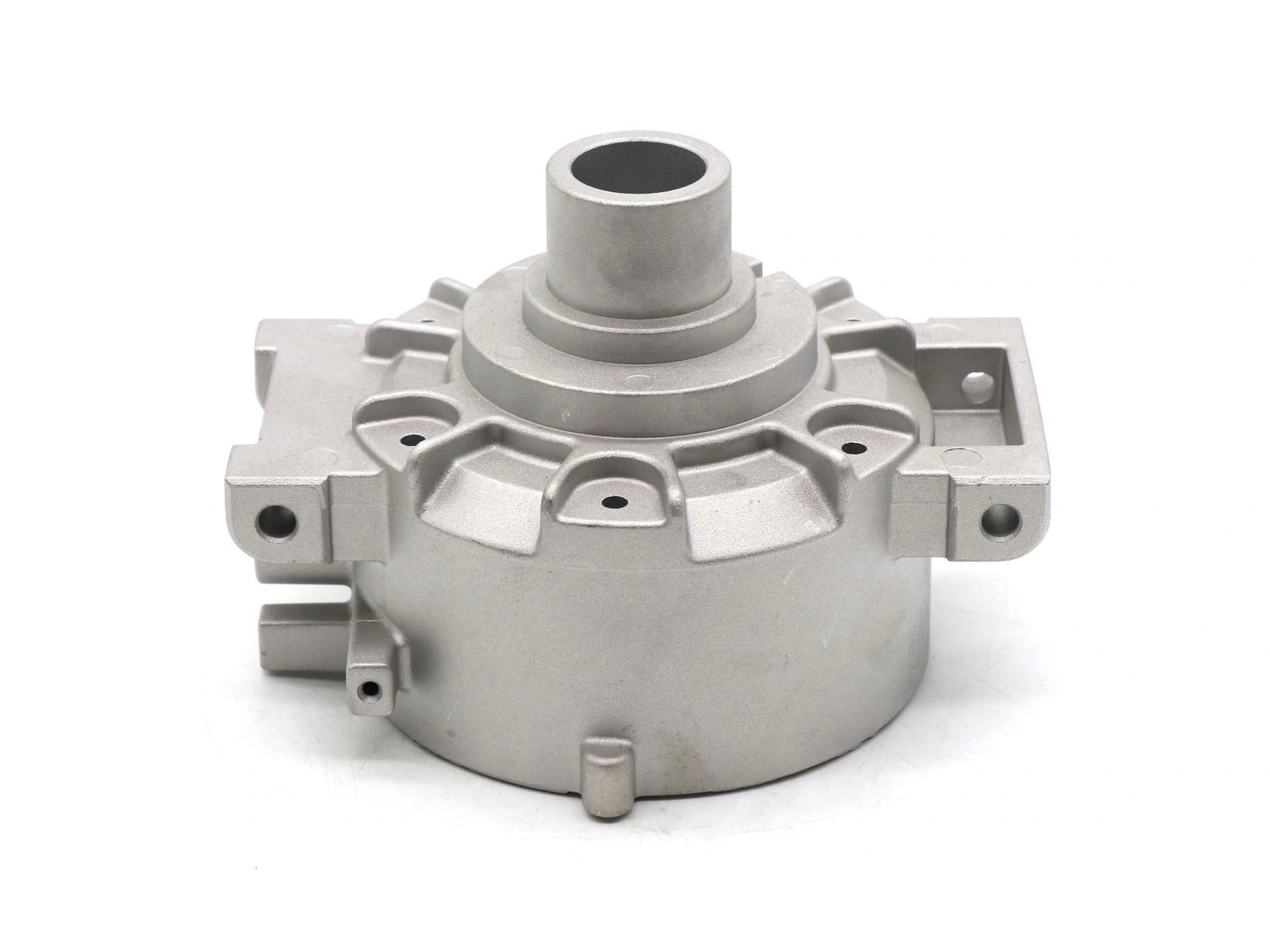
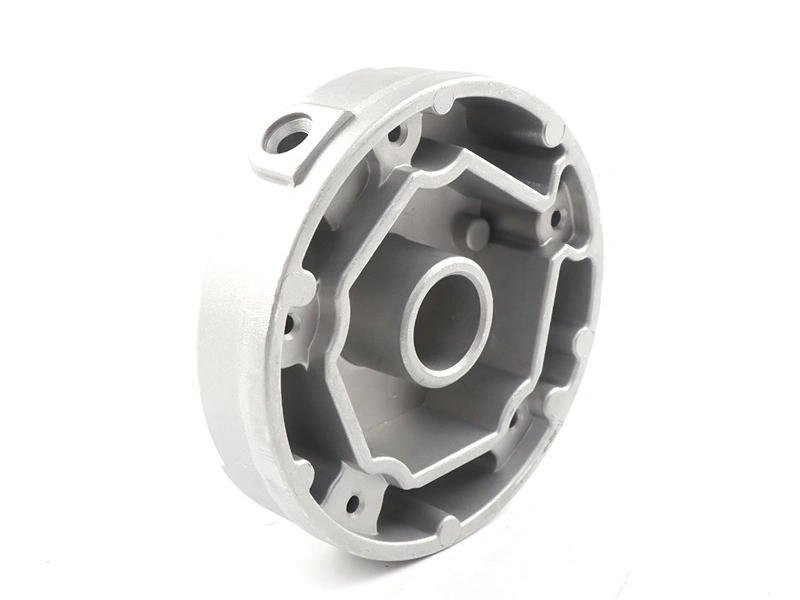
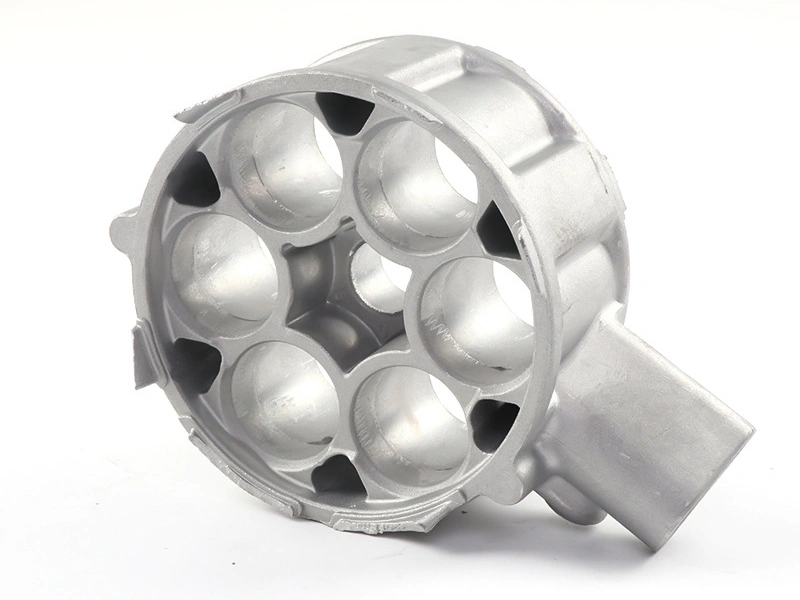
A356 aluminum casting is used for custom cast aluminum parts that need a combination of castability, structural performance direction, heat-treatment potential and machinability. Buyers often review A356 or A356-T6 for pump housings, brackets, arms, covers, frames, machinery components, structural housings and parts made by sand casting, gravity casting or permanent mold casting.
A356 is not usually selected for the same reason as common high pressure die casting alloys such as A380 or ADC12. A380 and ADC12 are practical for many thin-wall aluminum die cast production parts. A356 becomes more relevant when the buyer needs a casting route that can support heat treatment, thicker sections, structural performance or lower-to-medium volume custom casting.
The buyer should define the final part requirement before choosing A356. Does the part carry load? Does it need A356-T6 condition? Does it need machined sealing faces or bores? Does it work outdoors? Does it need coating? These details decide whether A356 is suitable and what process controls are required.
For A356 application review, buyers can compare A356 aluminum casting details and aluminum grade selection for casting custom parts.
Typical A356 Casting Applications
Application Type | Why A356 May Fit | Buyer Check |
|---|---|---|
Pump housings | Can support cast shape, machining and heat-treatment direction | Sealing faces, bores and pressure-related inspection |
Structural brackets | Useful when load path and ductility direction matter | Ribs, mounting holes and post-heat-treatment machining |
Machinery covers | Can form custom shapes with local machined features | Flatness, coating and assembly fit |
Frames and arms | May fit larger or lower-volume structural castings | Distortion, wall sections and inspection plan |
Prototype structural castings | Allows validation of cast form before final production route | What the prototype must prove |
A356 vs General Cast Aluminum
When drawings say only "cast aluminum", suppliers may quote different alloys and routes. One supplier may propose A380 die casting. Another may propose A356 sand casting. The prices, lead times and final properties are not directly comparable. Buyers should clarify whether they need a specific A356 material condition or whether they are open to a route recommendation.
If the part has structural requirements, the buyer should describe loads, mating parts, mounting conditions and environment. If the part is mostly a cosmetic or thin-wall housing, a die casting alloy may be more practical. The supplier should not force A356 into a part designed for HPDC unless there is a clear performance reason.
Buyers should also clarify whether A356-T6 is required. T6 condition adds heat-treatment planning and may change machining sequence. If the part only needs a cast aluminum shape, the added complexity may not be necessary. If the part carries load or has customer material requirements, the T6 condition and documentation may be important.
Validation for A356 Cast Parts
A356 casting validation should include the final condition. If A356-T6 is required, heat-treatment records and post-heat-treatment dimensions matter. If the part has machined features, the buyer should review machined bores, threads, sealing faces and datum relationships. If the part has coating, the finished sample should be approved with masking and packaging protection.
Buyers should also define which defects are unacceptable. A hidden non-critical surface can use a different visual standard from a machined sealing face or customer-facing surface. Inspection should focus on the features that affect function, not every rough surface of the casting.
For parts with pressure or fluid contact, validation may include leak testing or inspection around machined ports. For structural parts, validation may include assembly load checks or dimensional inspection of mounting points. The acceptance plan should match the reason A356 was selected.
Route Choice for A356 Applications
A356 may be used with sand casting, gravity casting or permanent mold casting depending on geometry and quantity. Sand casting can handle larger and lower-volume shapes but may need more machining allowance. Gravity casting can improve repeatability for selected parts. The buyer should ask which route is assumed before comparing quotes.
Route choice also changes surface expectation. A sand cast A356 part may need blasting, machining and coating before it looks like a finished production part. A gravity cast part may provide better repeatability for some shapes, but it still needs review of wall thickness, mold design and final machining. Buyers should ask for route-specific acceptance criteria.
When A356 Is Not the Best Fit
A356 may be a weak fit for thin-wall mass production housings, very cosmetic die cast covers, or parts where the buyer mainly needs low unit cost at high volume. In those cases, A380 or ADC12 HPDC may be better. The supplier should explain why A356 is selected instead of assuming it from the keyword.
Neway A356 Casting Review
Neway can review A356 aluminum casting requirements with casting route selection, machining, finishing and inspection planning. When a part is more suitable for aluminum die casting using A380 or ADC12, Neway can compare that route before the buyer commits to A356.
The useful output is a complete recommendation: A356 or A356-T6 condition, casting route, heat-treatment plan, machining sequence, finish requirement and inspection method. That gives buyers a usable sourcing path rather than a material name without manufacturing context.