What Manufacturing Capabilities Matter Most for Aluminum Die Cast Parts?
What Manufacturing Capabilities Matter Most for Aluminum Die Cast Parts?
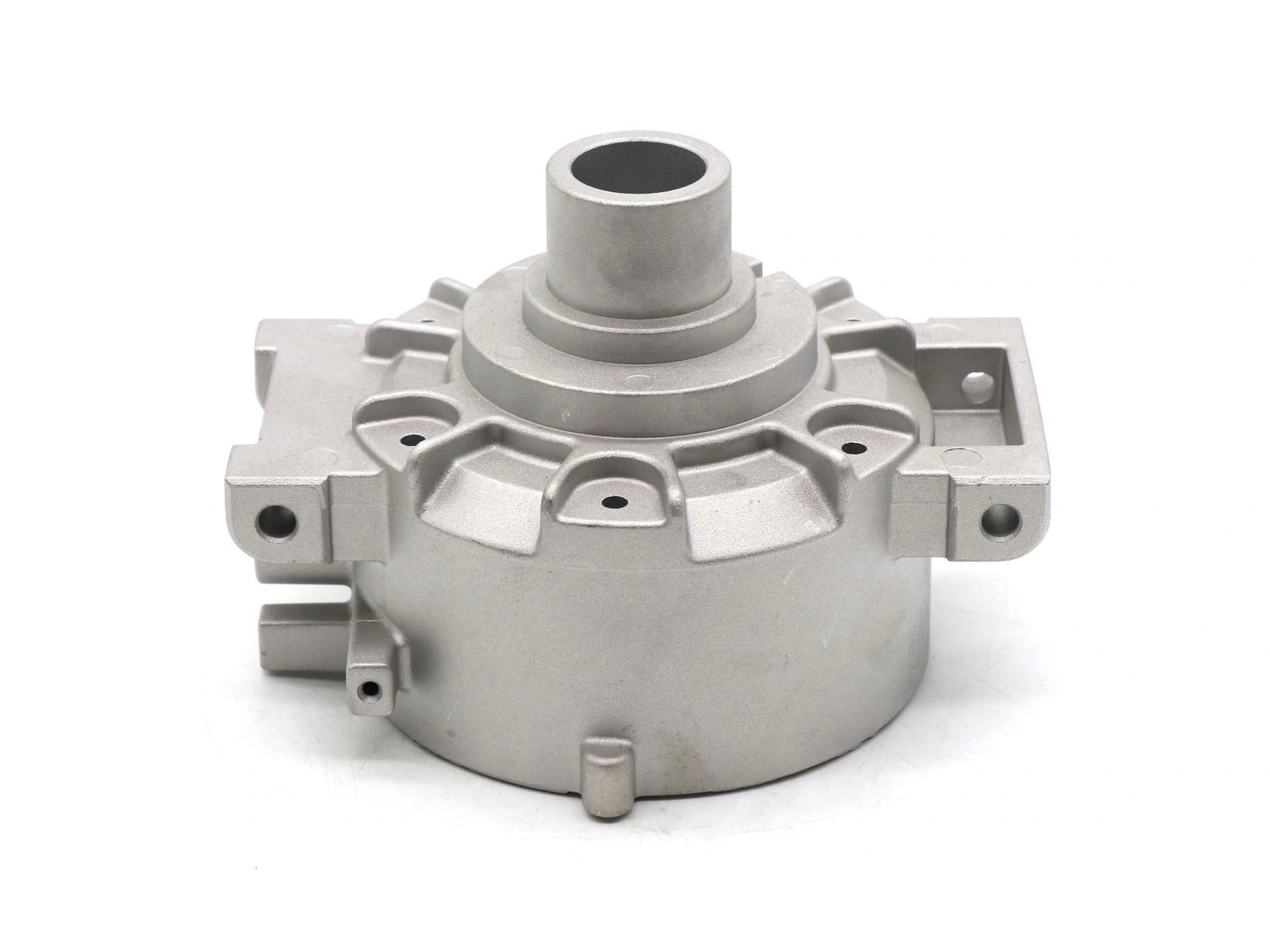
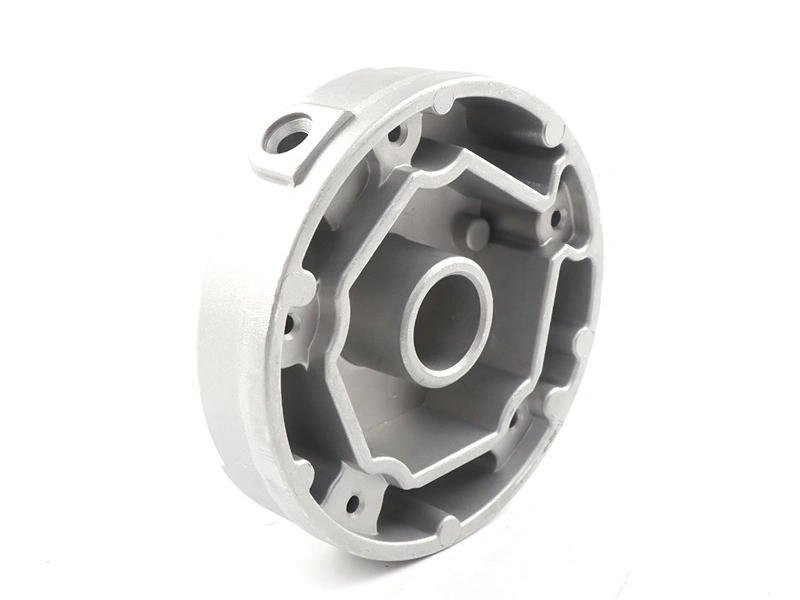
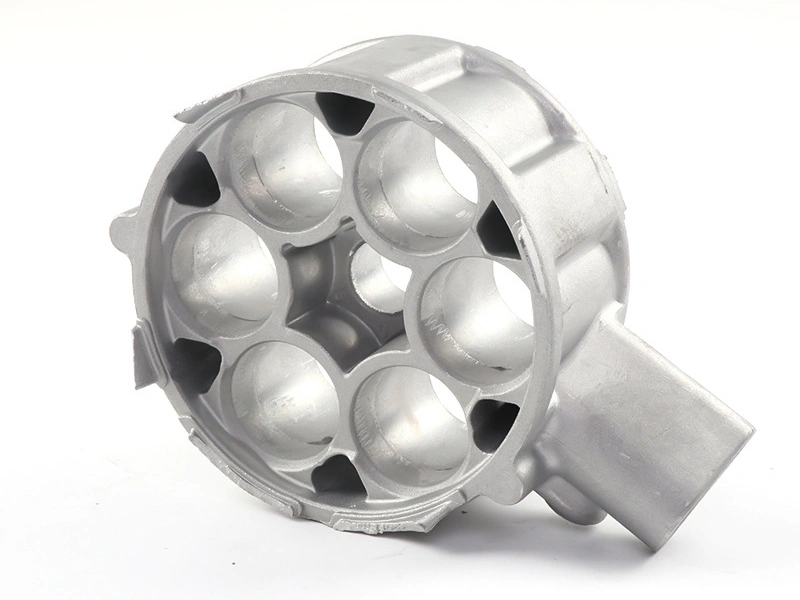
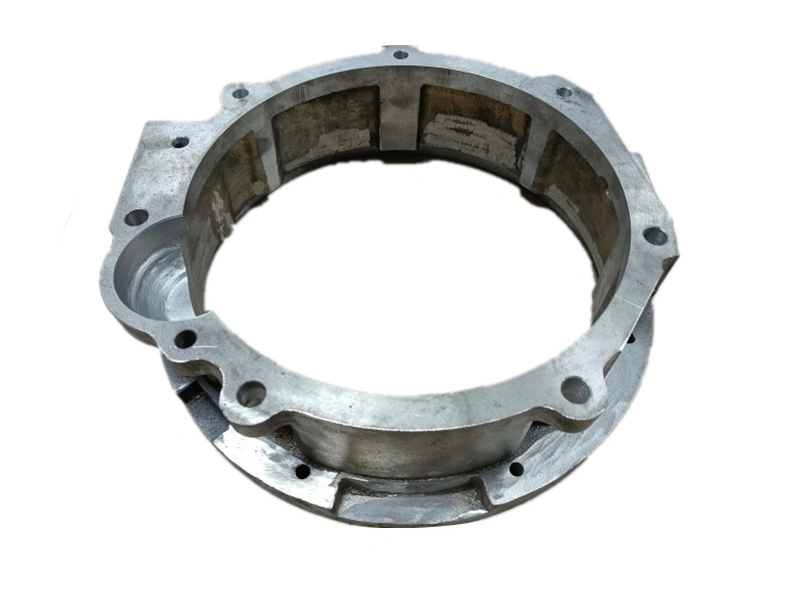
The most important manufacturing capabilities for aluminum die cast parts manufacturing include DFM review, tooling design and management, aluminum die casting production experience, defect control, CNC machining coordination, surface finishing management, inspection capability, batch production management and quality feedback response.
A reliable aluminum die casting manufacturer is not only a supplier that can produce castings. It should control the complete process from tool and die making, casting and CNC machining after aluminum die casting to surface finishing and batch inspection. This helps buyers reduce rework, delays and long-term quality variation.
1. DFM Review and Engineering Support
Manufacturing Capability | Why It Matters | Buyer Benefit |
|---|---|---|
DFM review | Checks wall thickness, ribs, bosses, draft, parting line and manufacturability before tooling | Reduces tooling modification and trial sample failure |
Design risk feedback | Finds potential shrinkage, porosity, filling and ejection risks early | Improves project reliability before mold making |
Material and process review | Connects aluminum alloy choice with tooling, casting, machining and finishing | Reduces wrong material or process decisions |
2. Tooling Design and Management Capability
Tooling capability is critical because the mold affects filling, cooling, dimensions, surface marks, burrs, porosity and batch consistency. Buyers should check whether the manufacturer can manage tooling design, trial correction and long-term tooling maintenance.
Tooling Capability | What It Controls | Risk Reduced |
|---|---|---|
Gate and runner planning | Controls metal flow, filling direction and gate removal areas | Flow marks, short filling and cosmetic defects |
Venting and cooling design | Controls trapped air, shrinkage, warpage and cycle stability | Porosity, deformation and unstable dimensions |
Ejector and parting line planning | Controls ejection marks, flash location and visible surface impact | Appearance disputes and secondary finishing work |
Tooling maintenance | Controls mold wear during repeated production | Dimensional drift, flash growth and delivery instability |
3. Casting, Machining and Finishing Coordination
A strong custom metal casting service should coordinate casting, machining and finishing as one workflow. If these steps are planned separately, buyers may face machining allowance problems, unstable assembly dimensions and surface finishing disputes.
Process Capability | Why Buyers Should Check It | Commercial Value |
|---|---|---|
CNC machining coordination | Confirms allowance, fixture datums, holes, threads and sealing faces before production | Improves assembly fit and reduces rework |
Surface finishing management | Controls polishing, coating, painting, cosmetic surfaces and masking areas | Reduces appearance rejection and finishing disputes |
Inspection capability | Checks dimensions, machined features, surface quality and batch consistency | Supports stable production approval |
4. Compare Manufacturing Capability Across Materials
Some projects may require comparison with other material routes. A manufacturer that also understands zinc die casting manufacturer requirements and copper die casting manufacturer requirements can help buyers compare lightweight structure, precision details, conductivity, surface finish and production cost.
5. Summary
Capability Buyers Should Check | Main Purpose |
|---|---|
DFM review | Reduce design and tooling risks before production |
Tooling design and management | Control mold quality, trial samples and long-term stability |
Aluminum die casting production experience | Control filling, shrinkage, porosity and dimensional consistency |
CNC machining and surface finishing coordination | Control finished dimensions, assembly features and appearance |
Inspection and batch production management | Support repeatable quality for production aluminum die casting |
In summary, buyers should evaluate an aluminum die casting manufacturer by its full manufacturing capability, not only its casting machine capacity. DFM review, tooling, casting, CNC machining, surface finishing, inspection and batch feedback all matter for stable long-term aluminum die cast parts manufacturing.