What Records Keep Casting Aluminum Alloy Choices Stable in Repeat Production?
What Records Keep Casting Aluminum Alloy Choices Stable in Repeat Production?
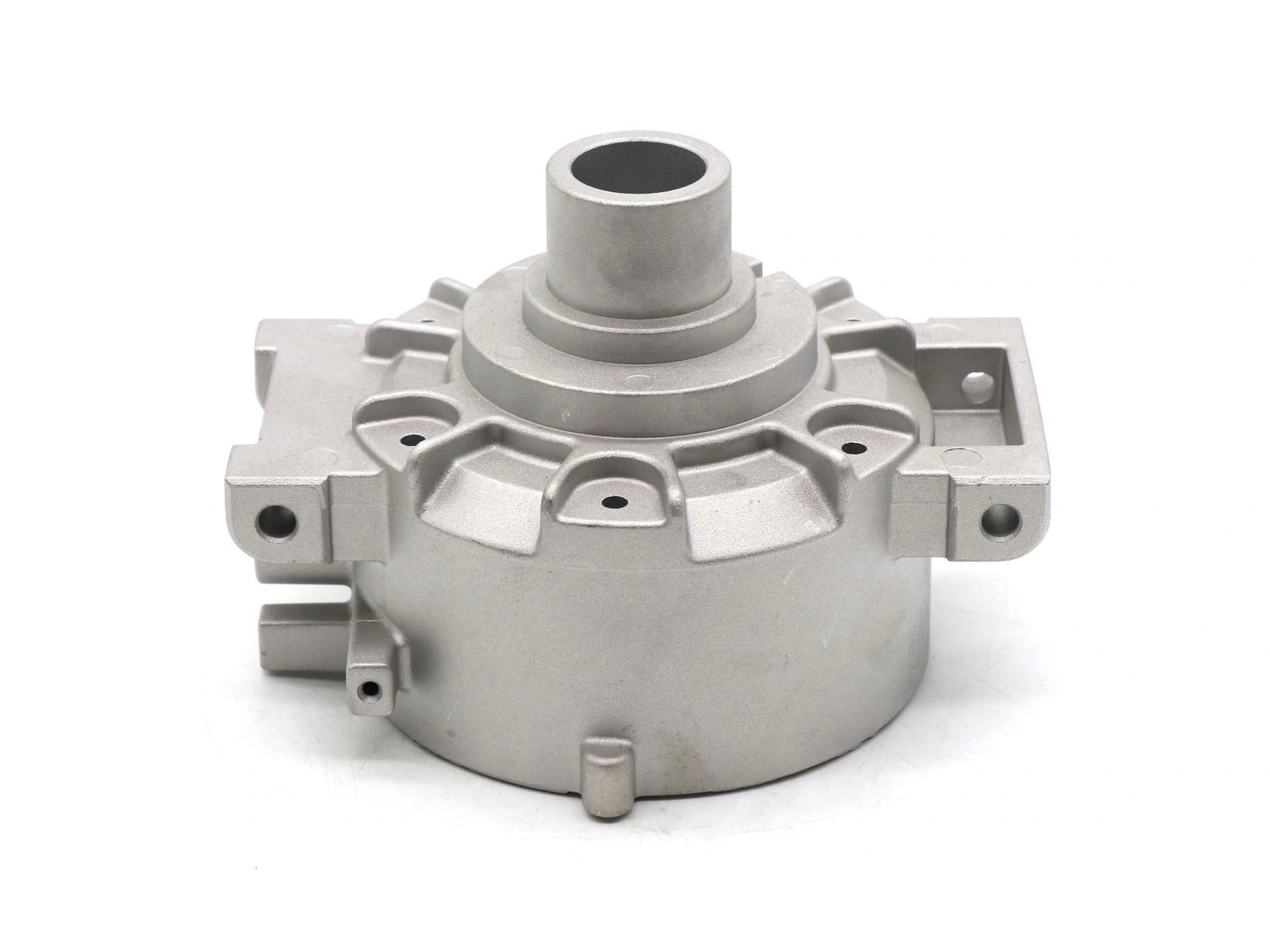
Records that keep casting aluminum alloy choices stable in repeat production include drawing revision, approved alloy, allowed equivalents, material certificates if required, tooling status, trial sample report, CNC machining report, finish sample, inspection checklist, test records, packaging standard and production release notes. These records prevent confusion when the same aluminum die cast part is ordered again months later.
Aluminum alloy choice affects casting, machining, finishing and inspection. If the material changes without control, the part may still look similar but behave differently during machining, coating, corrosion exposure or assembly. Repeat production depends on using the approved alloy direction and approved process route unless the buyer agrees to a change.
For repeat-order planning, buyers can review moving custom aluminum die cast parts from samples to repeat production.
Stable repeat production needs alloy standard, heat or batch record where required, allowed equivalents, tool revision and approved finish sample. A material change should trigger review of shrinkage, machining cleanup, coating response and functional tests. The purchase order should reference the same controlled record used for sample approval.
The purchasing record should name both the alloy and its governing system: ASTM B85 for common North American die casting grades, EN 1706 for European cast aluminum designations or JIS H 5302 for grades such as ADC12. Retain the supplier certificate or melt-lot record with the drawing revision and approved finish sample. If an equivalent is proposed, compare chemistry limits and application evidence in writing; matching a commercial name alone does not authorize substitution.
Material Records
The material record should state the approved alloy, such as A360, A380, ADC12, A413 or another accepted direction. If equivalent alloys are allowed, the record should define the conditions. A vague note such as aluminum alloy may create risk because purchasing, engineering and suppliers may interpret it differently.
Material certificates or batch records may be needed depending on the project. Not every commercial casting requires the same level of traceability, but the buyer should define the requirement early. If the part is used in a regulated or safety-related application, material traceability may be more important than in a simple decorative cover.
Tooling and Sample Records
Tooling records should show mold status, corrections, maintenance notes and approved trial condition. If the mold was changed to fix porosity, flash, ejection marks or dimensional drift, that correction should be recorded. The repeat order should use the approved tooling condition, not an earlier trial state.
Sample records should include dimensional reports, visual findings, machining cleanup, finish approval and any functional tests. A sample that passes shape inspection but fails coating or assembly is not a complete approval. The record should show what was approved and what still required correction.
Record Type | What It Controls | Repeat Production Value |
|---|---|---|
Drawing revision | Geometry, tolerance, material and finish notes | Prevents wrong-version production |
Approved alloy | Material direction and allowed equivalents | Keeps casting behavior consistent |
Tooling record | Mold corrections and status | Controls repeat casting condition |
CNC report | Machined features and datum control | Protects fit and function |
Finish sample | Appearance, coating and surface standard | Reduces visual disputes |
Inspection checklist | Critical features and inspection frequency | Supports batch release |
When Revalidation Is Needed
Revalidation may be needed when the alloy changes, drawing changes, tooling is repaired, machining fixture changes, finish process changes or test requirements change. These changes can affect strength, machining, surface quality, corrosion protection, fit or leakage. Buyers should define what level of revalidation is needed for each type of change.
Not every repeat order needs full revalidation. A normal repeat order can follow the approved records. But a change in alloy or finish may require new samples, updated inspection or buyer approval. The record should make that decision clear.
How Neway Maintains Alloy Traceability Across Reorders
Neway can support repeat production records through aluminum die casting, tooling records, CNC machining reports, surface finish samples, inspection data and packaging standards. This helps buyers keep alloy selection stable across repeat orders.
Why Records Matter for Purchasing Teams
Purchasing teams often reorder parts long after the engineering team approved the first samples. If records are weak, the new order may use a different alloy, drawing revision, finish sample or inspection checklist without anyone noticing. This can cause parts that look similar but do not perform the same in machining, coating or assembly.
A clear record lets purchasing place repeat orders with confidence. It also helps the supplier confirm that the same material and process route are being used. When a change is needed, the record shows what must be rechecked before the buyer accepts the new condition.
How to Use Records During Reorders
During a reorder, the buyer should confirm the active drawing revision, approved alloy, finish sample, inspection checklist and packaging requirement. The supplier should confirm that tooling condition, machining setup and finish route have not changed. If something has changed, the buyer and supplier should decide whether new samples or partial inspection are needed.
This process does not need to slow every order. It simply keeps the approved alloy choice connected to the approved production route. The result is fewer surprises after delivery and more stable quality communication.
It also protects future engineering reviews clearly.
For casting aluminum alloys, records are not extra paperwork. They are the memory of the manufacturing decision. They explain which alloy was approved, why it was chosen, how it was cast, which features were machined, which finish was accepted and how the part should be inspected. That is what keeps custom aluminum die cast parts consistent over time.