What surface treatments protect castings in outdoor environments?
Outdoor castings are commonly protected with a qualified system such as conversion pretreatment plus powder coating or liquid paint, anodizing for suitable aluminum castings, or plating and organic topcoats for appropriate zinc or copper-alloy parts. The best system depends on substrate, chloride or industrial exposure, ultraviolet light, wet time, temperature cycling, abrasion, galvanic contact, appearance and maintenance. No finish protects every casting in every climate.
Describe the outdoor environment precisely
"Outdoor" can mean a sheltered enclosure in a dry urban area, a coastal housing exposed to salt aerosol, roadside equipment receiving deicing salts, or a chemical-plant component exposed to pollutants. Record orientation, direct rain, condensation, standing water, drainage, ultraviolet exposure, temperature range, cleaning chemicals and mechanical damage. These conditions determine the likely corrosion mechanism and the evidence needed.
Mark exposure zones on the part. A visible top surface, hidden crevice, cut edge, machined sealing face, threaded hole and steel-fastener interface do not see the same risk. Water traps and galvanic couples should be designed out where possible. A thicker coating is not a reliable substitute for drainage or electrical isolation.
Match treatment families to substrate and duty
| Finish family | Where it may fit | Main project questions | Representative validation |
|---|---|---|---|
| Conversion pretreatment plus powder coating | Many aluminum or zinc components needing color and a barrier layer | Substrate preparation, alloy, edges, cure response, masking, color and repair method | Production-part appearance, adhesion, thickness and specified environmental exposure |
| Primer plus liquid topcoat | Systems needing particular color, film chemistry, repairability or complex coverage | Primer compatibility, ultraviolet resistance, solvents, cure and coverage in recesses | Adhesion, cure, appearance and exposure relevant to service |
| Anodizing | Suitable aluminum grades where an oxide finish supports appearance, wear or corrosion needs | Casting alloy response, silicon/copper content, porosity, cosmetic uniformity and sealed condition | Production-part thickness or appearance plus agreed corrosion or wear checks |
| Plating plus topcoat or sealer | Selected zinc or copper-alloy parts needing decorative or functional surface properties | Substrate quality, activation, coverage, galvanic behavior, rack marks and restricted substances | Thickness, adhesion, appearance and environmental test defined for the system |
| Conversion coating without decorative topcoat | Some aluminum applications needing a pretreatment or conductive surface | Handling, electrical contact, color expectations and exposure severity | Coating verification and service-relevant corrosion checks |
Powder coating and anodizing are process categories, not complete specifications. The order needs material, pretreatment, coating chemistry or class where required, thickness or appearance zones, masking, cure constraints and acceptance methods.
Account for casting-specific substrate risks
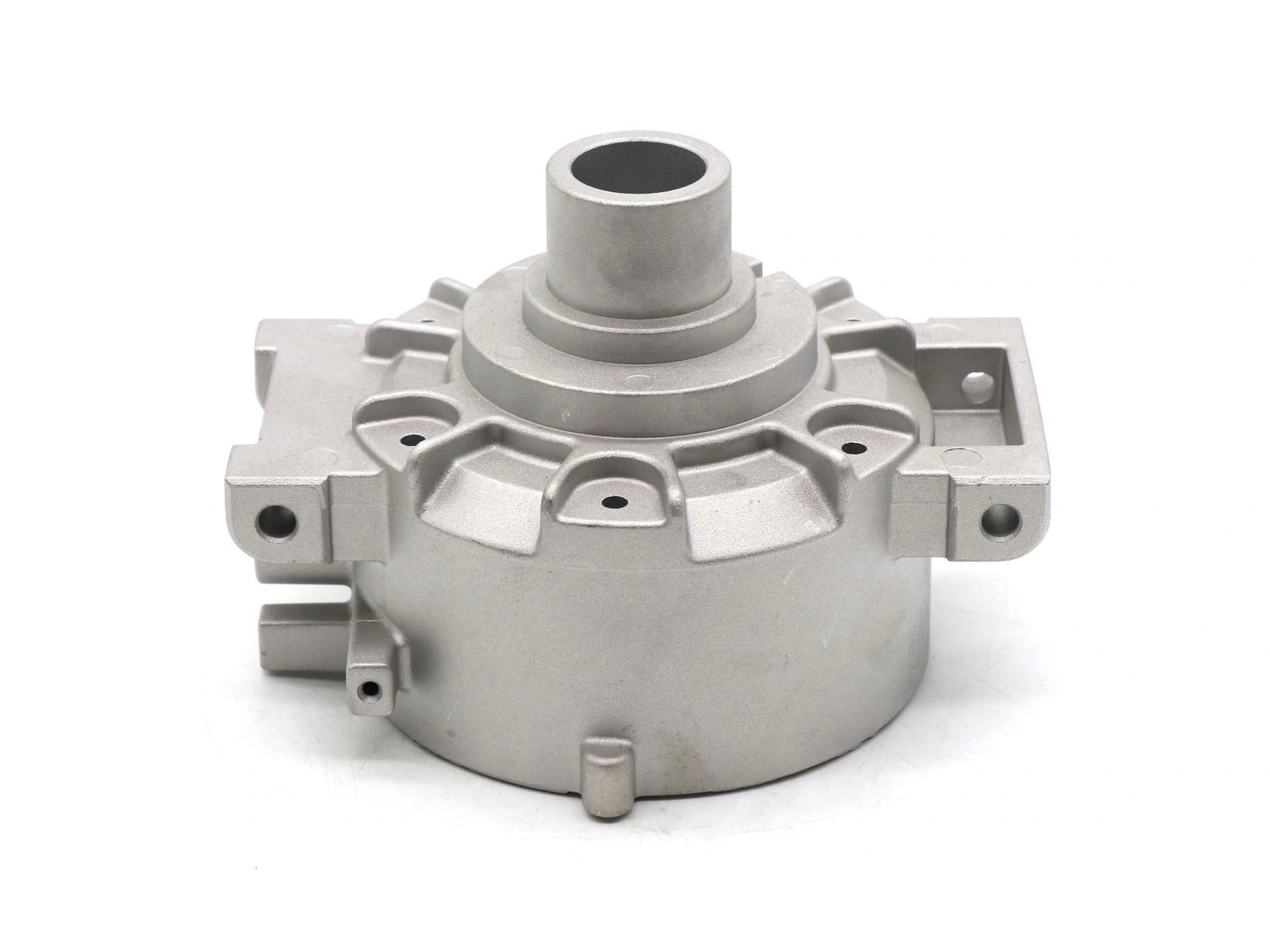
Flow marks, cold shuts, flash, ejector damage and exposed porosity can remain visible or become coating failure sites. Polishing or blasting changes surface texture but may uncover subsurface voids or round edges. Machining removes casting skin and can create a different substrate condition next to the as-cast surface. Define what defects are permitted before coating rather than asking the finish to conceal them.
Heating during powder or paint cure can expand trapped gas and create blisters. A coating trial should therefore use production-intent castings with the intended cleaning and cure route. A flat coupon can demonstrate coating-process performance yet miss geometry, local porosity, racking and drainage behavior.
Design edges, joints and masked areas for protection
Sharp edges can receive less film coverage than broad surfaces. Deep recesses and threads may be difficult to clean or coat consistently. Masked grounding pads and sealing faces interrupt the barrier and need drainage or seal design. Fasteners can damage the finish during assembly, and dissimilar metal contact can drive galvanic corrosion when electrolyte is present.
Specify rack or contact points outside controlled appearance and sealing zones. Define coating build at fits, holes and threads. If a gasket crosses coated and machined surfaces, validate compression and leak behavior after the final finish. Assembly instructions should protect the coating and define touch-up where field damage is expected.
Choose tests that support the service decision
Laboratory corrosion exposures, adhesion checks, coating thickness, ultraviolet weathering, humidity cycling, impact and abrasion can each answer part of the question. Test method, specimen, scribe condition, duration, evaluation interval and acceptance criteria must be specified. A test-hour number should not be converted directly into years of field life without a justified correlation.
Inspect production parts for coverage in recesses, edges, rack marks, blisters, color and damage. Where coating integrity controls corrosion, define sampling and reaction to failure. For high-consequence service, field or system-level validation may be needed in addition to accelerated laboratory exposure.
Include maintenance and repair
Outdoor protection is affected by installation and service. Define compatible cleaners, inspection interval, permitted touch-up, fastener replacement and handling. A coating damaged to bare metal in a salt-retaining crevice presents a different risk from a cosmetic scratch on a sheltered face. The finish selection should support realistic maintenance access.
The aluminum casting finish guide can help shortlist treatments, but final approval belongs to the complete substrate and coating system on representative geometry.
RFQ inputs
Exact casting alloy, surface condition and any machined or polished zones.
Exposure map covering rain, salt, chemicals, ultraviolet light, wet time, temperature and abrasion.
Cosmetic, sealing, electrical contact, rack, masking and no-coat areas.
Mating metals, fasteners, gaskets, assembly tools and drainage orientation.
Coating specification, appearance reference, repair rule, tests and acceptance criteria.
Production sampling, packaging and maintenance expectations.
The right treatment is the qualified combination of alloy, casting quality, preparation, finish, geometry and maintenance for the stated exposure. Confirm it on production-intent parts with tests that relate deliberately to the product's outdoor failure modes.