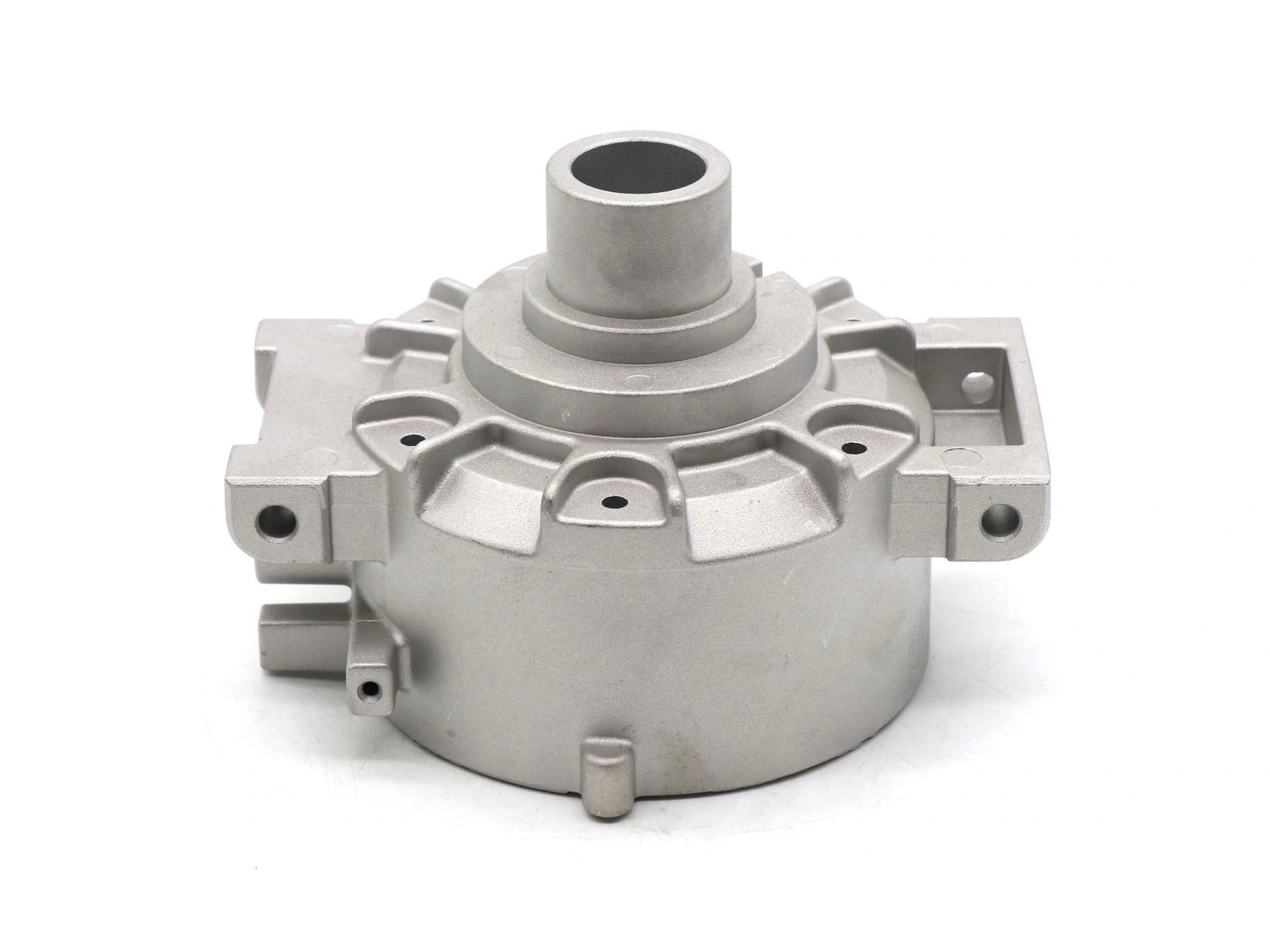
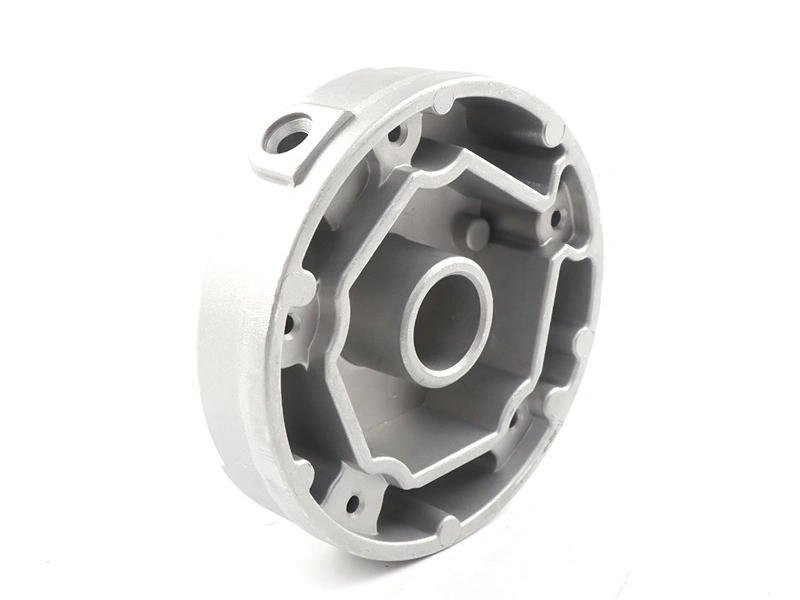
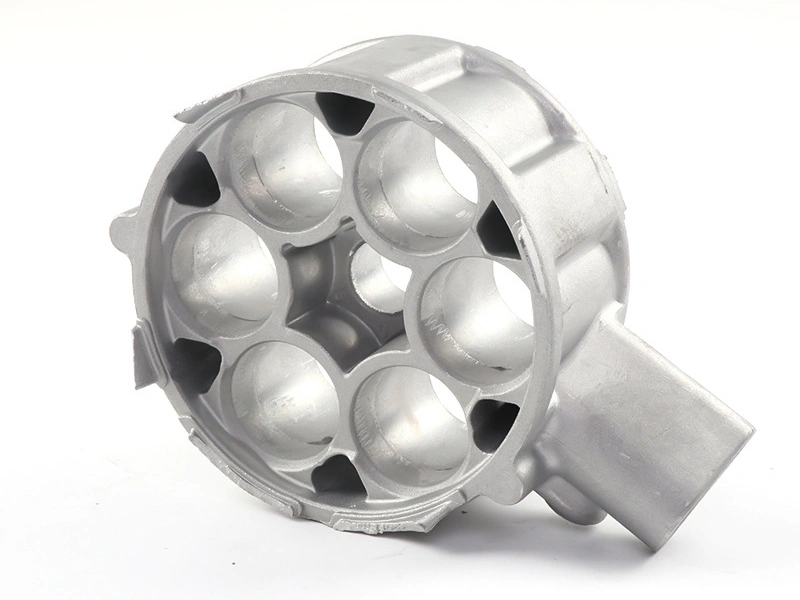
When Does A360 Corrosion Resistance Justify It Over A380 or ADC12?
When Does A360 Corrosion Resistance Justify It Over A380 or ADC12?
A360 corrosion resistance justifies moving away from A380 or ADC12 when the part has documented outdoor exposure, condensate, cleaning chemicals or pressure-boundary risk and the alloy change reduces a testable failure. A general indoor bracket rarely needs that premium direction. The buyer should connect A360 to a corrosion, leak or finish-adhesion acceptance test instead of selecting it from a property table alone.
The right choice depends on the part. A pump cover, outdoor housing, corrosion-sensitive enclosure and general indoor bracket may not need the same alloy. Buyers should compare the application, environment, design geometry, finish route, CNC machining scope and inspection requirements before locking the drawing. The alloy choice should reduce risk, not simply copy a past material note.
For a broader alloy framework, aluminum alloys helps buyers review available material directions across Neway's die casting service scope.
Typical reference data places A360 near 2.63 g/cm3 density, 300-320 MPa ultimate tensile strength and 110-115 W/mK thermal conductivity. A380 is commonly around 315-330 MPa tensile strength with a lower thermal-conductivity direction near 90-100 W/mK. Actual supplier standards and casting condition control acceptance.
The purchase document should identify ASTM B85, JIS H 5302 or another controlling standard because A360, A380 and ADC12 are not interchangeable labels. If a supplier proposes an equivalent, buyers should review chemistry, corrosion, machining and finish evidence before approving the substitution.
Corrosion-Driven Alloy Decision Table
Alloy | Why Buyers Review It | Key Decision Point |
|---|---|---|
A360 | Corrosion resistance direction, pressure-tight direction and finished aluminum parts | Use when the advantage supports the application |
A380 | Common general-purpose aluminum die casting alloy direction | Use when commercial balance and availability matter |
ADC12 | Common alloy direction in many die casting supply chains | Use when standards, supply route and part requirement match |
A413 | Reviewed for fluidity or pressure-tight direction in suitable cases | Confirm availability, machining and functional needs |
Do Not Compare by One Property Only
Buyers sometimes compare alloys by one property and make the decision too early. That can create problems. A material that looks better for corrosion may not be the best option if the application is indoor and cost-sensitive. A common alloy may look cheaper, but it may not be suitable if the part has leakage risk or environmental exposure. A material that works well in one supplier's process may not be the same commercial choice in another supply chain.
The practical comparison should include castability, porosity risk, machining behavior, finish compatibility, supplier experience, test requirements and repeat order control. A die cast aluminum part is not only a material sample. It is a finished component that may require tooling, CNC machining, coating, inspection and packaging.
When A360 Is Worth Reviewing
A360 is worth reviewing when the buyer has a defined reason: corrosion-sensitive use, moisture exposure, outdoor environment, pressure-tight direction, machined sealing faces or a finished aluminum part that needs stable protection. If those requirements are real, the material discussion should include tooling design, venting, machining allowance, surface finishing and inspection.
If the project includes a sealing face, the supplier should review wall transitions and porosity risk. If the project includes coating, the supplier should review masking and coating thickness. If the project includes threaded holes, the supplier should review tapping, gauge checks and post-finish fit. Material selection and process planning should move together.
How A380 and ADC12 May Still Be Better
A380 or ADC12 may still be better when the part is a general aluminum casting with no special corrosion or pressure-tight requirement. These alloy directions may be more familiar, more available or more economical in certain production contexts. If the buyer's real need is a stable indoor housing or bracket, specifying A360 may not improve the product enough to justify the change.
Buyers should ask the supplier to explain tradeoffs, not only quote the requested alloy. A good supplier may recommend A360, A380 or ADC12 depending on geometry, finish and quantity. The buyer should expect a manufacturing explanation that connects the alloy to the part's use.
Approval Method for Alloy Choice
Before final approval, the chosen alloy should be validated through trial samples and production-intent operations. If the part will be machined, machine the critical faces and holes. If the part will be coated, finish real castings. If the part needs leak testing, test samples that represent the final process. A datasheet cannot prove the production route alone.
RFQ Language for Alloy Comparison
When buyers are not certain which alloy is best, the RFQ should say that A360, A380 and ADC12 are under review. The buyer should describe the application, environment, finish requirement, pressure or sealing requirement, annual quantity and critical features. This lets the supplier explain whether A360 is necessary or whether another alloy direction is commercially better.
The RFQ should also ask for the supplier's reasoning. A useful quote might say that A360 is recommended because of outdoor exposure and sealing risk, or that A380 is recommended because the part is an indoor cover with no special corrosion requirement. This explanation is more useful than a quote that simply repeats the material requested by the buyer.
For tooling-stage material decisions, alloy choice and aluminum die casting tooling risk helps buyers see why material selection should happen before tooling release. The final alloy decision should be recorded in the drawing, RFQ, sample report and repeat production file.