When Should Buyers Choose A360 for Corrosion or Pressure-Sensitive Parts?
When Should Buyers Choose A360 for Corrosion or Pressure-Sensitive Parts?
Buyers should choose or at least review A360 when an aluminum die cast part will face outdoor exposure, humidity, corrosion risk, sealing requirements, pressure-related conditions or fluid-adjacent use. A360 can provide a stronger material direction for these applications than a standard general-purpose choice, but the final decision still requires tooling, machining, finish and inspection evidence.
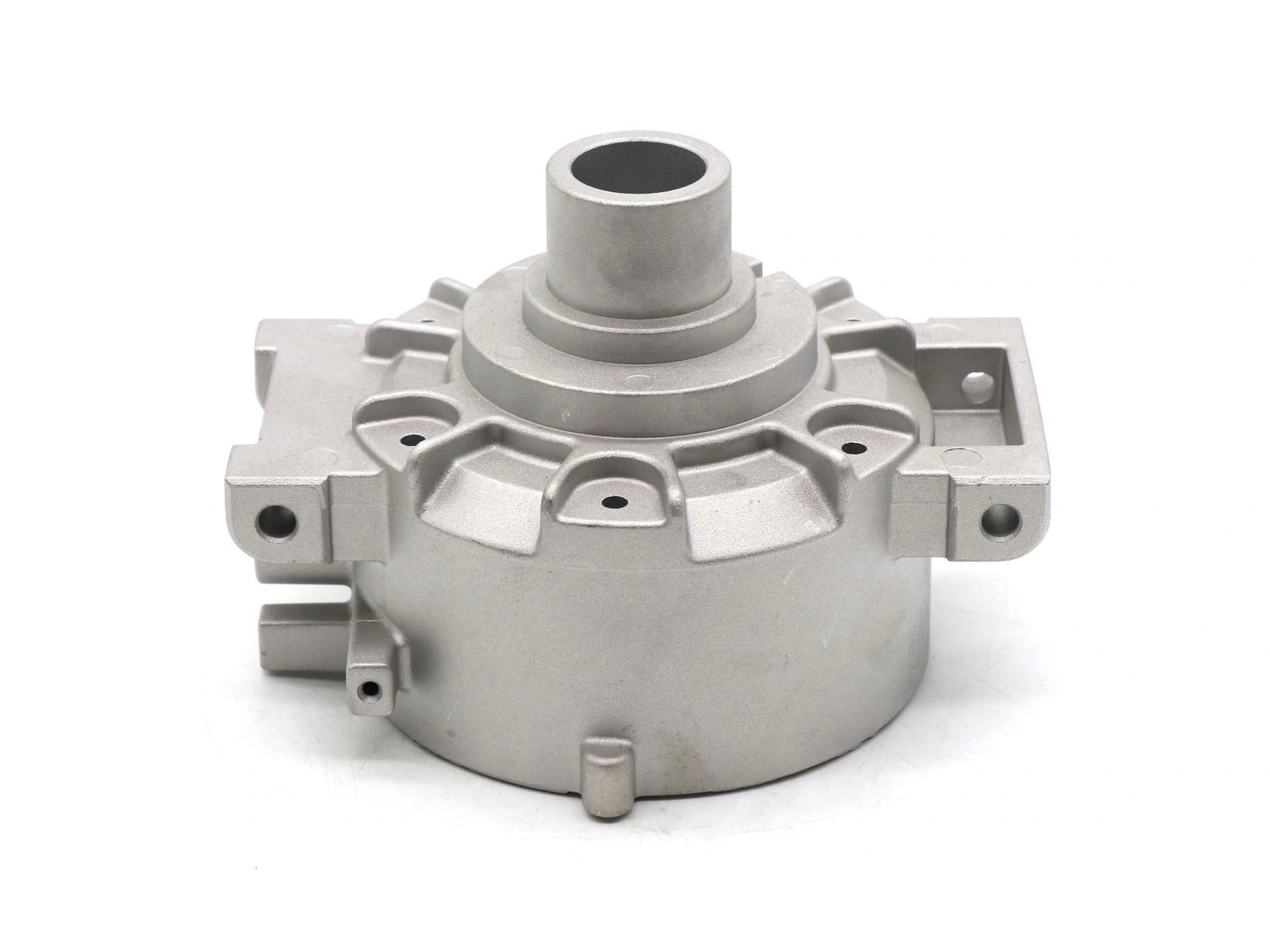
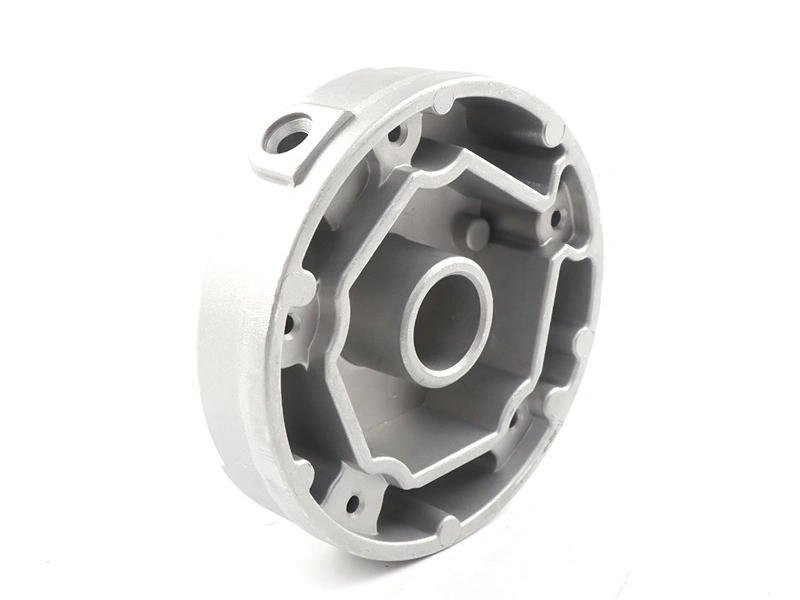
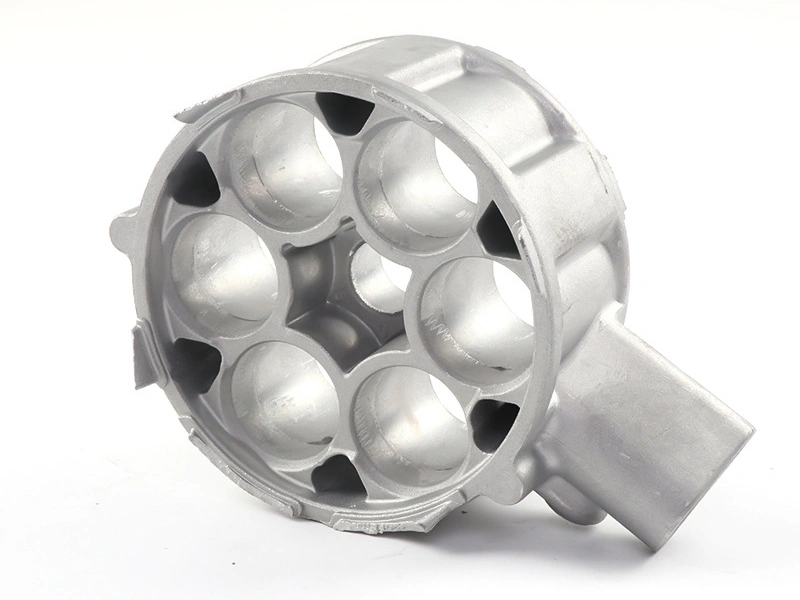
A360 may be suitable for outdoor enclosures, lighting housings, pump covers, sealed electronic covers, motor housings or components with machined sealing faces. It may be unnecessary for simple indoor brackets or covers where A380 provides enough performance and lower cost. Buyers should define why A360 is needed before requesting it.
For pressure-sensitive parts, A360 alone is not a leak guarantee. The buyer must define leak test requirements and critical features. The supplier must control porosity, machining and inspection.
For corrosion and pressure-related choices, buyers can review A360 aluminum die casting material and surface coatings for coastal corrosion protection.
A360 Application Table
Application | Why A360 May Help | Evidence Needed |
|---|---|---|
Outdoor housing | Corrosion direction matters | Coating sample and environment notes |
Sealed cover | Gasket face and moisture control matter | Machined face inspection and sealing review |
Pump component | Pressure and fluid exposure may matter | Leak test and pore control |
Lighting body | Outdoor exposure and finish durability matter | Finish approval and material record |
Indoor bracket | A360 may not be necessary | Compare A380 cost and performance |
Corrosion Review
Corrosion review should include the operating environment, coating, surface preparation and exposed edges. If the part is outdoors, near moisture or exposed to cleaning chemicals, the buyer should state that in the RFQ. The supplier can then evaluate whether A360, coating and sealing details are suitable.
Coating is still important. A360 may improve material direction, but poor pretreatment or damaged coating can still lead to surface problems.
Pressure and Leak Review
Pressure and leak review should identify sealing faces, threaded ports, wall sections and test conditions. The RFQ should state test pressure, medium, duration and acceptance level when leak performance matters. Machining should be planned so sealing faces have enough stock and do not expose unacceptable pores.
Neway can review A360 pressure-sensitive projects with die casting, CNC machining and inspection planning. The goal is to validate the finished part, not just the alloy label.
When A360 Is Not Enough
A360 is not enough when the part design, tooling or machining plan creates uncontrolled porosity near sealing areas. It is also not enough when coating is poorly specified or when the buyer does not define the environment. A material can support the direction, but the finished part still needs process control.
For pressure-sensitive parts, the buyer should review wall thickness, gate location, venting, machining stock and leak test method. For corrosion-sensitive parts, the buyer should review coating, exposed edges, fastener contact and packaging. A360 should be one part of the risk plan, not the whole plan.
Approval Before Production
Before production, buyers should approve material record, finished samples, machined surfaces, coating, leak test if required and inspection plan. If any of these items are missing, the A360 selection has not yet been fully validated.
Field Use and Repeat Orders
If A360 parts are used in the field, repeat orders should follow the same material and finish route. A later change to alloy, coating thickness, machining method or leak test standard can change performance. Buyers should keep the approved sample and release record for future orders.
For long-term programs, the supplier should state how material traceability, tool condition and inspection frequency are controlled. This helps the buyer maintain the advantage that justified A360 in the first place.
Case-Style Example
A buyer needed a sealed outdoor control cover with four screws, a gasket groove and black coating. A380 could make the shape, but the buyer wanted stronger corrosion confidence and sealing review. A360 was evaluated with machining on the gasket face, coating sample approval and a leak-related inspection step. The project used A360 because the finished-part evidence matched the application risk.
If the same part had been an indoor decorative cover with no gasket and no moisture exposure, A380 may have been a more practical choice. This example shows why A360 should be selected by application, not by name alone.
Buyer Release Checklist
For corrosion or pressure-sensitive A360 parts, buyers should release production only after confirming material, coating, machined surfaces, leak or sealing evidence, inspection method and packaging. If the supplier changes any of these items later, the change should be approved before shipment.
The release checklist should also define rejection limits. For corrosion-focused parts, unacceptable conditions may include coating damage on visible faces, unprotected edges or material substitution. For pressure-sensitive parts, unacceptable conditions may include exposed pores on a sealing face, failed leak test, insufficient thread engagement or unapproved impregnation. These limits make A360 approval enforceable in production.
Those limits should be visible on the drawing, inspection checklist or sample approval record.
Keep them traceable.