When Should Buyers Move Aluminum Casting Parts From Prototype to Tooling?
When Should Buyers Move Aluminum Casting Parts From Prototype to Tooling?
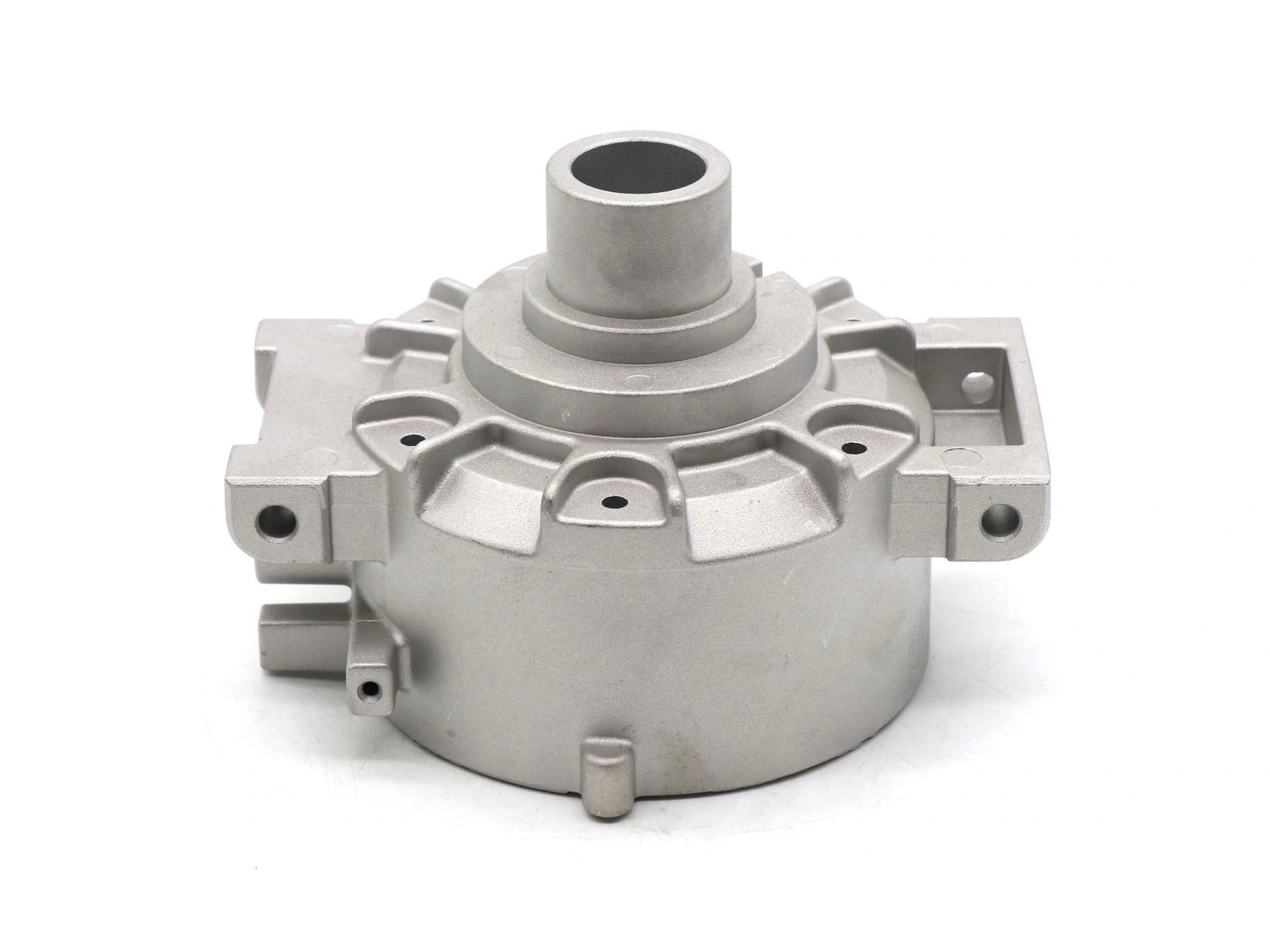
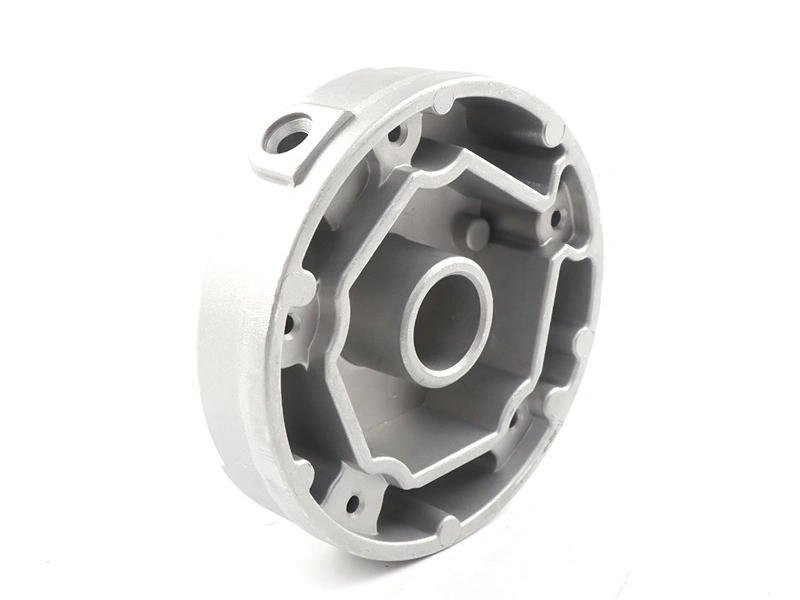
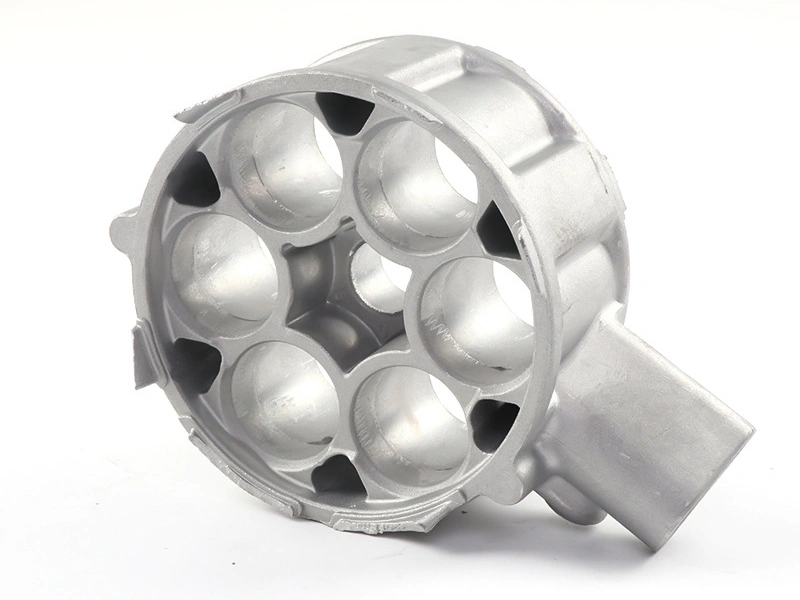
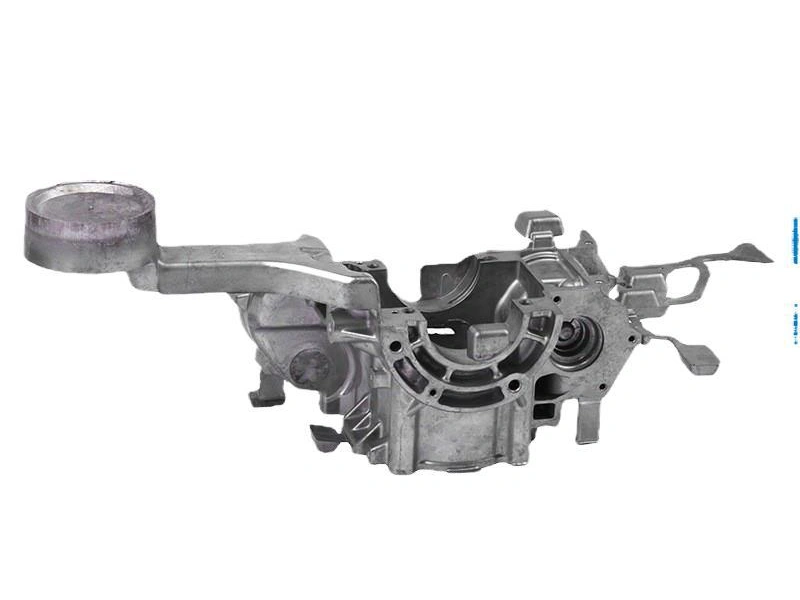
Buyers should move aluminum casting parts tooling forward when the design is mostly frozen, assembly has been validated, material direction is confirmed, annual demand is stable, critical dimensions are clear, CNC machining areas are defined, surface finishing standards are approved and prototype or sample validation has been completed.
If aluminum casting parts are still changing frequently, starting production tooling too early can increase mold modification, sample failure and schedule risk. Buyers should move from prototype to tooling only after structure, material, assembly, CNC machining after die casting and surface treatment requirements are reasonably stable.
1. Confirm the Design Is Ready for Tooling
Readiness Check | What Buyers Should Confirm | Risk if Ignored |
|---|---|---|
Design freeze | The main geometry, wall thickness, ribs, bosses and mounting features are no longer changing frequently | Tooling modification and repeated trial samples |
Assembly validation | The part fits with mating components, fasteners, covers or housings | Assembly interference after mold making |
Material direction | The aluminum casting material direction is suitable for strength, weight, surface finish and cost | Wrong process route or sample failure |
Annual demand | The expected quantity supports tooling investment and stable production planning | Tooling cost cannot be justified |
2. Confirm Critical Dimensions and Machining Areas
Before moving to tool and die making, buyers should identify which dimensions affect assembly, sealing, fastening, location and function. These areas may need machining allowance and special inspection planning.
Tooling Input | Why It Matters | Buyer Benefit |
|---|---|---|
Critical dimensions | Shows which features must be tightly controlled after casting or machining | Improves inspection and assembly reliability |
CNC machining areas | Helps the tooling team reserve machining allowance for holes, threads, faces and datums | Reduces rejected machined surfaces |
Datum surfaces | Supports stable fixture positioning and dimensional inspection | Reduces batch variation |
Surface finishing standard | Helps plan cosmetic surfaces, coating areas, masking and inspection | Reduces finishing disputes |
3. Use Prototype Validation Before Tooling Investment
Prototype or sample validation helps buyers confirm product function before committing to production tooling. The prototype stage should verify structure, fit, material direction, machining needs and finishing expectations.
Validation Item | What It Confirms | Why It Matters Before Tooling |
|---|---|---|
Prototype fit | Assembly clearance, fastener fit and mating part relationship | Reduces mold changes caused by assembly problems |
Functional surfaces | Sealing faces, mounting areas, contact surfaces and datum references | Clarifies CNC machining and tolerance needs |
Surface finishing expectation | Color, texture, coating, painting, polishing or cosmetic requirements | Reduces appearance disputes after trial samples |
Production readiness | Whether the project is ready to move into stable orders | Helps justify tooling investment |
4. Compare Related Material and Process Routes
Before tooling starts, buyers may also compare aluminum with zinc die casting production parts for small precision parts or copper alloy die casting project requirements for conductive or thermal functions. A custom metal casting production review can help confirm the best process route.
5. Summary
Move From Prototype to Tooling When | Main Purpose |
|---|---|
Design is mostly frozen | Reduce mold modification and repeated trial samples |
Assembly and material direction are validated | Confirm product function before tooling investment |
Critical dimensions and CNC areas are clear | Plan machining allowance and inspection early |
Surface finishing standards are confirmed | Reduce cosmetic and coating disputes after sampling |
Demand is stable enough for production | Justify tooling cost and repeat order planning |
In summary, buyers should move aluminum casting parts from prototype to tooling when design, assembly, material, critical dimensions, machining areas, finishing standards and production demand are stable enough. Starting tooling too early can increase modification cost and production risk.