When Should Buyers Use One Supplier for Aluminum Die Casting Services?
When Should Buyers Use One Supplier for Aluminum Die Casting Services?
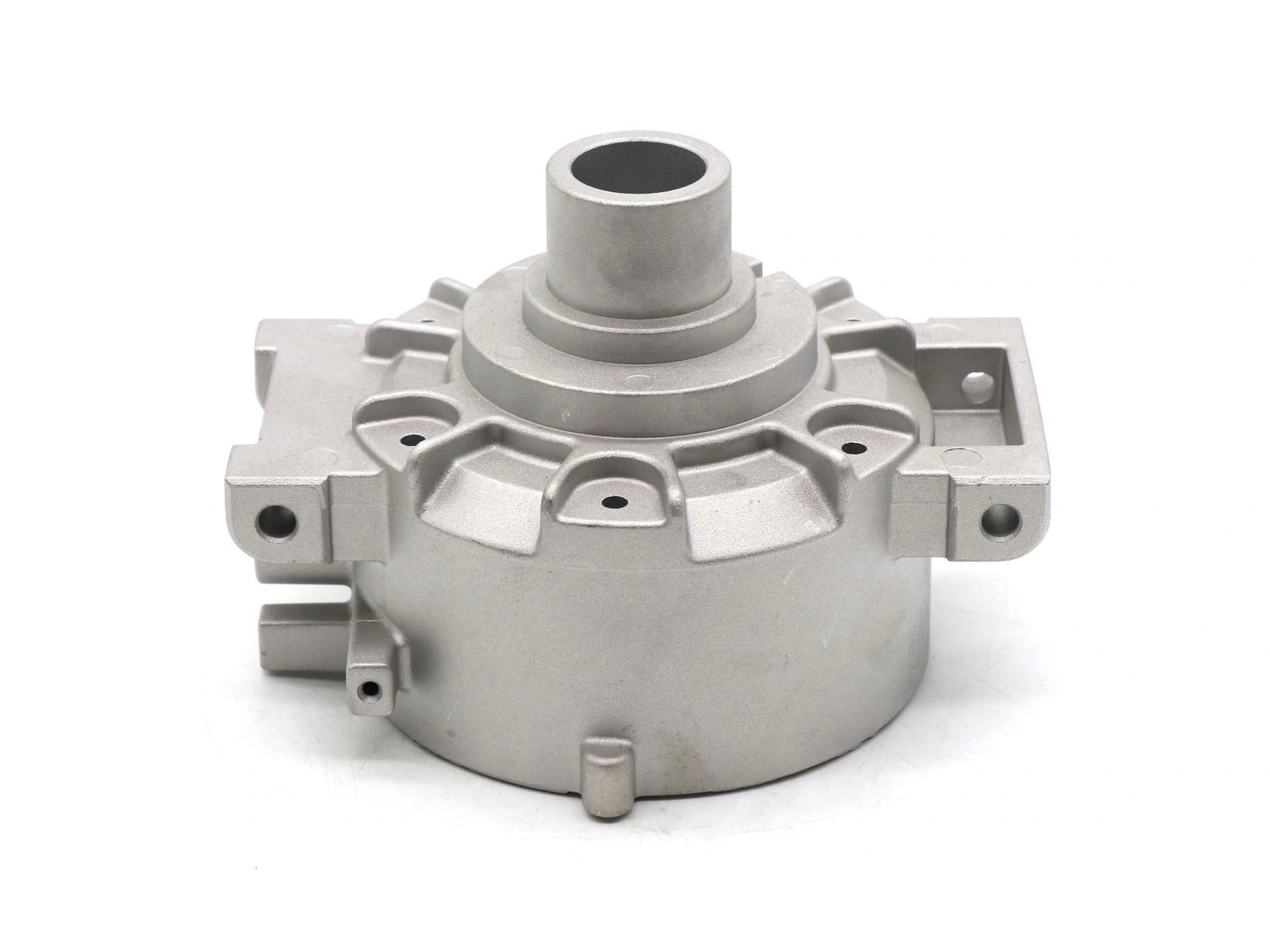
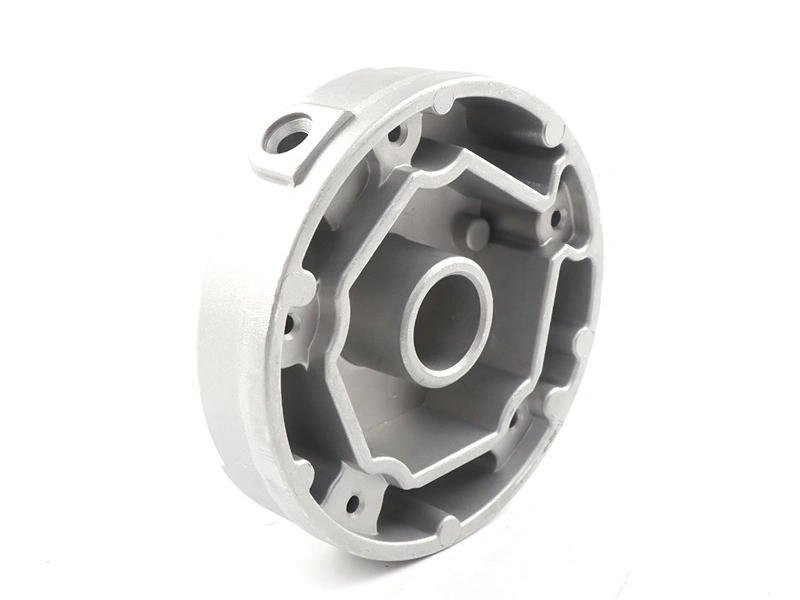
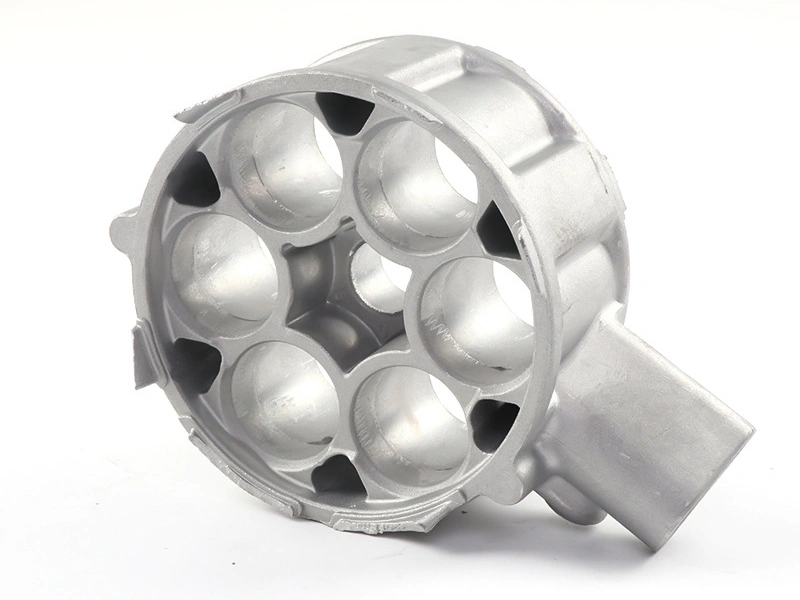
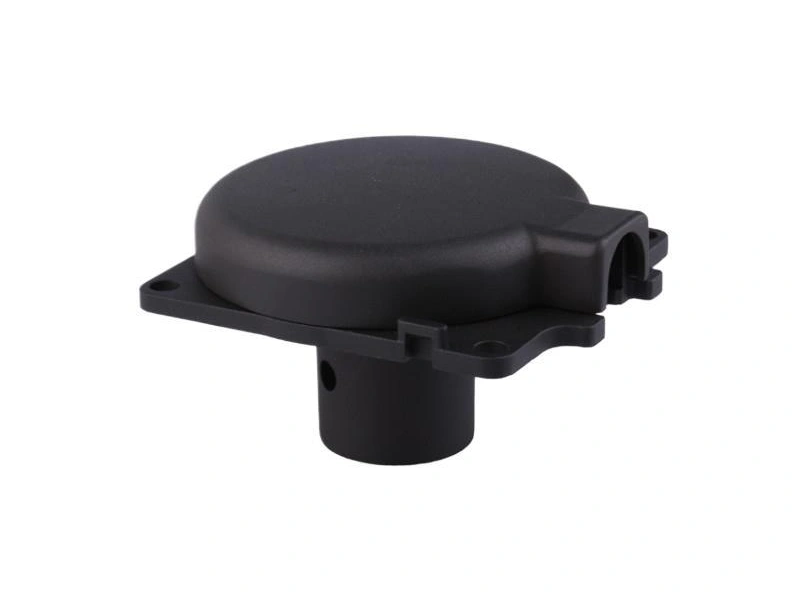
Buyers should use one supplier for one-stop aluminum die casting services when the project includes tooling, die casting, CNC machining, surface finishing, inspection and repeat production. A single coordinated supplier can reduce communication risk and make quality responsibility clearer.
If a project only needs simple cast blanks, a single-process die casting supplier may be enough. But when custom aluminum die cast parts require tooling, machining, finishing, inspection and long-term batch orders, using multiple separate suppliers can increase responsibility gaps, rework and delivery risk.
1. Projects That Fit One Supplier Better
Project Type | Why One Supplier Helps | Buyer Benefit |
|---|---|---|
Machined aluminum die cast parts | Tooling and machining allowance must be reviewed together | Reduces CNC rework and fixture disputes |
Coated aluminum housings | Casting quality, polishing, masking and coating must be coordinated | Reduces finishing defects and appearance disputes |
Production aluminum brackets | Dimensional consistency, machining and inspection must be stable across batches | Improves repeat production reliability |
Aluminum heat sink housings | Thermal design, ribs, tooling, machining and finishing need early coordination | Improves function and production stability |
Automotive and industrial aluminum covers | Usually require critical dimensions, surface finish and batch inspection control | Reduces long-term quality risk |
2. How Buyers Can Judge Whether One Supplier Is Needed
Buyers can judge whether one supplier is better by checking how many production stages are involved. The more stages the project has, the more valuable one coordinated supplier becomes.
Project Requirement | Why It Supports One Supplier | Risk Reduced |
|---|---|---|
Tooling required | Mold design affects casting, machining, finishing and inspection | Tooling modification and sample delay |
Trial samples required | Samples must validate casting, machining, finishing and assembly together | Incomplete production approval |
CNC machining areas required | Machining allowance and datums must be planned before tooling | Machining rework and fixture issues |
Surface finishing required | Coating, painting, polishing and masking affect final dimensions and appearance | Finishing disputes and assembly problems |
Repeat orders required | Batch quality, reports and defect feedback must remain stable | Long-term quality variation |
3. Risks of Splitting the Project Across Many Suppliers
Splitting tooling, casting, machining, finishing and inspection across different suppliers can work only when the buyer has strong project management. Otherwise, technical responsibility may become unclear.
Multi-Supplier Risk | Common Problem | Buyer Impact |
|---|---|---|
Mold maker does not consider machining allowance | Machined surfaces may not clean up after casting | CNC rework or mold modification |
Casting supplier does not know finishing standard | Visible surfaces may show parting lines, ejector marks or coating defects | Appearance rejection |
Machining supplier finds locating difficulty | Cast part datums may not support stable fixturing | Dimensional variation and inspection disputes |
Finishing supplier does not know masking requirements | Coating may cover threads, holes or assembly faces | Fit problems after coating |
Inspection standard is inconsistent | Different suppliers may inspect different requirements | Quality responsibility disputes |
4. What a One-Supplier Workflow Should Cover
A one-stop supplier should manage aluminum die casting, tool and die making, CNC machining after die casting, surface finishing, inspection, packaging and batch production under one coordinated process.
Workflow Stage | What the Supplier Should Manage | Buyer Value |
|---|---|---|
Tooling | DFM review, mold layout, machining allowance and cosmetic surface protection | Reduces sample failure |
Die casting | Filling, cooling, ejection, defect control and batch stability | Improves casting repeatability |
CNC machining | Holes, threads, sealing faces, datum surfaces and inspection | Improves assembly fit |
Surface finishing | Polishing, painting, coating, masking and cosmetic inspection | Reduces appearance disputes |
Inspection and packaging | Dimensional reports, appearance standards, defect response and delivery protection | Supports long-term production |
5. Compare One-Supplier Support Across Material Routes
A one-stop custom metal casting service can also help buyers compare aluminum projects with zinc die casting services or copper die casting services when future products require different materials, part sizes or functional performance.
6. Summary
Use One Supplier When | Main Benefit |
|---|---|
The project includes tooling and trial samples | Reduces mold changes and sample approval delays |
The part needs CNC machining | Controls machining allowance, datums and functional features |
The part needs surface finishing | Controls cosmetic surfaces, coating and masking requirements |
The buyer needs repeat production | Improves batch consistency, inspection and defect feedback |
The buyer wants clearer quality responsibility | Reduces multi-supplier communication risk |
In summary, buyers should use one supplier for aluminum die casting services when the project includes tooling, casting, CNC machining, surface finishing, inspection and repeat production. One-stop support can reduce communication cost, shorten project introduction and improve long-term order stability.