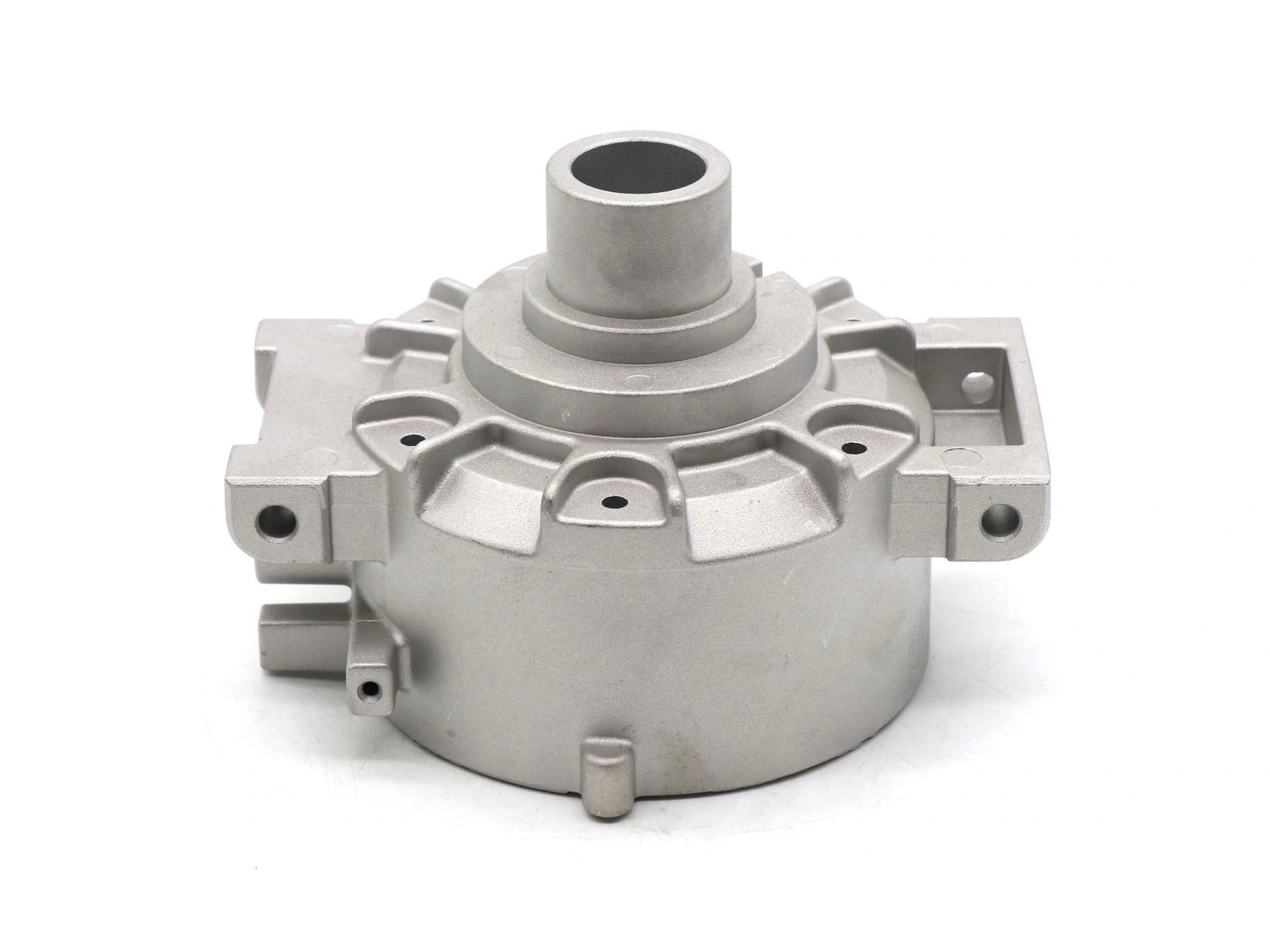
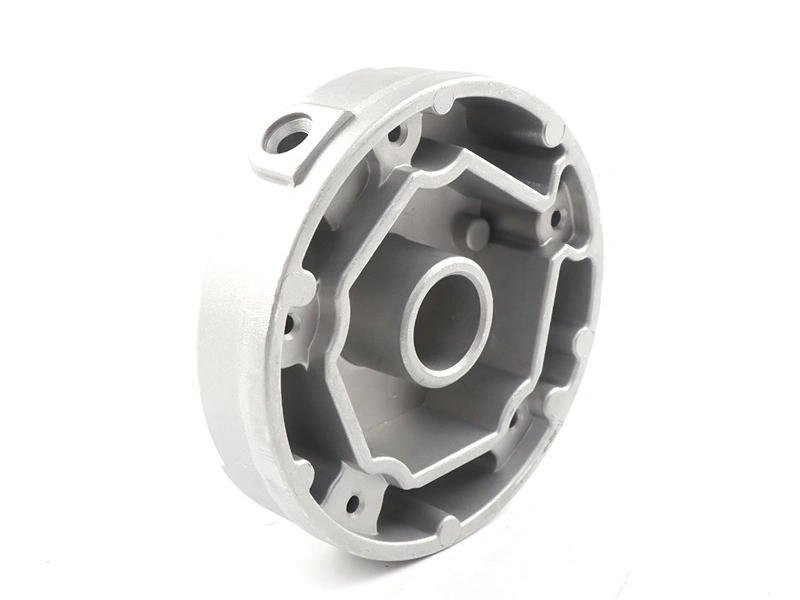
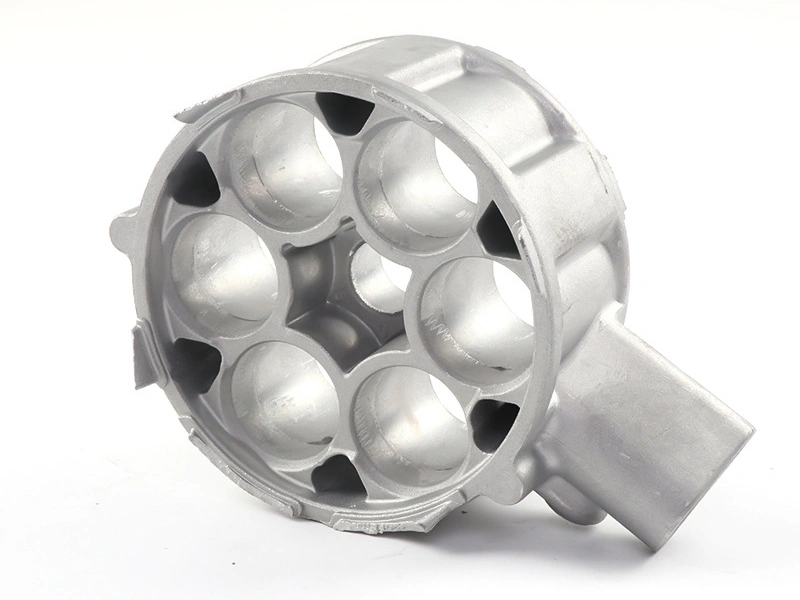
When Should High Pressure Die Casting Aluminum Be Compared With Other Routes?
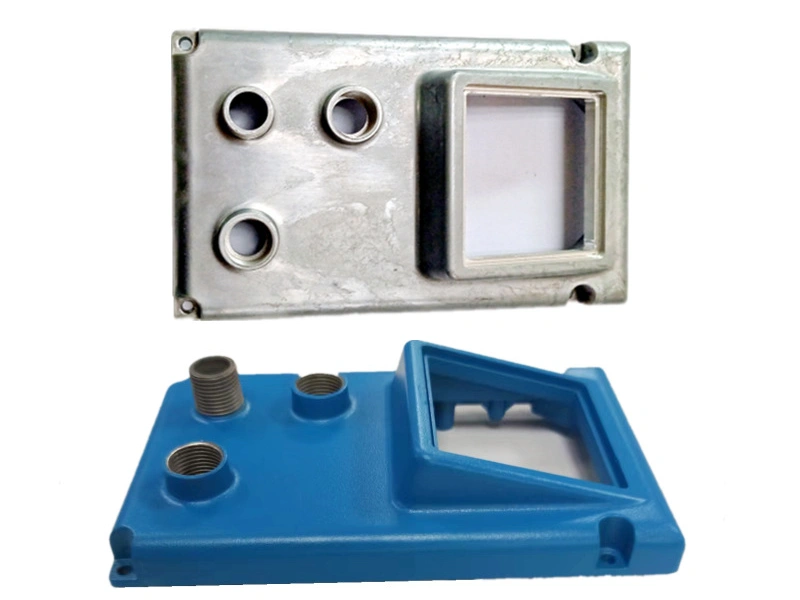
When Should High Pressure Die Casting Aluminum Be Compared With Other Routes?
High pressure die casting aluminum should be compared with other routes when the buyer is still deciding between full CNC machining, low pressure die casting, prototype production or production tooling. The choice depends on annual demand, part complexity, precision areas, surface finishing needs, tooling investment and long-term unit cost.
This FAQ is useful for buyers who have completed prototype samples but have not finalized the production route. If the part is complex, lightweight, expected to repeat and only needs local CNC machining, high pressure die casting aluminum production may be more suitable than full machining.
1. Compare Production Volume and Tooling Investment
Decision Factor | What Buyers Should Compare | Risk if Ignored |
|---|---|---|
Annual demand | Whether repeat volume supports tooling investment | Tooling cost cannot be amortized |
Design stability | Whether the part design is frozen enough for mold making | Tooling modification and sample delays |
Long-term unit cost | Whether die casting can reduce cost after stable production | Wrong process route and high production cost |
2. Compare Part Complexity and Machining Scope
Buyers should compare whether the part should be fully machined or die cast near-net shape with local CNC machining for aluminum parts. Complex housings, ribs, bosses and covers may be better suited for die casting when production volume is stable.
Part Requirement | Route Comparison | Buyer Benefit |
|---|---|---|
Complex housing features | Die casting may form the main shape more efficiently than full machining | Reduces material removal and cycle time |
All surfaces need high precision | Full CNC machining may still be required | Avoids wrong casting route |
Only local areas need precision | Die casting plus local machining may be suitable | Balances cost and function |
Surface finishing required | Painting, powder coating or polishing should be included in process comparison | Improves total cost evaluation |
3. Understand Risks of Choosing the Wrong Route
If buyers choose the production route too early, they may face tooling changes, high machining cost, unstable finishing results or repeated validation delays.
Wrong Route Risk | Possible Cause | Buyer Impact |
|---|---|---|
Over-machining | Full CNC machining is used when casting plus local machining may be enough | Higher unit cost |
Premature tooling | Design is not stable before mold making | Mold modification and project delay |
Surface finish mismatch | Finishing requirements were not included in route comparison | Appearance rejection and rework |
Tooling cost not justified | Production volume is not stable enough | High total cost for low-volume projects |
4. Compare Casting Material Options When Needed
A broader custom metal casting service review can compare aluminum with zinc die casting for precision parts or copper die casting for functional parts. For production tooling decisions, tool and die making should also be evaluated early.
5. Summary
Compare Routes When | Main Purpose |
|---|---|
Production volume is not confirmed | Check whether tooling investment is justified |
Design is still changing | Avoid premature mold making |
Full CNC machining cost is high | Evaluate die casting plus local machining |
Surface finish and assembly requirements are complex | Compare total production cost and risk |
In summary, high pressure die casting aluminum should be compared with other routes when buyers are unsure about production volume, tooling investment, machining scope or surface finishing risk. A manufacturability review helps clarify the best route before major cost is committed.